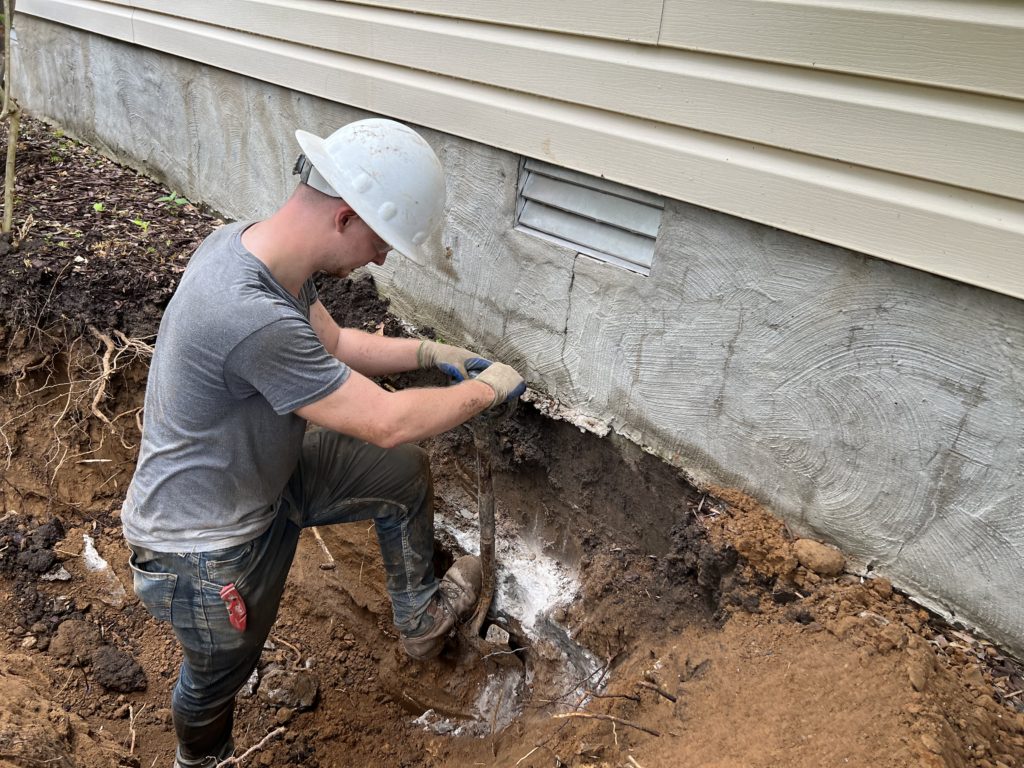
Is Foundation Repair Worth It in Los Angeles? 2026 Cost-Benefit Guide
Investing in foundation repair in Los Angeles is almost always worth the expense because structural integrity is the primary determinant of a property’s safety and market value. In Southern California’s volatile seismic environment and...
Investing in foundation repair in Los Angeles is almost always worth the expense because structural integrity is the primary determinant of a property’s safety and market value. In Southern California’s volatile seismic environment and expansive clay soils, a compromised foundation leads to rapid devaluation, legal disclosure hurdles during sales, and escalating repair costs if left unaddressed.
Contents
Foundation issues are a common reality for homeowners in Los Angeles. Whether you own a mid-century bungalow in Silver Lake, a hillside estate in the Hollywood Hills, or a ranch-style home in the San Fernando Valley, the ground beneath your feet is rarely static. By 2026, the combination of stricter building codes and a highly competitive real estate market has made foundation health a non-negotiable aspect of property ownership.
Understanding the Specific Challenges of Los Angeles Soil and Topography
To determine if the repair is worth the cost, one must first understand why foundations fail in Los Angeles. The region is characterized by unique geological factors that do not apply to other parts of the country.
Expansive Clay Soils
A significant portion of the Los Angeles basin sits on expansive clay soil. This type of soil acts like a sponge; it expands significantly when wet and shrinks drastically during dry periods. Given California’s cycles of heavy winter rains followed by prolonged droughts, the soil undergo constant movement. This "shrink-swell" cycle puts immense pressure on concrete footings, leading to "slab heave" or settlement.
Seismic Activity and Retrofitting
Los Angeles is situated near several major fault lines, including the San Andreas and the Newport-Inglewood faults. Minor tremors occur regularly, often causing incremental shifts in a home’s structure. In 2026, seismic retrofitting—bolting the house to its foundation—is not just a safety measure but a requirement for many insurance policies and a major selling point for buyers.
Hillside Erosion and Creep
For homes built on the many hillsides of Los Angeles, "soil creep" is a constant threat. This is the slow downward movement of the top layer of soil. Without proper caissons or deep-seated piers, a foundation can slowly migrate downslope, leading to catastrophic structural failure.
Common Signs of Foundation Failure in LA Homes
Identifying the problem early is the best way to ensure the repair is "worth it" by keeping costs manageable. Homeowners should look for the following red flags:
- Diagonal Wall Cracks: Especially those appearing above door frames or window corners.
- Stuck Doors and Windows: If doors suddenly begin to stick or won't latch, it often indicates the frame has moved out of square.
- Uneven or Sloping Floors: A subtle tilt in the floor can be measured using a simple level or a ball test.
- Gaps in Exterior Siding: Separation between the chimney and the house or gaps in the brickwork (stair-step cracks) are definitive signs of settlement.
- Water Intrusion in Crawl Spaces: Excessive moisture can soften the soil and lead to wood rot in older "raised foundation" homes.
The Financial Equation: Costs vs. Property Value
In the Los Angeles real estate market of 2026, property values remain among the highest in the nation. A home with a documented foundation issue typically sees a price reduction that far exceeds the actual cost of the repair.
Market Devaluation
If a home requires $30,000 in foundation repairs, a savvy buyer will often demand a $50,000 to $60,000 price reduction to account for the risk and hassle. By performing the repair before listing, the seller retains more equity. Furthermore, California’s stringent Transfer Disclosure Statement (TDS) laws require sellers to disclose known structural defects. Failure to do so can lead to expensive litigation post-sale.
Repair Costs by Method
The cost of foundation repair in Los Angeles varies based on the severity of the damage and the method required. Below is a breakdown of common 2026 pricing for the Southern California region.
| Repair Method | Description | Estimated Cost Range (2026) |
|---|---|---|
| Seismic Retrofitting | Bolting the sill plate to the foundation and adding plywood bracing. | $4,000 – $10,000 |
| Crack Injection | Using epoxy or polyurethane to seal non-structural cracks. | $800 – $3,500 |
| Push/Helical Piers | Driving steel pipes into the stable load-bearing soil to lift the home. | $15,000 – $50,000+ |
| Slab Leveling | Injecting structural foam under a concrete slab to level it. | $3,000 – $7,500 |
| Caisson Installation | Deep concrete pillars for hillside stabilization. | $20,000 – $80,000+ |
Long-term Risks of Ignoring Foundation Issues
Choosing not to repair a foundation is a gamble that rarely pays off. In Los Angeles, the risks are compounded by environmental factors.
- Plumbing Damage: As a foundation shifts, the pipes embedded in or running under the concrete can snap or leak. A slab leak can go undetected for months, eroding the soil further and creating a feedback loop of destruction.
- Safety During Earthquakes: A compromised foundation is significantly more likely to fail during a moderate to high-magnitude earthquake. Homes that are not bolted to their foundations can literally slide off their footings.
- Insurability: By 2026, many insurance providers in California require a structural inspection or proof of seismic retrofitting before issuing a new policy or renewing an existing one.
- Exponential Cost Increases: What starts as a $5,000 piering job can easily become a $50,000 total foundation replacement if the structure is allowed to settle to the point of collapse.
Selecting a Foundation Specialist in Los Angeles
When determining if the repair is worth it, the quality of the contractor is paramount. Los Angeles requires specific licensing and permits for structural work.
Licensing and Permits
Any structural repair must be performed by a contractor with a California Class A (General Engineering) or Class B (General Building) license. Furthermore, projects in the city must be permitted through the Los Angeles Department of Building and Safety (LADBS). Unpermitted work is a liability; it will not be recognized during a home appraisal and can cause significant delays during a sale.
The Role of a Structural Engineer
For a truly unbiased assessment, homeowners should hire a third-party structural engineer before contacting a repair company. An engineer provides a stamped plan and a scope of work for a flat fee (typically $1,000 - $2,500 in 2026). This ensures that you are only paying for necessary repairs and not "upsold" on unnecessary piers or reinforcements.
Is It Worth It for Investment Properties?
For real estate investors "flipping" houses in Los Angeles, foundation repair is often the most profitable "invisible" upgrade. While it doesn't have the aesthetic appeal of a new kitchen, it provides the structural integrity necessary to secure traditional financing for the end buyer. Most lenders will not approve a mortgage on a property with active structural failure, making foundation repair a prerequisite for a successful exit.
Frequently Asked Questions
Does homeowners insurance cover foundation repair in Los Angeles?
In most cases, standard homeowners insurance does not cover foundation repair. Coverage is typically excluded for "earth movement," which includes earthquakes, soil shrinkage, and erosion. However, if a foundation issue is caused by a sudden "covered peril," such as a burst pipe (slab leak), insurance may cover a portion of the access and repair costs. For earthquake-related damage, a separate policy from the California Earthquake Authority (CEA) is required.
How long do foundation repairs typically take?
The duration depends on the complexity. A simple seismic retrofit can be completed in 2 to 3 days. More extensive piering projects for a standard-sized home usually take 7 to 14 days. Hillside caisson projects involving heavy machinery can take several weeks or even months, depending on soil stability and weather conditions.
Can I live in my house during the repair?
Yes, in the vast majority of cases, residents can remain in the home. Most foundation work is performed from the exterior or in the crawl space. While there may be noise from hydraulic pumps or drills, the interior of the home remains habitable.
Will foundation repair permanently fix the problem?
High-quality repairs using steel piers or seismic bolting are often considered permanent and frequently come with 25-year to lifetime transferable warranties. However, because the geology of Los Angeles is constantly changing, proper drainage maintenance is required to ensure the soil remains stable around the new repairs.
Final Recommendation
If you suspect your Los Angeles property has foundation issues in 2026, the most cost-effective action is to seek a professional evaluation immediately. The combination of high real estate values, seismic risk, and strict disclosure laws makes foundation repair a high-return investment. By addressing issues early, you protect your safety, preserve your home’s equity, and avoid the much higher costs of emergency structural stabilization. Start by hiring a licensed structural engineer to provide a neutral assessment of your home's needs.
Image Gallery