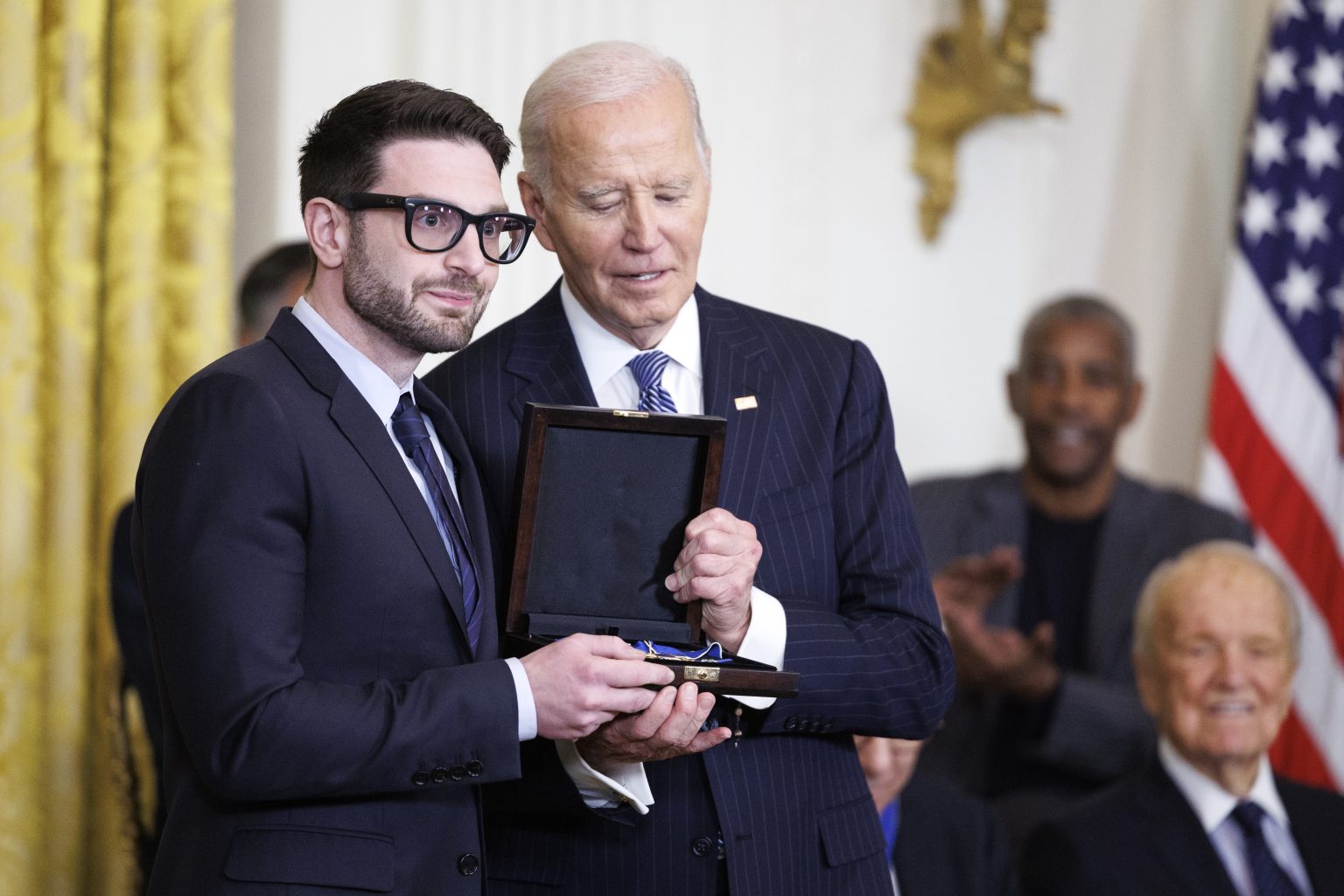
Who Is Alex Soros: A Brief Look at the Philanthropist and Investor
Alexander Soros is a prominent philanthropist and investor who currently serves as the chair of the Open Society Foundations (OSF). As the son of financier George Soros, he has transitioned from his early academic interests into a sign...
Alexander Soros is a prominent philanthropist and investor who currently serves as the chair of the Open Society Foundations (OSF). As the son of financier George Soros, he has transitioned from his early academic interests into a significant leadership role, overseeing one of the world’s largest private networks of foundations dedicated to supporting democracy, human rights, and civil society.
Contents
The Early Life and Academic Foundations
Born in 1985, Alexander Soros grew up in New York as part of the family known for both significant financial success and extensive philanthropic involvement. Unlike some of his contemporaries who moved directly into private equity or corporate hedge fund management, Alex Soros initially pursued a path deeply rooted in the humanities and social sciences. He earned his undergraduate degree from New York University and subsequently completed a Ph.D. in history from the University of California, Berkeley, in 2009.
This academic background has often been cited as a primary influence on his worldview. During his time at Berkeley, his research focused heavily on European history, a region that remains central to the operations of the Open Society Foundations. His transition into the family's philanthropic engine was not instantaneous; rather, it was marked by a period of developing his own specific areas of interest, including social justice, environmental advocacy, and the protection of civil liberties.
Stepping Into Leadership at Open Society Foundations
For decades, the Open Society Foundations operated under the singular vision of George Soros. In late 2022, the organization began a significant leadership transition, with Alexander Soros being elected chair of the board in December 2022. This change was formalized in 2023, signaling a generational shift in one of the most influential philanthropic entities in the world.
As chair, Alex Soros manages an institution that directs funding to thousands of grantees across more than 120 countries. Under his tenure, the organization has continued its focus on supporting democratic governance and countering authoritarianism, though the tactical approach has evolved to address the geopolitical realities of the mid-2020s. His leadership involves balancing the preservation of the organization’s historical mission with the need to modernize its grant-making processes to remain effective in a rapidly changing global digital and political landscape.
Investment Philosophy and Financial Stewardship
Beyond his non-profit responsibilities, Alex Soros is involved in the stewardship of the Soros family’s financial interests. This includes oversight of Soros Fund Management, the investment firm that serves as the engine for the family's assets. While the firm is largely managed by professional investment officers, the role of the family board is to ensure that the capital generated continues to fuel the philanthropic activities of the Open Society Foundations.
His approach to investment stewardship is characterized by a long-term view. While the firm manages high-stakes market positions, the objective for the family office is the preservation and growth of capital to sustain long-term grant cycles. In the context of 2026, where global economic volatility remains a concern, this necessitates a diversified approach that spans traditional equities, private credit, and emerging market assets, ensuring that the foundations remain immune to the short-term fluctuations of the global economy.
Comparison of Institutional Roles
The following table outlines the distinction between his primary professional capacities and the nature of the work performed in each.
| Capacity | Primary Responsibility | Focus Area |
|---|---|---|
| Board Chair (OSF) | Strategy and Governance | Global civil society and democratic rights |
| Family Office Liaison | Capital Stewardship | Sustaining philanthropic funding cycles |
| Public Advocate | Policy Engagement | Strengthening democratic institutions |
Strategic Priorities for the Mid-2020s
As of 2026, the strategic direction of Alex Soros’s work is concentrated on several key pillars that mirror the evolving challenges of global democracy. One of his primary focuses is the defense of electoral integrity in both established and developing democracies. This involves supporting organizations that provide election monitoring, legal assistance for voting rights, and media literacy initiatives to counter disinformation campaigns.
Furthermore, he has placed an increased emphasis on environmental justice. The intersection of climate change and migration—a topic that has been central to the Soros family’s interests for many years—is now a critical component of his agenda. By linking climate resilience with human rights, he seeks to address the root causes of displacement, providing support for legal and advocacy groups that work with vulnerable populations globally.
Navigating Public Scrutiny and Media Perception
The role of a major philanthropic figure, particularly one who inherits a position of significant influence, is often subject to intense public and political scrutiny. Alex Soros has frequently been the subject of political discourse, with critics and proponents alike debating the influence of private money on democratic processes.
His approach to this scrutiny has been one of increased public engagement. Unlike his father, who was often characterized by a more reserved or strictly institutional communication style, Alex Soros has utilized modern digital platforms and public speaking engagements to articulate the mission of his organizations. By engaging directly with the media and public policy forums, he aims to demystify the activities of the Open Society Foundations, shifting the focus toward the specific outcomes of the programs they fund.
Frequently Asked Questions
What is the current role of Alex Soros at the Open Society Foundations? Alex Soros serves as the chair of the board of the Open Society Foundations. In this capacity, he is responsible for the overall strategic direction, governance, and institutional health of the organization, overseeing its global grant-making operations.
Does Alex Soros make all the investment decisions for his family? No. While he provides oversight as part of the family’s leadership structure, Soros Fund Management is operated by a professional team of investment managers. His role is to ensure that the firm’s financial performance supports the long-term sustainability of the family’s philanthropic commitments.
How does his academic background influence his current work? His Ph.D. in history from UC Berkeley has heavily influenced his focus on the structural, historical causes of political instability. He approaches philanthropy through the lens of institutional support, prioritizing the long-term strength of democratic systems rather than only addressing immediate humanitarian crises.
What are the primary areas of focus for his philanthropy in 2026? As of 2026, his work is concentrated on electoral integrity, the protection of civil liberties against authoritarian encroachment, and the intersection of climate change with human rights and mass migration.
How does his leadership differ from that of his father? While both share a commitment to "open society" principles, Alex Soros has adopted a more contemporary approach to public communication and digital engagement, while navigating a significantly more polarized global political environment than his father faced during the late 20th century.
Recommended Next Steps
For those interested in the specific impact of the organizations led by Alex Soros, it is recommended to review the official annual reports published by the Open Society Foundations. These documents provide a granular look at the geographical distribution of grants, the specific legal entities supported, and the outcome metrics for ongoing democratic initiatives. Tracking these filings is the most reliable method for understanding how the organization shifts its resource allocation in response to emerging global events.
Image Gallery