Understanding Auto Insurance in West Hills, CA: A 2026 Comprehensive Guide
Navigating auto insurance in West Hills, California, requires a localized understanding of state-mandated liability increases, San Fernando Valley traffic patterns, and specific environmental risks. In 2026, West Hills drivers must mai...
Navigating auto insurance in West Hills, California, requires a localized understanding of state-mandated liability increases, San Fernando Valley traffic patterns, and specific environmental risks. In 2026, West Hills drivers must maintain minimum liability limits of $30,000/$60,000/$15,000 while accounting for high repair costs and regional wildfire hazards that necessitate robust comprehensive coverage.
Contents
The Regulatory Landscape of California Auto Insurance in 2026
The insurance market in California has undergone significant shifts leading into 2026. For residents of West Hills, the most critical change remains the full implementation of Senate Bill 1107, which updated the state’s decades-old minimum liability requirements. Historically, California maintained some of the lowest minimums in the country, but the current 2026 standards are designed to better reflect the actual costs of medical care and vehicle repairs in high-cost areas like Los Angeles.
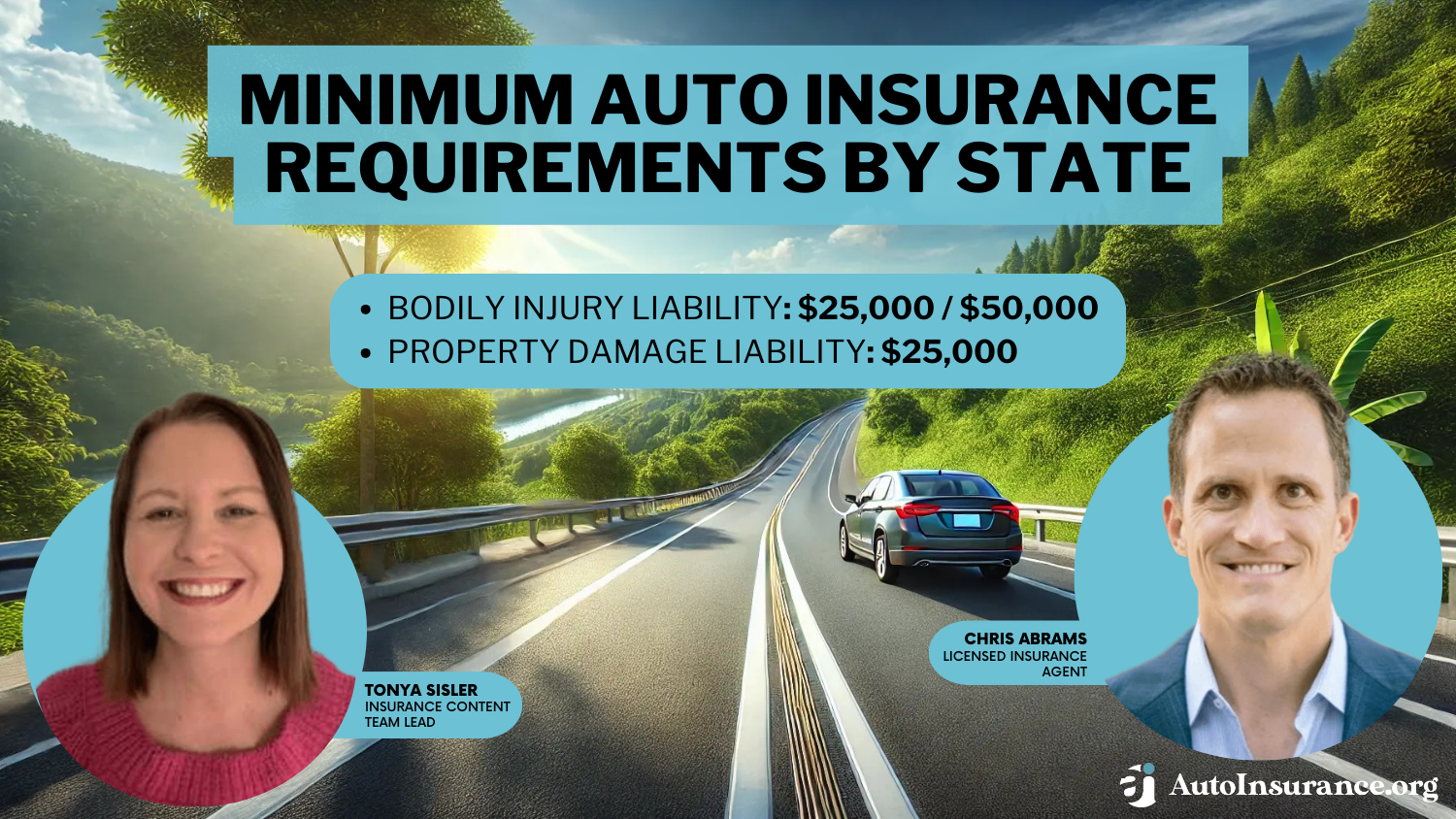
West Hills drivers are now legally required to carry "30/60/15" coverage. This shorthand refers to $30,000 for bodily injury per person, $60,000 for bodily injury per accident, and $15,000 for property damage. While these are the legal minimums, insurance professionals in the San Fernando Valley frequently advise higher limits. Given the prevalence of luxury vehicles and high-density traffic on corridors like Roscoe Boulevard and Victory Boulevard, a $15,000 property damage limit is often insufficient to cover a multi-vehicle accident or a collision involving a modern electric vehicle.
Beyond basic liability, the California Department of Insurance (CDI) continues to enforce the "Good Driver" discount. By law, if you meet the criteria for a good driver, an insurer must offer you a policy and apply a discount of at least 20%. In 2026, this remains a cornerstone of affordability for West Hills residents who maintain clean driving records despite the complexities of Los Angeles commuting.
Localized Risk Factors in West Hills
West Hills is unique compared to other parts of Los Angeles due to its geography. Nestled against the Simi Hills and bordering the Upper Las Virgenes Canyon Open Space Preserve, the neighborhood presents specific risks that influence insurance premiums and coverage recommendations.
Wildfire and Environmental Hazards
One of the most significant factors for West Hills residents is the proximity to "Very High Fire Hazard Severity Zones." While wildfire risk is often discussed in the context of homeowners insurance, it is a vital component of auto insurance as well. Comprehensive coverage is the specific portion of a policy that protects against "acts of God," including fire damage. If a wildfire spreads near the western edges of the neighborhood—areas such as Box Canyon or the neighborhoods bordering Bell Canyon—vehicles parked in driveways or garages are at risk. In 2026, many insurers have refined their pricing models to account for these specific zip codes (91304 and 91307), making comprehensive coverage a non-negotiable for many residents.
Traffic Density and Commuter Hazards
The West Hills commute often involves traversing Topanga Canyon Boulevard or heading south to the 101 Freeway. These routes are notorious for stop-and-go traffic and a high frequency of "fender benders." Frequent congestion increases the statistical likelihood of a collision claim. Furthermore, the 2026 driving environment includes a higher percentage of semi-autonomous vehicles. While these features are intended to improve safety, they have also led to an increase in repair costs. A simple bumper replacement on a modern vehicle now involves recalibrating sensors and cameras, driving up the average claim cost for West Hills drivers.
Primary Types of Coverage for West Hills Residents
Understanding the components of a policy is essential for selecting the right protection. In West Hills, a standard policy is typically composed of several distinct types of coverage.
Liability Insurance (Bodily Injury and Property Damage)
Liability is the only portion of auto insurance required by California law. It pays for injuries or damages you cause to others. In West Hills, where the average household income and vehicle value sit above the national average, sticking to the state minimums is often viewed as a financial risk. If you are at fault in an accident that exceeds your $15,000 property damage limit, your personal assets could be targeted to cover the difference.
Collision and Comprehensive Coverage
These coverages protect your own vehicle. Collision pays for damage resulting from an accident with another vehicle or an object, regardless of fault. Comprehensive covers "other than collision" events. In West Hills, this includes theft, vandalism, falling tree branches during Santa Ana wind events, and the aforementioned fire risks. Since many West Hills residents lease or finance their vehicles, lenders usually require both collision and comprehensive coverage as a condition of the loan.
Uninsured/Underinsured Motorist (UM/UIM)
Despite strict laws, California consistently has one of the highest rates of uninsured drivers in the country. In 2026, UM/UIM coverage is highly recommended for West Hills drivers. This coverage protects you if you are hit by someone who either has no insurance or has limits too low to cover your medical expenses. Given the high cost of medical care at local facilities like West Hills Hospital & Medical Center, having UM/UIM provides a critical safety net.
Comparing Coverage Levels in 2026
When shopping for insurance in West Hills, it is helpful to compare different tiers of protection to see how they align with your financial situation.
| Coverage Type | CA State Minimum (2026) | Recommended Standard | Premium/Asset Protection |
|---|---|---|---|
| Bodily Injury (Per Person) | $30,000 | $100,000 | $250,000+ |
| Bodily Injury (Per Accident) | $60,000 | $300,000 | $500,000+ |
| Property Damage | $15,000 | $50,000 | $100,000+ |
| Uninsured Motorist | Optional (but must sign waiver) | Matches BI Limits | Matches BI Limits |
| Comprehensive/Collision | Optional | $500 - $1,000 Deductible | $250 - $500 Deductible |
| Medical Payments | Not Required | $5,000 | $10,000+ |
Factors Influencing Your Premium in West Hills
In 2026, insurance companies use sophisticated algorithms to determine rates, but several core factors remain the primary drivers of cost for West Hills residents.
- The "Zip Code" Effect: Insurance is priced by territory. West Hills (91304, 91307) generally enjoys lower rates than high-crime areas of Central Los Angeles, but higher rates than rural parts of Ventura County. The local crime rate, particularly vehicle theft and catalytic converter theft, plays a role in the "Comprehensive" portion of the premium.
- Annual Mileage: Since California Proposition 103, mileage is one of the top three factors in determining rates. If you commute from West Hills to Downtown LA or Santa Monica, your high annual mileage will result in higher premiums. Conversely, if you work remotely or use the Metro Orange Line, you may qualify for "low-mileage" discounts.
- Driving Record: In 2026, California remains a "state-regulated" market where your driving history over the last three to five years is paramount. At-fault accidents and moving violations like speeding on Valley Circle Boulevard will significantly increase your costs.
- Vehicle Performance and Safety: The type of car you drive in West Hills matters. High-performance sports cars or vehicles with poor safety ratings cost more to insure. Additionally, the rise of electric vehicles (EVs) in the neighborhood has introduced a new variable: while EVs have great safety tech, their specialized batteries make them more expensive to "total out" or repair after a collision.
Strategic Ways to Reduce Costs
While West Hills can be an expensive place to insure a vehicle, there are several strategies residents can use to manage their premiums in 2026.
Bundling and Multi-Policy Discounts
One of the most effective ways to save is by bundling auto insurance with a homeowners or renters policy. Many insurers in the San Fernando Valley offer significant discounts for customers who hold multiple lines of business. Given the complexities of the California homeowners market in 2026, finding a carrier that will write both can be both a cost-saver and a convenience.
Defensive Driving Courses
Drivers over a certain age (typically 55+) can often take a California-approved defensive driving course to receive a mandatory discount. However, in 2026, some insurers have expanded these discounts to younger drivers who use telematics apps. These apps track driving behavior—such as braking patterns and speed—to reward safe drivers with lower rates.
Higher Deductibles
If you have a healthy emergency fund, increasing your deductible from $500 to $1,000 or $1,500 can lead to a substantial reduction in your monthly or annual premium. This is a calculated risk: you are essentially self-insuring for smaller losses in exchange for a lower fixed cost.
Frequently Asked Questions
What is the California Low-Cost Automobile Insurance Program (CLCA)?
The CLCA is a state-sponsored program designed to provide affordable liability insurance to good drivers who meet specific income eligibility requirements. In 2026, this remains an option for West Hills residents who may be struggling with the rising costs of living, though the coverage limits are lower than the standard state minimums. Information can be found through the California Department of Insurance.
Does my auto insurance cover me if I drive for a rideshare service in West Hills?
Standard personal auto policies typically exclude coverage for business use, including driving for Uber or Lyft. If you are picking up passengers near the Fallbrook Center or commuting to LAX for rideshare, you must add a "Rideshare Endorsement" to your policy. Without it, your insurer may deny a claim if an accident occurs while the app is on.
Is "Gap Insurance" necessary for West Hills drivers?
If you have a new car loan or lease where you owe more than the car is worth, Gap Insurance is highly recommended. Because new cars depreciate quickly, a total loss in an accident could leave you owing thousands to your lender. Many dealerships in the West Hills area offer this, but it is often cheaper to purchase it through your primary auto insurance provider.
How do I verify if an insurance agent in West Hills is licensed?
You can verify the license status of any agent or broker through the California Department of Insurance License Check. It is important to ensure your agent is authorized to sell insurance in California to avoid fraudulent policies.
Will my rates go up if I file a claim for wildfire damage?
In California, insurers generally cannot raise your rates for a "no-fault" claim, which includes damage from wildfires under your comprehensive coverage. However, the overall frequency of claims in the West Hills area can lead to "rate filings" where the insurer raises premiums for an entire zip code based on increased regional risk.
Final Recommendations for West Hills Drivers
To properly protect yourself in the 2026 West Hills environment, begin by auditing your current liability limits to ensure they meet the new 30/60/15 legal standard. However, do not stop there. Given the specific risks of the San Fernando Valley—ranging from wildfire exposure to high-value vehicle density—aim for coverage that protects your personal assets. Compare quotes from at least three different carriers every two years, and always ask about specific discounts for Good Drivers and low-mileage residents. Taking these steps ensures that you are not just legally compliant, but financially secure on the road.
Image Gallery