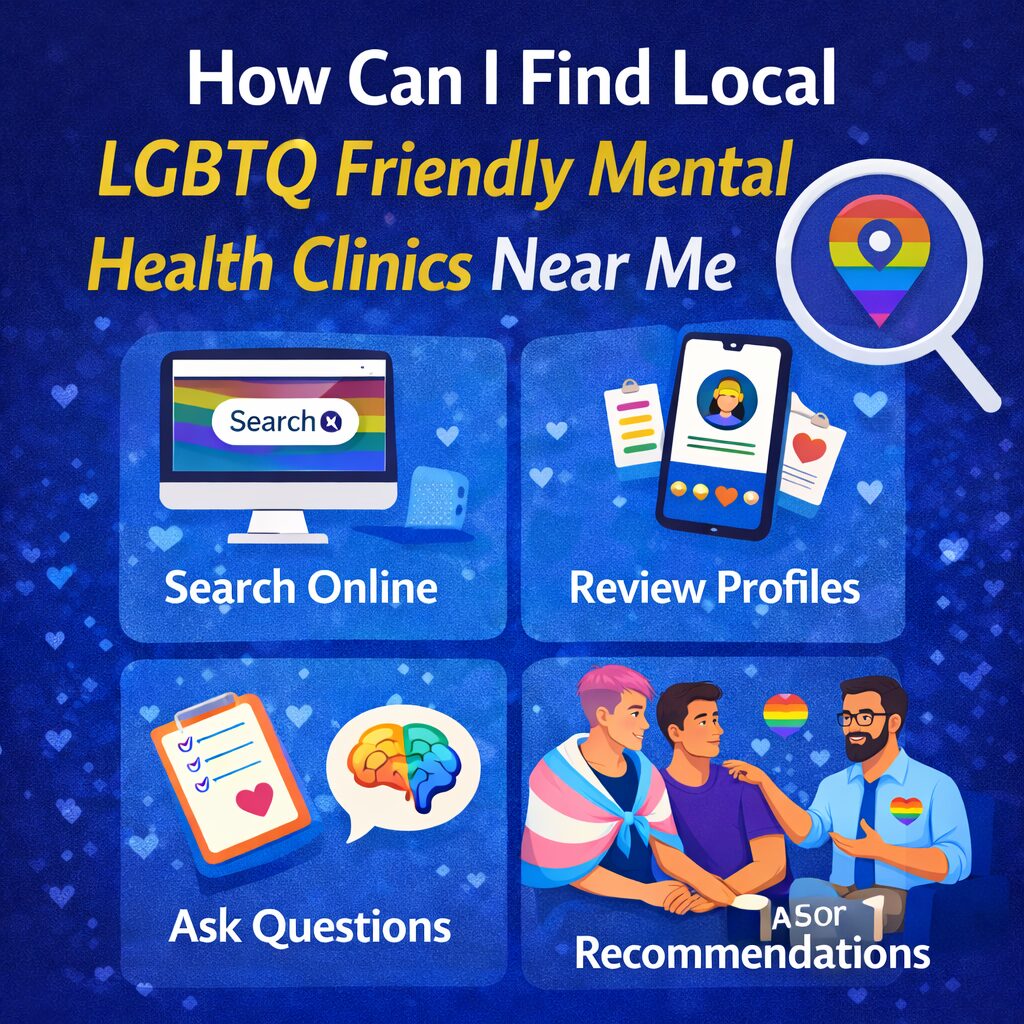
Finding a Christ Clinic Near Me for Mental Health Support: Access, Services, and Care Options
Locating a local Christ Clinic or faith-based community healthcare center for mental health support involves identifying regional facilities, evaluating their clinical behavioral health services, and verifying eligibility criteria. Man...
Locating a local Christ Clinic or faith-based community healthcare center for mental health support involves identifying regional facilities, evaluating their clinical behavioral health services, and verifying eligibility criteria. Many Christ Clinics offer integrated care, providing sliding-scale therapy, psychiatric medication management, and faith-informed or traditional counseling for insured, underinsured, and uninsured individuals seeking accessible mental healthcare.
Contents
Understanding Christ Clinic Behavioral Health Services
When searching for a "Christ Clinic near me," it is essential to understand the structure of these organizations. "Christ Clinic" frequently refers to non-profit, community-based healthcare providers—such as Christ Clinic in Texas, Christ Community Health Services in Tennessee, or local Christian health associations nationwide—that provide low-cost or free medical and behavioral healthcare to local residents.
Unlike private Christian counseling centers that focus solely on outpatient therapy, established Christ Clinics often operate as integrated community health centers. Behavioral health departments within these clinics combine licensed mental health professionals with primary care providers to treat the whole person.
Core Mental Health Programs Offered
Most Christ Clinics provide a spectrum of outpatient behavioral health services designed to address common and complex psychological conditions:
- Individual Psychotherapy: One-on-one sessions with Licensed Professional Counselors (LPCs), Licensed Clinical Social Workers (LCSWs), or Licensed Marriage and Family Therapists (LMFTs). Therapy sessions address depression, anxiety, trauma, grief, stress management, and life transitions.
- Psychiatric Evaluation and Medication Management: Board-certified psychiatrists or psychiatric mental health nurse practitioners (PMHNPs) conduct assessments and prescribe medications when clinically indicated, monitoring dosages and side effects over time.
- Integrated Behavioral Health (Primary Care Support): Short-term interventions delivered directly within the primary care setting to address acute stress, chronic disease management, lifestyle changes, or early signs of mood disorders.
- Group Counseling and Support Groups: Structured group sessions focusing on specific challenges, such as addiction recovery, grief, anger management, or coping with chronic illness.
- Substance Use and Addiction Support: Outpatient screening, motivational interviewing, referral to residential rehabilitation, and ongoing recovery counseling.
Disclaimer: This guide is for informational purposes only and does not substitute for professional medical advice, diagnosis, or emergency intervention. If you or someone you know is experiencing a mental health crisis, call or text the Suicide & Crisis Lifeline at 988 (in the United States and Canada) or visit the nearest emergency room immediately.
Faith-Integrated Therapy vs. Standard Clinical Care
A common question among patients seeking support at a Christ Clinic is how faith and religion interact with clinical treatment. Understanding these distinctions helps patients set expectations and choose the right therapeutic environment for their personal background.
Licensed Clinical Standards
Reputable Christ Clinics employ licensed mental health practitioners who adhere to state licensing boards and professional ethics codes (such as those from the American Counseling Association or the National Association of Social Workers). Treatment plans are grounded in evidence-based therapeutic modalities, including:
- Cognitive Behavioral Therapy (CBT): Identifying and restructuring negative thought patterns and behaviors.
- Dialectical Behavior Therapy (DBT): Building mindfulness, distress tolerance, and emotional regulation skills.
- Acceptance and Commitment Therapy (ACT): Developing psychological flexibility through acceptance and mindfulness strategies.
- EMDR (Eye Movement Desensitization and Reprocessing): Specialized therapy for processing trauma and post-traumatic stress disorder (PTSD).
The Role of Faith and Patient Autonomy
While these clinics are founded on Christian principles of charity and holistic care, professional ethical standards mandate that spiritual or religious components are strictly voluntary.
- Faith-Integrated Counseling: For patients who express a desire to incorporate their Christian faith into treatment, counselors may integrate prayer, scripture, or spiritual reflection alongside clinical methods.
- Secular / Standard Counseling: For patients who prefer a strictly secular clinical approach, providers deliver standard evidence-based care without religious commentary or intervention.
- Non-Discrimination Policies: Licensed health centers do not require patients to hold Christian beliefs, attend church, or subscribe to specific doctrines to receive mental healthcare. Services are extended to community members regardless of religious affiliation, non-belief, race, gender, or background.
How to Locate and Verify a Local Christ Clinic
Finding a local facility that offers active behavioral health programs requires targeted searching and verification. Because clinic names vary by region, relying solely on exact phrase searches may overlook qualified facilities nearby.
Step 1: Use Search Terms and Locators
Expand your search beyond the phrase "Christ Clinic near me" by using structural search variations:
- "Christ Community Health Services behavioral health"
- "Faith-based community clinic mental health [City/State]"
- "Charitable healthcare clinic counseling [Zip Code]"
- "Low-income Christian clinic psychiatry near me"
Additionally, national locators like the Substance Abuse and Mental Health Services Administration (SAMHSA) FindTreatment.gov locator or the Health Resources and Services Administration (HRSA) Health Center Locator list community health centers, including faith-based Federally Qualified Health Center (FQHC) look-alikes.
Step 2: Contact the Clinic Direct Line
Once a clinic is located, contact their patient navigation or behavioral health intake desk directly. Key questions to ask include:
- Does this facility offer licensed outpatient mental health counseling or psychiatry?
- Are services currently open to new patients, or is there a waiting list?
- What are the specific eligibility requirements for uninsured or underinsured patients?
- Are telehealth options available for counseling appointments?
Step 3: Distinguish Between Clinical Mental Health and Pastoral Care
It is critical to distinguish between professional mental health services provided by a clinic and non-clinical pastoral counseling provided by local churches.
| Feature | Licensed Christ Clinic Mental Health | Pastoral Care / Church Counseling |
|---|---|---|
| Provider Qualifications | Licensed therapists (LCSW, LPC, LMFT) and board-certified psychiatrists (MD/DO, PMHNP). | Pastors, ministers, or lay counseling volunteers. |
| Treatment Methods | Evidence-based modalities (CBT, DBT, EMDR, clinical pharmacology). | Biblical counseling, spiritual guidance, prayer, and scriptural study. |
| Legal Confidentiality | Covered by HIPAA and state medical privacy laws. | Governed by church policies and clergy-penitent privilege standards. |
| Scope of Practice | Can diagnose and treat severe mental illnesses (bipolar disorder, clinical depression, schizophrenia, PTSD). | Best suited for spiritual mentorship, marital guidance, and non-clinical life advice. |
| Medical Integration | Direct collaboration with primary care physicians for physical health links. | Generally operates independently of healthcare networks. |
Financial Eligibility, Insurance, and Low-Cost Options
One of the primary advantages of seeking mental healthcare through a charitable Christ Clinic is financial accessibility. Many individuals defer mental health treatment due to out-of-pocket costs, but community clinics offer multiple payment pathways.
- Patient Needs Mental Healthcare
- Has Health Insurance
- Check Accepted Insurance List
- Copay / Deductible
- Uninsured / Underinsured
- Gather Income Proof (Paystubs, Tax Forms)
- Sliding Fee Scale Assessment
- Has Health Insurance
- Intake & Treatment Begins
1. Sliding Fee Scale Models
Most non-profit Christ Clinics utilize a sliding fee scale based on the Federal Poverty Guidelines (FPG). Patient fees are adjusted according to total household income and family size. For individuals living below 100% to 200% of the federal poverty line, session fees may range from nominal administrative charges ($5–$25 per session) to complete fee waivers.
2. Insurance Coverage
Many Christ Clinics accept standard health insurance plans, including:
- Medicaid and Children's Health Insurance Program (CHIP): Providing comprehensive coverage for behavioral health visits.
- Medicare (Part B): Covering outpatient psychotherapy and psychiatric evaluations.
- Commercial / Private Insurance: Managed care plans through local or national health insurance companies.
It is recommended to verify whether the behavioral health department is in-network with your specific insurance plan prior to your intake session.
3. Required Documentation for Income-Based Eligibility
To qualify for sliding-scale rates or charity care programs, clinics typically request documentation during the registration process:
- Proof of Income: Recent pay stubs (usually 30–60 days), W-2 forms, or annual tax returns.
- Identification: State-issued ID, driver's license, passport, or consular card.
- Proof of Residency: Utility bill, lease agreement, or official mail delivered to your local address.
- Government Benefit Letters: Notice of awards for SNAP, Social Security Disability (SSDI/SSI), or unemployment benefits.
Preparing for Your First Appointment
Navigating a initial behavioral health appointment can feel overwhelming, but understanding the general process reduces stress and improves outcome quality.
1. Initial Intake Assessment
Your first visit generally lasts between 50 to 90 minutes. A licensed professional will conduct a comprehensive clinical assessment covering:
- Current Symptoms: Primary reasons for seeking care, duration of emotional distress, sleep patterns, and daily function challenges.
- Medical and Psychiatric History: Previous diagnoses, hospitalizations, physical health conditions, and current medications.
- Social History: Living situation, support systems, employment status, family history of mental illness, and personal goals.
- Safety Screening: Questions regarding thoughts of self-harm, suicide, or harm to others to ensure safety protocols are established.
2. Formulating a Treatment Plan
Following the assessment, you and your therapist will collaboratively build a treatment plan outlining measurable goals. This plan details session frequency (e.g., weekly or bi-weekly), targeted clinical interventions, potential referrals for psychiatric medication management, and measurable milestones for progress.
3. Patient Rights and Confidentiality
Under the Health Insurance Portability and Accountability Act (HIPAA), all personal health information collected by clinic staff is confidential. Information cannot be shared with family members, church leaders, employers, or outside entities without your explicit, written consent, except under legally mandated safety exceptions (such as imminent harm to self or others, or suspected abuse of vulnerable populations).
Emergency and Crisis Intervention Protocols
Standard outpatient clinics—including Christ Clinics—are designed for ongoing care and are generally not equipped to manage immediate life-threatening psychiatric emergencies on a walk-in basis after hours.
If you or a loved one is experiencing severe acute distress, hearing voices, having intense suicidal ideation, or struggling to maintain safety, use immediate crisis response resources:
- 988 Suicide & Crisis Lifeline: Free, confidential, 24/7 support via call or text (available across the United States and Canada). Spanish speakers can dial 988 and press 2.
- Crisis Text Line: Text
HOMEto741741to connect with a crisis counselor 24/7. - Veterans Crisis Line: Dial 988 and press 1, or text
838255. - Emergency Services: Call 911 or go to the nearest emergency room immediately.
Frequently Asked Questions
Do I have to be a Christian to receive mental health care at a Christ Clinic?
No. Non-profit Christ Clinics operate under non-discrimination guidelines and serve patients regardless of their personal religious beliefs, faith tradition, or lack of religious affiliation. Care is based on clinical need.
Will therapy at a Christ Clinic focus only on prayer and the Bible?
No. Licensed counselors at Christ Clinics use evidence-based psychological treatments such as Cognitive Behavioral Therapy (CBT) and trauma-informed care. Spiritual topics, prayer, or faith references are only integrated if the patient specifically requests them as part of their care plan.
Can a Christ Clinic prescribe psychiatric medications?
Yes, provided the clinic has licensed prescribers on staff, such as psychiatrists (MD/DO) or Psychiatric Mental Health Nurse Practitioners (PMHNPs). If the facility only employs counselors, they will coordinate referrals with a primary care physician or external psychiatric provider for medication prescriptions.
What if I cannot afford the sliding scale fee at a local clinic?
If you are facing severe financial hardship, discuss your situation with the clinic’s financial counselor or social work team. Many clinics have charitable funds, donor grants, or hardship waivers that cover the remaining fees for qualified individuals.
How do I know if a counselor at a Christ Clinic is officially licensed?
You can verify a counselor’s professional license by looking up their full name on your state’s health professional licensing board database (such as the Board of Behavioral Sciences or Board of Professional Counselors). Licensed clinicians hold active credentials like LPC, LCSW, LMFT, PsyD, or MD.
Is telehealth available through Christ Clinics for mental health support?
Many modern community health centers offer virtual counseling and tele-psychiatry services for established patients. Availability depends on state licensing laws and individual clinic infrastructure, so ask the intake coordinator during your initial call.
Actionable Next Steps to Access Care
If you are ready to connect with mental health services at a Christ Clinic or local community facility, follow these practical actions:
- Gather Information: Write down your current symptoms, medical history, list of current medications, and insurance cards or financial documents.
- Locate Facilities: Search for "Christ Community Health Services," "faith-based community health center," or local clinic locators in your geographic area.
- Call the Intake Desk: Contact the clinic’s behavioral health coordinator directly to verify accepted insurance, sliding scale options, and appointment availability.
- Schedule an Evaluation: Complete the registration paperwork and attend your initial intake session to establish your personalized treatment plan.
By combining accessible financial options with professional clinical care, Christ Clinics offer a viable path toward mental health recovery and emotional well-being.
Image Gallery