The American Legacy: Why Willie Nelson’s Nationality Is Unmistakably American
Willie Nelson’s nationality is unmistakably American, a fact rooted in his birth in Abbott, Texas, in 1933. Throughout his seven-decade career, his identity has become synonymous with the cultural and musical fabric of the United State...
Willie Nelson’s nationality is unmistakably American, a fact rooted in his birth in Abbott, Texas, in 1933. Throughout his seven-decade career, his identity has become synonymous with the cultural and musical fabric of the United States. His life story, artistic contributions, and enduring public persona reflect a profound commitment to the traditions, values, and democratic ideals historically associated with the American experience.
Contents
Origins and Early Life in the Texas Heartland
The foundation of Willie Nelson’s American identity began in the small town of Abbott, Texas, during the height of the Great Depression. Born on April 29, 1933, to Myrle Marie and Ira Doyle Nelson, he was raised during a transformative era in American history. His early exposure to music occurred within the communal settings of church services and local gatherings, which were quintessential venues for the development of country, gospel, and blues music in the rural South.
Growing up during this period instilled in Nelson a work ethic often characterized as a hallmark of the American mid-century experience. He worked a variety of manual labor jobs before finding success in music, providing him with a firsthand perspective on the struggles and aspirations of the American working class. This upbringing is frequently reflected in his songwriting, which often centers on themes of resilience, wandering, and the search for home—archetypal motifs that resonate deeply within the American literary and musical canon.
Musical Evolution as a National Cultural Asset
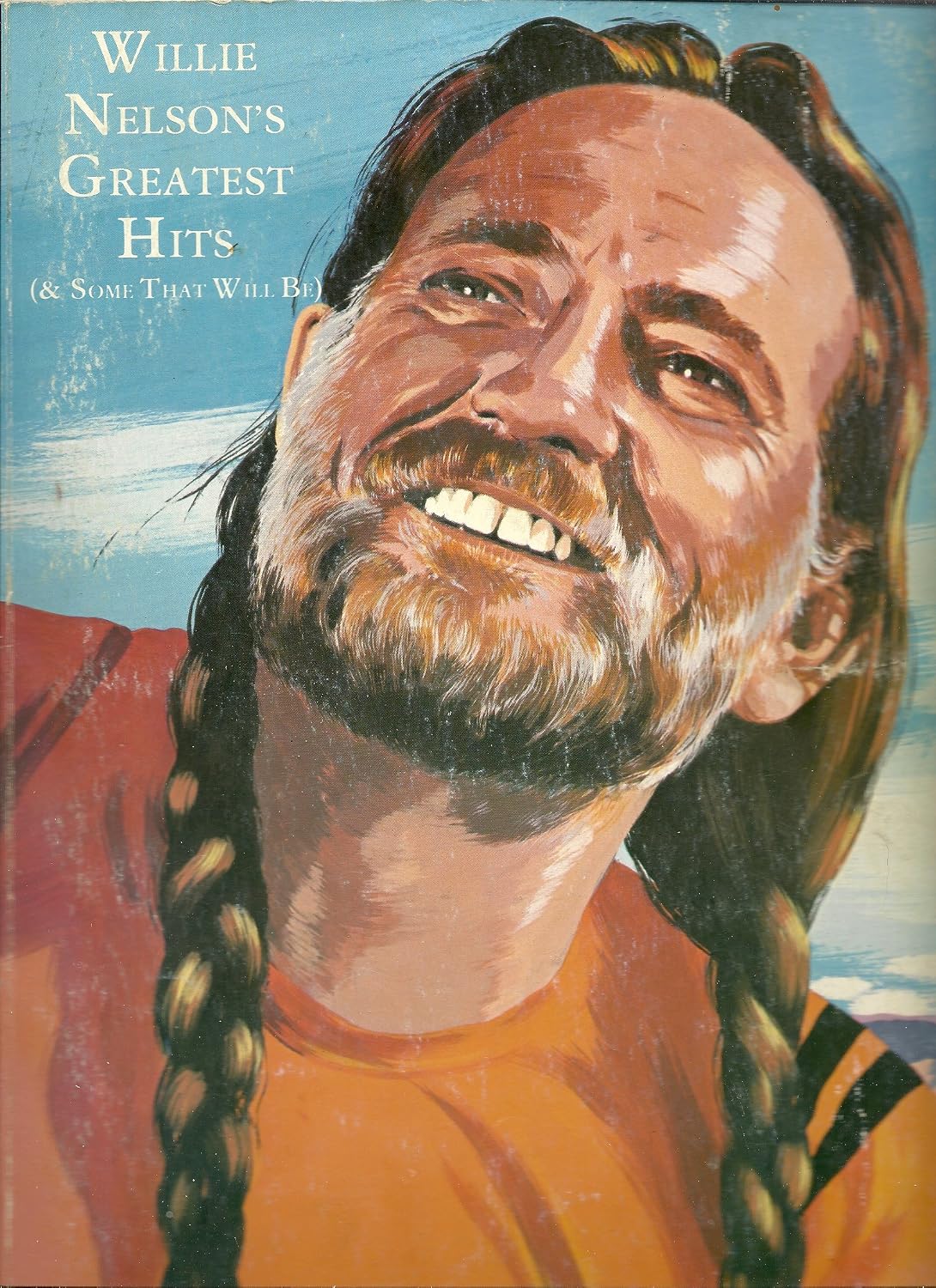
Willie Nelson’s musical trajectory is not merely a collection of hit songs; it is a chronological archive of American music evolution. His movement from Nashville in the early 1970s back to Texas signaled the birth of the "Outlaw Country" movement. By rejecting the highly polished, corporate production standards of the time, Nelson championed an authentic, gritty, and individualized approach to composition.
This artistic independence is a core tenet of the American ethos of rugged individualism. His ability to blend country with jazz, blues, folk, and rock demonstrated a uniquely American "melting pot" approach to cultural expression. By incorporating disparate influences into a cohesive sound, Nelson helped redefine the boundaries of American music, earning him status as a National Endowment for the Arts Jazz Master and a Kennedy Center Honoree. His work serves as a bridge between generations, effectively documenting the shift in American sensibilities from the mid-20th century to the present.
Societal Influence and Civil Advocacy
Beyond the recording studio, Nelson’s nationality manifests in his active participation in American civic life. He has consistently used his platform to engage with social and economic issues, most notably through Farm Aid, an organization he co-founded in 1985. Farm Aid was established to support family farmers—an essential sector of the American agricultural economy—by raising awareness about the challenges posed by industrial consolidation and land loss.
This commitment to the American agrarian landscape is a recurring theme in his public life. His advocacy is framed by a concern for the sustainability of local communities, which aligns with long-standing American values regarding independence and food security. Whether through his advocacy for veterans' rights, support for renewable energy initiatives, or his vocal stance on the legalization of cannabis, Nelson engages with the American legislative and social discourse as a proactive citizen. His willingness to participate in debates over public policy demonstrates a commitment to the democratic process, confirming that his status as an American is rooted in more than just his place of birth.
Comparing Cultural Icons: American Musical Influence
To understand the scope of Nelson’s influence, it is helpful to contrast his career trajectory with other seminal American figures. His work occupies a space that transcends regional genres, placing him alongside other icons who helped define the American songbook.
| Feature | Willie Nelson | Cultural Context |
|---|---|---|
| Origin | Abbott, Texas | Rural Americana tradition |
| Primary Genre | Outlaw Country | Fusion of folk, jazz, and blues |
| Civic Focus | Farm Aid / Sustainability | Grassroots social advocacy |
| Career Longevity | 1950s–2026 | Sustained national relevance |
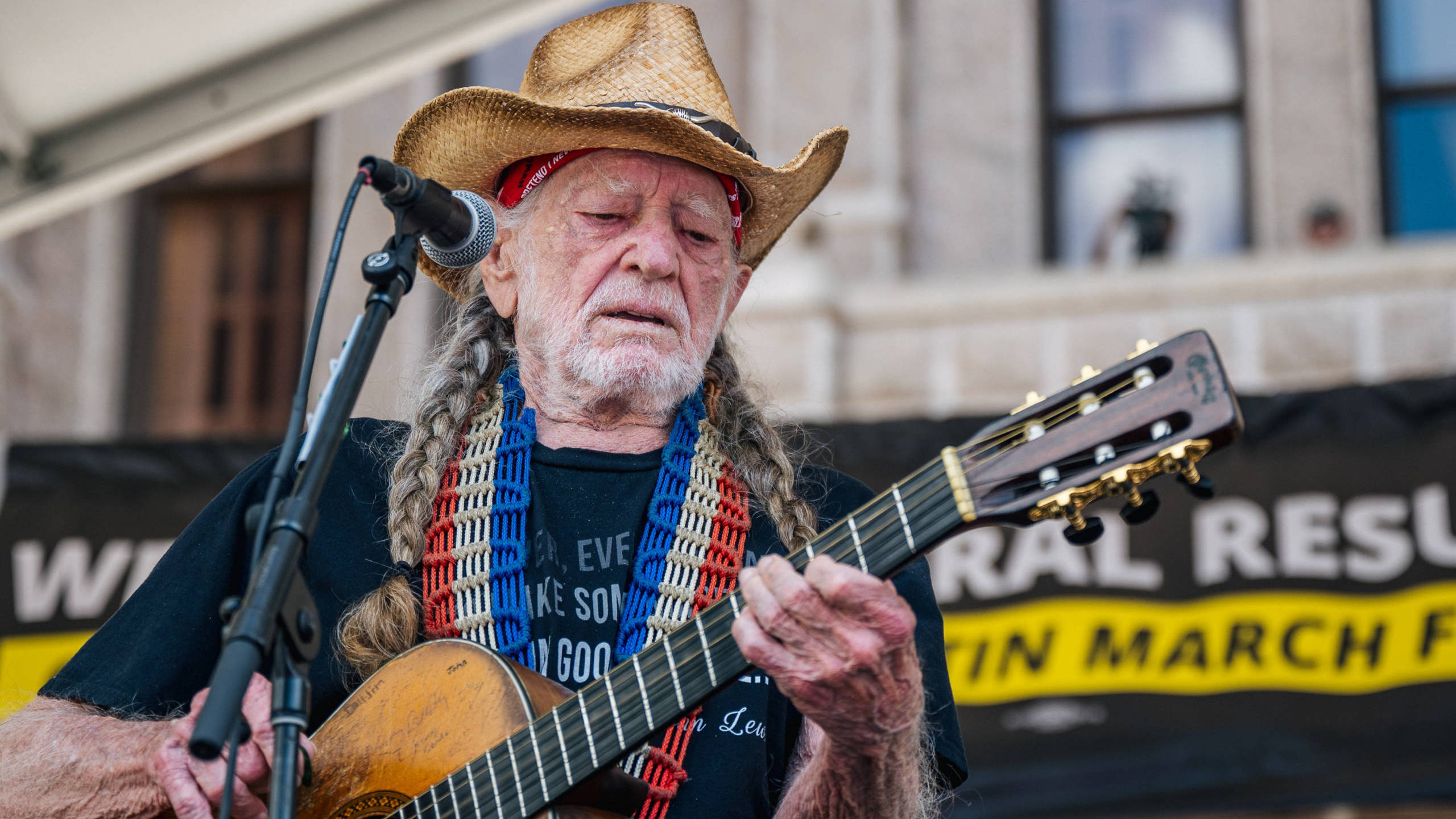
| Iconic Style | "Trigger" (Martin N-20) | Symbolic of DIY/Individualism |
This comparison highlights how Nelson maintains relevance. While his peers may have focused strictly on entertainment, Nelson’s brand is tied to a specific perception of American liberty—the freedom to pivot, to evolve, and to challenge status quo expectations.
Common Questions Regarding Willie Nelson’s Heritage
Many fans and historians often ask how a career so deeply embedded in a specific nation maintains such broad appeal. Addressing these inquiries clarifies the distinction between regional heritage and national identity.
How does Willie Nelson’s Texas upbringing define his American identity? His upbringing in Texas provided a specific framework for his storytelling. Texas, with its frontier history and diverse cultural influences, serves as a microcosm of the American experience. Nelson’s work consistently explores these themes, allowing listeners from all fifty states to identify with his narrative of the American landscape.
Why is he considered an "Outlaw" in the American context? The label refers to his rebellion against the rigid Nashville record industry in the 1970s. In American culture, the "outlaw" archetype is revered—it represents the individual who challenges centralized authority to pursue their own version of integrity. Nelson embodied this spirit by taking creative control, which has become a blueprint for modern independent artists.
Is Willie Nelson’s advocacy considered political? While often labeled as such, his advocacy is better described as civic engagement. His work with Farm Aid addresses structural economic issues in the United States, positioning him as a representative of small-business interests and environmental stewardship rather than partisan party politics.
Does his musical style limit his American appeal? On the contrary, his willingness to experiment with genres like jazz and pop-standards has expanded his appeal across diverse demographics. By refusing to stay within the confines of "country music," he bridged the gap between different American cultural bubbles, making his identity as an American artist more inclusive.
The Permanence of the American Icon
As of 2026, Willie Nelson remains a vital, working artist. His presence in the American landscape is characterized by a consistency that is increasingly rare. In a fast-paced digital era, his continued reliance on traditional songwriting and live performance keeps a specific lineage of American artistic craftsmanship alive.
The unmistakable nature of his American identity is not accidental; it is the result of a deliberate, lifelong engagement with the country's geography, its political challenges, and its diverse musical traditions. He has served as a bridge between the traditionalists of the past and the modern innovators of the future. Whether touring the United States, supporting the American farmer, or simply performing with his guitar, "Trigger," he serves as a living embodiment of the American story.
For those seeking to explore the depth of his contribution, the most effective approach is to view his discography not as isolated albums, but as an ongoing narrative of the American experience. By examining his advocacy work alongside his musical output, one gains a comprehensive view of an artist who chose to engage with his country on his own terms—an approach that remains the quintessential American aspiration.
Image Gallery