The Sacramento Kings Stadium Debate: History, Public Financing, and Urban Impact
The debate surrounding the Sacramento Kings stadium centers on the long-term economic, legal, and social trade-offs of using public funds to construct major sports venues. Anchored by the creation of Golden 1 Center in Downtown Sacrame...
The debate surrounding the Sacramento Kings stadium centers on the long-term economic, legal, and social trade-offs of using public funds to construct major sports venues. Anchored by the creation of Golden 1 Center in Downtown Sacramento, this ongoing discussion examines whether municipal subsidies deliver genuine urban revitalization or place disproportionate financial risk on local taxpayers.
Contents
The Evolution of the Sacramento Kings Arena Controversy
The conflict over the home of the Sacramento Kings spans several decades, representing one of the most complex sagas in modern professional sports governance. The franchise originally played in the suburban district of Natomas at ARCO Arena (later renamed Sleep Train Arena), which opened in 1988. By the mid-2000s, the facility was widely considered outdated by National Basketball Association (NBA) standards, lacking modern premium seating, concessions infrastructure, and revenue-generating amenities.
| Year | Event |
|---|---|
| 1988 | ARCO Arena opens in Natomas |
| 2006 | Measure Q/R sales tax proposals for new arena fail |
| 2011-2013 | Relocation threats to Anaheim, Virginia Beach, & Seattle |
| 2013 | Vivek Ranadivé group buys Kings; downtown site selected |
| 2014 | Sacramento City Council approves $255M public financing deal |
| 2016 | Golden 1 Center opens in Downtown Commons (DoCo) |
| 2026+ | Ongoing debate on public debt, parking yields, & urban return |
As early proposals to replace the Natomas venue failed—including ballot initiatives in 2006 (Measures Q and R) that sought a quarter-cent sales tax increase—frustration grew between civic leaders and the team's former majority owners, the Maloof family. The impasse triggered years of relocation threats, during which the team engaged in serious negotiations to move to Anaheim, Virginia Beach, and ultimately Seattle.
The Seattle proposal in early 2013 came remarkably close to execution, with an investor group led by Chris Hansen offering to purchase the franchise and relocate it to the Pacific Northwest. In response, a coalition of local business leaders, grass-roots fan groups, and municipal officials led by former Mayor Kevin Johnson launched a aggressive counter-campaign. They assembled a new local ownership group headed by tech entrepreneur Vivek Ranadivé, secured NBA Board of Governors approval to keep the team in Northern California, and committed to constructing a modern downtown facility.
The Financial Structure: Public Subsidies vs. Private Capital
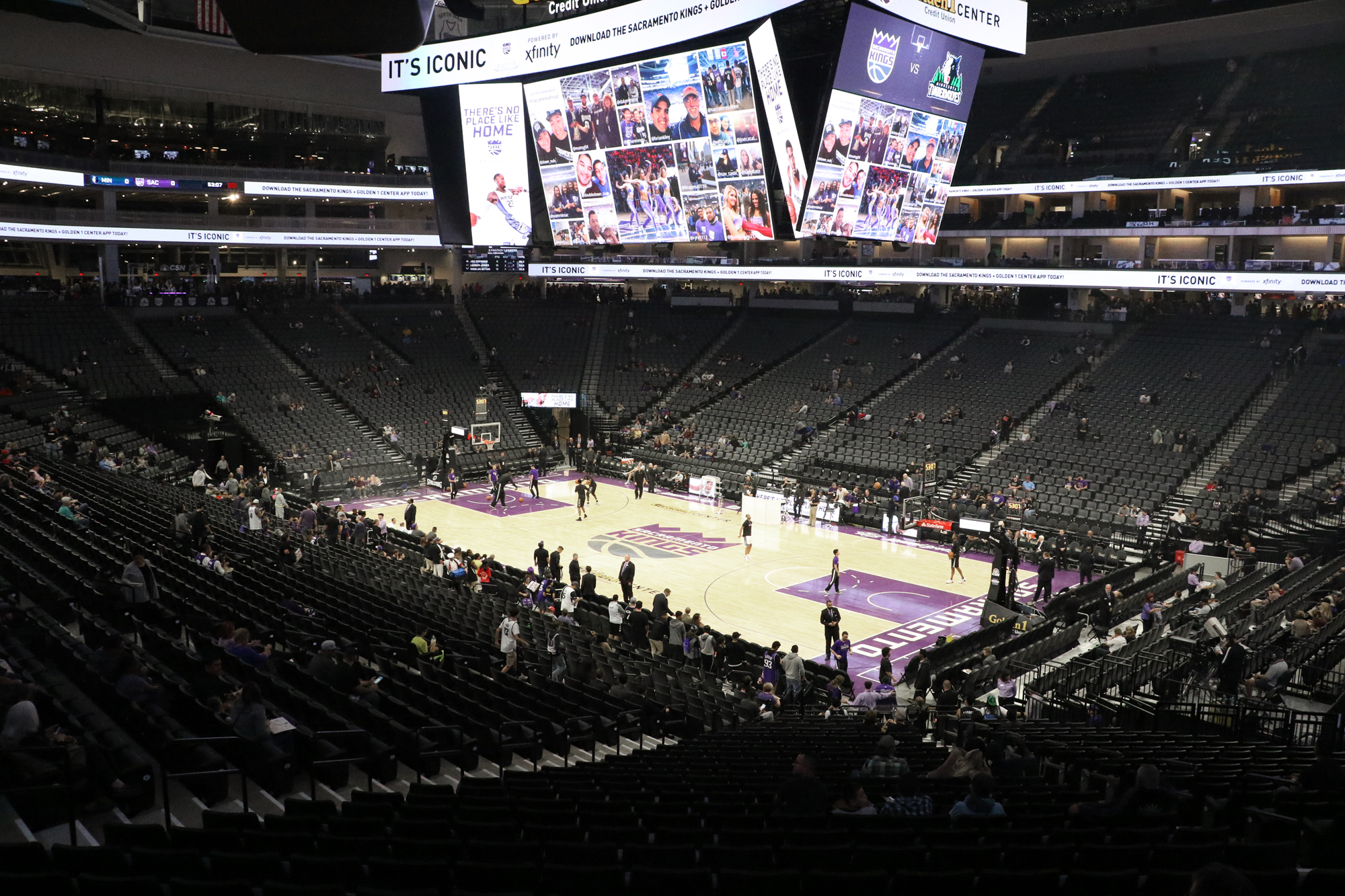
At the core of the debate was the financial architecture of the new venue, named Golden 1 Center, which opened its doors in October 2016. The total cost of the arena complex reached approximately $558 million, structured as a public-private partnership between the City of Sacramento and Sacramento Soccer & Entertainment / Sacramento Kings ownership.
Total Project Cost: ~$558 Million
- Private Investment (Kings Ownership): ~$303 Million (54%)
- Public Subsidy (City of Sacramento): ~$255 Million (46%)
The public share of the financing amounted to $255 million, which the city financed primarily through the issuance of municipal lease-revenue bonds. To service the annual debt on these bonds without drawing directly from the general fund, the city relied on a dedicated monetization scheme:
- Downtown Parking Revenues: Pledging net income generated from municipal parking garages, street meters, and updated enforcement rates.
- Arena Lease Payments: Annual rent payments paid by the Kings ownership team to lease the city-owned facility.
- Hotel Transient Occupancy Taxes: Supplementary tax revenues tied to regional lodging and tourism growth.
Critics of the financing package argued that relying heavily on future parking revenues represented a significant fiscal gamble. If changing transportation habits, remote work trends, or economic downturns suppressed downtown parking demand, the municipal general fund would remain legally obligated to cover any shortfall in bond service payments.
Conversely, supporters emphasized that the private ownership group contributed over $303 million directly toward arena construction while committing tens of millions more toward surrounding commercial development in Downtown Commons (DoCo), including a multi-story hotel, retail space, and residential units.
Legal Battles, Public Petitions, and Procedural Hurdles
The process of approving and building Golden 1 Center was marked by intense legal and procedural challenges that fueled public controversy:
The Citizens Right to Vote Campaign
A prominent citizen group, Sacramento Taxpayers Opposed to Pork (STOP), gathered signatures in an effort to force a public referendum on the municipal subsidy package. STOP argued that large-scale public expenditures on sports venues should require voter authorization. However, city officials and arena proponents challenged the validity of the petitions, pointing to statutory rules regarding administrative versus legislative municipal actions. Ultimately, county election officials verified that the petition fell short of the required valid signatures, allowing the City Council to proceed without placing the measure on the municipal ballot.
Environmental and Land Use Litigation
Opponents also filed lawsuits under the California Environmental Quality Act (CEQA), challenging the adequacy of the environmental impact report (EIR) for the downtown site—the former Downtown Plaza shopping mall. Petitioners cited concerns over increased traffic congestion, urban noise, air quality impacts, and the displacement of existing retail tenants. To accelerate development, the California State Legislature passed special legislation (Assembly Bill 900 and later Senate Bill 743) aimed at streamlining CEQA judicial review for major urban infill and sports projects that met strict environmental and transit standards.
Property Acquisition and Eminent Domain Concerns
Assembling the land parcel in the downtown core required purchasing the declining Downtown Plaza mall. While the majority of the acquisition occurred through negotiated private transactions, the potential use of municipal eminent domain powers to acquire stubborn commercial leaseholds drew sharp criticism from property rights advocates and small business owners.
Economic Impact: Projections vs. Observed Realities
The ongoing stadium debate in Sacramento reflects broader macroeconomic research regarding the public funding of professional sports venues. Economists routinely divide the debate into two distinct perspectives: total economic return and localized urban revitalization.
Economic Debate Perspectives
- Proponent Viewpoint
- Catalyst for downtown density & infill
- Increased sales tax & hotel transient receipts
- National branding & civic identity retention
- Critic Viewpoint
- Substitution effect limits net new growth
- Municipal parking bond repayment risks
- High opportunity cost of public funds
The Proponent Viewpoint: Urban Revitalization and Infill
Advocates maintain that Golden 1 Center served as an essential catalyst for revitalizing Sacramento’s central business district. Prior to construction, the western edge of K Street was suffering from high retail vacancy rates and declining foot traffic.
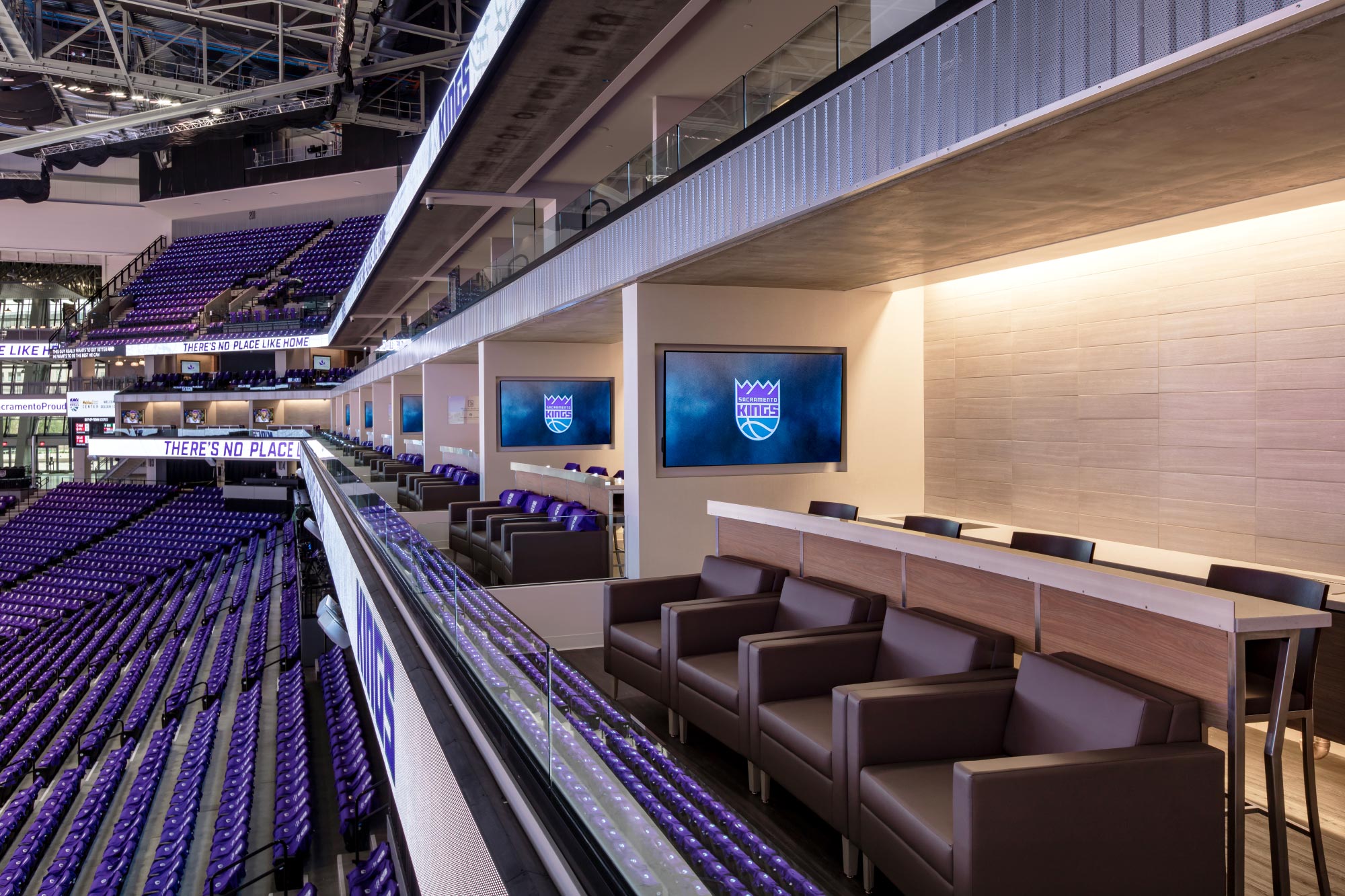
Since the venue's opening, the surrounding Downtown Commons (DoCo) district has attracted hundreds of millions of dollars in private secondary investment, including the Kimpton Sawyer Hotel, modern office spaces, and high-density residential developments. Furthermore, proponents highlight that the venue operates as a LEED Gold-certified, multi-use entertainment hub hosting dozens of concerts, conventions, and civic events annually alongside NBA games, generating persistent foot traffic for nearby restaurants and retailers.
The Critic Viewpoint: Substitution Effect and Opportunity Costs
Independent sports economists often argue that arena subsidies rarely deliver the advertised net-new economic growth. Central to this critique is the substitution effect: consumer spending at arena concessions, downtown bars, and team merchandise stores largely replaces spending that residents would have otherwise directed toward other local entertainment options, such as regional theaters, neighborhood restaurants, or suburban bowling alleys.
Additionally, fiscal analysts point to the opportunity cost of dedicating $255 million in public borrowing capacity to sports infrastructure rather than direct investments in public transit, affordable housing, road repairs, or essential municipal services.
Comparing Municipal Arena Financing Deals
To understand how Sacramento's stadium debate fits into the broader national context, it is helpful to compare the public financing structure of Golden 1 Center with other contemporary NBA venue projects:
| Venue Name | Location | Opening Year | Total Cost (Approx.) | Public Contribution | Primary Public Funding Mechanism |
|---|---|---|---|---|---|
| Golden 1 Center | Sacramento, CA | 2016 | $558 Million | ~$255 Million (46%) | Municipal parking revenue bonds, lease payments, hotel taxes |
| Chase Center | San Francisco, CA | 2019 | $1.4 Billion | $0 (0%) | 100% Privately funded by team ownership |
| Fiserv Forum | Milwaukee, WI | 2018 | $524 Million | ~$250 Million (48%) | County sales taxes, state tax allocations, local district bonds |
| Footprint Center (Renovation) | Phoenix, AZ | 2021 | $245 Million | ~$150 Million (61%) | Municipal sports and tourism tax funds, hotel/car rental taxes |
| ClimatePledge Arena (Renovation) | Seattle, WA | 2021 | $1.15 Billion | $0 (0%) | 100% Privately funded redevelopment by Oak View Group |
Ongoing Governance and Policy Lessons for Municipalities
The legacy of the Sacramento Kings arena debate provides critical framework lessons for urban planners, municipal finance directors, and civic activists evaluating future sports facility proposals:
- Revenue Risk Allocation: When public bonds rely on specific municipal revenue streams (such as parking fees or hotel occupancy taxes), contracts must clearly delineate who covers shortfalls during economic downturns or structural shifts in urban commuter patterns.
- Contractual Guarantees and Non-Relocation Agreements: The Sacramento agreement included a strict 35-year non-relocation covenant, ensuring that the franchise remains tethered to the municipality for the duration of the debt service period.
- Master Plan Integration: Rather than placing the stadium in an isolated parking sea, Sacramento integrated the venue into a comprehensive downtown master plan (DoCo), maximizing pedestrian access and transit utilization via nearby Regional Transit Light Rail connections.
- Transparency and Public Participation: Overcoming civic opposition requires transparent accounting of projected debt service, clear boundaries regarding general fund exposure, and accessible public hearings before municipal binding votes occur.
Frequently Asked Questions
Why did the Sacramento Kings need a new arena?
The team's former venue, Sleep Train Arena (originally ARCO Arena) in Natomas, was built in 1988 and lacked modern physical infrastructure, corporate suites, updated media facilities, and concessions capabilities required by the NBA. Its suburban location and limited revenue potential made it financially obsolete compared to newer sports venues across the league.
How much public money was used to build Golden 1 Center?
The City of Sacramento contributed $255 million toward the total $558 million construction cost of Golden 1 Center. The remaining balance (approximately $303 million) was paid directly by the Sacramento Kings ownership group led by Vivek Ranadivé.
How does the City of Sacramento pay back the arena bonds?
The city issued municipal lease-revenue bonds to cover its upfront $255 million contribution. The principal and interest payments on these bonds are serviced primarily through dedicated downtown parking revenues (garages, street meters, and enforcement fees), annual lease payments from the Kings franchise, and regional hotel transient occupancy taxes.
Did Sacramento residents get to vote on the stadium funding?
No. While an advocacy group named Sacramento Taxpayers Opposed to Pork (STOP) gathered signatures to try to force a public referendum, county election officials verified that the petition lacked sufficient valid signatures under state guidelines. As a result, the subsidy deal was finalized through a formal approval vote by the Sacramento City Council.
What happened to the old Sleep Train Arena site in Natomas?
Following the opening of Golden 1 Center in 2016, Sleep Train Arena sat vacant for several years. The site was subsequently demolished, and the parcel was transferred to California Northstate University to support the development of a modern medical school and teaching hospital campus.
Summary and Key Considerations
The debate surrounding the Sacramento Kings stadium illustrates the delicate balance between retaining major-league sports franchises and protecting public fiscal health. While Golden 1 Center successfully anchored the physical redevelopment of Downtown Commons and prevented the team from relocating to Seattle, it locked municipal parking revenues into long-term debt service obligations.
For civic leaders and taxpayers evaluating urban arena projects, key evaluation steps include:
- Conducting independent economic audits that discount localized spending substitution.
- Ensuring strong contractual non-relocation agreements tied to municipal bond maturation schedules.
- Establishing clear liability boundaries to insulate the municipal general fund from unexpected revenue shortfalls.
Image Gallery