Liver Problems in Young Adults Explained: Causes, Symptoms, and Modern Management
Liver problems in young adults are primarily driven by Metabolic Dysfunction-Associated Steatotic Liver Disease (MASLD) and a sharp rise in alcohol-associated liver disease. Early-stage symptoms are often subtle, such as chronic fatigu...
Liver problems in young adults are primarily driven by Metabolic Dysfunction-Associated Steatotic Liver Disease (MASLD) and a sharp rise in alcohol-associated liver disease. Early-stage symptoms are often subtle, such as chronic fatigue or mild abdominal discomfort, making routine screening essential. When identified early, many liver conditions in this age group are highly reversible through targeted lifestyle interventions and medical management.
Contents
Historically, chronic liver disease was considered a condition affecting middle-aged or older populations. However, as of 2026, epidemiological data reveals a significant shift, with a rising incidence of liver dysfunction among adults aged 18 to 40. This demographic shift is largely attributed to changes in dietary patterns, sedentary lifestyles, and evolving patterns of alcohol consumption. Understanding the nuances of liver health is critical for this age group, as the liver possesses a remarkable capacity for regeneration, provided that damage is caught before it progresses to irreversible scarring, known as cirrhosis.
The Rising Prevalence of MASLD in Younger Populations
The most common liver issue currently facing young adults is Metabolic Dysfunction-Associated Steatotic Liver Disease (MASLD), a condition previously referred to as Non-Alcoholic Fatty Liver Disease (NAFLD). The nomenclature was updated in late 2023 to more accurately reflect the metabolic drivers of the disease and to remove the stigmatizing language associated with "fatty" and "alcoholic" descriptions.
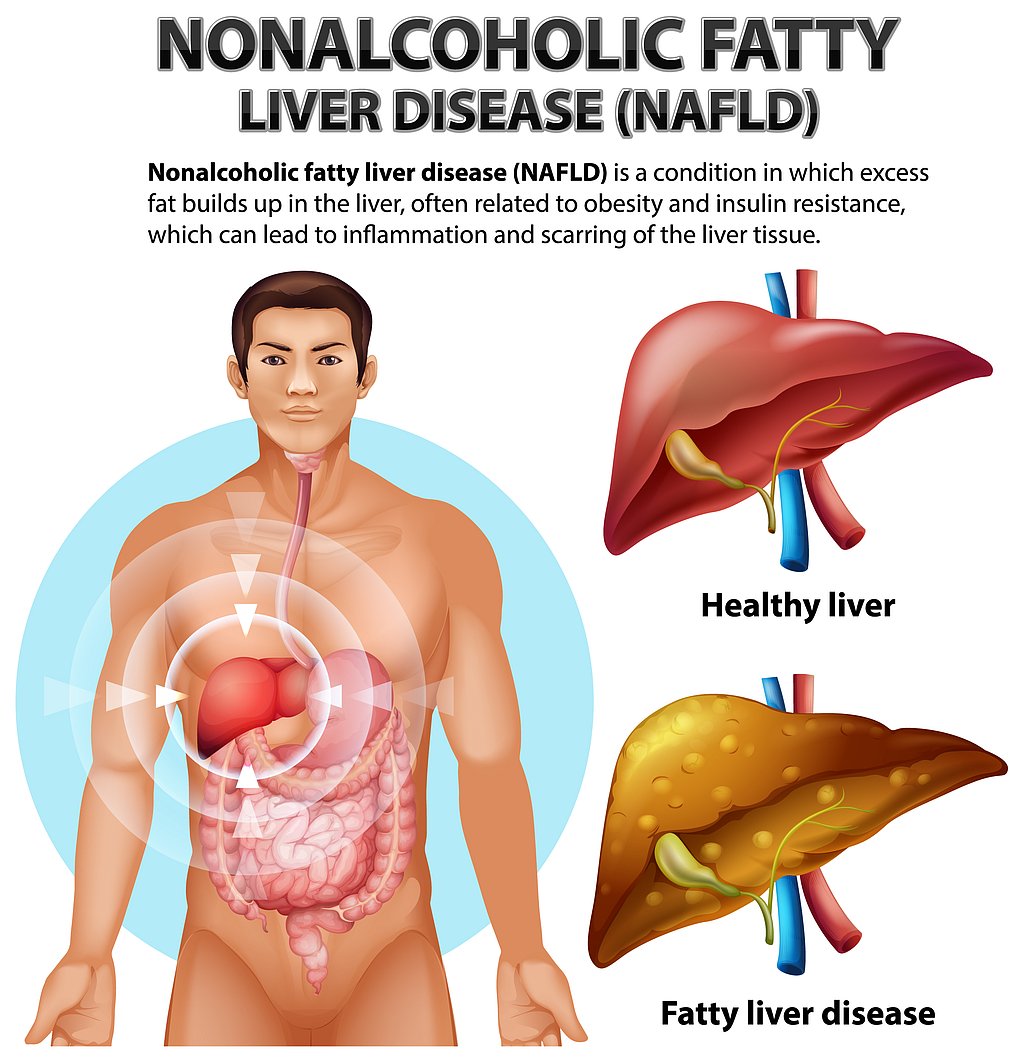
MASLD occurs when the body begins to store excess fat in the liver cells (hepatocytes) despite little to no alcohol consumption. In young adults, this is frequently linked to insulin resistance, obesity, and high intake of ultra-processed foods rich in high-fructose corn syrup. When the liver becomes overloaded with fat, it can trigger an inflammatory response known as MASH (Metabolic Dysfunction-Associated Steatohepatitis). This inflammation is the dangerous phase where the liver begins to develop fibrous tissue or scarring.
A concerning subset of this condition is "Lean MASLD," where individuals with a healthy Body Mass Index (BMI) still develop liver fat. This is often due to genetic predispositions or "TOFI" (Thin Outside, Fat Inside) body compositions, where visceral fat accumulates around internal organs rather than under the skin.
Alcohol-Associated Liver Disease (ALD) Trends
While MASLD is the leading cause of liver dysfunction, Alcohol-Associated Liver Disease (ALD) has seen a dramatic spike among young adults over the last decade. Recent clinical observations in 2026 indicate that younger generations, particularly women in their 20s and 30s, are presenting with advanced ALD at higher rates than previous cohorts.
The progression of ALD typically follows three stages:
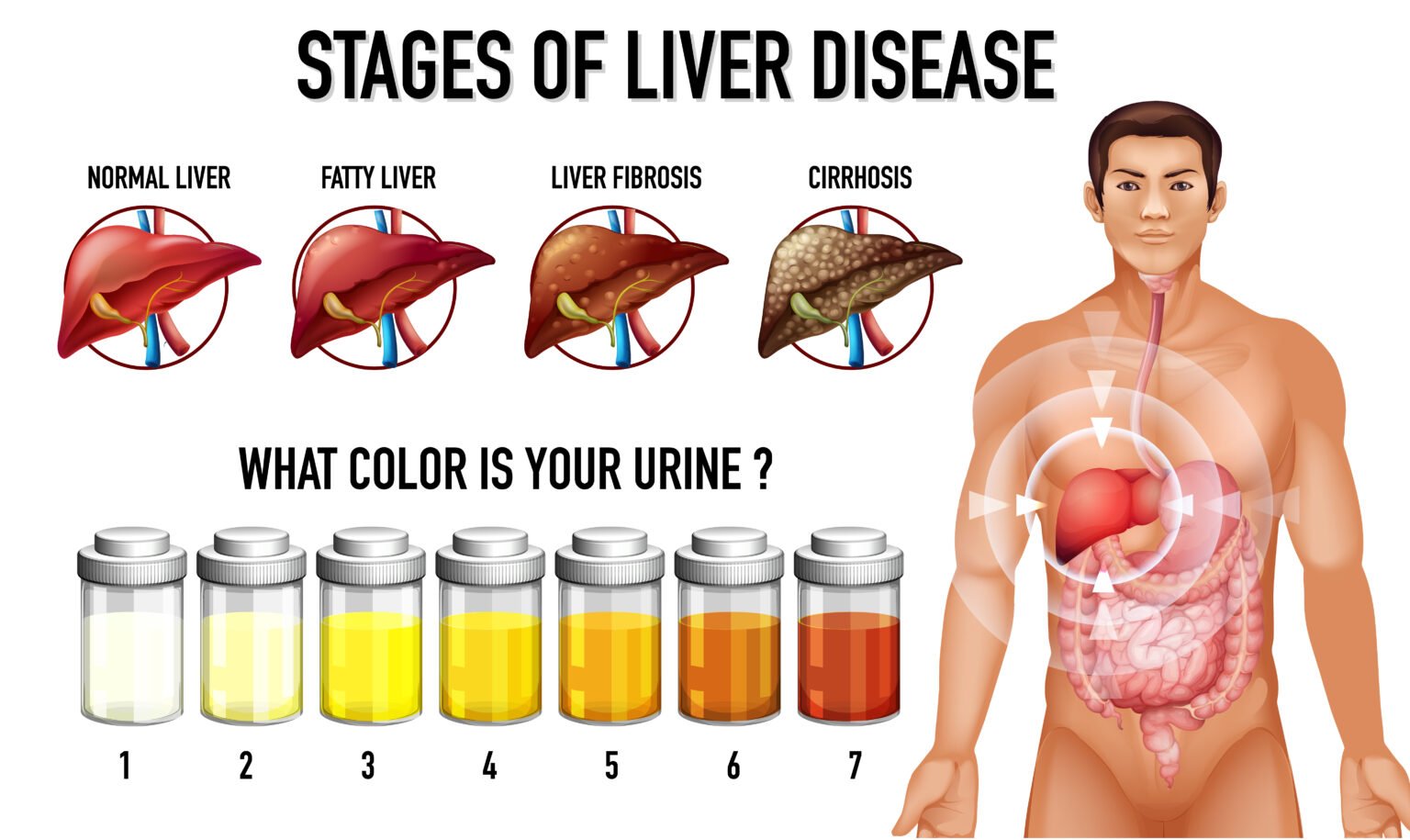
- Steatosis: The accumulation of fat due to heavy drinking, which is usually reversible with abstinence.
- Alcoholic Hepatitis: An acute inflammation of the liver that can lead to jaundice, liver failure, and even death if not treated immediately.
- Cirrhosis: The final stage where healthy liver tissue is replaced by permanent scar tissue.
The "binge drinking" culture and the use of alcohol as a primary coping mechanism for stress have been identified as major contributors to this trend. Unlike older adults who may take decades to develop cirrhosis, some young adults are showing signs of severe liver damage after only a few years of heavy intake.
Autoimmune and Genetic Liver Conditions
Not all liver problems in young adults are related to lifestyle. Several genetic and autoimmune conditions often manifest in early adulthood, requiring specific medical interventions.
- Autoimmune Hepatitis (AIH): This occurs when the body’s immune system mistakenly attacks liver cells. It is more common in young women and can lead to rapid fibrosis if not managed with immunosuppressants.
- Wilson’s Disease: A rare genetic disorder that causes copper to accumulate in the liver, brain, and other vital organs. It often presents in late adolescence or early adulthood with neurological or hepatic symptoms.
- Alpha-1 Antitrypsin Deficiency: A genetic condition that can cause both lung and liver disease. In the liver, it results from the buildup of abnormal proteins that the liver cannot release.
- Primary Sclerosing Cholangitis (PSC): A disease of the bile ducts that is frequently associated with inflammatory bowel disease (IBD), which often peaks in young adulthood.
Identifying Symptoms: The "Silent" Nature of Liver Disease
One of the primary challenges in diagnosing liver problems in young adults is that the liver has no pain receptors. Consequently, inflammation and early-stage damage are often painless. Many young people dismiss the early warning signs as mere stress or overwork.
Common early indicators include:
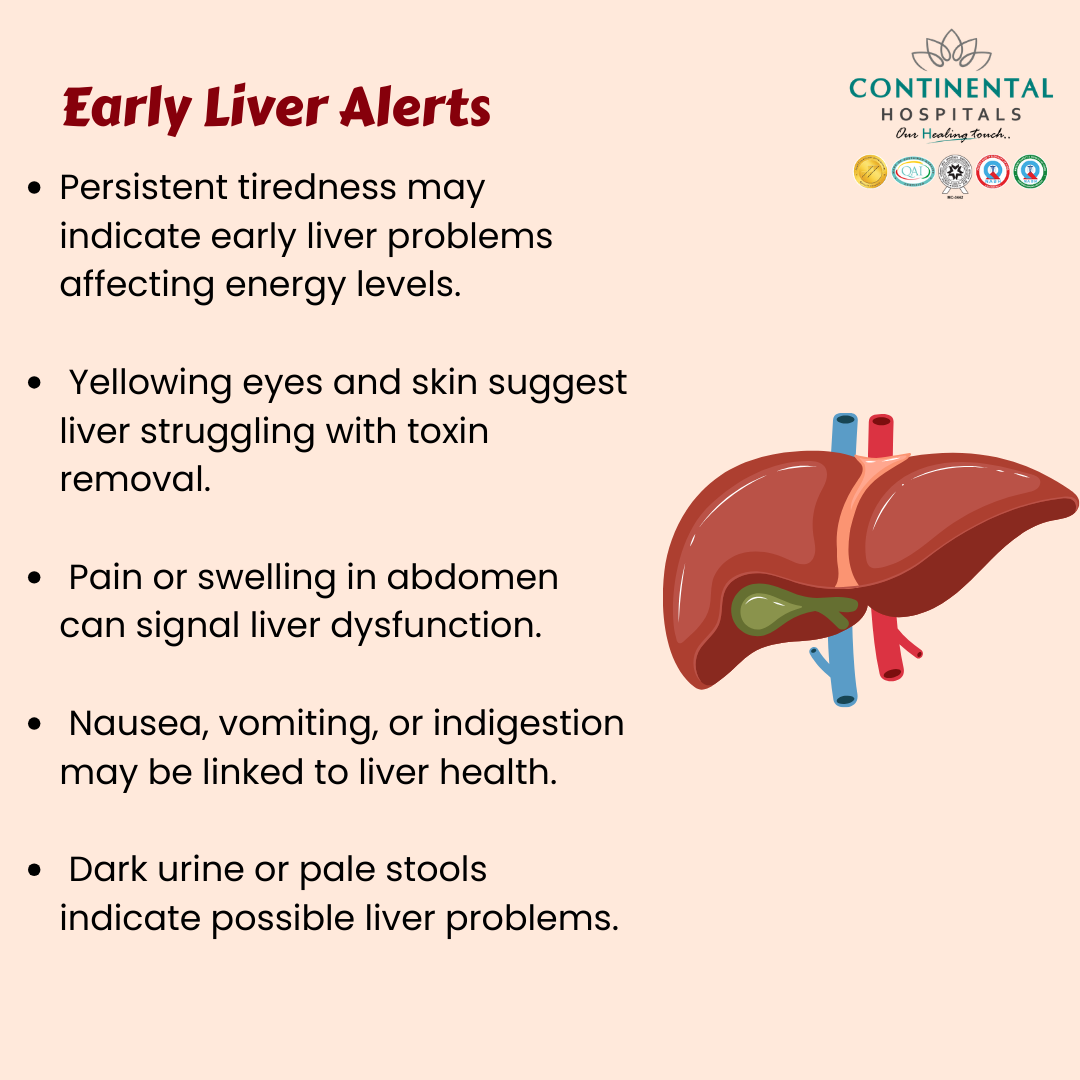
- Chronic Fatigue: A persistent, overwhelming exhaustion that does not improve with rest.
- Brain Fog: Difficulty concentrating or cognitive "haziness" caused by the liver's inability to efficiently filter toxins from the bloodstream.
- Digestive Issues: Nausea, loss of appetite, or a dull ache in the upper right quadrant of the abdomen (where the liver is located).
As the condition progresses to more advanced stages, "red flag" symptoms appear:
- Jaundice: A yellowing of the skin or the whites of the eyes, caused by high levels of bilirubin.
- Dark Urine and Pale Stools: Changes in the color of bodily waste indicate bile flow obstruction or liver processing issues.
- Edema and Ascites: Swelling in the legs (edema) or the abdomen (ascites) due to fluid retention and low protein production by the liver.
Modern Diagnostic Pathways and Tools
In 2026, the reliance on invasive liver biopsies has decreased significantly in favor of non-invasive technologies. If a young adult presents with elevated liver enzymes—specifically ALT (Alanine Aminotransferase) and AST (Aspartate Aminotransferase)—physicians typically follow a specific diagnostic ladder.
- Blood Panels: Beyond ALT/AST, doctors look at albumin levels, bilirubin, and the International Normalized Ratio (INR) to assess how well the liver is functioning.
- Transient Elastography (FibroScan): This is a specialized ultrasound-like technology that measures the stiffness of the liver. The stiffer the liver, the more scarring (fibrosis) is present. It is a quick, painless procedure that has become the gold standard for monitoring MASLD.
- Advanced Imaging: MRI-PDFF (Proton Density Fat Fraction) is used in some specialized centers to provide a highly accurate percentage of fat content within the liver.
- Genetic Testing: If lifestyle factors do not explain the liver dysfunction, panels for Wilson’s Disease or Alpha-1 Antitrypsin are ordered.
Comparison of Common Liver Conditions in Young Adults
| Condition | Primary Cause | Key Diagnostic Marker | Reversibility |
|---|---|---|---|
| MASLD | Metabolic dysfunction, diet | High ALT, FibroScan (Fat) | High (with weight loss) |
| ALD | Excessive alcohol intake | Elevated GGT & AST | High (with abstinence) |
| Hepatitis B/C | Viral infection | Viral Load/Antibodies | Manageable/Curable (C) |
| Autoimmune | Immune system error | Auto-antibodies (ANA/SMA) | Requires long-term meds |
| Wilson's | Genetic copper buildup | Low Ceruloplasmin | Requires copper chelation |
Management and Lifestyle Interventions
For the majority of young adults suffering from MASLD or early-stage ALD, the treatment is not a pill but a comprehensive lifestyle overhaul. The liver is the only organ capable of complete regeneration, but it requires the removal of the insulting agent.
Nutrition and the Gut-Liver Axis
Reducing the intake of Ultra-Processed Foods (UPFs) is paramount. Fructose, in particular, is processed exclusively by the liver. When consumed in high amounts through sodas and sweets, it promotes de novo lipogenesis (the creation of new fat). Emphasizing a Mediterranean-style diet—rich in complex carbohydrates, healthy fats, and lean proteins—has been shown to reduce liver fat within weeks.
Physical Activity
Exercise improves insulin sensitivity, which helps the liver process fats more effectively. Both aerobic exercise (cardio) and resistance training (weights) are beneficial. In 2026, clinical guidelines suggest a minimum of 150 minutes of moderate-intensity activity per week to combat hepatic steatosis.
Medication and Supplements
While there is no single "cure" for fatty liver, certain medications like GLP-1 receptor agonists (originally for diabetes and weight loss) are increasingly used in 2026 to help young adults manage the metabolic drivers of MASLD. It is crucial to avoid "liver detox" supplements, many of which contain unverified ingredients that can actually cause drug-induced liver injury (DILI).
Frequently Asked Questions
Can liver damage be reversed in young adults?
Yes, in many cases. If the damage is caught in the stages of steatosis (fatty buildup) or mild fibrosis, the liver can often repair itself completely if the underlying cause—such as alcohol consumption or poor diet—is removed. Once the liver reaches the stage of decompensated cirrhosis, reversal becomes much more difficult, though the condition can still be managed.
Is fatty liver common in people who aren't overweight?
Yes, this is known as "Lean MASLD." It affects individuals who may have a normal BMI but have high levels of visceral fat or genetic predispositions. In some ethnic groups, the risk of Lean MASLD is significantly higher even at lower body weights.
How much alcohol is "safe" for a young adult's liver?
While standard guidelines often suggest one drink per day for women and two for men, those with existing liver inflammation or a family history of liver disease may need to practice total abstinence. For many, even "moderate" drinking can exacerbate underlying metabolic liver issues.
Does vaping or smoking affect the liver?
While primarily known for lung and heart damage, smoking and vaping introduce oxidative stress to the body. This oxidative stress can worsen the inflammation in the liver (MASH) and accelerate the progression of fibrosis.
What are the first signs I should look for?
The most common early signs are non-specific, including unexplained fatigue, persistent digestive discomfort, and a feeling of "heaviness" in the upper right abdomen. If you have these symptoms alongside risk factors like a high-sugar diet or regular alcohol use, a simple blood test for liver enzymes is the best next step.
Recommendation for Next Actions
If you are a young adult concerned about liver health, the first step is to request a comprehensive metabolic panel and a liver function test (LFT) during your next physical examination. Do not wait for symptoms like jaundice to appear, as these indicate advanced damage. Focus on reducing "liquid calories" (alcohol and sugary drinks) and increasing daily movement. For those with a family history of liver disease or persistent fatigue, a referral to a hepatologist for a non-invasive FibroScan can provide definitive clarity on your liver’s current state of health.
Image Gallery