Why All Benedict Cumberbatch Performances Matter: An Analytical Review
Every Benedict Cumberbatch performance matters because they collectively redefine the boundary between intellectual detachment and profound emotional vulnerability. By masterfully blending classical theatrical techniques with cutting-e...
Every Benedict Cumberbatch performance matters because they collectively redefine the boundary between intellectual detachment and profound emotional vulnerability. By masterfully blending classical theatrical techniques with cutting-edge motion capture and nuanced character studies, he has shifted the paradigm of the modern leading man from a purely physical presence to a cerebral and empathetic force.
Contents
The Evolution of the Intellectual Archetype
To understand why Benedict Cumberbatch’s body of work is significant as of 2026, one must first look at how he revolutionized the "genius" trope in the early 21st century. Before his breakout, the intellectual lead was often portrayed as either a secondary sidekick or a dry, unrelatable academic. Starting with his portrayal of Stephen Hawking in the 2004 BBC film Hawking, Cumberbatch demonstrated that high intelligence does not preclude deep physical and emotional struggle.
His global ascent was fueled by Sherlock (2010–2017), where he transformed Sherlock Holmes into a "high-functioning sociopath." This performance mattered because it updated a Victorian icon for a digital age, emphasizing the isolation that comes with a hyper-active mind. However, the true weight of his intellectual portrayals lies in The Imitation Game (2014). As Alan Turing, Cumberbatch didn't just play a mathematician; he portrayed the tragic intersection of a world-saving intellect and a society that persecuted the man behind it. These roles established a foundation where intelligence is treated as a burden and a gift, making the "mind" a visceral landscape for drama.
The Mastery of Physicality and Motion Capture
While many actors rely on their facial expressions and dialogue, Cumberbatch has consistently utilized his entire body as a tool for storytelling. This is most evident in his pioneering work in motion capture. In The Hobbit trilogy, his portrayal of the dragon Smaug was not merely a voice-over. He performed the movements on a mo-cap stage, articulating the serpentine grace and predatory stillness of the creature.
This commitment to physicality matters because it bridges the gap between traditional acting and digital artistry. His work as Shere Khan in Mowgli: Legend of the Jungle (2018) and his intricate hand choreography as Doctor Strange in the Marvel Cinematic Universe further demonstrate this. In the latter, the specific, ritualistic movements used to cast spells were developed with the help of dancers and finger-tutting experts. By 2026, this level of technical dedication has become a gold standard for actors working in high-budget VFX-heavy productions, proving that even in a world of CGI, the human element remains the soul of the character.
Deconstructing Masculinity through Vulnerability
As his career progressed into the 2020s, Cumberbatch’s performances began to tackle the complexities of toxic masculinity and suppressed trauma. The Power of the Dog (2021) stands as a landmark performance in this regard. As Phil Burbank, he presented a character who was outwardly cruel and hyper-masculine but internally fragile.
This performance is vital because it avoids the clichés of the "Western hero." Instead, Cumberbatch used silence and subtle gestures to convey a lifetime of repressed identity. His ability to inhabit characters who are fundamentally unlikable yet deeply pitiable—such as the titular lead in the miniseries Patrick Melrose—demonstrates a willingness to explore the darker, messier aspects of the human condition. For audiences and critics in 2026, these roles serve as a masterclass in how an actor can challenge societal norms without being overtly didactic.
The Technical Precision of a National Theatre Veteran
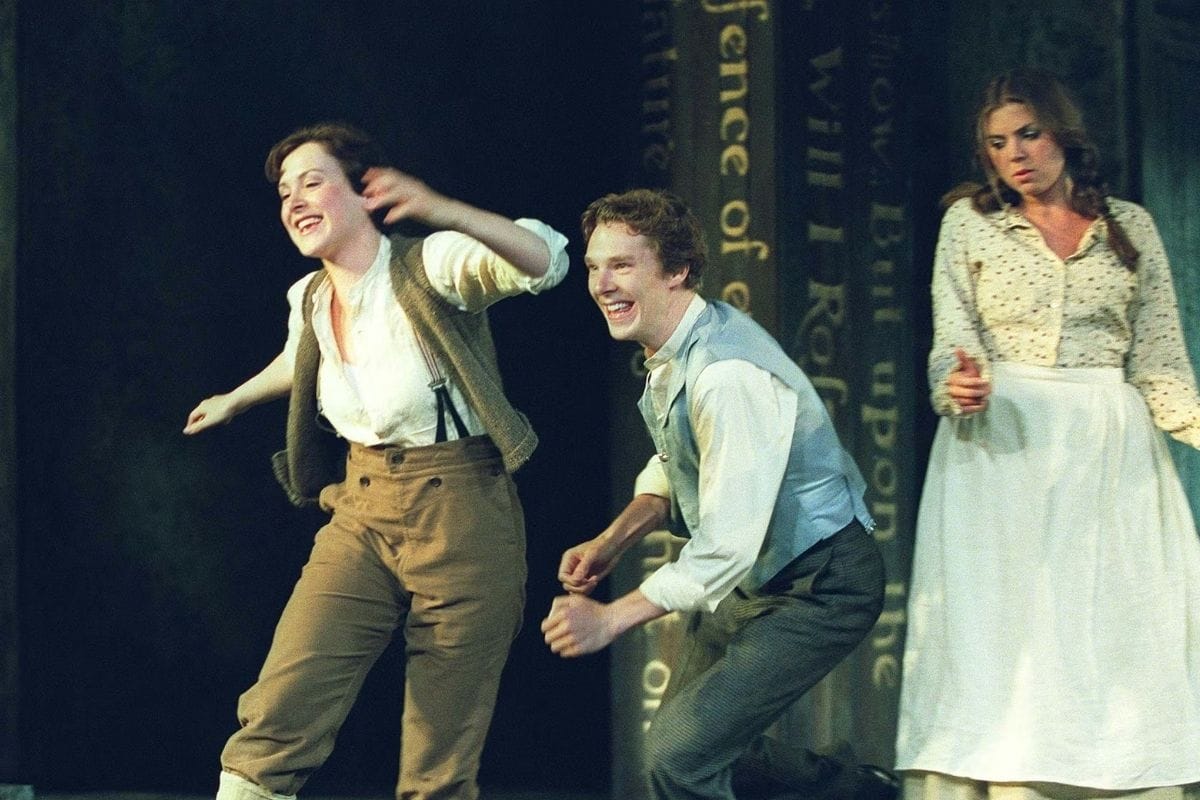
Benedict Cumberbatch’s importance is also rooted in his unwavering connection to the stage. His dual performance in the National Theatre’s Frankenstein (2011), directed by Danny Boyle, saw him and Jonny Lee Miller alternating the roles of Victor Frankenstein and the Creature. This exercise in theatrical versatility underscored his ability to adapt his entire persona to different perspectives within the same narrative.
His stage work, including his 2015 Hamlet, informs his screen acting through a distinct clarity of speech and a command of space. Theatre requires a sustained energy that many screen-exclusive actors struggle to replicate. By maintaining a foot in both worlds, Cumberbatch brings a "classical" discipline to modern cinema. This technical precision ensures that even in his most subtle roles, there is an underlying structure and intentionality that makes every line delivery feel essential.
The Significance of Supporting Roles in Narrative Integrity
A common mistake in evaluating a major star’s career is focusing only on their leading roles. However, Cumberbatch’s supporting work—often in "prestige" films—is where his versatility truly shines. In 12 Years a Slave (2013), he played William Ford, a plantation owner who is "kind" in the context of an evil system. It is a difficult, nuanced role that requires the actor to embody the complicity of the "decent" person in a horrific environment.
Similarly, his brief but impactful appearance in 1917 (2019) as Colonel Mackenzie provides the emotional and thematic climax of the film. These performances matter because they provide the structural integrity required for these stories to succeed. He does not "over-act" to steal the scene; rather, he services the narrative, demonstrating a humility and professionalism that many of his contemporaries lack.
A Comparative Analysis of Key Performance Eras
The following table categorizes the distinct phases of Cumberbatch's career, showing how his focus has shifted from intellectual archetypes to complex emotional studies.
| Era | Primary Theme | Key Performances | Significance to Craft |
|---|---|---|---|
| 2004–2010 | The Burgeoning Genius | Hawking, Van Gogh: Painted with Words | Established the "intellectual lead" as a viable dramatic archetype. |
| 2010–2016 | Global Iconography | Sherlock, The Imitation Game, The Hobbit | Mastered the balance between pop-culture appeal and prestige acting. |
| 2017–2022 | Deconstruction of Self | Patrick Melrose, The Power of the Dog | Explored trauma, addiction, and the subversion of masculinity. |
| 2023–2026 | Stylistic Precision | The Wonderful Story of Henry Sugar, The End We Start From | Focused on high-concept storytelling and ensemble-driven narratives. |
The "Cumberbatch Effect" on Modern Casting
By 2026, the industry has seen a shift in what defines a "leading man." No longer restricted to the muscle-bound archetypes of the 80s and 90s, the modern protagonist is often defined by internal conflict and intellectual agility. This shift is due in no small part to Cumberbatch's success. He proved that an actor with unconventional looks and a background in Shakespeare could lead a billion-dollar franchise (Doctor Strange) while simultaneously winning accolades for experimental indie films.
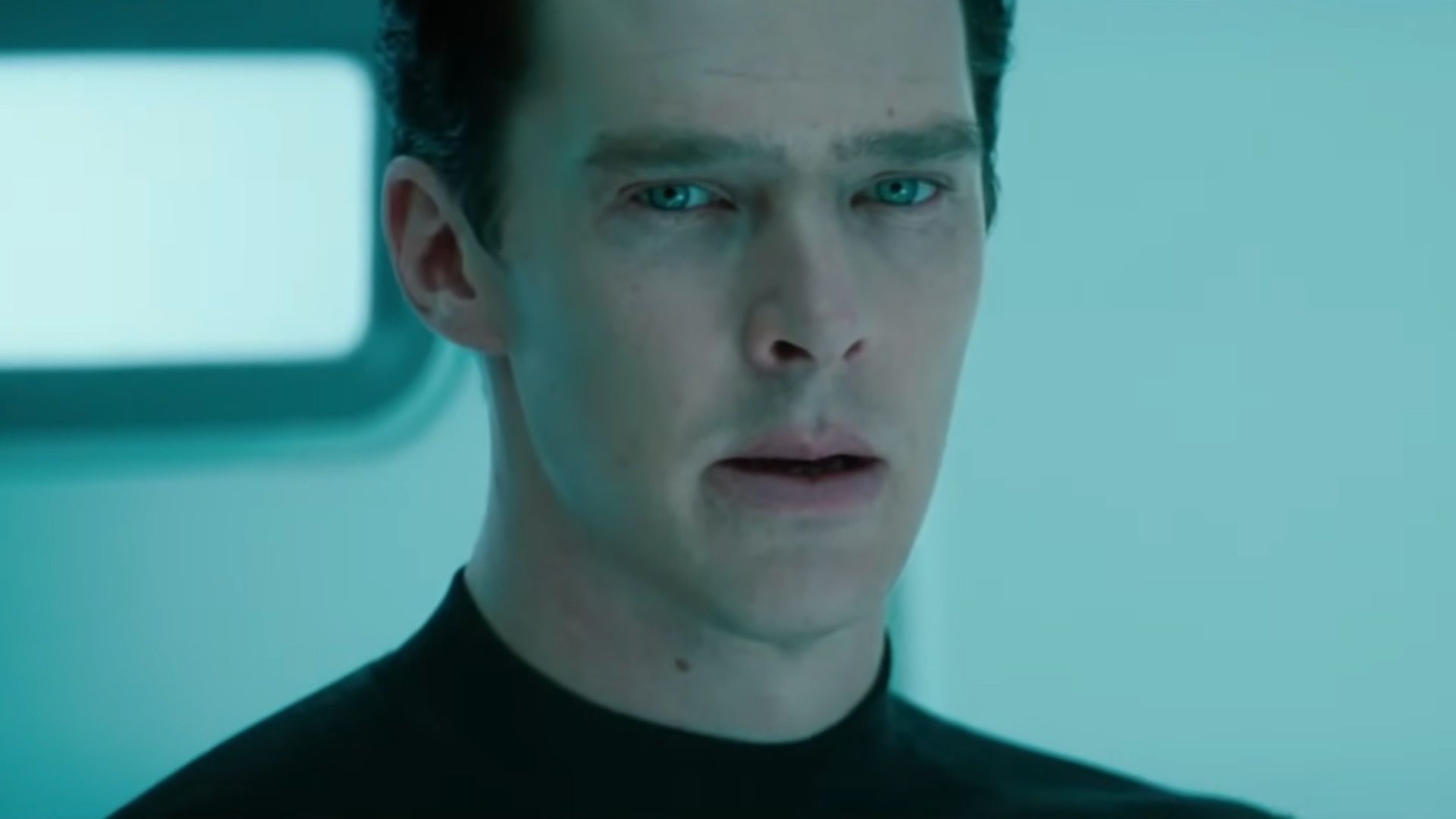
His choices have encouraged a generation of actors to prioritize "character" over "brand." Whether he is playing a villain (Khan in Star Trek Into Darkness), a historical figure (Thomas Edison in The Current War), or a stylized Wes Anderson character, there is a consistent thread of intellectual curiosity. This curiosity is infectious, challenging audiences to engage with the material on a deeper level than mere entertainment.
Frequently Asked Questions
What was Benedict Cumberbatch's breakout role?
While he had significant success with Hawking in 2004, his global breakout was undoubtedly the 2010 BBC series Sherlock. The show’s massive international popularity transformed him into a household name and defined his early career as an actor specialized in playing highly intelligent, socially distant characters.
How does his theatre background influence his film acting?
His training at the London Academy of Music and Dramatic Art (LAMDA) and his extensive work with the National Theatre provide him with a rigorous technical foundation. This is evident in his precise enunciation, vocal range, and "spatial awareness," which allows him to deliver compelling performances even when acting against green screens or in complex ensemble scenes.
Why is his work in motion capture considered pioneering?
Unlike many actors who only provide the voice for digital characters, Cumberbatch fully inhabits the role through motion capture. For Smaug, he studied animal movements and worked on the floor to mimic a dragon's crawl. This commitment proved that motion capture is a legitimate extension of acting, requiring just as much physical and emotional investment as live-action roles.
Has he won an Academy Award?
As of current records leading into 2026, Benedict Cumberbatch has received multiple nominations for the Academy Award for Best Actor, notably for The Imitation Game and The Power of the Dog. While he has won numerous other awards including an Emmy and a BAFTA, his "win" is often seen in the longevity and diversity of his filmography rather than just a single trophy.
Does he only play intellectual characters?
No. While he is famous for playing geniuses, roles in The Power of the Dog, Black Mass, and The Courier showcase his ability to play blue-collar characters, hardened criminals, and ordinary men caught in extraordinary circumstances. His career is a deliberate effort to avoid being typecast.
Practical Recommendation for Viewers
To truly appreciate why all Benedict Cumberbatch performances matter, viewers should engage with his work chronologically. Start with Hawking (2004) to see the raw talent, move to Sherlock for his iconic peak, and conclude with The Power of the Dog or The Wonderful Story of Henry Sugar (2023) to witness his late-career refinement. For those interested in the technical craft of acting, seeking out the National Theatre Live recordings of Frankenstein is essential viewing, as it showcases the most unfiltered version of his transformative abilities.
Image Gallery