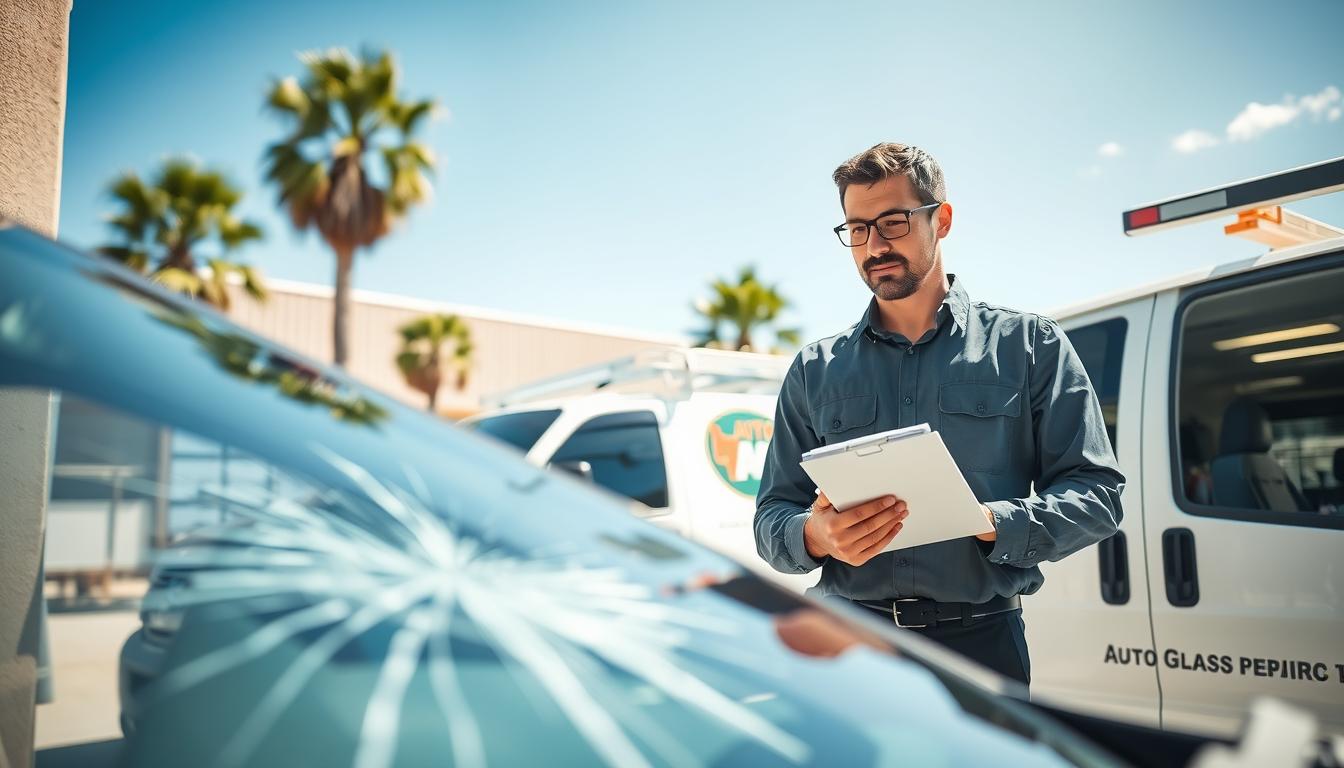
How Auto Appearance Plus Insurance Claim Works
Navigating an auto appearance plus insurance claim involves filing a specialized coverage request for cosmetic vehicle damage, such as minor dents, windshield cracks, and interior wear, through an optional policy endorsement or add-on...
Navigating an auto appearance plus insurance claim involves filing a specialized coverage request for cosmetic vehicle damage, such as minor dents, windshield cracks, and interior wear, through an optional policy endorsement or add-on product that covers aesthetic repairs without triggering primary collision deductibles.
Contents
Understanding Auto Appearance Protection Coverage
When vehicle owners purchase a new or pre-owned car, dealerships and insurance providers frequently offer ancillary protection products commonly referred to as "Appearance Plus," "Dent and Ding," or "Cosmetic Protection" plans. Unlike traditional comprehensive and collision policies that address major structural damage, theft, or total losses, an auto appearance plan specifically targets cosmetic imperfections. These imperfections typically arise from daily driving hazards—such as parking lot door dings, minor stone chips on the windshield, bumper scuffs, and interior upholstery tears or stains.
The fundamental mechanic behind this coverage is separation. Standard auto insurance policies feature deductibles—often ranging from $500 to $1,000—that frequently exceed the actual cost of repairing a minor door ding or a small windshield star. Consequently, motorists would normally pay out-of-pocket for these cosmetic issues or leave them unaddressed, leading to a degraded vehicle appearance and potential value depreciation at trade-in. An appearance plus protection plan bridges this gap by offering zero-deductible or low-fee repairs specifically designed to restore the vehicle's aesthetic condition to factory standards.
It is critical to distinguish between traditional auto insurance, optional manufacturer or dealer-backed service contracts, and standalone insurance endorsements. Some insurance carriers sell appearance protection as an endorsement to a standard policy, while others operate through third-party administrators (TPAs) via automotive dealerships. Understanding the exact origin of your policy dictates the claims workflow, approval process, and authorized repair networks you must utilize.
Common Coverages Included in Appearance Plus Plans
Before initiating a claim, vehicle owners must review their specific contract or insurance schedule to verify which cosmetic items fall within the scope of coverage. While plan parameters vary depending on the provider and the specific tier purchased, most comprehensive appearance protection packages encompass a standardized set of cosmetic categories.
Exterior Cosmetic Elements
- Paintless Dent Repair (PDR): Covers the removal of minor dents and dings—typically up to a specified diameter (such as two to four inches)—where the factory paint has not been broken or cracked. Technicians use specialized metal rods and pressure tools to massage the metal back into its original shape.
- Windshield and Glass Repair: Addresses small chips, stars, and cracks caused by road debris. Most plans cover resin-injection repair for chips up to a certain size, and some extend coverage to full windshield replacement if repair is structurally impossible.
- Bumper Scuff and Scratch Repair: Covers surface abrasions, scrapes, and minor paint damage on front and rear fascias.
- Headlamp Brightening: Restores oxidized, yellowed, or hazy plastic headlamp lenses to improve night visibility and cosmetic clarity.
Interior Cosmetic Elements
- Leather and Vinyl Repair: Fixes rips, burns, cuts, and cracks on seats, armrests, and door panels.
- Fabric and Carpet Cleaning: Covers professional stain removal for food, beverages, and ink, as well as minor tears in cloth upholstery.
- Key and Key Fob Replacement: Many contemporary appearance plans include provisions for replacing lost, stolen, or damaged electronic key fobs, which can otherwise cost hundreds of dollars to reprogram.
The Step-by-Step Insurance and Protection Claim Process
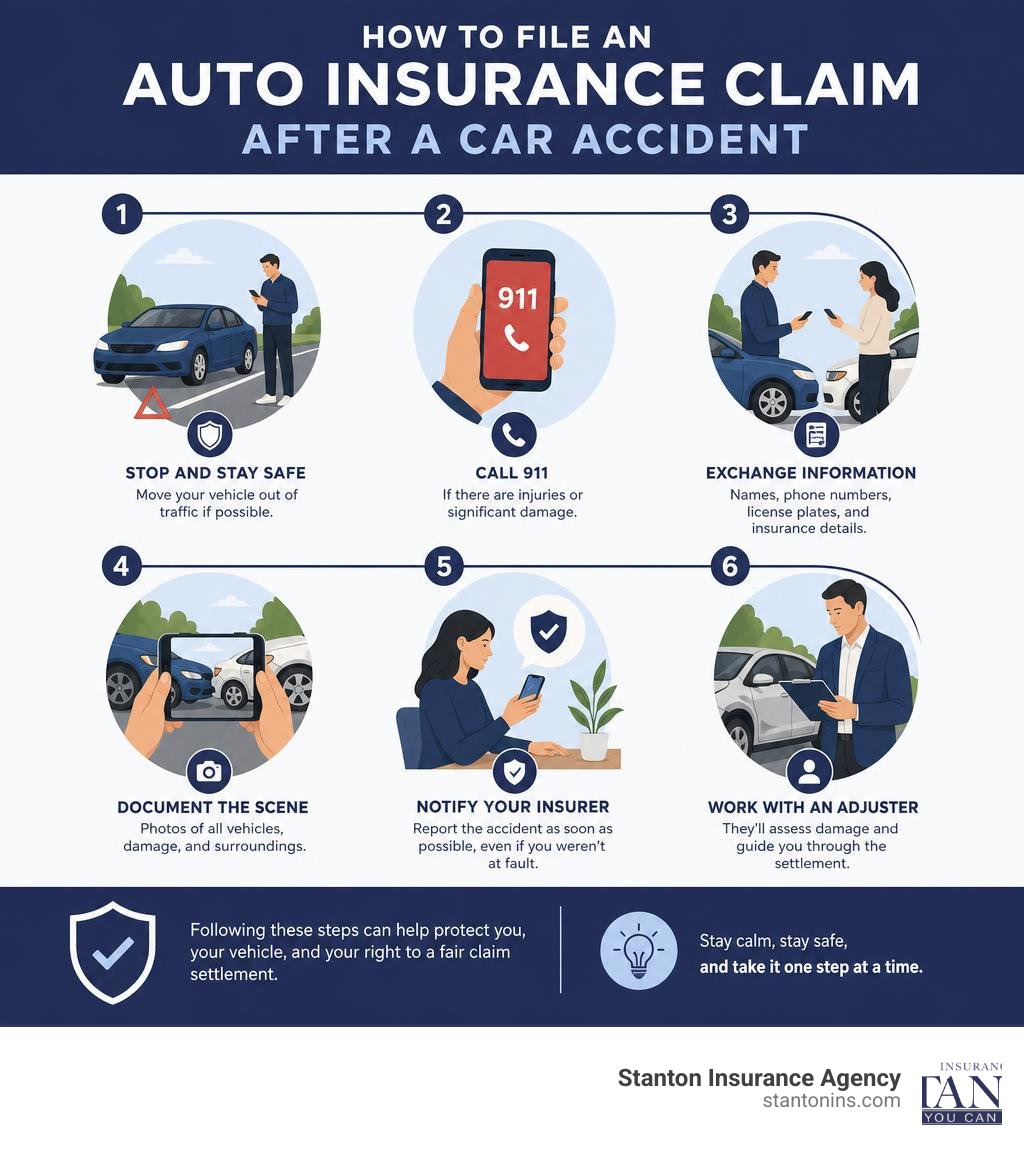
Filing an auto appearance plus insurance claim requires a systematic approach to ensure fast authorization and repair. Because these claims are typically handled by specialized claims administrators rather than standard desk adjusters, adhering to the correct procedural sequence prevents claim denial or out-of-pocket expenses.
1. Review Policy Terms and Limitations
Before contacting a provider, inspect your contract for claim limits, exclusion clauses, and pre-authorization requirements. Many plans impose caps on the maximum dollar amount per claim, the total number of claims allowed per year, or geographic restrictions on where service can be performed.
2. Document the Damage Thoroughly
Take clear, high-resolution photographs of the cosmetic damage from multiple angles. For dents, ensure the lighting highlights the depth of the depression. If the damage involves interior stains or upholstery tears, capture both a close-up shot and a wider shot showing the surrounding interior context.
3. Contact the Administrator or Insurer
Notify the claims department via their dedicated phone line, mobile application, or online customer portal. Provide your policy number, vehicle identification number (VIN), and a brief description of how and when the damage occurred. The representative will issue a claim reference number and direct you to the appropriate repair channel.
4. Choose an Authorized Repair Facility
Appearance protection plans often operate within restricted networks. You may be required to take your vehicle to a specific dealership service center, an approved national mobile repair franchise (such as Dent Wizard or Safelite), or an independent shop pre-approved by the TPA. In some cases, mobile technicians will travel directly to your home or office to perform PDR or windshield repair on-site.
5. Estimate and Pre-Authorization
The repair facility or mobile technician will inspect the damage and submit an estimate directly to the claims administrator for final approval. Once authorized, the technician performs the work. Under most appearance plans, you pay zero deductible, though you should verify whether any state taxes or administrative fees apply to your specific transaction.
Comparison of Coverage Types
To understand how appearance protection compares to traditional collision coverage and out-of-pocket maintenance, review the structural differences outlined in the table below.
| Feature | Appearance Plus Protection | Traditional Collision Insurance | Out-of-Pocket Repair |
|---|---|---|---|
| Primary Focus | Cosmetic damage (dents, glass, interior) | Major structural and mechanical damage from accidents | Any localized repair chosen by owner |
| Deductible Requirement | Generally $0 (or very low fixed fee) | Typically $500 to $1,000 | 100% of repair cost |
| Impact on Premium | Typically does not increase future rates | Filing claims can raise renewal premiums | None |
| Claim Frequency Limits | Usually capped per year or contract term | Subject to general loss history review | Unlimited (dependent on budget) |
| Repair Network | Often restricted to approved TPAs or mobile vendors | Broad network of certified collision shops | Any mechanic or shop |
Common Pitfalls and Claim Denials
Policyholders frequently encounter friction during the claims process due to misunderstandings regarding policy language and coverage boundaries. Recognizing these common pitfalls helps ensure a smooth experience.
- Paint Damage on Dents: If a door ding or parking lot impact has chipped, scratched, or cracked the underlying factory paint, Paintless Dent Repair (PDR) is technically insufficient. Standard PDR plans exclude body filler and repainting. If paint is broken, the claim may be denied under a pure PDR plan unless you hold a comprehensive package that covers minor body shop repairs.
- Pre-Existing Damage: Administrators routinely inspect vehicle history reports or require a visual inspection at the time of policy purchase. Damage that existed prior to the policy inception date is strictly excluded.
- Filing Deadlines: Many contracts stipulate that cosmetic damage must be reported within a specific window—such as 30 to 60 days—following the incident. Waiting until the end of a lease term to report multiple accumulated dings can result in claim rejections if individual incident dates cannot be established.
- Wear and Tear vs. Sudden Damage: General degradation, fading, or normal aging of leather and paint is categorized as maintenance rather than accidental cosmetic damage. Providers only cover specific, acute incidents of accidental damage.
Practical Recommendations and Next Actions
To maximize the value of your auto appearance protection plan, adopt a proactive maintenance schedule rather than waiting until the end of your vehicle ownership cycle. Inspect your vehicle quarterly for minor windshield chips, door dings, and interior scuffs. Addressing small stone chips immediately prevents them from expanding into full-width windshield cracks that require total glass replacement.
Keep your policy documentation, contract number, and claims administrator contact information saved in your smartphone or glove compartment. When minor cosmetic damage occurs, photograph it immediately and initiate the claim while the details are fresh. By utilizing your appearance plus coverage efficiently, you maintain your vehicle's aesthetic appeal and protect its residual market value without risking increases to your primary auto insurance premiums.
Image Gallery