The Ultimate Guide to Hot Air Balloon Flights in Lincoln (2026)
Experience the historic skyline of Lincolnshire from a unique perspective with a hot air balloon flight over Lincoln. These excursions typically depart from the Lincolnshire Showground or nearby meadows, offering unparalleled views of...
Experience the historic skyline of Lincolnshire from a unique perspective with a hot air balloon flight over Lincoln. These excursions typically depart from the Lincolnshire Showground or nearby meadows, offering unparalleled views of Lincoln Cathedral and the rolling Wolds. Flights are seasonal, running from April to October, with prices in 2026 ranging from £160 to £240 per person depending on the day and time selected.
Contents
Booking a hot air balloon flight in Lincoln is more than just a sightseeing tour; it is an immersion into the oldest form of human flight. As of 2026, the industry has refined the passenger experience to balance traditional aviation charm with modern safety standards regulated by the Civil Aviation Authority (CAA). Whether you are a local resident looking to see your home from 2,000 feet or a visitor seeking a bucket-list experience, understanding the logistics of ballooning in the East Midlands is essential for a successful flight.
Understanding the Lincoln Ballooning Experience
Lincoln is one of the UK’s most sought-after ballooning locations due to its dramatic topography and historical landmarks. The city is defined by the "Lincoln Edge" or "Cliff," a limestone escarpment that provides a striking backdrop for aerial photography. When you take off from the outskirts, the primary objective for many pilots—weather permitting—is to drift near the Lincoln Cathedral. Once the tallest building in the world, its three towers remain a navigational beacon for pilots today.
Flights in 2026 are categorized primarily by their launch times. Because hot air balloons require stable air (low thermal activity), flights occur during the "golden hours":
- Sunrise Flights: These take place just after dawn when the air is coolest and the winds are most predictable. The light at this time provides the best clarity for viewing the Trent Valley to the west.
- Sunset Flights: Scheduled approximately two to three hours before dusk, these flights offer a warmer glow over the city’s stone architecture and the Brayford Pool waterfront.
Primary Launch Sites in and Around Lincoln
The specific launch site is chosen by the pilot on the day of the flight based on wind direction. In hot air ballooning, the pilot can control vertical movement but relies entirely on wind currents for horizontal direction. Therefore, multiple launch sites are maintained to ensure the balloon doesn't drift into restricted airspace or unlandable terrain.
The Lincolnshire Showground
Located just north of the city off the A15, the Lincolnshire Showground is the premier launch site for the region. Its vast open spaces allow for safe inflation of multiple large-capacity balloons simultaneously. Taking off from here often results in a southerly drift that carries passengers directly over the historic uphill area of Lincoln.
Alternative Regional Sites
If wind patterns are unsuitable for the Showground, operators may move to sites in Stoke Rochford or Grimsthorpe Castle. While these are further south, they offer a different but equally stunning vista of the Lincolnshire countryside and stately homes. Always verify the meeting point with your operator via their weather line approximately 2-3 hours before the scheduled meeting time.
The Flight Progression: From Earth to Sky
A hot air balloon flight is a three-to-four-hour commitment, even though the time spent in the air is typically around 60 minutes.
1. The Pre-Flight Briefing and Inflation
Upon arrival at the launch site, passengers meet the pilot and ground crew. After a safety briefing, the "cold inflation" begins. Large fans blow air into the envelope (the balloon fabric). Once the envelope is partially inflated, the pilot uses the burners to heat the air, causing the balloon to stand upright. This is often the most exciting part for photography, as the sheer scale of the 120,000 to 400,000-cubic-foot envelopes becomes apparent.
2. Ascent and Cruising
As the air inside the envelope becomes significantly hotter than the surrounding atmosphere, the balloon gains buoyancy. The ascent is remarkably gentle; unlike an airplane, there is no "stomach-drop" sensation because the balloon moves with the wind, meaning there is no wind resistance or turbulence.
3. Sights to Watch For
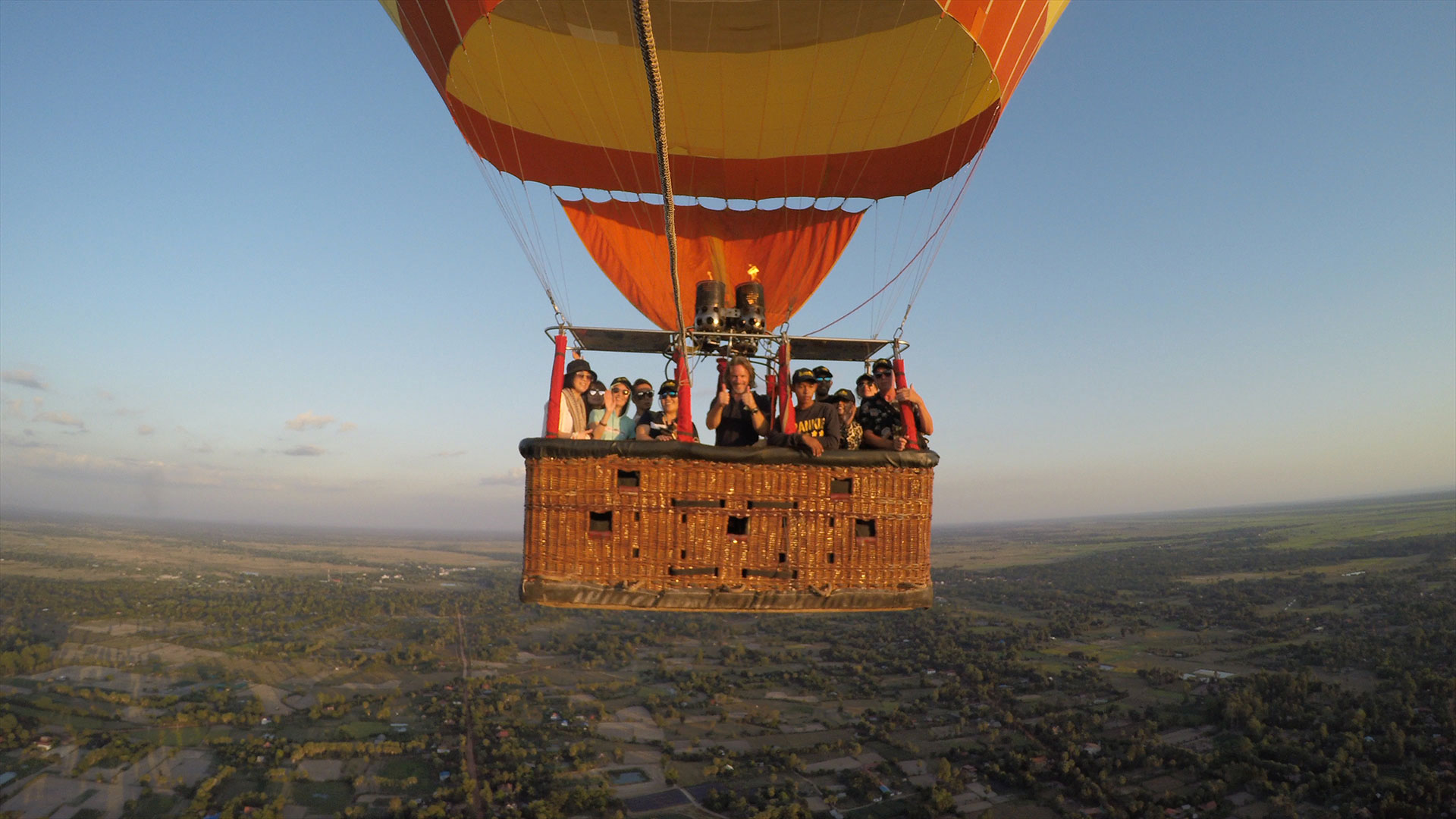
As you reach cruising altitudes—usually between 1,000 and 3,000 feet—keep an eye out for:
- Lincoln Castle: The Victorian prison and medieval walls are clearly visible from above.
- The Steep Hill: Observe the ancient Roman layout of the city.
- The Fossdyke Navigation: The oldest canal in the UK, still in use today.
- The RAF Bases: Depending on the drift, you may see the hangars of nearby RAF Scampton or RAF Waddington.
4. The Landing and Tradition
The pilot will begin looking for a suitable landing spot (usually a harvested field or a large pasture) as the fuel runs low. The landing can be a gentle "stand-up" landing or a "drag" landing where the basket tips and slides for a few meters; both are standard procedures. Following the tradition started by the Montgolfier brothers in 1783, most Lincoln flights conclude with a champagne toast (or non-alcoholic alternative) to celebrate a successful voyage.
Requirements and Safety Regulations
Hot air ballooning is a weather-dependent activity governed by strict safety protocols. In 2026, operators adhere to the following standard requirements:
| Requirement | Specification | Notes |
|---|---|---|
| Minimum Age | 7 Years Old | Children must be tall enough to see over the basket (approx. 1.1m). |
| Physical Ability | Ability to stand for 1 hour | Passengers must be able to climb into the basket and absorb a slight impact on landing. |
| Weight Limits | Standard 20-stone limit | Most operators require a supplement or notification for passengers over 20 stone (127kg). |
| Pregnancy | Prohibited | Due to the potential for bumpy landings, pregnant women are not permitted to fly. |
| Weather Conditions | Winds < 12 mph | Flights will be cancelled if there is rain, fog, or high wind gusts. |
Cost Analysis and Booking Options (2026)
In 2026, the market for ballooning in Lincolnshire is stabilized by a mix of national providers and boutique local pilots. Prices have adjusted for inflation and the increased cost of aviation fuel (propane).
Flight Vouchers vs. Scheduled Bookings
Most passengers purchase vouchers, which are valid for 12 to 24 months. This is recommended because hot air ballooning has a high cancellation rate (often 3 or 4 attempts are needed before the weather aligns).
- Weekday Morning Vouchers: These are the most economical, often priced around £160.
- Anytime Vouchers: These allow for weekend and evening flights, typically costing £210 - £240.
- Private Charter: For engagements or anniversaries, a private basket for two starts at approximately £800 in the Lincoln area.
Managing Cancellations and Rescheduling
It is a common mistake to assume that a sunny day is a perfect ballooning day. Pilots look for "stable air." Even on a beautiful afternoon, "thermals" (rising columns of warm air) can make the balloon difficult to control, leading to cancellations.
If your flight from Lincoln is cancelled:
- Check the Weather Line: Operators provide a dedicated number to call before you travel.
- Rebook Immediately: The 2026 season is busy; log into the operator’s portal as soon as you receive the cancellation text to secure the next available slot.
- Validity Extensions: Most reputable companies will extend your voucher for free if you have had multiple weather-related cancellations near the end of your voucher's life.
Frequently Asked Questions
What should I wear for a balloon flight in Lincoln?
You should wear sensible outdoor clothing suitable for a walk in the countryside. It is not significantly colder in the balloon than on the ground because you are moving with the wind (no wind chill) and the burners radiate heat. However, since landings often occur in damp fields, waterproof footwear or hiking boots are essential. Avoid scarves or loose jewelry that could get caught during the landing.
How do we get back to the launch site?
Every balloon is followed by a retrieve crew in a 4x4 vehicle. They remain in radio contact with the pilot throughout the flight. Once the balloon lands and is packed away, the crew will transport all passengers back to the original meeting point at the Lincolnshire Showground or other designated parking areas.
Is hot air ballooning safe for those with a fear of heights?
Surprisingly, many people with vertigo or a fear of heights find ballooning quite peaceful. Because the basket is a stable platform and there is no physical connection to the ground (like a ladder or a building), the "vertigo trigger" is often absent. You feel as though the ground is dropping away rather than you being "up" high.
Can I take my camera or drone?
Cameras and smartphones are encouraged, provided they have a neck or wrist strap. However, drones are strictly prohibited on the flight. Operating a drone near a hot air balloon is extremely dangerous as it can interfere with the pilot’s operations or damage the envelope.
How long does the entire experience take?
While the flight is roughly one hour, you should set aside 3.5 to 4 hours. This covers the check-in, safety briefing, the inflation process, the flight, the landing ceremonies, and the drive back to the launch site.
Final Recommendations for Your Flight
To ensure the best experience for your hot air balloon flight in Lincoln, aim to book your first attempt early in the season (May or June). This gives you plenty of "backup" months if the unpredictable British weather causes a cancellation. Always choose an operator that is fully insured and carries a valid Air Operator Certificate (AOC).
Once you are in the air, remember to look away from your camera lens occasionally. The silence of ballooning—broken only by the occasional roar of the burner—is a rare experience in the modern world, offering a sense of tranquility that no other form of travel can replicate.
Image Gallery