Understanding 350 Degrees: Why It Is the Magic Temperature for Baking
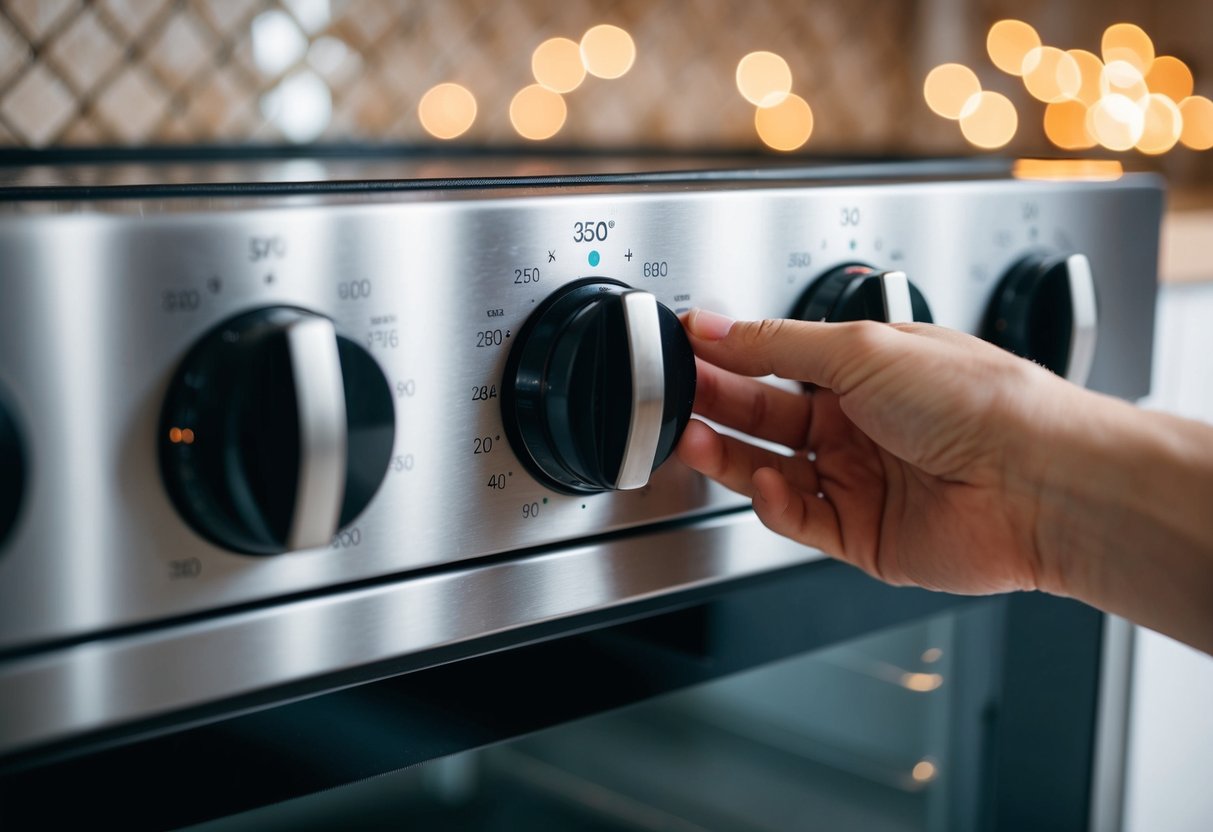
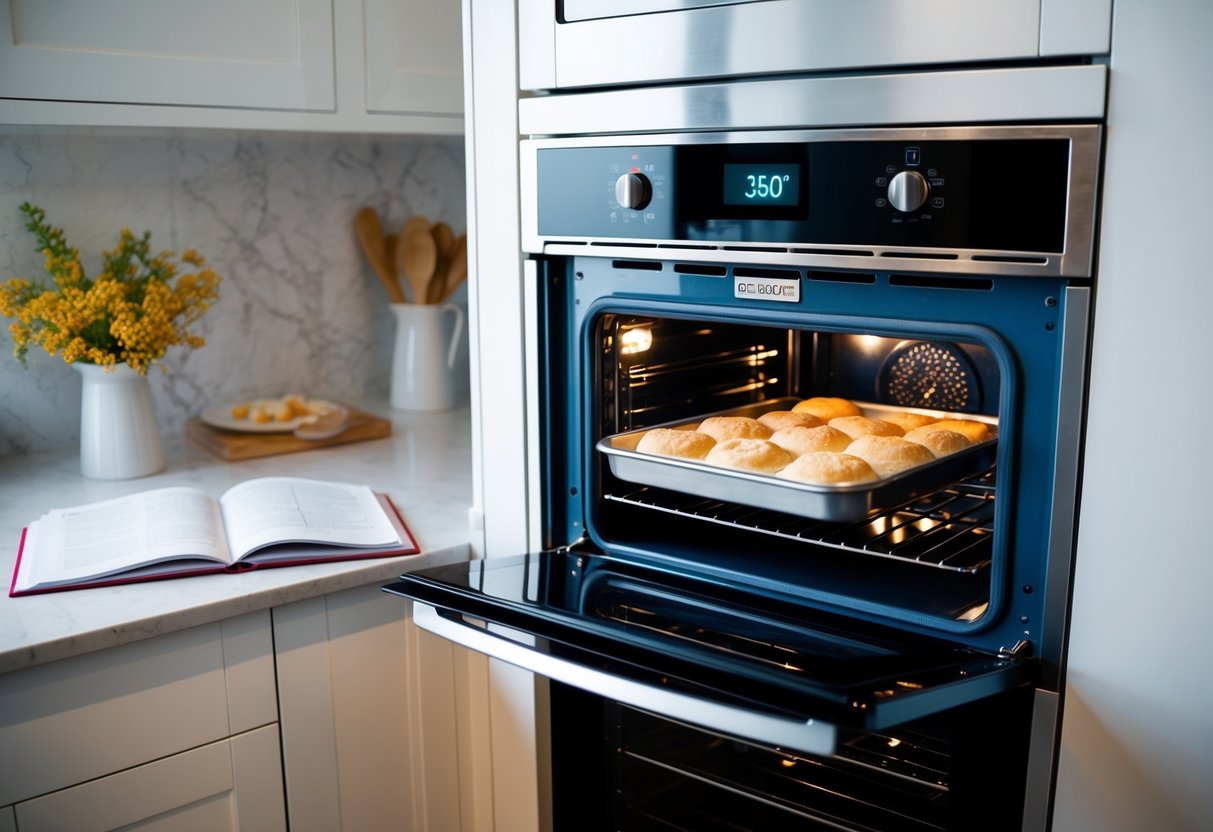
Setting an oven to 350°F (175°C) is the universal baseline for baking because it strikes a perfect balance between the Maillard reaction and even heat distribution. This temperature allows the interior of baked goods to cook through an...
Setting an oven to 350°F (175°C) is the universal baseline for baking because it strikes a perfect balance between the Maillard reaction and even heat distribution. This temperature allows the interior of baked goods to cook through and rise fully before the exterior becomes overly dark or hard, making it the safest default.
Contents
The number 350 is more than just a convenient middle point on a dial; it represents a specific intersection of chemistry and physics that governs how flour, sugar, fats, and proteins transform under heat. Whether you are a novice baker or an experienced pastry chef in 2026, understanding the "why" behind 350°F is essential for mastering the art of the oven. This guide explores the scientific significance of this temperature, how it interacts with different ingredients, and how to troubleshoot your baking when things go wrong.
The Chemistry of 350°F: The Maillard Reaction and Caramelization
At the heart of the 350°F standard is the Maillard reaction. Named after French chemist Louis-Camille Maillard, this is a chemical reaction between amino acids and reducing sugars that gives browned food its distinctive flavor and aroma.
Triggering the Maillard Reaction
The Maillard reaction typically begins to occur rapidly between 280°F and 330°F (140°C to 165°C). By setting the oven to 350°F, you ensure that the surface of your food quickly reaches the threshold needed for this reaction. This is what creates the golden-brown crust on a loaf of bread, the toasted edges of a chocolate chip cookie, and the savory exterior of a roasted chicken. Without reaching these temperatures, food often looks pale, tastes "raw," and lacks the complex flavor profiles developed through browning.
Sugar Caramelization
While often confused with the Maillard reaction, caramelization is a separate process involving the pyrolysis of sugar. Most sugars begin to caramelize around 320°F (160°C), with sucrose (table sugar) reacting most vigorously at 340°F to 350°F. When you bake at 350°F, you are operating at the peak efficiency for sugar transformation. This creates the sweetness and "nutty" notes found in the crusts of cakes and cookies. If the temperature were significantly lower, the sugars would melt but not brown; if significantly higher, they would burn and become bitter before the center of the item is cooked.
Physical Transformation: Leavening and Structure
Beyond the chemical browning, 350°F serves a critical role in the physical structure of baked goods. Baking is essentially a race between the setting of the structure and the expansion of gases.
Gas Expansion and Rise
Most baked goods rely on leavening agents—such as baking powder, baking soda, or yeast—which produce carbon dioxide gas. Additionally, the moisture in the dough turns into steam. At 350°F, the heat penetrates the dough at a moderate rate. This allows the gases to expand, causing the "oven spring" or rise.
If the oven is too hot (e.g., 425°F), the exterior of the cake or bread sets and hardens into a crust too quickly. The internal gases continue to expand but have nowhere to go, often resulting in "volcano" cracks or a dense, gummy interior because the structure was locked in before it could fully expand. Conversely, if the oven is too cool (e.g., 300°F), the gases escape slowly without creating much lift, leading to a flat, heavy product.
Protein Coagulation and Starch Gelatinization
As the temperature rises, the proteins in eggs and gluten in flour begin to denature and coagulate (harden). Simultaneously, starches absorb moisture and gelatinize. This process solidifies the walls of the air bubbles created by the leavening agents. 350°F provides the "Goldilocks" speed for this solidification—fast enough to support the weight of the rising dough, but slow enough to allow for maximum volume.
Why 350°F is the "Gold Standard" Across Recipes
The versatility of 350°F makes it the most common instruction in culinary history. It is a general-purpose temperature that works for a vast majority of food types due to the way heat transfers through different densities.
Cookies and Brownies
For cookies, 350°F is ideal for achieving a balance between a soft, chewy center and a crisp edge. The high fat content in cookies causes them to spread as they heat; 350°F ensures the edges set just as the spread reaches its limit. In brownies, this temperature allows the dense batter to cook through to the center without drying out the corners.
Cakes and Cupcakes
Cakes require a gentle but steady heat. Because cakes have a high volume-to-surface-area ratio, the heat needs time to travel to the center. 350°F is often the maximum temperature used for cakes; many bakers even drop to 325°F for very large or deep cakes to prevent the outside from overcooking while the middle remains liquid.
Roasting Vegetables and Meats
While "baking" usually refers to flour-based goods, 350°F is also a common "slow-roast" temperature for proteins. At this heat, the collagen in tougher cuts of meat begins to break down into gelatin without the muscle fibers seizing up and becoming tough too quickly. For vegetables, it allows for tenderization and slight caramelization of natural sugars.
Comparing Oven Temperatures and Their Effects
To understand the specific role of 350°F, it helps to see how it compares to other common baking ranges.
| Oven Setting | Temperature (Celsius) | Common Uses | Primary Effect |
|---|---|---|---|
| 300°F - 325°F | 150°C - 165°C | Cheesecakes, Custards, Slow-roasted meats | Slow, even cooking; prevents cracking and curdling. |
| 350°F | 175°C | Cookies, Cakes, Muffins, Brownies, Casseroles | Ideal balance of browning (Maillard) and even rising. |
| 375°F - 400°F | 190°C - 205°C | Biscuits, Pastries, Roasted Vegetables | Crisp textures, rapid rise, and deep golden browning. |
| 425°F - 450°F | 220°C - 230°C | Pizza, Puff Pastry, Searing Meats | Intense surface heat; creates steam for "puffing" dough. |
Technical Considerations: Convection vs. Conventional
In 2026, many home kitchens are equipped with convection ovens (or "Air Fry" modes). This changes what "350°F" actually means for your recipe.
The Convection Adjustment
A convection oven uses a fan to circulate hot air around the food. This increases the rate of heat transfer, effectively making the oven "hotter" than a conventional oven at the same setting. The industry standard for adapting recipes is the 25/25 rule:
- Reduce the temperature by 25°F (to 325°F).
- Reduce the cooking time by roughly 25%.
If you leave a convection oven at 350°F for a recipe designed for a conventional oven, you risk "flash-baking"—where the outside burns before the inside is safe to eat.
Modern Oven Calibration
Even the most advanced ovens in 2026 can be inaccurate. Most ovens cycle heat on and off to maintain an average temperature. If you set your oven to 350°F, the actual air temperature may fluctuate between 330°F and 370°F.
To ensure your 350°F is accurate, it is highly recommended to use a standalone oven thermometer. Place it in the center of the rack where you intend to bake. If the thermometer reads 340°F when the digital display says 350°F, you know you need to adjust your settings manually to compensate for the discrepancy.
Troubleshooting Common Issues at 350°F
Even at the "perfect" temperature, variables can affect the outcome. Here is how to handle common 350°F baking hurdles.
Hot Spots
Most ovens have "hot spots," usually at the back corners or near the heating elements. If your cookies are burning on one side of the tray but remain pale on the other, your oven's 350°F is not distributed evenly. The solution is to rotate your pans 180 degrees halfway through the baking time.
High-Altitude Baking
At higher altitudes (above 3,000 feet), air pressure is lower. This causes moisture to evaporate faster and leavening gases to expand more quickly. At 350°F, a cake might rise too fast and then collapse. Bakers in high-altitude regions often need to increase the oven temperature to 365°F or 375°F to help the structure set faster, counteracting the rapid expansion caused by low pressure.
Overcrowding the Oven
If you put four trays of cookies into an oven set at 350°F, the temperature will plummet as the cold dough absorbs the heat. Furthermore, the trays block air circulation. This results in "steaming" rather than "baking." For the best 350°F results, bake in small batches or ensure there are at least two inches of space between pans and oven walls.
Frequently Asked Questions
Why do some recipes call for 350°F even when the food isn't "baked"?
The temperature 350°F is frequently used for reheating or finishing dishes because it is high enough to kill bacteria (food safety) and melt fats without scorching the surface. It is often considered the "universal reheating temperature" for leftovers to restore texture without drying them out.
Is 350°F (175°C) or 350°F (180°C) more accurate?
Scientifically, 350°F is 176.6°C. Most European and metric-based recipes round this to either 175°C or 180°C. In practice, the 5-degree difference is negligible for most home baking due to standard oven fluctuations. However, 175°C is the more common international standard for "moderate" heat.
Can I bake everything at 350°F if I just change the time?
Not necessarily. Some items, like puff pastry or Yorkshire pudding, require an initial blast of high heat (400°F+) to create the steam necessary for their signature "pop." Baking these at 350°F for a longer time would result in a heavy, greasy, and flat product because the fat would melt before the steam could lift the dough.
Why is 350°F the default for almost all box mixes?
Manufacturers use 350°F as the default because it is the "safest" temperature. It is forgiving enough that if a consumer's oven is off by 10-20 degrees, the product will likely still be edible. It provides the most consistent results across a wide variety of oven types and ages.
Does the material of the pan matter at 350°F?
Yes. Dark, non-stick pans absorb more heat and can cause the bottoms of cakes and cookies to over-brown at 350°F. If using dark metal pans, it is often wise to reduce the temperature to 325°F or use parchment paper to create a barrier. Aluminum and glass are more neutral but have different heat retention properties.
Practical Recommendation for Bakers
To get the most out of the 350°F setting, always preheat your oven for at least 20 minutes before baking. Even if the digital display says "Ready" after 5 or 10 minutes, the internal walls of the oven often haven't reached a stable thermal mass. A fully preheated oven recovers its temperature much faster after you open the door to slide in your tray, ensuring that your 350°F remains constant throughout the critical first few minutes of the bake.
Image Gallery