The Truth About "That Don’t Impress Me Much": Origins, Impact, and the Brad Pitt Story
The truth about "That Don’t Impress Me Much" is that it was a subversive critique of male vanity designed to bridge the gap between country and global pop. Released in 1998, the song famously used humor—specifically the reference to Br...
The truth about "That Don’t Impress Me Much" is that it was a subversive critique of male vanity designed to bridge the gap between country and global pop. Released in 1998, the song famously used humor—specifically the reference to Brad Pitt—to dismiss superficial traits like looks, intelligence, and status in favor of genuine character.
Contents
As of 2026, nearly thirty years since its debut on the diamond-certified album Come On Over, Shania Twain’s "That Don’t Impress Me Much" remains a cultural touchstone. While many listeners recognize the iconic leopard-print outfit and the catchy hook, the "truth" behind the song involves a sophisticated production strategy by Robert John "Mutt" Lange, a specific tabloid scandal involving Brad Pitt, and a calculated effort to redefine the female perspective in country music.
The Writing Process: A Collaboration of Powerhouse Minds
The song was co-written by Shania Twain and her then-husband and producer, Robert John "Mutt" Lange. By the late 1990s, Lange was already a legendary figure in the music industry, having produced definitive albums for AC/DC (Back in Black) and Def Leppard (Hysteria). His influence is the primary reason "That Don’t Impress Me Much" sounds more like a rock-pop anthem than a traditional country ballad.
Twain and Lange wrote the track with a specific "sassy" persona in mind. The goal was to create a character who was unimpressed by the standard "mating calls" of the era: the obsession with cars, the arrogance of high-IQ "know-it-alls," and the cult of celebrity. This approach was revolutionary in country music at the time, which often leaned toward more traditional themes of heartbreak or domesticity. Instead, Twain presented herself as an empowered, slightly bored observer of the male ego.
The Brad Pitt Truth: From Tabloid to Lyric
The most enduring "truth" sought by fans is the origin of the Brad Pitt lyric: "Okay, so you're Brad Pitt? That don't impress me much." For years, listeners wondered if Twain had a personal grievance against the actor. The reality is far more grounded in 1997 pop culture.
The lyric was inspired by a scandal involving leaked nude photographs of Brad Pitt and Gwyneth Paltrow, which were published in Playgirl magazine in 1997. During the media frenzy that followed, Twain found the public’s obsession with the photos—and Pitt’s physique—to be exaggerated. In several interviews, she explained that she didn't understand why there was such a "fuss" over a person’s body. To her, the hype was much ado about nothing.
By selecting Pitt, who was arguably the biggest heartthrob in the world at the time, Twain wasn't attacking him personally. Instead, she was using him as a benchmark for ultimate physical attractiveness to say that even that level of beauty isn't enough to sustain a real relationship. In recent years, including her 2024-2025 Las Vegas residency, Twain has updated the lyric during live performances to include other celebrities like Ryan Reynolds or Channing Tatum, keeping the "truth" of the song’s dismissiveness relevant to modern audiences in 2026.
Analyzing the Three Archetypes
The song's structure revolves around three specific types of men who fail to impress the narrator. Each verse serves as a cautionary tale against a specific form of vanity.
| Character | The "Hook" | The Critique | Symbolic Meaning |
|---|---|---|---|
| The Know-it-All | "I've got a high IQ" | Intellectual arrogance | The belief that being "smart" excuses a lack of emotional intelligence. |
| The Rocket Scientist | "You're a rocket scientist" | Career-based elitism | The idea that a prestigious job title makes one superior in a romantic context. |
| The Car Enthusiast | "You've got a car" | Materialism | The use of expensive objects (a Corvette) to mask a shallow personality. |
These archetypes were carefully chosen to represent the "peak" versions of successful men in the late 90s. By dismantling them one by one, Twain established a standard that prioritized "the touch" and "the heat" (emotional and physical connection) over social standing or intellectual posturing.
Production Secrets and the "International" Sound
A major part of the truth behind the song’s success is its technical versatility. Mutt Lange was a master of "versioning." Because Twain wanted to dominate both the country and pop charts, the song was released in several distinct mixes:
- The Country Version: Featured prominent fiddle and steel guitar, adhering to the sonic requirements of Nashville radio in the late 90s.
- The International/Pop Version: Stripped away the country instrumentation and replaced it with electronic dance beats and synthesized basslines. This version became a massive hit in the UK, Europe, and Australia.
- The "Dance" Remixes: Further pushed the track into the club scene, ensuring longevity in nightlife culture.
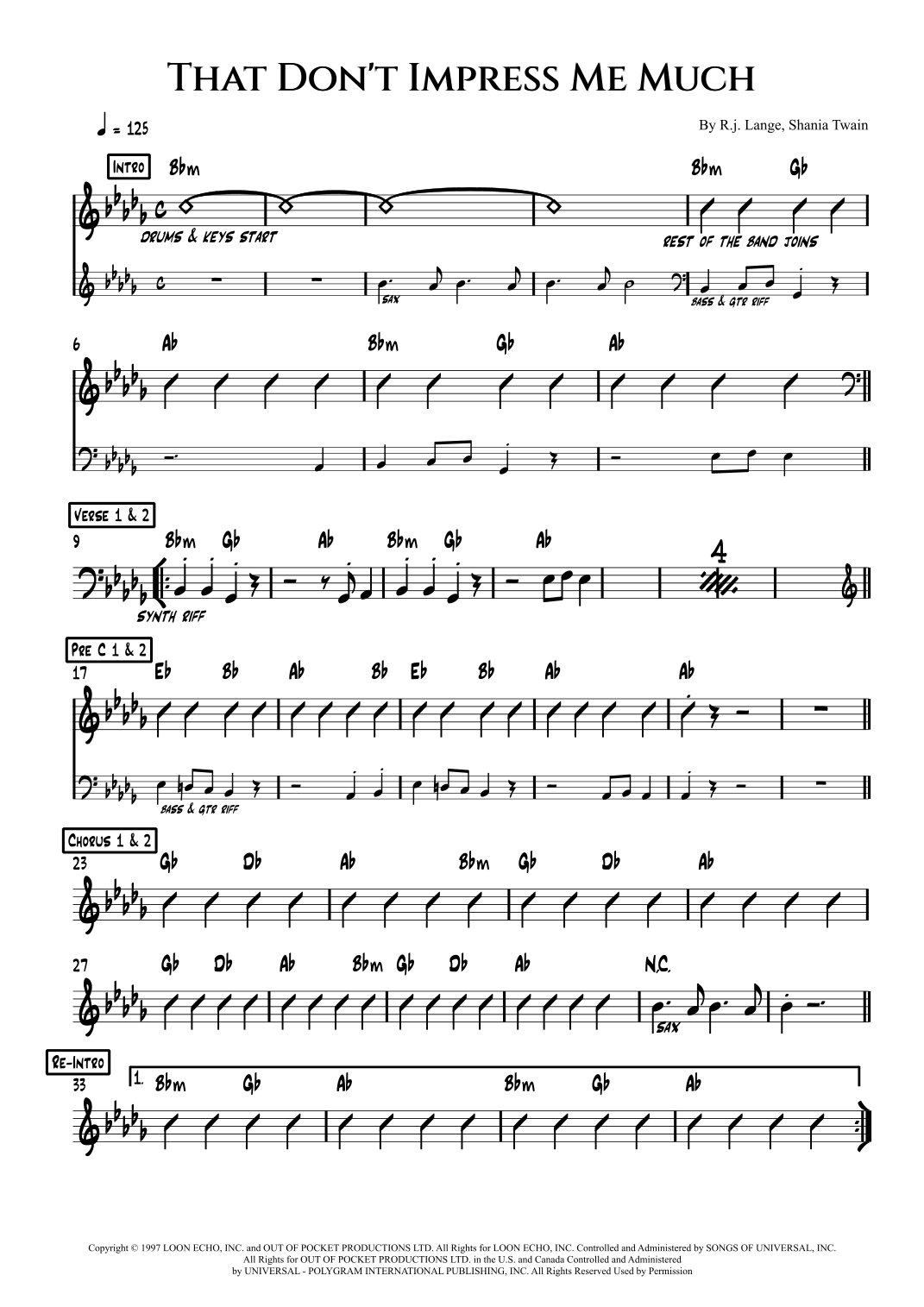
From a technical standpoint, the song is written in the key of B minor with a tempo of approximately 125 beats per minute. This "walking" tempo is a hallmark of Lange's production, designed to be infectious and easy to dance to. The use of "spoken word" ad-libs—such as the iconic "Oh-oh, you think you're special"—was a stylistic choice that made Twain feel more accessible and relatable to her audience, moving her away from the "untouchable diva" trope.
The Visual Legacy: The Leopard Print Suit
You cannot discuss the truth of this song without addressing the music video directed by Paul Boyd. Filmed in the Mojave Desert, the video features Twain in an iconic hooded leopard-print outfit, carrying a matching vanity case while hitchhiking.
In 2026, this outfit is still regarded as one of the most recognizable costumes in music history. The leopard print was a deliberate choice to convey "wildness" and independence, but the fact that she was hitchhiking in the desert added a layer of irony—she was "looking for a man," yet rejecting every one that stopped for her. This visual storytelling reinforced the lyrics: she would rather be alone in the desert than settle for a man who is only "impressed" with himself.
Global Impact and Chart History
The success of "That Don’t Impress Me Much" was a turning point for the music industry's "crossover" potential. According to Billboard, the song peaked at number 7 on the Hot 100, but its international reach was even more significant. It reached the top 5 in over a dozen countries, including the UK, where it became one of the best-selling singles of 1999.
By 2026, the song has surpassed billions of streams across various platforms. Its resurgence is largely attributed to the "Y2K" nostalgia movement and its popularity on social media platforms like TikTok, where users employ the chorus to mock modern influencers and "internet famous" personalities.
Frequently Asked Questions
Did Shania Twain ever meet Brad Pitt?
For many years, the two did not have a formal meeting despite the song's fame. However, in later years, Pitt acknowledged the song in interviews, noting that he found it flattering rather than offensive. Twain has maintained that the name was chosen simply because he was the most famous man at the moment of the song's creation.
What car is mentioned in the song?
The lyrics specifically mention a Corvette: "That's a nice car... but it's just a Corvette." In the late 90s, the Corvette was the quintessential American symbol of mid-life crisis or "showing off," making it the perfect target for Twain’s dismissiveness.
Why are there different versions of the song?
To maximize commercial success, Mutt Lange produced a "Country Mix" for Nashville and a "Pop Mix" for international markets. This was a common strategy for Shania Twain, allowing her to be the biggest star in two different genres simultaneously.
Was the song a response to a specific person?
While the archetypes (the smart guy, the car guy) feel personal, Twain has stated that the song is not about one specific ex-boyfriend. Instead, it is a compilation of different traits she encountered in the dating world and the general culture of the 1990s.
Is the leopard suit in a museum?
Yes, the original leopard-print outfit has been featured in several exhibitions, including the Country Music Hall of Fame and Museum. It remains one of the most requested items for fashion retrospectives focusing on 90s pop culture.
Final Recommendations for Fans and Researchers
To truly appreciate the depth of "That Don’t Impress Me Much" in 2026, listeners should seek out the Come On Over (Diamond Edition) or 30th-anniversary reissues (expected in 2027), which often contain the various international mixes. Analyzing the differences between the country and pop versions reveals the technical brilliance of the Twain-Lange partnership.
For those interested in the cultural impact, viewing the music video alongside the 1997 tabloid archives regarding Brad Pitt provides the necessary context to understand why the song resonated so deeply with a public that was beginning to feel "celebrity fatigue." Ultimately, the truth of the song is its timelessness; as long as there is vanity and self-importance, Shania Twain’s unimpressed "Okay" will continue to serve as the ultimate reality check.
Image Gallery