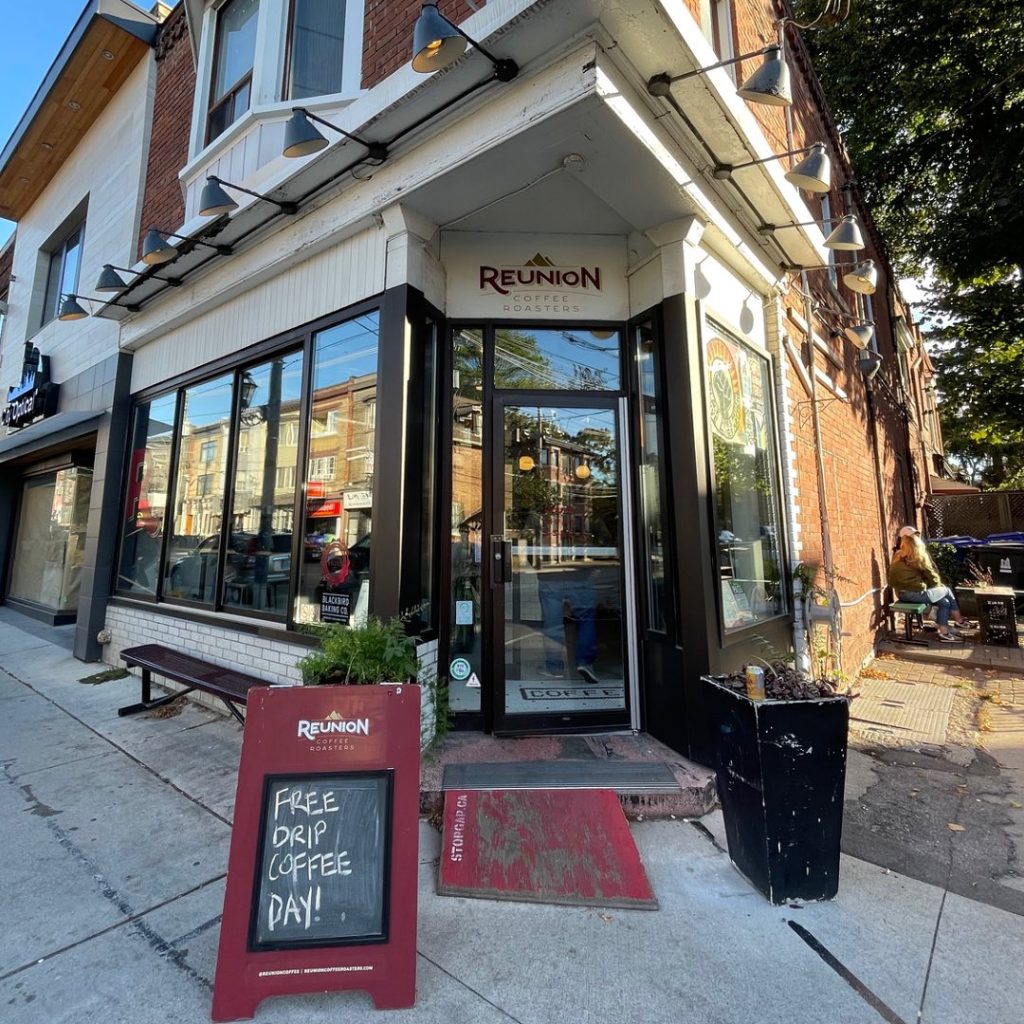
The West End Coffee House Experience: A Masterclass in Brisbane’s Specialty Brew Culture
The West End coffee house experience is a curated fusion of artisanal roasting, community-centric atmosphere, and technical brewing excellence located in Brisbane, Queensland. In 2026, this experience centers on sustainable "farm-to-cu...
The West End coffee house experience is a curated fusion of artisanal roasting, community-centric atmosphere, and technical brewing excellence located in Brisbane, Queensland. In 2026, this experience centers on sustainable "farm-to-cup" transparency, high-pressure extraction precision, and a bohemian-industrial aesthetic that distinguishes the 4101 postcode as Australia’s premier specialty coffee destination.
Contents
Defining the West End Coffee House Identity
To understand the West End coffee house experience, one must first recognize the geographical and cultural specificity of West End, Brisbane. While other cities share the "West End" name, Brisbane’s iteration is globally recognized in the specialty coffee industry for its concentration of independent roasteries and "third-wave" cafes. In 2026, the scene has evolved beyond simple caffeine service into a sophisticated ecosystem where the "experience" refers to the holistic interaction between the barista’s technical skill, the origin story of the bean, and the unique architectural heritage of the venues.
The experience is characterized by three primary pillars:
- Technical Transparency: Patrons are no longer just customers; they are observers of a technical process. From the sight of a Joper or Probat roaster integrated into the dining floor to the detailed "tasting notes" cards provided with every single-origin pour-over.
- Architectural Industrialism: Most iconic West End coffee houses occupy repurposed warehouses or traditional Queenslander cottages. This provides a high-ceilinged, acoustic environment that facilitates social interaction while maintaining an "urban workshop" feel.
- Socio-Cultural Diversity: The experience mirrors the suburb's history—a mix of Greek and Italian migrant roots layered with contemporary bohemianism and high-density urban living.
The Evolution of the 4101 Roast: 2026 Standards
As of 2026, the technical standards for coffee in West End have reached a peak of precision. The neighborhood has moved away from generic "dark" or "medium" roasts toward highly specific light-to-medium profiles that preserve the enzymatic properties of the bean. This allows the consumer to taste the "terroir"—the environmental factors like soil chemistry and altitude from the farm of origin.
The Science of Extraction
In the leading establishments of West End, the "experience" involves a rigorous adherence to extraction ratios. Baristas typically operate within a 1:2 to 1:2.5 ratio for espresso (e.g., 20g of ground coffee yielding 45g of liquid) within a window of 27 to 32 seconds. High-end equipment, such as the La Marzocco KB90 or the Slayer Steam LP, is standard across the suburb, ensuring thermal stability and pressure profiling that was once reserved for competition stages.
Water Chemistry
A lesser-known but vital part of the West End coffee house experience is the focus on water filtration. In 2026, most top-tier cafes in the area utilize reverse osmosis systems with remineralization cartridges. By adjusting the magnesium and calcium content of the water, roasters in West End ensure that the vibrant acidity of African beans or the chocolatey body of South American beans is perfectly highlighted, compensating for the natural hardness of the local Brisbane water supply.
Key Destinations Defining the Experience
The West End coffee house experience is not a monolith; it is a collection of distinct venues that each contribute a different "flavor" to the neighborhood.
West End Coffee House (Vulture Street)
While the suburb is full of cafes, the specific entity named West End Coffee House on Vulture Street remains a cornerstone. This venue is renowned for its unique intersection of specialty coffee and Southeast Asian-inspired cuisine. In 2026, it continues to serve as the benchmark for "lifestyle" coffee houses, where the aroma of freshly pulled espresso shots mixes with the fragrant spices of Thai-influenced brunch dishes. Their experience is defined by a bustling, high-energy environment and a commitment to rotating local roasts.
Blackstar Coffee Roasters
For those seeking the "industrial" side of the experience, Blackstar is essential. Known for pioneering the cold brew movement in Brisbane, their West End headquarters offers a direct view of the roasting process. The experience here is more educational; it is common to see "cupping" sessions (professional coffee tasting) occurring in the back while locals enjoy a "direct trade" latte in the front.
The Gunshop Cafe
Occupying a historic building on Boundary Street, The Gunshop represents the "heritage" aspect of the coffee house experience. The focus here is on the synergy between high-end culinary output and specialty coffee. The experience is defined by longer sit-down sessions, where the coffee is paired with locally sourced produce, reflecting the broader Queensland agricultural bounty.
Comparison of West End Coffee Pillars
The following table compares the operational characteristics of the primary coffee "types" found within the West End precinct in 2026.
| Experience Type | Primary Focus | Technical Signature | Ideal For |
|---|---|---|---|
| The Roastery-Cafe | Bean origin and roasting science | On-site industrial roasters, cupping labs | Coffee aficionados and wholesale buyers |
| The Culinary Cafe | Food and coffee pairing | High-end kitchen integration, latte art | Weekend brunch and social gatherings |
| The 'Hole-in-the-Wall' | Speed and consistency | Volumetric espresso machines, quick service | Commuters and daily regulars |
| The Creative Hub | Atmosphere and community | Communal tables, rotating art, lo-fi music | Freelancers and artistic residents |
Navigating the Experience: Practical Guidance
To fully engage with the West End coffee house experience in 2026, visitors should adhere to certain local norms and technical preferences that have become standard in the precinct.
Understanding the Menu
Menus in West End are increasingly minimalist. You may not see a "large flat white" listed. Instead, beverages are often categorized by milk volume (e.g., 4oz, 6oz, 8oz) or by the specific brewing method:
- Batch Brew: A high-quality filter coffee brewed in larger quantities, ideal for tasting subtle notes.
- V60 / Chemex: Manual pour-over methods that take 3–5 minutes but offer the cleanest expression of the bean.
- Magic: A Melbourne-born style (double ristretto with flat white milk) that has become a staple in West End’s sophisticated order list.
Sustainability and 2026 Ethics
Sustainability is a mandatory component of the experience. By 2026, most West End cafes have moved to a "closed-loop" system. Expect to see:
- Cup Exchange Programs: Significant discounts for using reusable vessels or participation in suburb-wide "swap-and-go" cup schemes.
- Alternative Milks: Oat and macadamia milks often carry no extra charge, reflecting their status as the preferred pairing for specialty roasts over traditional dairy.
- Composting: Dedicated bins for coffee pucks, which are often redistributed to local community gardens like the West End Community Garden.
Common Pitfalls and Troubleshooting
The West End coffee scene is rewarding but can be intimidating for the uninitiated. Avoiding these common mistakes will enhance the experience.
- Peak Hour Congestion: Boundary Street and Vulture Street cafes reach peak capacity between 8:30 AM and 10:30 AM on weekends. For a more technical discussion with baristas, aim for a weekday mid-morning (Tuesday or Wednesday).
- Parking Difficulties: West End is notoriously difficult for street parking. The most seamless experience involves using public transport (the Blue Glider bus) or walking from South Bank to avoid the stress of the 4101 parking inspectors.
- Milk Overpowering the Bean: If ordering a rare single-origin bean (such as a Geisha variety), avoid adding sugar or high volumes of milk. These beans are processed to exhibit delicate floral or tea-like notes that are easily masked by additives.
- Laptop Etiquette: While some cafes are laptop-friendly, many "boutique" spots have "no-tech" zones or time limits on tables during peak periods to maintain the social atmosphere of the coffee house.
Frequently Asked Questions
What is the average price of a specialty coffee in West End in 2026?
Standard espresso-based drinks typically range from $5.50 to $7.00, depending on the milk type and bean tier. Premium single-origin pour-overs or limited-release "micro-lots" can range from $12.00 to $25.00 per cup, reflecting the scarcity and high cupping scores (often 90+) of the beans.
Are West End coffee houses suitable for remote work?
While West End has a strong freelance community, the "experience" has shifted back toward social interaction in 2026. Larger venues like the Common Ground or certain sections of The Archive (nearby) are better suited for long-form laptop use, whereas specialty roasteries prefer to keep seating available for those focusing on the sensory experience of the coffee.
Which cafe offers the best "roaster-front" experience?
Blackstar Coffee Roasters on Browning Street and Reverends Fine Coffee (nearby) provide the most transparent view into the technical roasting and QC (quality control) process. These locations are ideal for those who want to see the transformation of green coffee beans into the final roasted product.
Is the coffee in West End different from the rest of Brisbane?
Yes, the distinction lies in the concentration of roasters. Because many West End coffee houses roast their own beans on-site, the freshness—often referred to as "rested" coffee (4–7 days post-roast)—is superior to cafes that ship beans from interstate. The competition in such a small radius forces a higher baseline of barista training and equipment maintenance.
What should I look for to verify a coffee house is "specialty" grade?
Look for a visible roast date on bean bags, the use of weighted scales for every dose, and the presence of independent water filtration systems. If a cafe can tell you the name of the farm and the processing method (e.g., Natural, Washed, or Anaerobic Fermentation), they are delivering a true West End specialty experience.
Next Steps for the Coffee Enthusiast
To fully immerse yourself in the West End coffee house experience, begin with a "Saturday Morning Circuit." Start at the West End Markets (Davies Park) to experience the community-level brew culture, then move toward Vulture Street for a technical pour-over at a dedicated roastery. For those looking to go deeper, many local roasters offer "Home Barista" workshops on Saturday afternoons, where you can learn to replicate the West End extraction standards in your own kitchen using the same beans you enjoyed that morning.
Image Gallery