Understanding the Value of the UCPEA Life Event Insurance Option
Choosing the UCPEA life event insurance option provides a structured, responsive framework for employees to adjust their coverage levels when significant personal milestones occur. By allowing participants to modify their policies outs...
Choosing the UCPEA life event insurance option provides a structured, responsive framework for employees to adjust their coverage levels when significant personal milestones occur. By allowing participants to modify their policies outside of the standard open enrollment window, this option ensures that your financial protection remains aligned with your current family status, household income, and long-term liabilities.
Contents
The Role of Life Event Coverage in Financial Planning
Life insurance is rarely a "set it and forget it" financial product. As you navigate various stages of life—such as marriage, the birth of a child, or significant career changes—your financial obligations shift dramatically. The UCPEA (University of Connecticut Professional Employees Association) life event insurance option is designed to mitigate the gap between static insurance coverage and dynamic life circumstances.
When you experience a "qualifying life event," the standard rules of insurance enrollment often shift. Without this specific option, you might be locked into a coverage tier that no longer reflects your needs, leaving your dependents underinsured or causing you to overpay for benefits you no longer require. This option grants the flexibility to bypass the typical rigid enrollment cycles, provided that you act within the required timelines established by the governing policy documentation.
Identifying Qualifying Life Events
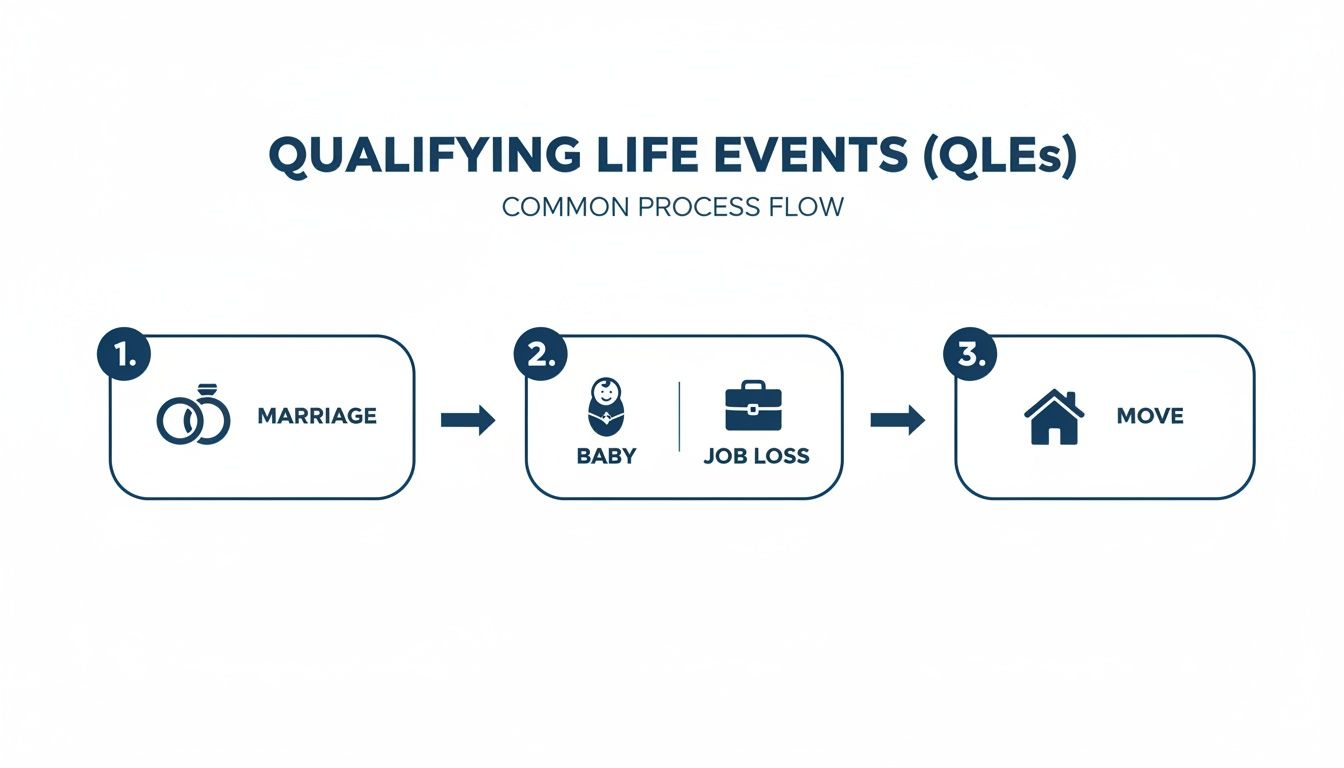
To determine whether you should choose this option, you must first understand what constitutes a qualifying life event under the UCPEA framework. These are not merely subjective changes; they are specific, documented occurrences that trigger a "special enrollment period." Common examples include:
- Legal Marital Status Changes: Marriage, divorce, or legal separation.
- Additions to the Family: The birth, adoption, or placement of a child for foster care.
- Changes in Employment Status: A spouse or domestic partner gaining or losing their own group insurance coverage.
- Death of a Dependent: The loss of a spouse or child, which may require a reduction in the beneficiary or coverage amount.
- Change in Dependent Eligibility: A child reaching an age limit or graduating, thereby no longer meeting the definition of a dependent under the policy.
The primary benefit of utilizing this option is the ability to adjust your premium contributions and death benefit amounts immediately following these events, rather than waiting for the next annual open enrollment period.
Comparing UCPEA Life Event Flexibility vs. Standard Enrollment
Many employees often wonder why they cannot simply wait for the annual open enrollment period to adjust their insurance. The following table highlights the critical differences between relying on standard cycles versus utilizing the life event option.
| Feature | Standard Open Enrollment | UCPEA Life Event Option |
|---|---|---|
| Timing | Annual, fixed window | Within 30-60 days of event |
| Flexibility | High (Change all options) | Targeted (Change relevant coverage) |
| Prerequisites | None | Documentary evidence required |
| Immediate Impact | Future plan year | Immediate upon verification |
| Suitability | General updates | Major life transitions |
By understanding these distinctions, you can better manage your insurance portfolio. Standard enrollment is ideal for elective changes, while the life event option serves as a risk-management tool for unexpected or sudden changes in your life structure.
The Importance of Timely Verification
A critical reason to engage with the UCPEA life event insurance option is the strict adherence to administrative deadlines. Insurance providers generally operate under strict regulatory timelines—often a 30-day or 60-day window following the occurrence of the life event. If you miss this window, the insurance provider may deny your request to change coverage, effectively locking you into your current plan until the next enrollment season.
Choosing to use this option proactively requires you to gather necessary documentation promptly. This may include marriage certificates, birth certificates, or proof of loss of coverage from another provider. By initiating the process as soon as the event occurs, you ensure that your coverage accurately reflects your financial reality without the risk of administrative rejection due to delayed filing.
Assessing Your Coverage Needs
Before making a change under the UCPEA life event option, it is essential to conduct a personal financial audit. Ask yourself whether your existing policy covers your current liabilities. For instance, if you have recently taken on a new mortgage (often associated with marriage or starting a family), your "need" for life insurance may have increased to protect your surviving beneficiaries from debt.
Conversely, if your children have reached financial independence, maintaining a high-coverage, high-premium policy may no longer be the most efficient use of your resources. The UCPEA option allows you to scale your coverage up or down, ensuring your insurance premium serves as a hedge against risk rather than an unnecessary expense.
Common Mistakes to Avoid
When navigating the UCPEA life event insurance option, members often fall into traps that can complicate their benefits:
- Waiting Too Long: As noted, waiting until after the grace period usually results in a forfeiture of the right to adjust coverage.
- Assuming Coverage is Automatic: Never assume that a life event automatically updates your insurance. You must actively initiate the change through the designated administrative portal or HR department.
- Ignoring Beneficiary Designations: Changing your insurance coverage amount is not the same as changing your beneficiary. When you experience a life event, review your primary and contingent beneficiaries to ensure they are still who you intend them to be.
- Miscalculating Coverage: Do not select a coverage amount based on arbitrary round numbers. Use a calculator or consult a financial professional to determine the actual capital required to replace your income for your dependents.
Frequently Asked Questions
Does the UCPEA life event insurance option require a medical exam? Usually, changes made due to a qualifying life event under group insurance plans are considered "guaranteed issue," meaning you generally do not need to provide medical evidence or undergo an exam, provided you apply within the required window. However, always check the specific policy terms for the coverage tier you are entering.
What happens if I submit my life event documentation late? If you miss the designated window, the insurer is not obligated to grant the change. You will typically be required to wait until the next open enrollment period to modify your coverage, which could leave you under-protected for several months.
Can I decrease my coverage using this option? Yes. While many people use the option to increase coverage, it is equally valid to use it to decrease coverage if a life event (such as a divorce or child reaching independence) reduces your total financial liabilities.
Is there a cost to change my insurance mid-year? There is no "fee" for making the change itself, but your monthly premium deductions will adjust to reflect the new level of coverage. You will pay the pro-rated cost for the new policy tier from the date of the change forward.
Should I consult a financial advisor before using the UCPEA option? While not mandatory, it is highly advisable. A financial advisor can help you determine the appropriate amount of coverage to carry based on your net worth, debt levels, and future income projections, preventing both over-insuring and under-insuring your household.
Next Actions for Members
To proceed with your UCPEA life event insurance adjustments, start by retrieving your current summary of benefits. Compare this against your current household financial needs. Contact the human resources or benefits administrative office to request the specific "Life Event Status Change" form or access the internal portal. Ensure you have certified copies of the event documentation—such as a marriage license or birth certificate—on hand, as these will be required to verify your eligibility for the mid-year change. By taking these steps, you maintain control over your financial security despite the inevitable changes life brings.
Image Gallery