Unlocking Astrological Synergy: What Zodiac Signs Are Meant to Be Together
When exploring astrological compatibility, determining what zodiac signs are meant to be together involves evaluating elemental harmony, ruling planetary influences, and foundational communicative dynamics. While any two individuals ca...
When exploring astrological compatibility, determining what zodiac signs are meant to be together involves evaluating elemental harmony, ruling planetary influences, and foundational communicative dynamics. While any two individuals can build a successful relationship through mutual effort, certain zodiac pairings experience a natural, effortless alignment in values, emotional expression, and long-term goals.
Contents
Understanding Astrological Elements and Compatibility Fundamentals
Astrological compatibility relies heavily on the four classical elements: Fire, Earth, Air, and Water. Each element governs a distinct mode of being, processing emotions, and navigating the world. Understanding these elemental foundations provides the framework for why certain signs experience immediate chemistry while others require conscious effort to bridge their differences.
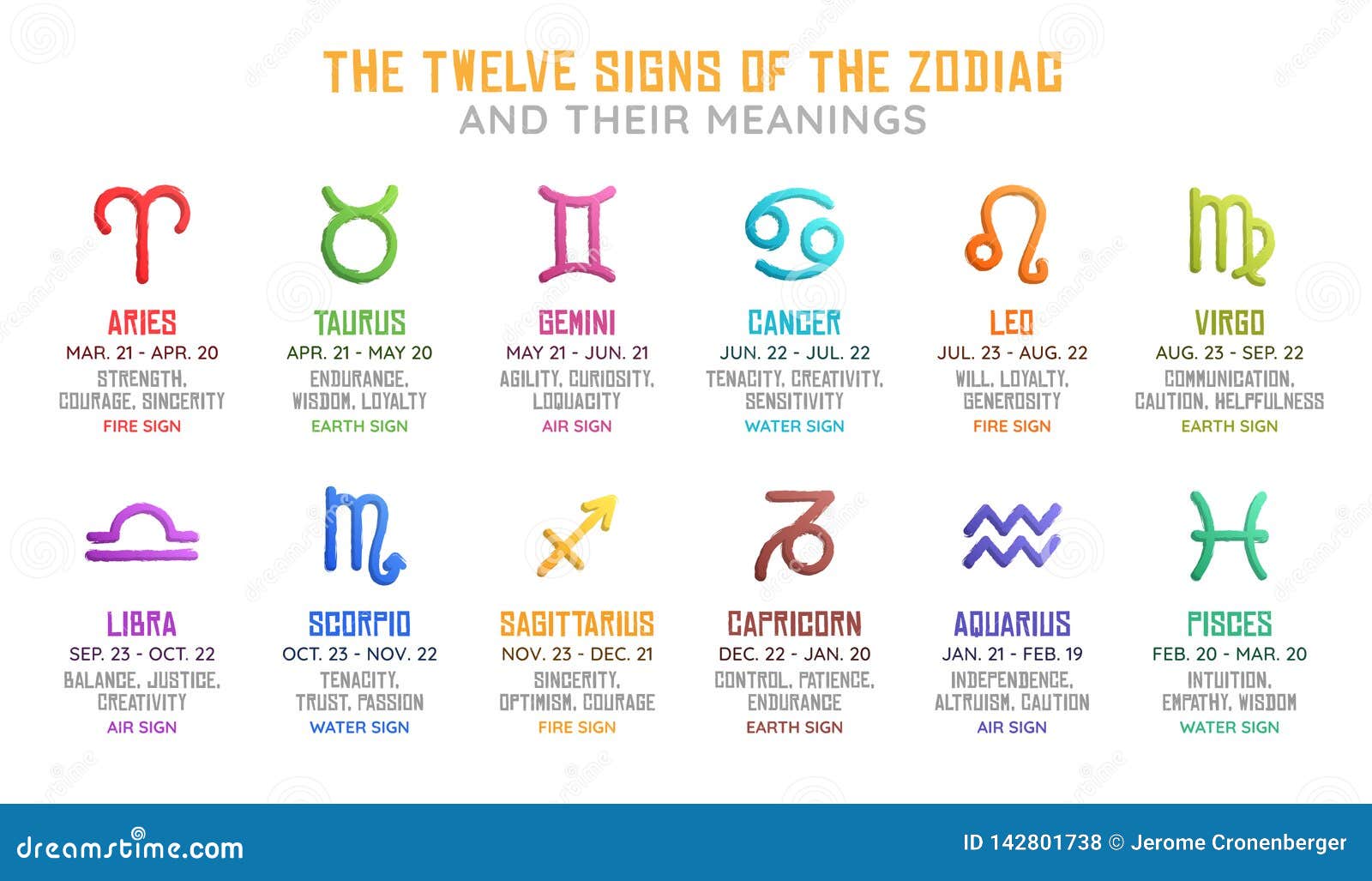
Fire Signs (Aries, Leo, Sagittarius)
Fire signs are characterized by passion, spontaneity, enthusiasm, and a drive for personal expression. They thrive on excitement and dynamic engagement. When paired together, Fire signs create an energetic, high-octane partnership marked by mutual inspiration and a shared appetite for adventure. However, balancing two strong egos is essential to prevent competitive friction.
Earth Signs (Taurus, Virgo, Capricorn)
Earth signs provide stability, practicality, physical grounding, and a strong work ethic. They value security, tangible achievements, and long-term planning. Earth-sign pairings build relationships on a bedrock of reliability and loyalty. Their shared focus on material and emotional security ensures a steadfast domestic life, though they must actively cultivate spontaneity to keep the romance vibrant.
Air Signs (Gemini, Libra, Aquarius)
Air signs govern the intellect, social connection, conceptual thinking, and communication. They are naturally curious, adaptable, and value mental stimulation above all else. Air-sign partnerships are defined by endless conversation, philosophical exploration, and a mutual respect for personal independence. The primary challenge for this group involves grounding their abstract ideas into consistent practical actions.
Water Signs (Cancer, Scorpio, Pisces)
Water signs navigate life through intuition, profound emotional depth, empathy, and sensitivity. They seek deep psychological intimacy and soulful connection. When Water signs unite, they form an empathetic bond where unspoken feelings are readily understood. Because they absorb the emotional states of their partners and surroundings, maintaining emotional boundaries is critical for their long-term well-being.
Elemental Combinations Matrix
The interaction between different elements dictates the inherent ease or friction of a relationship. Understanding how elements reinforce or challenge one another clarifies why specific sign combinations are traditionally considered deeply compatible.
| Elemental Combination | Primary Dynamic | Strengths | Potential Challenges |
|---|---|---|---|
| Fire + Fire | High-energy & Passionate | Mutual motivation, shared adventure, vibrant enthusiasm | Egotistical clashes, burnout, impulsivity |
| Earth + Earth | Grounded & Reliable | Unwavering loyalty, strong stability, practical goal alignment | Stubbornness, risk aversion, routine fatigue |
| Air + Air | Intellectual & Communicative | Mental stimulation, strong social connection, shared curiosity | Emotional detachment, overthinking, lack of grounding |
| Water + Water | Deeply Emotional & Intuitive | Profound empathy, soulful bonding, unconditional support | Emotional over-absorption, brooding, boundary issues |
| Fire + Air | Stimulating & Inspiring | Mutual encouragement, social harmony, dynamic growth | Lack of emotional depth, scattered focus |
| Earth + Water | Nurturing & Stable | Emotional security meets practical support, complementary strengths | Rigidity versus emotional sensitivity |
High-Compatibility Zodiac Pairings
Beyond elemental groupings, specific zodiac configurations share natural angles in the astrological wheel—such as trines (signs separated by four signs or 120 degrees) and sextiles (separated by two signs or 60 degrees)—that facilitate ease and understanding.
Aries and Sagittarius: The Adventurous Alliance
As fellow Fire signs, Aries and Sagittarius share a boundless enthusiasm for life. Aries brings initiative and courage, while Sagittarius contributes philosophical vision and optimism. Their relationship is rarely stagnant; they encourage each other to explore new horizons, learn continuously, and maintain active, independent lives outside the partnership.
Taurus and Virgo: The Practical Powerhouse
Taurus and Virgo form an Earth-sign alliance rooted in mutual respect for stability, hard work, and sensory appreciation. Taurus offers emotional steadiness and financial prudence, while Virgo brings analytical precision and attentive care. This pairing excels at building a secure, comfortable home and navigating life's practical demands with quiet efficiency.
Gemini and Libra: The Intellectual Symphony
Gemini and Libra connect profoundly through the realm of ideas. As Air signs, they prioritize clear communication, social engagement, and mental rapport. Gemini stimulates Libra’s love for beauty and balance with quick wit and versatility, while Libra provides social grace and diplomatic perspective to Gemini’s scattered impulses.
Cancer and Scorpio: The Soulful Sanctuary
Cancer and Scorpio create an intensely loyal Water-sign bond characterized by unspoken emotional resonance. Cancer offers tender nurturing and protective instincts, while Scorpio brings unwavering dedication and psychological depth. This pairing provides both partners with a safe harbor from external pressures, built on complete emotional transparency.
Complementary Oppositions: The Axis of Balance
In astrology, opposing signs—those located 180 degrees apart on the zodiac wheel—often experience a magnetic attraction. While differences exist, these pairs share a common axis of lessons, offering an opportunity for mutual growth and integration.
- Aries and Libra: Aries focuses on self-assertion and individual identity, while Libra focuses on partnership, harmony, and the needs of others. Together, they learn the delicate balance between independence and compromise.
- Taurus and Scorpio: Taurus governs personal resources, comfort, and tangible reality, whereas Scorpio rules transformation, shared resources, and psychological depth. They bridge the gap between material security and profound emotional evolution.
- Gemini and Sagittarius: Gemini gathers local information and details, while Sagittarius seeks universal truth and big-picture philosophy. They teach each other how to pair intellectual curiosity with meaningful wisdom.
Beyond Sun Signs: The Importance of the Full Birth Chart
While Sun signs offer a foundational understanding of compatibility, human personality is far more complex. A comprehensive astrological analysis requires examining the entire natal chart, particularly three core placements:
- The Moon Sign: Represents emotional instincts, subconscious needs, and how an individual seeks comfort and security at home.
- The Ascendant (Rising Sign): Governs social presentation, first impressions, and the instinctive approach to navigating the external environment.
- Venus and Mars Placements: Venus dictates romantic preferences, aesthetic values, and relational styles, while Mars governs drive, passion, conflict resolution, and physical energy.
Two individuals with incompatible Sun signs may experience profound harmony if their Moon and Venus placements form supportive aspects, highlighting the necessity of looking beyond basic horoscopes.
Frequently Asked Questions
Are opposing zodiac signs always destined for a difficult relationship?
No. Opposing signs sit on the same axis of development and often feel an intense, magnetic pull toward one another. While their methods differ, their ultimate goals can complement each other exceptionally well, provided both partners practice active listening and mutual respect.
What does it mean if two zodiac signs share the same element?
Sharing the same element means both individuals process the world through a similar fundamental lens—whether emotional, intellectual, practical, or energetic. This shared framework reduces foundational friction, though it requires conscious effort to introduce new perspectives if both partners share the same blind spots.
Can zodiac signs that are traditionally incompatible make a relationship work?
Yes. Sun sign compatibility is only one layer of an astrological profile. Factors such as Moon sign harmony, rising sign compatibility, and individual maturity play significant roles in the success of any partnership. Free will, shared values, and effective communication ultimately outweigh astrological indicators.
What is a "trine" in astrology, and why is it important for compatibility?
A trine occurs when two planets or signs are positioned approximately 120 degrees apart, usually falling within the same element. In compatibility analysis, trines represent a natural, harmonious flow of energy, making mutual understanding and cooperation feel effortless.
How do I find my complete astrological compatibility?
To evaluate full compatibility, generate synastry charts for both individuals using precise birth dates, times, and locations. Comparing planetary aspects between the two charts reveals specific relational dynamics across communication, emotional support, and long-term potential.
To determine what zodiac signs are meant to be together in your personal life, look beyond generalized Sun-sign descriptions and explore the full spectrum of your individual natal charts. Focus on open communication, mutual respect, and emotional maturity as the primary drivers of relationship success.
Image Gallery