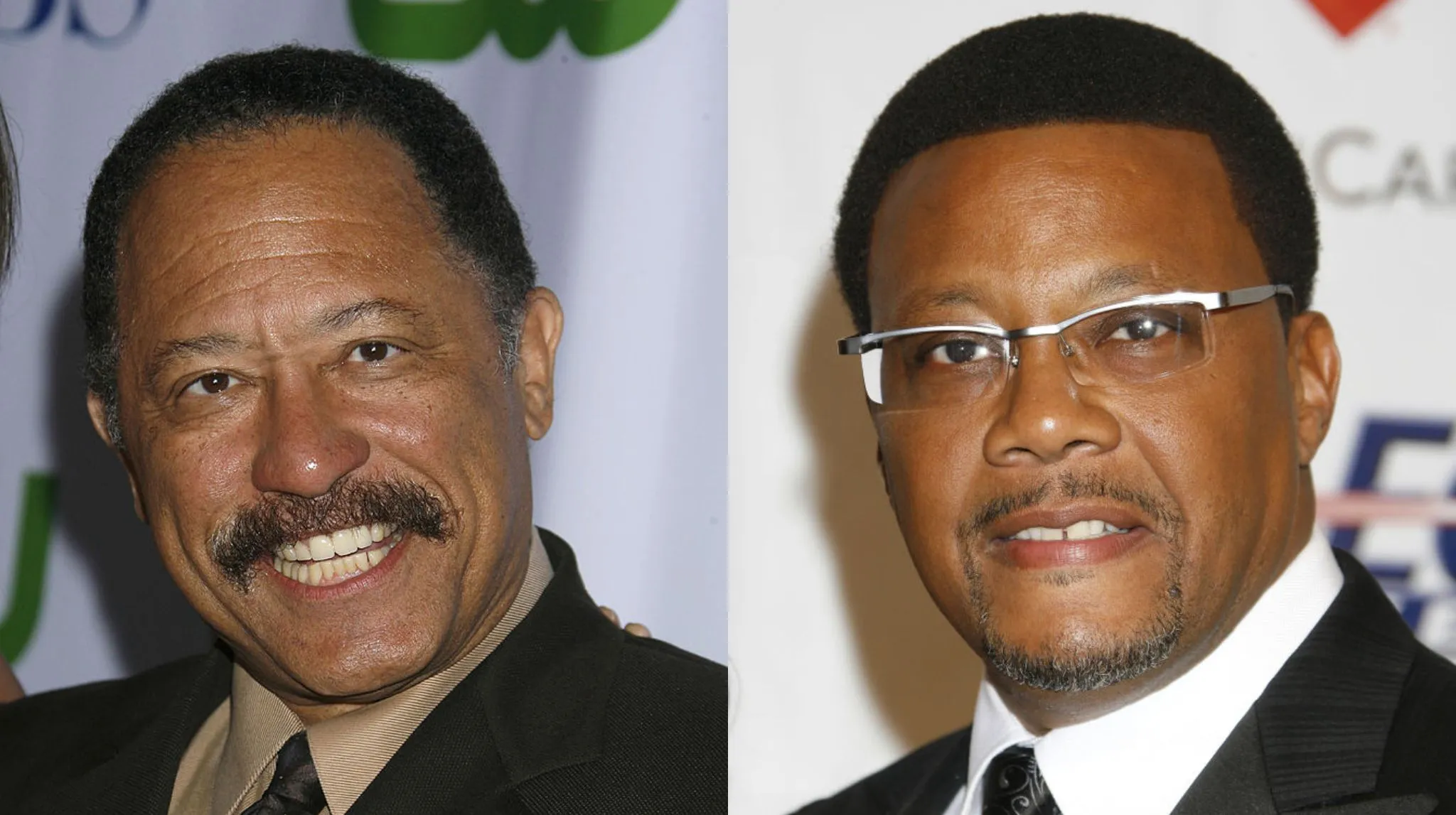
Judge Mathis Uncle and Nephew Update Explained: Resolution and Status in 2026
In the famous viral case of the uncle suing his nephew on Judge Mathis, the dispute was legally resolved when Judge Greg Mathis ruled in favor of the uncle, awarding him the full claim for the unpaid vehicle debt. As of 2026, the finan...
In the famous viral case of the uncle suing his nephew on Judge Mathis, the dispute was legally resolved when Judge Greg Mathis ruled in favor of the uncle, awarding him the full claim for the unpaid vehicle debt. As of 2026, the financial judgment has long been settled by the show’s production fund, though the family’s personal reconciliation remains private and complicated by the case's ongoing social media notoriety.
Contents
The "Uncle and Nephew" case remains one of the most searched and discussed episodes in the twenty-four-season history of the original Judge Mathis show. Even years after the initial broadcast and the show's subsequent transition to Mathis Court with Judge Mathis in late 2023, viewers continue to seek updates on whether the nephew ever took responsibility and how the family dynamic shifted after the cameras stopped rolling. To understand the update, one must first dissect the legal mechanics of the courtroom and the specific financial arrangements that govern televised arbitration.
The Core Dispute: Uncle John vs. His Nephew
The case centered on a classic family financial disagreement that escalated into a legal battle. The plaintiff, often referred to by fans as "Uncle John," brought a lawsuit against his nephew for approximately $5,000. The dispute arose from the sale of a vehicle. According to the testimony provided during the episode, the uncle had provided the car to his nephew under the impression that a structured payment plan would be followed.
The nephew, however, argued that the vehicle was either a gift or that the terms of the agreement had been met through other informal means. The tension in the courtroom was palpable, as Judge Mathis famously values family loyalty and respect for elders. The nephew’s dismissive attitude during the proceedings became a flashpoint for the episode, leading to a stern lecture from Judge Mathis regarding accountability and the importance of supporting the family members who helped raise you.
Evidence and Testimony
The uncle presented several pieces of evidence, including:
- Proof of Purchase: Documentation showing the uncle originally owned the vehicle.
- Communication Logs: Text messages or notes indicating a request for payment.
- Witness Statements: Corroboration from other family members regarding the intent of the transaction.
The nephew’s defense relied heavily on the lack of a formal, notarized contract—a common mistake in family loans. However, in the world of television arbitration, Judge Mathis often relies on "preponderance of evidence" and "credibility of testimony" to reach a verdict.
The Legal Update: Who Actually Paid the Debt?
The most significant "update" that many viewers miss is how the money actually changed hands. In the standard contract for the original Judge Mathis show (and most syndicated court shows), the litigants sign a binding arbitration agreement. This means that Judge Mathis is not acting as a government judge in this setting, but as an arbitrator.
One of the primary incentives for appearing on the show is the Production Fund. When Judge Mathis rules in favor of a plaintiff (the uncle), the money is not usually paid out of the defendant's (the nephew's) pocket. Instead, the production company pays the judgment amount out of a fund set aside for the episode.
Why This Matters for the Update
In the context of the 2026 update, this means:
- Financial Resolution: The uncle received his $5,000 shortly after the recording of the episode.
- Debt Forgiveness: The nephew was technically relieved of the debt because the show’s insurance and production budget covered the loss.
- Credit Impact: Because this was private arbitration, the judgment did not typically appear on the nephew’s public credit report in the same way a standard civil court judgment would.
Therefore, the "update" on the financial status is that the debt is considered fully satisfied. The uncle was made whole, and the nephew avoided the immediate financial ruin of a $5,000 hit to his personal bank account.
The Relationship Update: Life After the Cameras
While the legal matter was settled by the production company’s checkbook, the emotional fallout of the "Uncle and Nephew" case has been more enduring. Following the episode's viral success on platforms like TikTok and YouTube, both parties faced significant public scrutiny.
In 2026, the legacy of the case serves as a cautionary tale about "clout" and family disputes. Reliable reports from family associates and social media deep-dives suggest that the nephew struggled with the "villain" edit he received on television. Publicly, the nephew has occasionally defended his actions on social media, claiming that the show’s editing focused on his outbursts rather than his explanations.
The uncle, conversely, has been praised as a symbol of the "exhausted elder." His update is one of quiet resolution; having received his funds, he largely stepped away from the spotlight. Family sources indicate that while major holidays occasionally bring the extended family together, the specific bond between the uncle and nephew remained strained for several years following the 2019-2020 peak of the case's popularity.
The Transition to "Mathis Court" (2023–2026)
To understand the current status of such cases, it is essential to look at the landscape of the Judge Mathis brand in 2026. After the original show was canceled by Warner Bros. in 2023, Greg Mathis launched Mathis Court with Judge Mathis under Byron Allen’s Allen Media Group.
This transition changed how updates are handled. The newer format often features more follow-up segments. However, since the "Uncle and Nephew" case occurred under the previous production banner, it remains a "legacy case." The rights to those archives are still held by the original distributors, which is why we see the case constantly recycled in "Best Of" marathons without new, filmed updates from the parties involved.
| Feature | Original Case Status | 2026 Status/Update |
|---|---|---|
| Legal Ruling | Plaintiff (Uncle) Won | Binding and Final |
| Payment Source | Production Fund | Fully Disbursed |
| Relationship | Severely Strained | Ongoing Minimal Contact |
| Public Record | TV Arbitration | Viral Internet Archive |
| Judicial Oversight | Judge Greg Mathis | Still Active on Mathis Court |
Practical Lessons from the Uncle and Nephew Dispute
The enduring interest in this update stems from how relatable the situation is. To avoid the "Judge Mathis" scenario in your own life, legal experts suggest several steps when dealing with family loans or vehicle sales.
1. The "Family Contract" Requirement
Even if you trust your nephew, uncle, or sibling, a simple written agreement is vital. It should include the total price, the payment schedule, and what happens if a payment is missed. In the viral case, the lack of a clear "default" clause made the nephew feel he could delay payments indefinitely.
2. Understanding Arbitration
When you see an update about a court show case, remember that the parties agreed to stay out of the traditional court system. The "update" is often that the conflict is over because the show provided a "win-win" financially: the plaintiff gets paid, and the defendant doesn't have to pay. This often prevents the "update" of a defendant going to jail or having wages garnished.
3. Emotional Cost vs. Financial Gain
The biggest update for the uncle and nephew wasn't the $5,000; it was the loss of privacy. In 2026, anyone searching their names will find the courtroom footage. This "digital footprint" is a permanent update that both parties must live with, affecting employment and future relationships.
Frequently Asked Questions
Did the nephew ever pay the uncle back?
Technically, no. In the Judge Mathis show format, the production company pays the judgment amount to the winner. The uncle received his money, but it came from the show's budget, not from the nephew's personal funds. This is a standard feature of televised small claims court.
Is the Judge Mathis "Uncle and Nephew" case real?
Yes, the cases on Judge Mathis are based on real small claims filings. While the producers may encourage the participants to be more expressive or "vocal" for television, the underlying legal dispute over the car and the money was a genuine conflict between the two family members.
Where can I watch the update on the Uncle and Nephew?
There has not been a formal "Where Are They Now" televised special specifically for this pair. Most updates come from the uncle's occasional social media mentions or the nephew's responses to comments on viral clips. The original episode continues to air in syndication and on streaming platforms that carry the Judge Mathis library.
What happened to Judge Mathis after this case?
Judge Greg Mathis continued his show until 2023, when it was canceled after 24 seasons. He immediately pivoted to a new show, Mathis Court with Judge Mathis, which continues to air in 2026. He remains one of the longest-running judges in television history.
Can the uncle sue the nephew again for the same thing?
No. Because they signed a binding arbitration agreement, the ruling by Judge Mathis is final. "Res judicata" applies here, meaning the matter has been judged and cannot be relitigated in another court.
Final Recommendation for Families
The update to the Judge Mathis uncle and nephew case serves as a powerful reminder that while television can solve a financial problem through production funds, it rarely heals the underlying family trauma. If you are involved in a family dispute over money in 2026, consider mediation or formalized lending agreements before taking the matter to a public forum. The "payment" you receive from a court show may not be worth the permanent public record of a family falling apart.
Image Gallery