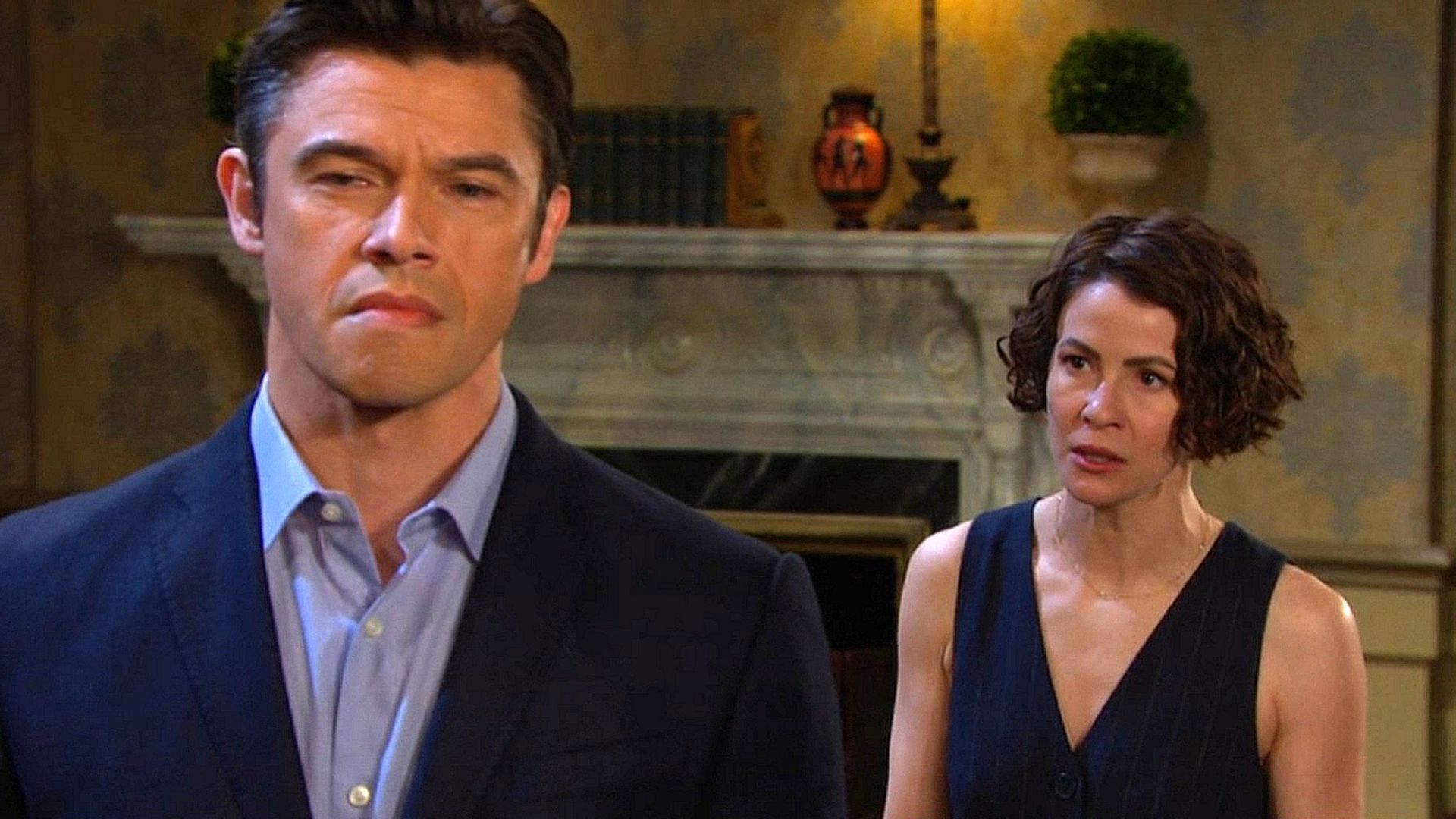
Linsey Godfrey on IMDb and Her Evolving Roles: A Career Retrospective
Linsey Godfrey has established a notable presence in the entertainment industry, particularly within the competitive landscape of daytime television. Her filmography, as documented on IMDb, reflects a trajectory defined by both high-pr...
Linsey Godfrey has established a notable presence in the entertainment industry, particularly within the competitive landscape of daytime television. Her filmography, as documented on IMDb, reflects a trajectory defined by both high-profile recurring roles and a commitment to character-driven storytelling. By examining her body of work and the chronological shift in her professional choices, we can gain a clearer understanding of how she has navigated the industry's demands and transitioned across various genres and production formats.
Contents
Understanding the Scope of the IMDb Profile
For professionals and enthusiasts monitoring actor career paths, IMDb serves as a critical primary data source. It provides a structured, chronological record of an actor’s professional appearances, including uncredited roles, guest spots, and long-term series commitments. In the case of Linsey Godfrey, the platform acts as a digital ledger that charts her entry into the industry in the mid-2000s through her current status in 2026.
Analyzing Godfrey’s IMDb profile requires distinguishing between different types of acting credits. Her early career is characterized by guest appearances in prime-time television, which provided the foundational experience necessary for the technical demands of daily episodic television. As the industry evolved during the 2010s and 2020s, her role selection moved from supporting guest slots to becoming an anchor figure in serialized dramas. Understanding this progression is essential for identifying the "evolving roles" mentioned in her professional narrative.
The Foundation: Early Career and Prime-Time Guest Roles
Before securing long-term contracts, actors often build their portfolios through short-term guest roles in established series. This period is vital for establishing screen presence and demonstrating versatility. Godfrey’s early credits show a strategic selection of projects that allowed her to work within diverse production environments, ranging from procedural dramas to teen-oriented comedies.
These early years were characterized by the "day-player" and "guest-star" model. This format requires an actor to adapt quickly to a pre-existing cast dynamic, understand the specific pace of the show, and deliver a character-defined performance in a limited number of scenes. Successfully navigating these roles is a prerequisite for being considered for series regular positions, as it demonstrates reliability and the ability to hit technical marks without significant rehearsal time.
Transition to Serialized Daytime Drama
The most significant shift in Linsey Godfrey’s career trajectory is her transition into daytime soap operas. This genre is unique in the television industry, known for its grueling production schedules, high-volume dialogue, and the need for rapid emotional transitions. Unlike prime-time television, which may allow weeks for production, daytime drama operates on a production cycle where episodes are completed with minimal turnaround.
Her tenure in these roles has allowed her to develop a specific set of technical skills:
- Dialogue Retention: Memorizing scripts that span dozens of pages daily.
- Emotional Depth: Sustaining high-stakes character arcs over multiple years, rather than episodic beats.
- Technical Precision: Working with multiple camera setups and lighting constraints that require precise physical positioning.
This transition represents a maturation in her career where she moved from being a participant in someone else's story to being an essential pillar of a program's narrative engine.
Comparative Analysis of Role Types
To understand the evolution of an actor's career, it is helpful to contrast the demands of different production formats. The following table highlights the differences between the roles Godfrey has navigated throughout her professional life.
| Feature | Prime-Time Guest Roles | Serialized Daytime Roles |
|---|---|---|
| Duration | Short-term (1–3 episodes) | Long-term (Years) |
| Pacing | Moderate (Rehearsal time provided) | Fast (Multiple episodes per week) |
| Narrative Focus | Peripheral to main plot | Central to ensemble dynamics |
| Technical Demand | Focus on scene entry/exit | Focus on stamina and endurance |
| Audience Relation | Impression-based | Relationship-based (Bonding) |
Evolving Roles and Creative Agency
As an actor progresses in their career, the choice of roles often shifts from taking "any available work" to a curated selection process. For an established performer, the "evolving roles" are not just changes in character names, but changes in the type of influence they exert on a production. In 2026, Godfrey’s career demonstrates a transition toward roles that require a sophisticated understanding of human psychology and the ability to anchor complex, multi-year storylines.
This evolution is characterized by a move toward:
- Complexity: Seeking roles with moral ambiguity rather than standard archetypes.
- Collaboration: Working with writers to refine character voices over long periods.
- Stability: Prioritizing projects that allow for character growth that unfolds over years, rather than the rapid, compressed arcs of limited series.
Technical Requirements of the Modern Actor
The industry in 2026 is fundamentally different from the mid-2000s when Godfrey began her career. The rise of digital casting platforms, the necessity of social media presence, and the changing landscape of streaming versus broadcast have altered the requirements for actors.
For any performer looking at a career path similar to Godfrey's, the following requirements are constant:
- Maintenance of Professional Records: Ensuring that databases like IMDb and casting portfolios are updated, accurate, and reflective of the actor's current look and range.
- Union Participation: Maintaining eligibility and membership within acting unions, which remains the standard for securing consistent, protected work in professional television.
- Adaptability: The ability to pivot between different screen sizes—from the traditional broadcast format of soaps to the high-definition requirements of modern streaming platforms.
Frequently Asked Questions
What is the most accurate way to verify Linsey Godfrey's current project list? The most accurate verification method is to consult her official IMDb Pro profile. This platform provides the most up-to-date documentation on professional credits, including "In Development" or "Post-Production" statuses that may not yet be listed on standard public search results.
How does working in daytime soap operas affect an actor's reputation? Historically, soap operas were viewed as a distinct silo, but they are now recognized as one of the most rigorous training grounds in the industry. Actors who succeed in this format are often highly sought after for other projects due to their speed, work ethic, and ability to handle intense, continuous shooting schedules.
Are guest roles on prime-time shows still relevant for experienced actors? Yes. Guest roles serve as a means to maintain visibility across different networks and production companies. They allow established actors to break out of their "daytime" typecasting and demonstrate their range to a wider audience, which is critical for future casting considerations in limited series or feature films.
Does Linsey Godfrey’s IMDb profile indicate a preference for specific genres? While her profile is heavily weighted toward dramatic television, the diversity of her early guest credits suggests a broad range. Her evolution shows a trend toward character-driven drama, which is a common trajectory for actors who have spent significant time in the serialized format, as they often seek to leverage their emotional range in more varied, shorter-form projects.
Why is it important to distinguish between acting credits in a biography? Distinguishing between guest spots, recurring roles, and series regular positions is necessary to assess an actor’s professional standing and negotiating power. Each category of role carries a different level of responsibility and technical requirement, which directly impacts the actor’s career trajectory and earning potential.
Next Actions for Career Analysis
If you are researching Linsey Godfrey for professional or industry analysis purposes, the recommended next action is to filter her IMDb credits by "Release Date" and "Genre." By observing which years were particularly dense with work versus years where her role selection appeared more selective, you can deduce the external pressures or personal choices that shaped her career. Furthermore, comparing her early guest roles to her later series-regular work provides a tangible case study on the value of long-term development in the acting profession. Always verify any news or project announcements against official studio press releases or verified trade publications to ensure the information is current and accurate as of 2026.
Image Gallery