LIJ Medical Center Emergency Department Wait Times: 2026 Patient Guide
Long Island Jewish (LIJ) Medical Center, part of Northwell Health, operates a high-volume Level 1 Trauma Center. This guide clarifies that "lij er wait time" refers to the emergency department intake and triage processing times at the...
Long Island Jewish (LIJ) Medical Center, part of Northwell Health, operates a high-volume Level 1 Trauma Center. This guide clarifies that "lij er wait time" refers to the emergency department intake and triage processing times at the New Hyde Park campus, not unrelated commercial entities.
Contents
Understanding Emergency Department Triage and Throughput in 2026
When patients arrive at the LIJ Medical Center Emergency Department, they are not processed on a first-come, first-served basis. Instead, clinical staff utilize the Emergency Severity Index (ESI) to prioritize care based on physiological acuity and resource requirements. As of 2026, the triage process at LIJ is integrated with the Northwell Health digital health record system, which allows for real-time tracking of diagnostic turnaround times and bed availability.
The complexity of wait times at a major teaching hospital like LIJ is driven by several operational variables:
- Patient Acuity Levels: Life-threatening emergencies (ESI 1 and 2) trigger immediate intervention, which can temporarily shift resources away from lower-acuity cases (ESI 4 and 5).
- Diagnostic Latency: The time required for laboratory results (STAT panels) and radiology interpretation (CT/MRI) directly impacts the length of stay in the emergency department.
- Specialized Consultations: As a tertiary care facility, LIJ requires internal consultations from specialized surgical or medical teams, which are dependent on current inpatient capacity and surgical schedules.
- Throughput Bottlenecks: The transition from the emergency department to an inpatient unit relies on bed availability, which is influenced by hospital discharge patterns throughout the morning and early afternoon.
2026 Operational Metrics and Wait Time Expectations
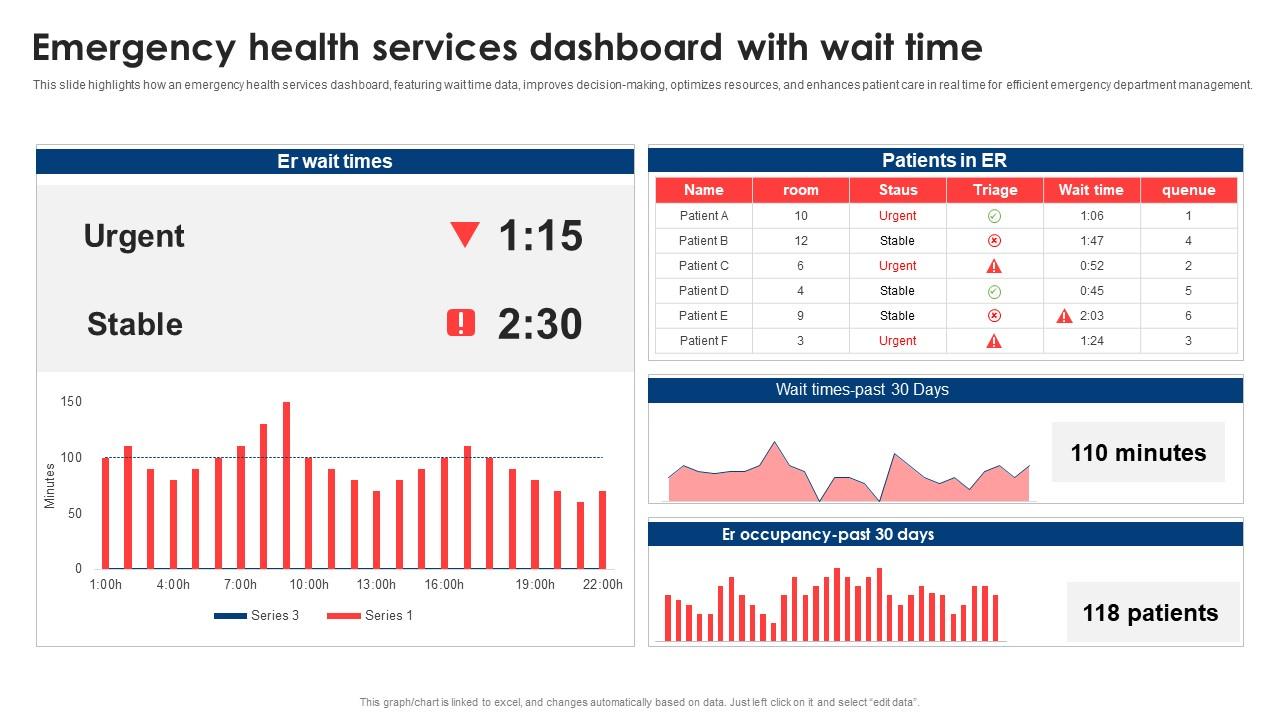
Patients seeking care at LIJ in 2026 should understand that "wait time" is a fluid metric. While digital displays and mobile apps may provide estimated door-to-provider times, these are approximations based on rolling averages rather than real-time individual projections.
| Metric Type | Expected Process Stage | 2026 Benchmark Performance |
|---|---|---|
| Triage | Initial nursing assessment | Under 15 Minutes |
| Door to Provider | First contact with physician/PA | 30 to 60 Minutes (High Acuity) |
| Diagnostic Cycle | Blood work/Imaging completion | 90 to 180 Minutes |
| Disposition | Decision to admit or discharge | Variable based on specialty |
It is important to note that these benchmarks apply to standard operating conditions. During high-census periods—such as peak viral seasons in late 2026 or major local events—these intervals may extend.
Navigating Insurance and Administrative Requirements
LIJ Medical Center operates within the Northwell Health network. Understanding your coverage before arrival is critical for navigating the post-emergency administrative process. Northwell Health maintains broad network participation, but the specific status of your health plan determines the transition from emergency care to follow-up or specialty care.
Important Coverage Notice
Emergency services are covered under the Emergency Medical Treatment and Labor Act (EMTALA) regardless of insurance status. LIJ provides stabilizing treatment to all patients. However, for non-emergency follow-ups, ensure your plan is listed in the active Northwell provider network for 2026. Most major commercial PPO plans and specific Medicare Advantage (MA) plans are contracted, but HMO plans typically require a PCP referral for any non-emergency follow-up procedures scheduled after discharge.
Optimizing Your Experience at LIJ Medical Center
To minimize delays and ensure the highest quality of care, patients and their advocates should follow these professional recommendations:
- Preparation of Clinical History: Bring an updated list of current medications, dosage frequencies, and a summary of chronic conditions. If you have been treated previously at a Northwell facility, confirm that your electronic health record is accessible.
- Effective Communication: Clearly articulate your primary symptoms, the duration of the issue, and any recent treatments or interventions performed elsewhere.
- Advocacy: Designate one primary family spokesperson. A single point of contact prevents conflicting requests and streamlines communication between the medical team and the family.
- Digital Documentation: Use the Northwell Health patient portal to access discharge instructions and laboratory results post-visit. This avoids the need for administrative follow-ups via telephone.
Strategic Comparison of Care Sites
Choosing the correct site of service is the most effective way to influence your wait time. If a condition is not life-threatening, emergency department wait times will inevitably be higher than at urgent care centers or primary care offices.
| Care Site | Ideal Use Case | Relative Wait Time |
|---|---|---|
| LIJ Emergency Department | Trauma, Chest Pain, Stroke, Severe Respiratory Distress | High (Prioritized by Acuity) |
| Northwell Urgent Care | Minor Lacerations, Sprains, Low-grade Fever | Low to Moderate |
| Primary Care/Virtual Visit | Medication Refills, Chronic Condition Management | Lowest (Scheduled) |
Frequently Asked Questions
Does LIJ accept my insurance for emergency care? Yes. Under federal law, LIJ treats all emergency patients regardless of their insurance provider or coverage status. For emergency stabilization, the hospital is required to provide care without regard to financial ability or network participation.
Can I check wait times online before leaving home? Northwell Health provides generalized updates, but emergency departments do not offer live "queuing" or booking. Because wait times change by the minute based on incoming trauma, online estimates should be used as a general guide rather than a precise arrival window.
What is the ESI system and why does it affect my wait? The Emergency Severity Index (ESI) is a five-level triage algorithm used to categorize patients based on severity. Level 1 (resuscitation) and Level 2 (emergent) patients are always seen before Level 4 or 5 patients, regardless of who arrived first.
What happens if I arrive and have to wait? If your condition changes or worsens while waiting in the triage or lobby area, immediately inform the triage nurse. Your triage level is re-evaluated constantly, and you will be upgraded in the queue if your clinical status deteriorates.
How does Northwell prioritize patients with chronic illnesses? Patients with pre-existing relationships within the Northwell system may have faster access to their specific medical records, which helps the triage team understand their baseline status. However, acuity remains the primary driver of wait times for all patients.
Professional Guidance for Urgent Healthcare Access
When assessing whether a visit to the LIJ Medical Center Emergency Department is necessary, prioritize safety above all else. If you are experiencing symptoms such as crushing chest pain, signs of stroke, severe uncontrollable bleeding, or difficulty breathing, do not monitor wait times—seek immediate emergency assistance or call 911. For all non-emergent concerns, utilize the Northwell Health portal to schedule a virtual visit or an appointment with a primary care provider to ensure you receive the most efficient and appropriate level of care for your 2026 health needs.
Image Gallery