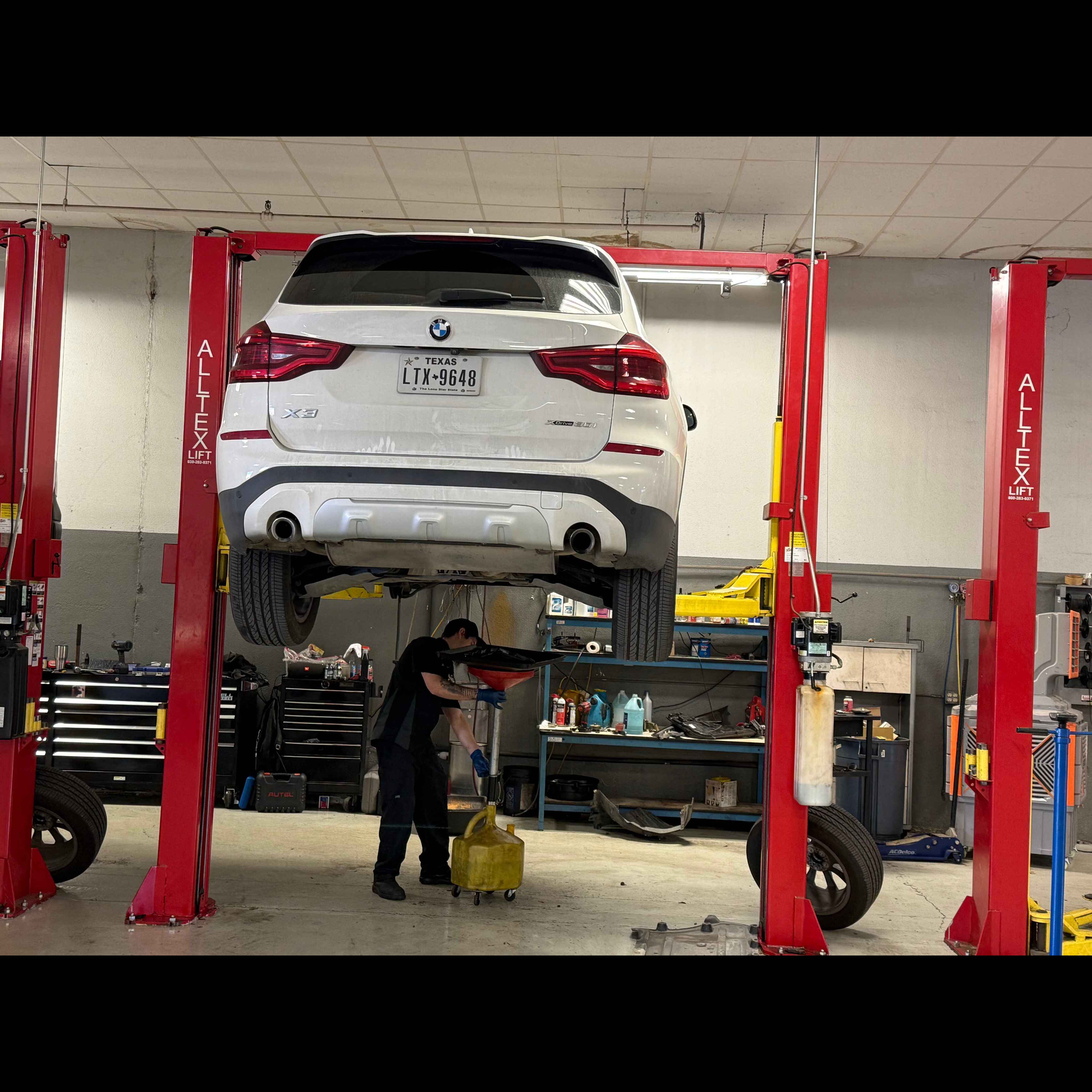
Rick and Rays Auto Plaza Service Overview: Comprehensive Maintenance and Repair Guide
Rick and Rays Auto Plaza functions as a multi-disciplinary automotive service facility, providing a centralized location for routine maintenance, diagnostic testing, and complex mechanical repairs for various vehicle makes and models....
Rick and Rays Auto Plaza functions as a multi-disciplinary automotive service facility, providing a centralized location for routine maintenance, diagnostic testing, and complex mechanical repairs for various vehicle makes and models. The facility addresses the operational requirements of passenger vehicles and light trucks by integrating standard preventative care, such as oil changes and tire services, with specialized powertrain and electrical system diagnostics to ensure long-term vehicle safety and performance.
Contents
Understanding the Service Scope at Rick and Rays Auto Plaza
Vehicle maintenance is rarely a singular task; it involves a complex interplay of mechanical, electronic, and fluid-based systems. Rick and Rays Auto Plaza operates on the principle of holistic vehicle health, meaning technicians look beyond the immediate reason for a service visit to identify secondary issues that could lead to more significant failures.
For the average vehicle owner in 2026, the service center acts as a primary hub for maintaining factory-recommended service intervals. Whether a vehicle is approaching a milestone maintenance check—such as 30,000, 60,000, or 90,000 miles—or requires an unexpected repair, the facility utilizes standardized diagnostic equipment to isolate faults. This approach minimizes the risk of “parts-swapping” diagnostics, where components are replaced unnecessarily without addressing the root cause of an issue.
Routine Preventative Maintenance Services
Preventative maintenance is the most effective strategy for extending the life of a vehicle. At Rick and Rays Auto Plaza, these services are prioritized to prevent wear-and-tear degradation.
Fluid Management and Lubrication
Oil changes remain the most frequent service request. The facility manages engine lubrication using manufacturer-specified oil grades, ranging from conventional blends to full synthetics required by modern turbocharged or high-performance engines. Beyond the engine, the service overview includes the inspection and replenishment of transmission fluid, brake fluid, coolant (antifreeze), and power steering fluid. Monitoring these levels is critical, as contaminated or low fluids often serve as the first indicator of a failing seal or gasket.
Tire and Chassis Integrity
Tire health is directly linked to fuel efficiency and safety. The service center provides tire rotations, balancing, and pressure monitoring system (TPMS) calibration. By ensuring that tires wear evenly, the facility helps maximize the lifespan of the rubber, reducing the need for premature replacements. Chassis inspections—covering suspension bushings, ball joints, and shocks or struts—are also integrated into these visits to ensure the vehicle maintains proper geometry, which is essential for steering precision and tire longevity.
Diagnostic Capabilities and Technical Depth
When a vehicle presents with a warning light, such as a "Check Engine" indicator, the diagnostic process at Rick and Rays Auto Plaza follows a systematic protocol.
- Initial Scan: Using On-Board Diagnostics (OBD-II) scanners, technicians retrieve trouble codes (DTCs) stored in the vehicle’s Engine Control Module (ECM) or other vehicle modules.
- Data Stream Analysis: Technicians monitor live data streams to observe how sensors—such as Oxygen sensors, Mass Air Flow (MAF) sensors, and fuel trims—are behaving in real-time under load.
- Physical Verification: Sensors do not always fail; wiring harnesses, vacuum leaks, or mechanical timing issues often trigger false or secondary codes. The technical staff verifies the findings physically before authorizing parts replacement.
This structured approach is particularly important for modern vehicles equipped with advanced driver-assistance systems (ADAS) or complex electronic architectures. In 2026, the complexity of vehicle software has made diagnostic expertise as valuable as mechanical skill.
Comparative Overview of Common Maintenance Tasks
To help vehicle owners manage their service budget and schedule, the following table outlines common maintenance areas, their primary function, and the general impact on vehicle longevity.
| Service Category | Primary Function | Frequency (Typical) | Impact on Longevity |
|---|---|---|---|
| Engine Oil Service | Lubrication and thermal cooling | Every 5,000–7,500 miles | High: Prevents internal friction wear |
| Cooling System Flush | Prevents overheating and corrosion | Every 30,000–50,000 miles | High: Protects cylinder heads/gaskets |
| Brake Inspection | Friction material assessment | Every 10,000 miles | Critical: Safety and rotor protection |
| Tire Rotation | Even wear distribution | Every 6,000–8,000 miles | Moderate: Extends tire life cycle |
| Battery Terminal Care | Prevents electrical resistance | Annual | Low/Moderate: Ensures reliable starts |
Addressing Electrical and Powertrain Issues
Powertrain concerns—those affecting the engine, transmission, or drive axle—are the most significant repairs a vehicle may face. Rick and Rays Auto Plaza addresses these through a combination of rebuild and replacement services.
If a transmission exhibits slipping or delayed engagement, technicians assess if the issue is electronic (solenoid or sensor failure) or mechanical (clutch pack or band wear). By distinguishing between these two, the service center provides options that range from fluid exchanges and solenoid packs to full transmission overhauls, depending on the severity of the internal damage.
Electrical diagnostics are equally important. As vehicle electronics become more integrated, issues like "parasitic drain"—where a battery loses charge while the vehicle is off—are increasingly common. Technicians use multi-meters and circuit testing to trace shorts or high-resistance ground points, ensuring that the charging system functions correctly within the manufacturer’s specified voltage parameters.
Requirements for Service Appointments
Preparation is key to an efficient service experience. Customers should adhere to the following guidelines when visiting Rick and Rays Auto Plaza:
- Documentation: Always provide a brief, written description of the symptoms if the issue is intermittent. For example, note if the problem occurs only when the engine is cold, or during specific driving conditions like braking or highway acceleration.
- Maintenance History: Providing a record of previous services helps technicians identify if a failed component is still under a manufacturer or service-center warranty.
- Assessment Authorization: Understand that diagnostic time is billable labor. Advanced diagnostics for electrical shorts or intermittent engine misfires may require several hours of labor before a quote for the final repair can be provided.
Common Misconceptions Regarding Auto Repairs
Many vehicle owners believe that service intervals are "suggestions" from manufacturers to drive dealership traffic. In practice, these intervals are based on the thermal and mechanical breakdown rates of fluids and components. Delaying an oil change beyond the recommended interval allows for carbon sludge buildup, which can restrict oil flow to sensitive internal components like variable valve timing (VVT) actuators.
Another misconception is that any warning light can be ignored if the car "drives fine." A flashing check engine light usually indicates an active misfire, which can cause unburned fuel to dump into the catalytic converter, potentially leading to thousands of dollars in damage to the exhaust system.
FAQ: Frequently Asked Questions
1. Does Rick and Rays Auto Plaza handle hybrid or electric vehicle (EV) maintenance? Maintenance for hybrid and EV models involves specific high-voltage safety protocols. The service center addresses standard mechanical components like brakes, tires, and suspension systems, but owners should inquire about specific powertrain capabilities related to high-voltage battery cooling systems or inverter diagnostics before scheduling.
2. How do I know if I need a full diagnostic or just a standard inspection? A standard inspection is usually a visual check of wear items like pads, tires, and belts. A full diagnostic is required when the vehicle is exhibiting a specific performance issue, such as a noise, vibration, or warning light, and the source of the problem is not immediately visible.
3. Is there a warranty provided on repair parts and labor? Warranties on parts and labor typically align with standard industry practices, often covering the components and the labor for a set period or mileage interval. You should confirm the specific warranty terms on your invoice at the time of repair.
4. Can I provide my own parts for a repair? Most professional facilities prefer to source their own parts to ensure compatibility and to facilitate warranty claims. Providing your own parts may void the labor warranty, as the technician cannot guarantee the quality or correct specification of external components.
5. How often should I check my vehicle’s fluids between visits? It is recommended to check engine oil and washer fluid levels once a month or before any long-distance road trip. Keeping a spare quart of the manufacturer-recommended oil in the trunk is a proactive habit for older vehicles.
Recommendations for Ongoing Vehicle Health
To get the most out of your visits to Rick and Rays Auto Plaza, maintain a "living file" of your vehicle's service history. In 2026, digital records are preferred. When you drop off your vehicle, be specific about the symptoms and prioritize urgent safety-related items—such as brakes and steering components—over cosmetic or non-essential repairs. Consistency with your service center allows the technicians to become familiar with the unique quirks of your vehicle, which leads to faster, more accurate diagnoses over the long term. If you are uncertain about a recommended repair, ask the service advisor to show you the worn part on the vehicle or explain the specific technical reason for the recommendation.
Image Gallery