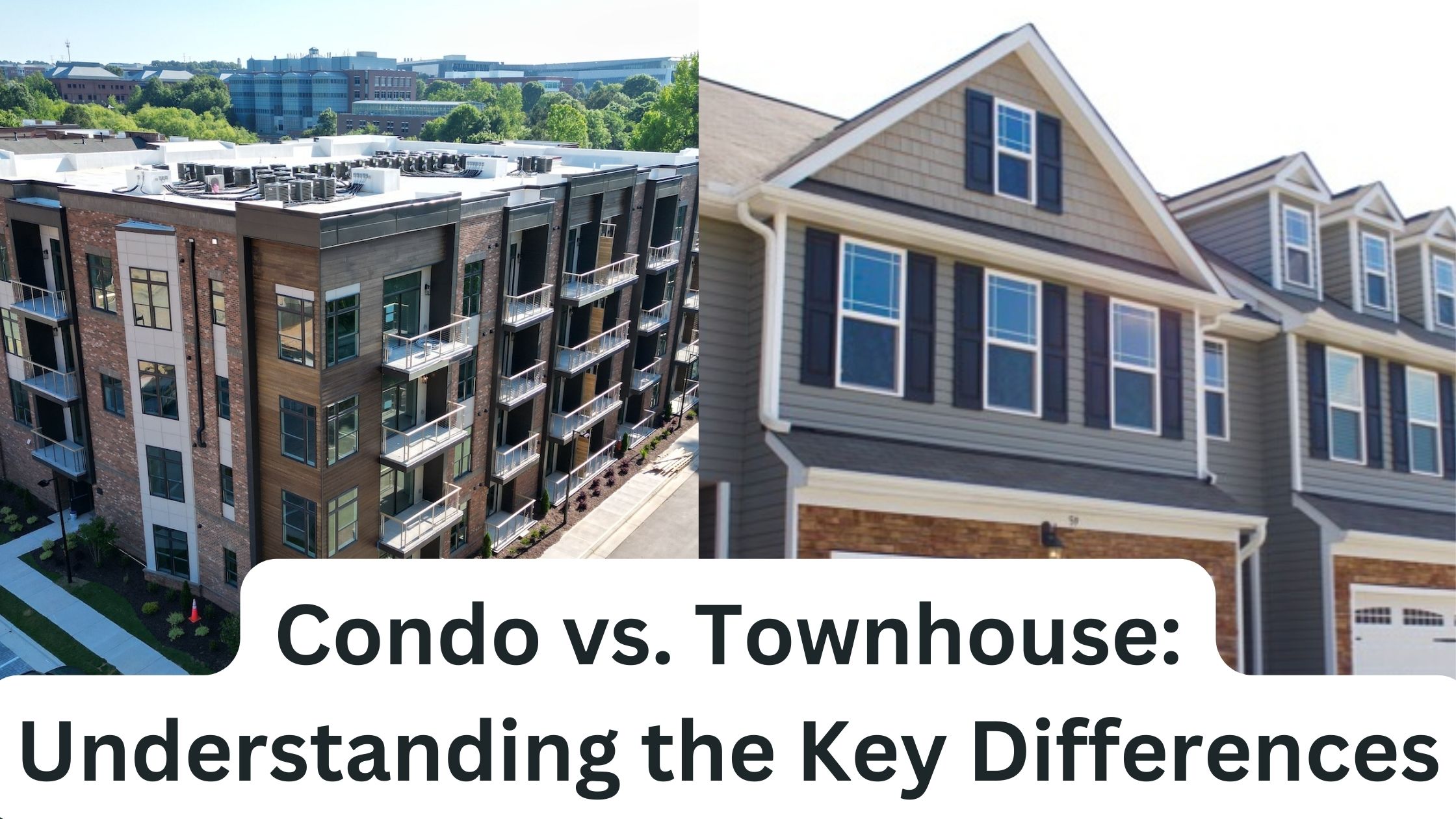
Apartment and House Difference Explained
Choosing between an apartment and a house involves balancing physical space, financial commitments, maintenance responsibilities, and long-term lifestyle goals. While both options provide shelter, they differ significantly in layout, o...
Choosing between an apartment and a house involves balancing physical space, financial commitments, maintenance responsibilities, and long-term lifestyle goals. While both options provide shelter, they differ significantly in layout, ownership structures, privacy levels, and daily operational requirements, making a thorough comparison essential before making a real estate decision.
Contents
Defining the Core Differences: Apartments vs. Houses
At the most fundamental level, an apartment is a self-contained housing unit that occupies only a portion of a larger residential building, whereas a house is a standalone structure built on its own parcel of land. This basic architectural difference dictates almost every aspect of the living experience, from who is responsible for fixing a leaky roof to how much privacy you have from your neighbors.
An apartment typically shares walls, floors, ceilings, and utility infrastructure with neighboring units. It is usually managed by a property management company or a landlord, particularly when rented, though cooperative and condominium models allow for individual ownership. Conversely, a house stands independently on a designated plot of land (often referred to as a lot). House residents usually hold a title to both the physical building and the land beneath it, granting them absolute autonomy over the property, subject only to local zoning laws and homeowner association (HOA) rules if applicable.
Financial Considerations and Ongoing Costs
The financial implications of choosing an apartment versus a house extend far beyond the initial monthly payment. Renting an apartment generally requires a security deposit and monthly rent, which often includes or caps certain utility and maintenance expenses. For those who own a condominium or cooperative apartment, monthly HOA fees cover shared amenities, exterior maintenance, and structural insurance, but these fees can increase over time.
Purchasing a house involves a completely different financial framework. Buyers must secure a mortgage, pay property taxes directly to local municipalities, and purchase comprehensive homeowners insurance. Furthermore, house owners carry 100% of the financial burden for maintenance and repairs. If a water heater bursts or the foundation settles, the homeowner covers the entire repair bill. In an apartment, these structural liabilities typically fall on the landlord or the property management reserve fund.
Maintenance, Repairs, and Daily Responsibilities
Maintenance expectations represent one of the most prominent contrasts between these two housing types.
In an apartment, property upkeep is largely hands-off for the occupant. When a plumbing failure, electrical fault, or appliance breakdown occurs, residents submit a maintenance request, and the landlord or property manager handles the fix at no direct labor cost to the tenant. Exterior tasks such as roof repair, hallway cleaning, landscaping, and snow removal are managed entirely by building staff or contracted services.
Living in a house shifts all operational burdens to the occupant. Homeownership requires active property management. Residents must regularly clean gutters, service HVAC systems, mow lawns, remove snow, and inspect the roof for weather damage. While this demands a significant investment of time and physical effort, it also provides complete control over the quality and timing of all repairs and property modifications.
Privacy, Space, and Architectural Layout
Spatial dynamics and privacy levels vary dramatically based on the chosen housing type.
- Apartments: Typically offer less square footage and are arranged on a single level. Shared walls, common corridors, and close proximity to neighbors mean that ambient noise can occasionally be an issue. However, many modern apartment complexes compensate for smaller footprints by offering shared community amenities such as fitness centers, swimming pools, and rooftop decks.
- Houses: Generally provide significantly more indoor living space, multiple stories, and a private yard or outdoor area. The absence of shared walls ensures a higher degree of acoustic privacy. Furthermore, houses offer designated storage areas such as attics, basements, and garages, which are rarely found in standard apartments.
Comparison Summary Table
| Feature | Apartment | House |
|---|---|---|
| Structure | Unit within a multi-family building sharing walls/floors. | Standalone building on its own dedicated plot of land. |
| Ownership | Usually rented, though condo/co-op ownership exists. | Typically owned individually via a mortgage and deed. |
| Maintenance | Handled by landlord, management company, or building staff. | The sole responsibility of the homeowner or occupant. |
| Outdoor Space | Shared common areas, balconies, or small patios. | Private yard, garden, driveway, and outdoor perimeter. |
| Amenities | Often includes access to fitness centers, pools, and security. | Varies entirely by property; usually requires private installation. |
| Privacy | Lower; close neighbors, shared corridors, and shared walls. | Higher; detached structure with physical separation from neighbors. |
Flexibility, Location, and Lifestyle Suitability
Lifestyle goals and career mobility heavily influence which housing option makes the most sense.
Apartments are frequently located in dense urban cores or transit-rich suburban hubs, putting residents within walking distance of public transportation, restaurants, employment centers, and cultural venues. This makes apartments exceptionally well-suited for students, young professionals, frequent travelers, and individuals who prioritize mobility and a low-maintenance lifestyle. Because lease terms are typically shorter—usually lasting six months to a year—transitioning to a new city or neighborhood is relatively frictionless.
Houses are predominantly situated in suburban neighborhoods or rural areas, emphasizing community stability, school district quality, and personal space. They are ideally suited for growing families, pet owners who require fenced yards, and individuals who enjoy gardening, home DIY projects, and long-term community roots. However, selling a house and relocating is a complex, time-consuming financial transaction involving real estate agents, closing costs, and market fluctuations.
Frequently Asked Questions
Which is generally more cost-effective: an apartment or a house?
Renting an apartment is typically more cost-effective in the short term because it eliminates down payments, property taxes, and unexpected maintenance costs. However, buying a house builds long-term equity and locks in fixed housing payments, making it a powerful vehicle for wealth accumulation over decades.
Are utilities usually included in apartment living?
Some apartment rentals include utilities such as water, trash removal, and heating in the monthly rent, whereas others require tenants to pay all utilities separately. In a house, occupants are almost always directly responsible for 100% of all utility services, including electricity, gas, water, internet, and waste disposal.
Can I modify the interior and exterior of an apartment?
Apartment tenants have very limited modification rights, usually restricted to temporary changes like hanging pictures or painting walls with landlord approval. Condo owners have more interior freedom but face strict rules regarding exterior changes. House owners have absolute authority over both interior design and exterior landscaping, subject only to local building codes and HOA guidelines.
How does parking differ between apartments and houses?
Apartment parking is often managed via assigned spaces, communal lots, or structured garages, and parking availability can be scarce in dense urban environments. Houses almost always feature dedicated private parking options, such as a private driveway, carport, or multi-car garage directly attached to the property.
Conclusion and Next Action
Deciding between an apartment and a house depends entirely on your current financial standing, lifestyle preferences, and long-term objectives. If you value flexibility, urban convenience, and a maintenance-free routine, an apartment is likely the optimal choice. If you prioritize space, privacy, long-term equity building, and complete creative control over your living environment, a house serves as the better option. Review your financial readiness and daily priorities before committing to a long-term lease or a mortgage agreement.
Image Gallery