Radio City Music Hall Orchestra Seating Guide 2026
Radio City Music Hall stands as an architectural and cultural masterpiece in Midtown Manhattan, and securing the right seats can transform an ordinary night out into an unforgettable experience. For live entertainment enthusiasts plann...
Radio City Music Hall stands as an architectural and cultural masterpiece in Midtown Manhattan, and securing the right seats can transform an ordinary night out into an unforgettable experience. For live entertainment enthusiasts planning an excursion to this iconic venue in 2026, understanding the layout, sightlines, and practical realities of orchestra seating is essential. Located at 1260 Avenue of the Americas, New York, NY 10020, this Art Deco landmark operated by Madison Square Garden Entertainment requires a strategic approach to ticket selection, particularly when aiming for the ground-floor orchestra section.
Contents
Decoding the Orchestra Layout at Radio City Music Hall
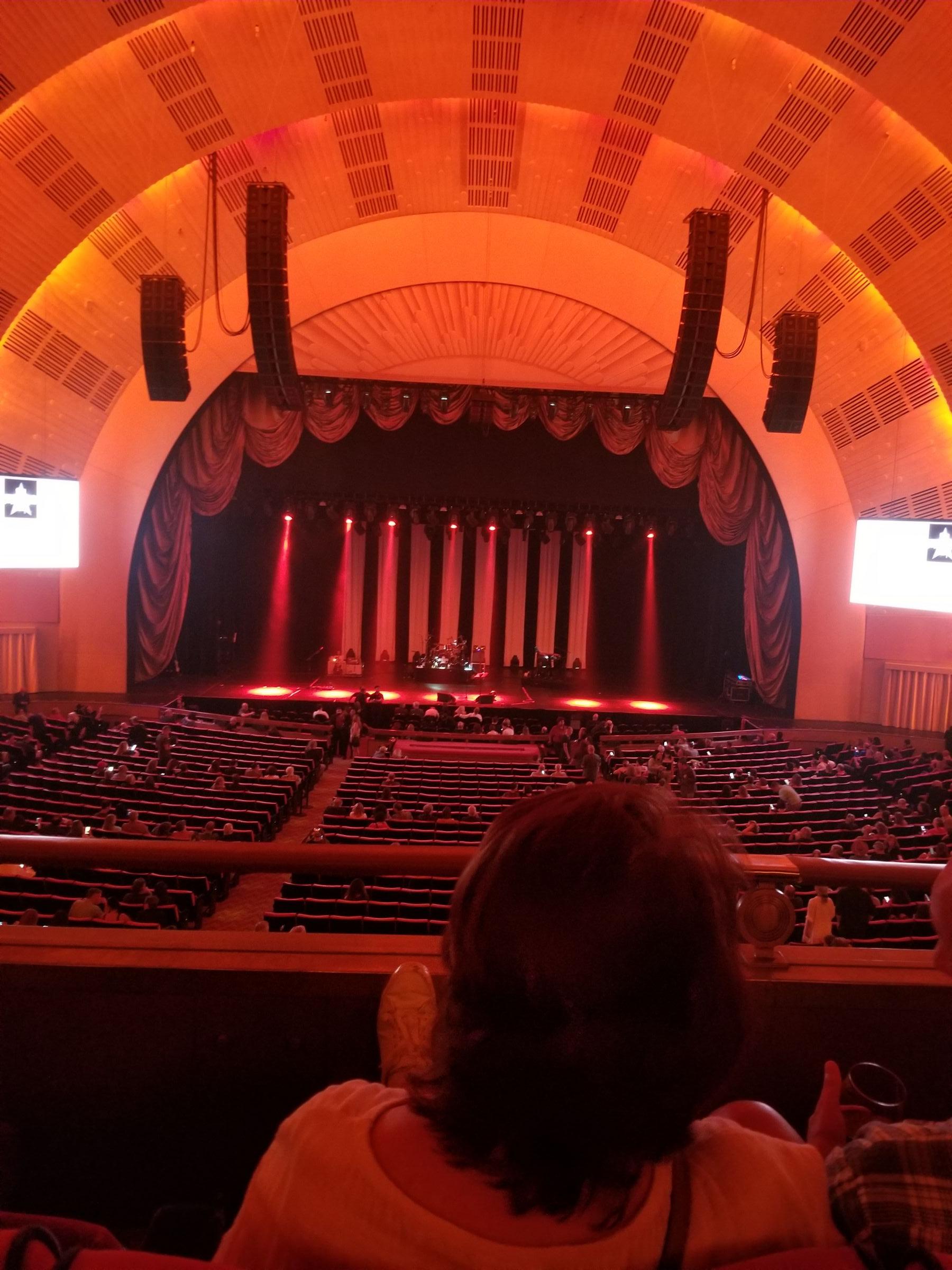
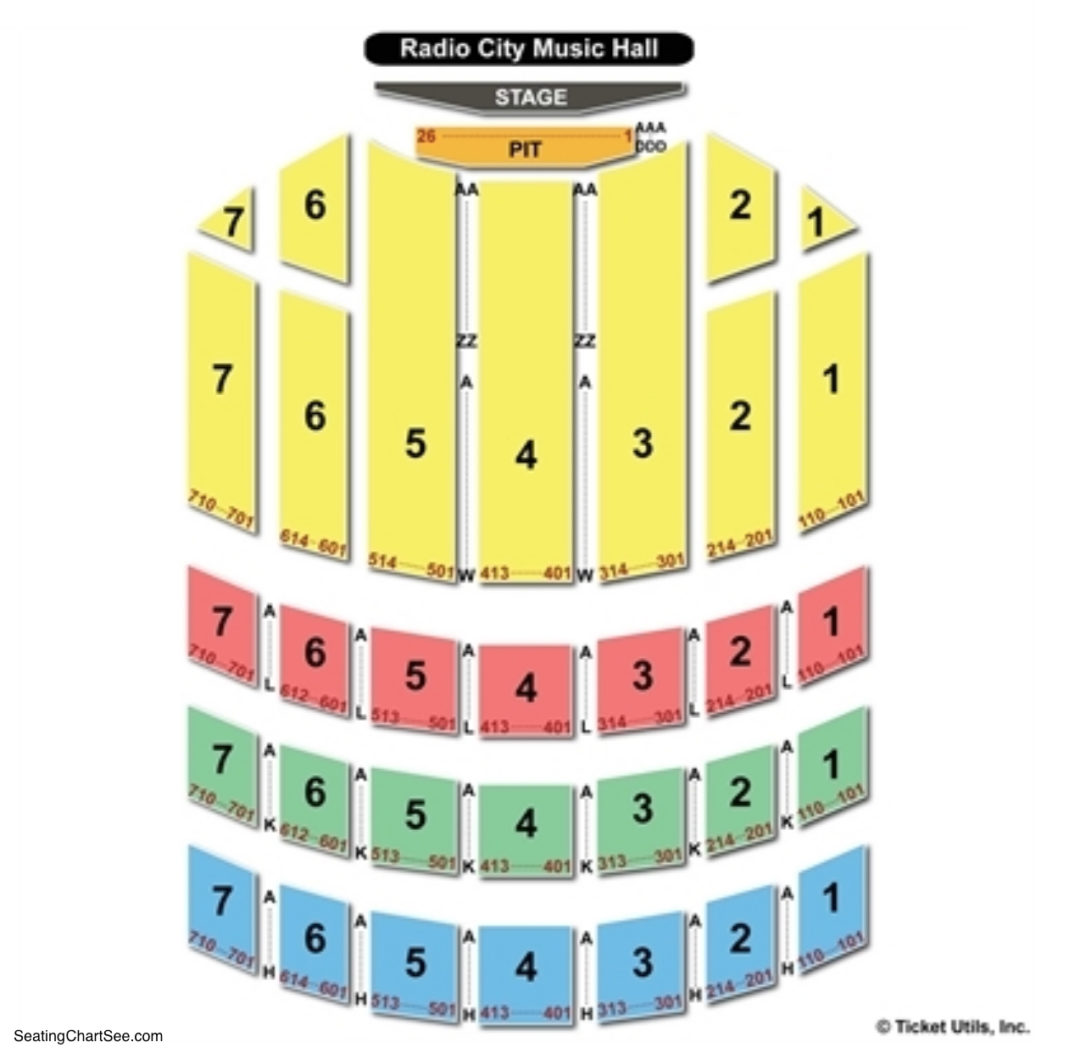
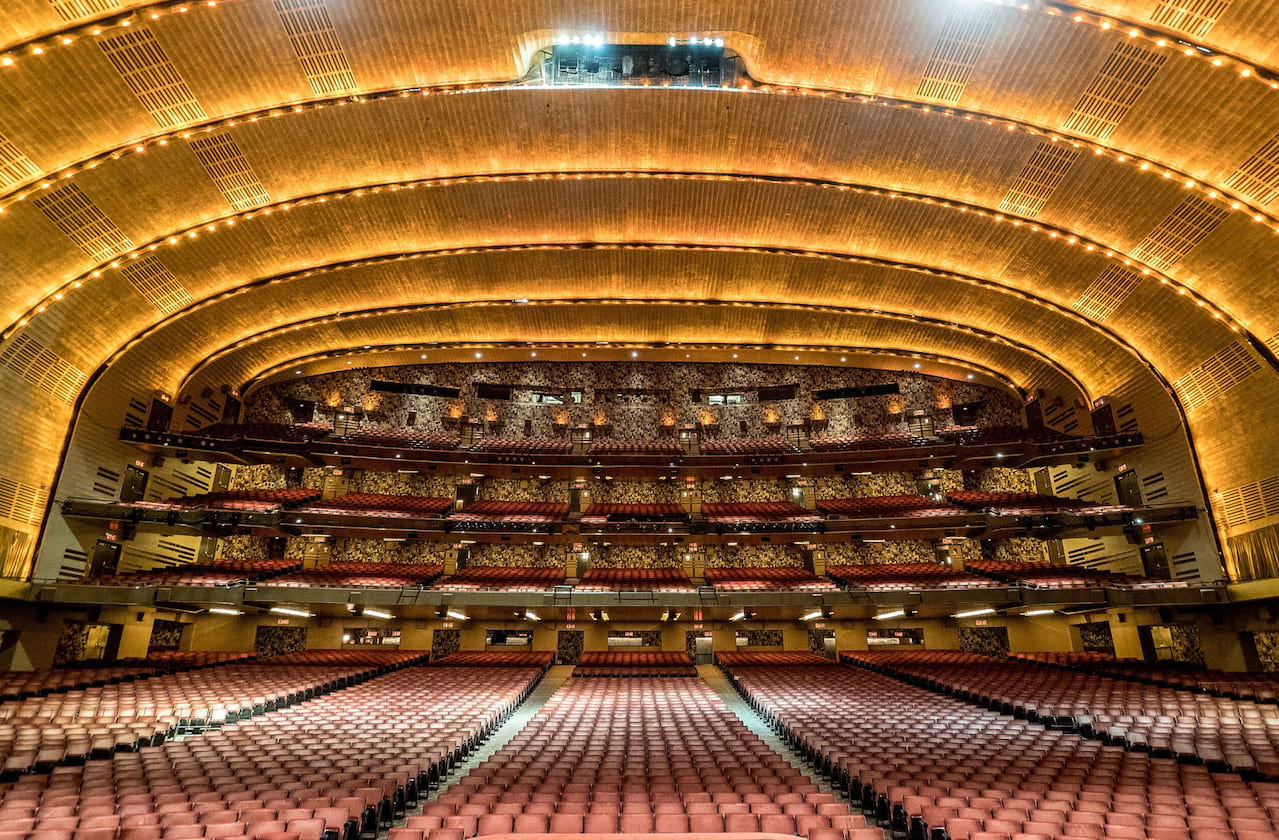
The orchestra level is the largest seating tier on the main ground floor of the venue, stretching from the foot of the magnificent stage back to the rear mixing positions. Unlike modern arenas with uniform bowl seating, Radio City preserves its 1932 heritage layout, featuring a grand expansive floor plan that gently slopes upward.
To navigate this section effectively in 2026, ticket buyers must understand its primary subsections:
- First Orchestra (Rows 1 through 9): Positioned directly in front of the stage, these rows place guests face-to-face with the performers. Row 1 offers an immersive, up-close perspective, though viewers may need to tilt their heads slightly upward depending on the stage height for specific productions like the Christmas Spectacular.
- Second Orchestra (Rows 10 through 35): This expansive middle-to-back zone maintains exceptional sightlines. While further from the stage, seats in the middle rows (approximately 15 through 25) often provide the optimal geometry for viewing sweeping ensemble choreography, particularly the precision kick line of the Rockettes.
- Orchestra Side Sections: Divided into Left, Center, and Right orchestra blocks, the side sections angle inward toward the center stage. While extreme aisle seats on the far left or right may require a slight head turn, the curvature of the house ensures most side-orchestra views remain unobstructed.
Architectural Nuances and Sightline Realities
Analyzing historical venues requires acknowledging structural peculiarities. While modern venues utilize rake angles designed for cinema viewing, Radio City Music Hall features a floor slope that is relatively gentle compared to newer theaters.
Important Advisory for Tall Patrons and Families Because the floor slope is gradual rather than steep, taller patrons sitting immediately in front of you can occasionally obstruct the direct view of the stage floor. Selecting seats toward the center aisles or securing rows immediately behind aisle cross-overs can mitigate this minor obstruction risk.
The venue's massive proscenium arch—measuring 60 feet high and 100 feet wide—ensures that even seats toward the sides of the orchestra retain a magnificent view of the overarching stage design without suffering from severe lateral clipping. However, acoustic engineers and veteran concert-goers note that sound reinforcement behaves differently in the front rows versus the middle orchestra. While front rows deliver raw stage sound and direct performer interaction, the middle orchestra (Rows 15-30) sits squarely in the sweet spot for the venue's house speaker arrays.
Comparative Breakdown of Radio City Seating Tiers
Choosing orchestra seating over alternative tiers involves weighing distinct financial and experiential trade-offs. The following table contrasts the ground-floor orchestra experience with other primary levels inside the auditorium.
| Seating Tier | Distance From Stage | View Geometry | Primary Advantage | Potential Trade-Off |
|---|---|---|---|---|
| First Orchestra (Rows 1-9) | 0 - 50 Feet | Direct, eye-level to slightly upward | Maximum intimacy with performers | Higher price point; extreme neck tilt in Row 1 |
| Second Orchestra (Rows 10-35) | 50 - 150 Feet | Balanced perspective, head-on | Ideal framing for large stage productions | Further from facial expressions |
| First Mezzanine | Overhang Zone | Elevated, downward angle | Panoramic overview of stage geometry | Elevated height reduces personal connection |
| Second Mezzanine | Mid-High Elevation | Steep downward angle | Budget-friendly official pricing | Significant distance from the performance |
| Third Mezzanine | Highest Elevation | Distant, bird's-eye view | Lowest entry cost for popular events | Extreme height and steepness |
Pros and Cons of Securing Orchestra Seats
Investing in orchestra tickets requires balancing premium pricing against experiential rewards. Evaluating these factors helps determine if the financial upgrade aligns with your entertainment goals for 2026 events.
Advantages
- Immersive Engagement: Nothing compares to feeling the physical energy of live bass frequencies and seeing detailed costume design and performer expressions up close.
- Accessibility: The orchestra level is the most easily accessible area of the theater, requiring zero stair navigation for main floor rows entering from the Avenue of the Americas or 50th/51st Street lobbies, making it ideal for patrons with mobility considerations.
- Production Integrity: Many stage elements, particularly lighting cues projected from the floor and interactive set pieces, are optimized for ground-level perspective.
Disadvantages
- Premium Cost: Orchestra tickets command the highest face-value and resale price tiers across almost every production hosted at the venue.
- Under-Balcony Shadows: Rows in the far rear of the orchestra (typically behind Row 30) sit beneath the overhang of the First Mezzanine, which can slightly muffle overhead sound diffusion and truncate the vertical view of tall set designs.
Step-by-Step Guide to Booking the Best Orchestra Seats
Securing optimal tickets for high-demand engagements like the annual Christmas Spectacular or major concert tours requires a calculated approach. Follow this procedural workflow to maximize your chances of getting premier orchestra placement:
- Monitor Presale Windows: Register for official venue newsletters and credit card partner presales (such as Chase cardholder exclusives often available at Radio City) to access tickets before public inventory drops.
- Examine Interactive Seat Maps: Avoid blind purchases. Utilize verified primary ticket vendor maps to inspect exact row and seat numbers, prioritizing Center Orchestra blocks between Rows 12 and 24.
- Verify Aisle Locations: If you value easy entry, exit, and legroom, filter your search specifically for aisle seats (seats ending in specific house numbers depending on the left/right orientation).
- Cross-Check ADA Requirements: If you or a companion require wheelchair-accessible spaces or transfer seating, review the designated ADA seating locations situated at the rear or specific rows of the orchestra floor before completing checkout.
- Secure Official Mobile Delivery: Ensure your tickets are loaded into an authorized digital wallet via the official venue app prior to arriving at the security checkpoints to streamline venue entry.
Frequently Asked Questions
What are the absolute best rows in the Radio City Music Hall orchestra?
Rows 12 through 22 in the Center Orchestra are widely considered the gold standard for seating. They sit far enough back to take in the entire stage picture without requiring excessive head movement, yet close enough to catch intricate performance details.
Is there an elevator to access the orchestra level?
The main orchestra level is located on the ground floor and is fully accessible from the main street-level entrances without requiring elevators, making it ideal for guests avoiding stairs.
Do orchestra seats suffer from any structural obstructions?
Most orchestra seats offer completely unobstructed views. However, seats located past Row 30 may experience slight visual limitations from the First Mezzanine overhang cutting off the uppermost vertical airspace of the stage.
Are food and drinks allowed in the orchestra seating area?
Yes, Radio City Music Hall permits snacks and beverages purchased at venue concession stands to be brought into the seating area. Patrons must consume them responsibly to avoid disrupting neighboring guests.
How early should I arrive for an orchestra-level seat?
Doors typically open one hour prior to showtime. Arriving 45 to 60 minutes early allows ample time to clear security, navigate the grand lobby, and find your seats before the house lights dim.
Plan Your Visit to Radio City Music Hall Today
Navigating the historic layout of Radio City Music Hall ensures that your investment in orchestra seating delivers maximum enjoyment. Whether you are attending a world-class concert, a special awards show, or the timeless holiday tradition featuring the Rockettes, choosing the right zone elevates your entire evening. Review the seating charts, secure your tickets through official channels, and prepare for an unforgettable entertainment experience in the heart of New York City.
Image Gallery