How to Start Building Financial Statements: A Comprehensive Step-by-Step Guide
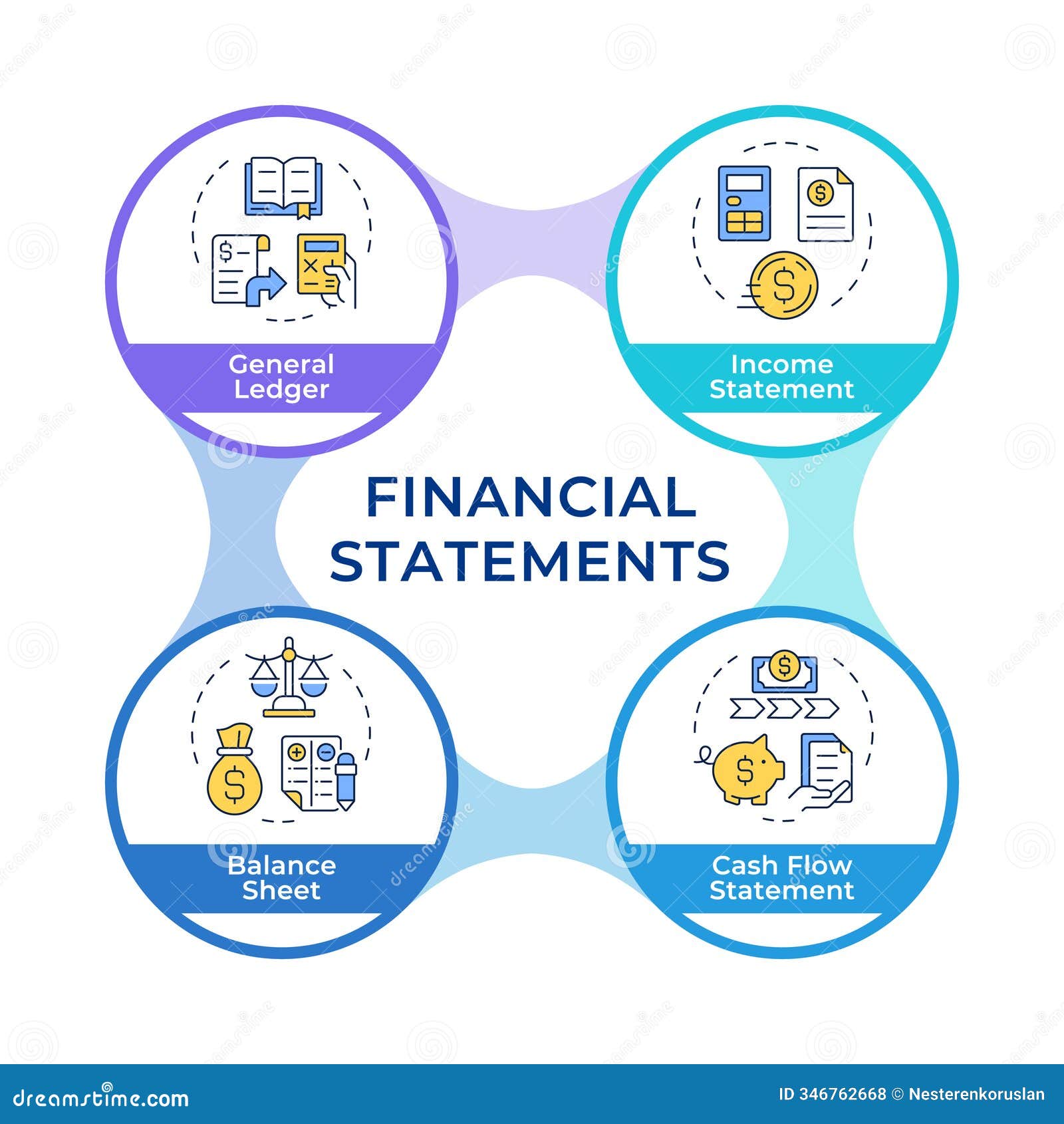
To start building financial statements, you must first aggregate all business transactions into a Trial Balance using a standardized Chart of Accounts. From there, you systematically construct the Income Statement to determine net prof...
To start building financial statements, you must first aggregate all business transactions into a Trial Balance using a standardized Chart of Accounts. From there, you systematically construct the Income Statement to determine net profit, the Balance Sheet to equate assets with liabilities and equity, and the Cash Flow Statement to track liquidity.
Contents
Building financial statements is the process of translating raw economic data into a structured format that communicates the financial health of an entity. Whether you are a small business owner preparing for tax season in 2026 or a corporate accountant finalizing quarterly reports, the integrity of these documents depends on a rigorous adherence to accounting principles. Most organizations follow either Generally Accepted Accounting Principles (GAAP) or International Financial Reporting Standards (IFRS) to ensure consistency and transparency for stakeholders, lenders, and regulatory bodies.
The Accounting Cycle: Prerequisites for Financial Reporting
Before you can draft a single line on a Balance Sheet, you must complete the preliminary stages of the accounting cycle. Financial statements do not exist in a vacuum; they are the final output of a continuous data-collection process.
- Establish a Chart of Accounts (COA): This is the organizational blueprint for your finances. A COA lists every category (account) where money can be recorded. It typically includes five main categories: Assets, Liabilities, Equity, Revenue, and Expenses.
- Select an Accounting Method: In 2026, most growing businesses utilize the accrual basis of accounting rather than the cash basis. Accrual accounting records revenue when earned and expenses when incurred, providing a more accurate picture of long-term financial health, whereas cash accounting only records transactions when money physically changes hands.
- Maintain a General Ledger: Every transaction—from a $50 utility bill to a $100,000 service contract—must be recorded as a journal entry. These entries are then posted to the General Ledger, which serves as the "master book" for all financial activity.
- Generate a Trial Balance: At the end of the reporting period, you must create a Trial Balance. This is a worksheet that lists the balances of all general ledger accounts. The total of all debits must equal the total of all credits. If they do not, you cannot proceed to building financial statements until the errors are identified and corrected.
Step 1: Constructing the Income Statement (Profit and Loss)
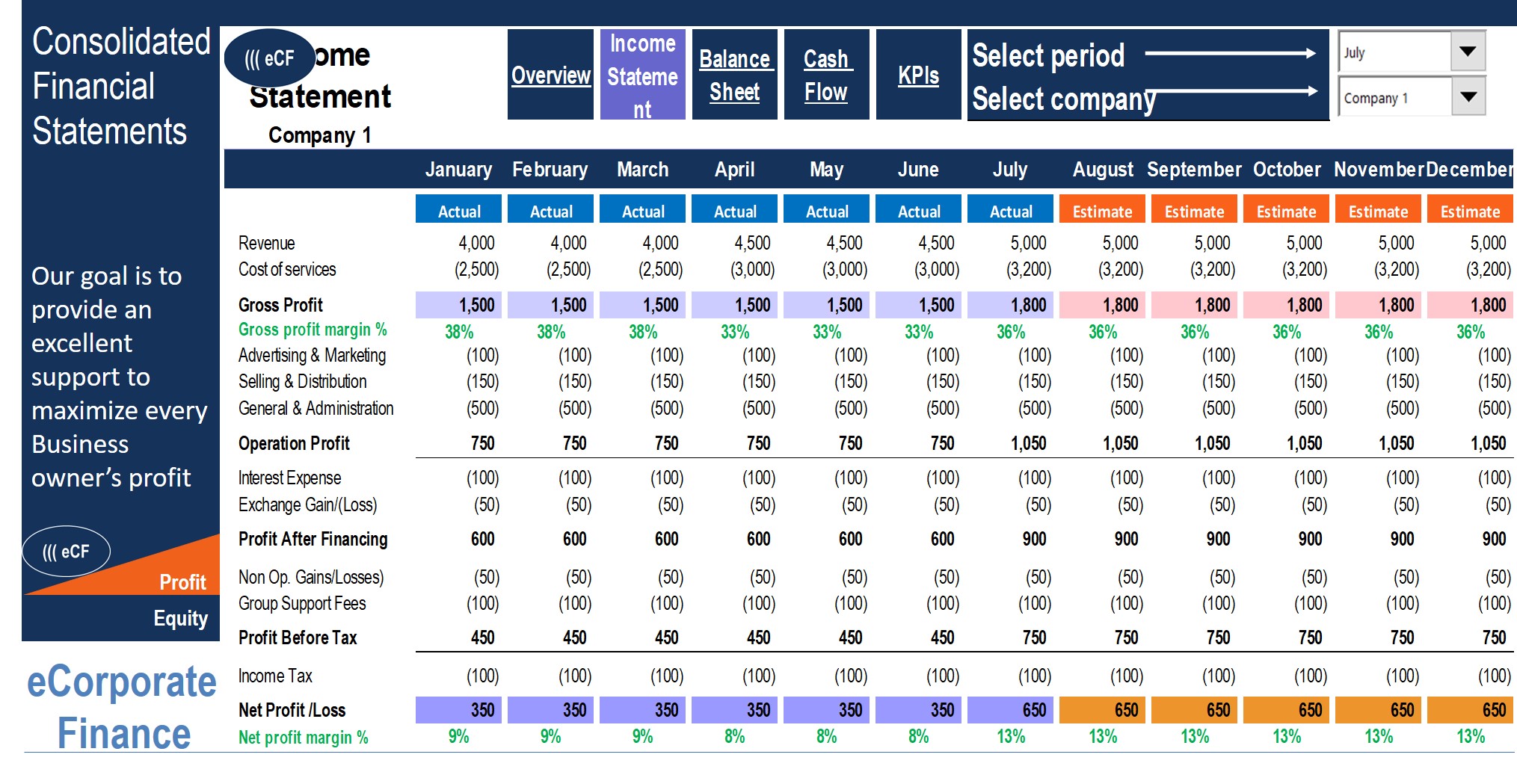
The Income Statement is usually the first report built because its final figure—Net Income—is required to complete the subsequent statements. It measures performance over a specific duration, such as a month, quarter, or fiscal year.
Revenue and Cost of Goods Sold (COGS)
Start with Gross Revenue, which represents the total value of all goods or services sold. From this, subtract any sales returns or discounts to reach Net Sales. Next, calculate the Cost of Goods Sold (COGS). These are the direct costs attributable to the production of the goods sold by a company (e.g., raw materials and direct labor). Subtracting COGS from Net Sales gives you the Gross Profit.
Operating Expenses
Operating expenses (OPEX) are the costs required to run the business that are not directly tied to production. This includes rent, payroll for administrative staff, marketing, and utilities. In 2026, many firms also place a heavy emphasis on segregating software-as-a-service (SaaS) subscriptions and remote infrastructure costs within this section.
Operating Income to Net Income
Subtracting OPEX from Gross Profit yields Operating Income (also known as EBIT—Earnings Before Interest and Taxes). To reach the final "bottom line," you must account for non-operating items:
- Interest Expense: The cost of borrowing money.
- Income Taxes: Estimated or actual tax liabilities for the period.
- Depreciation and Amortization: Non-cash expenses that spread the cost of an asset over its useful life.
The resulting figure is Net Income. If the number is negative, it is recorded as a Net Loss.
Step 2: Preparing the Balance Sheet
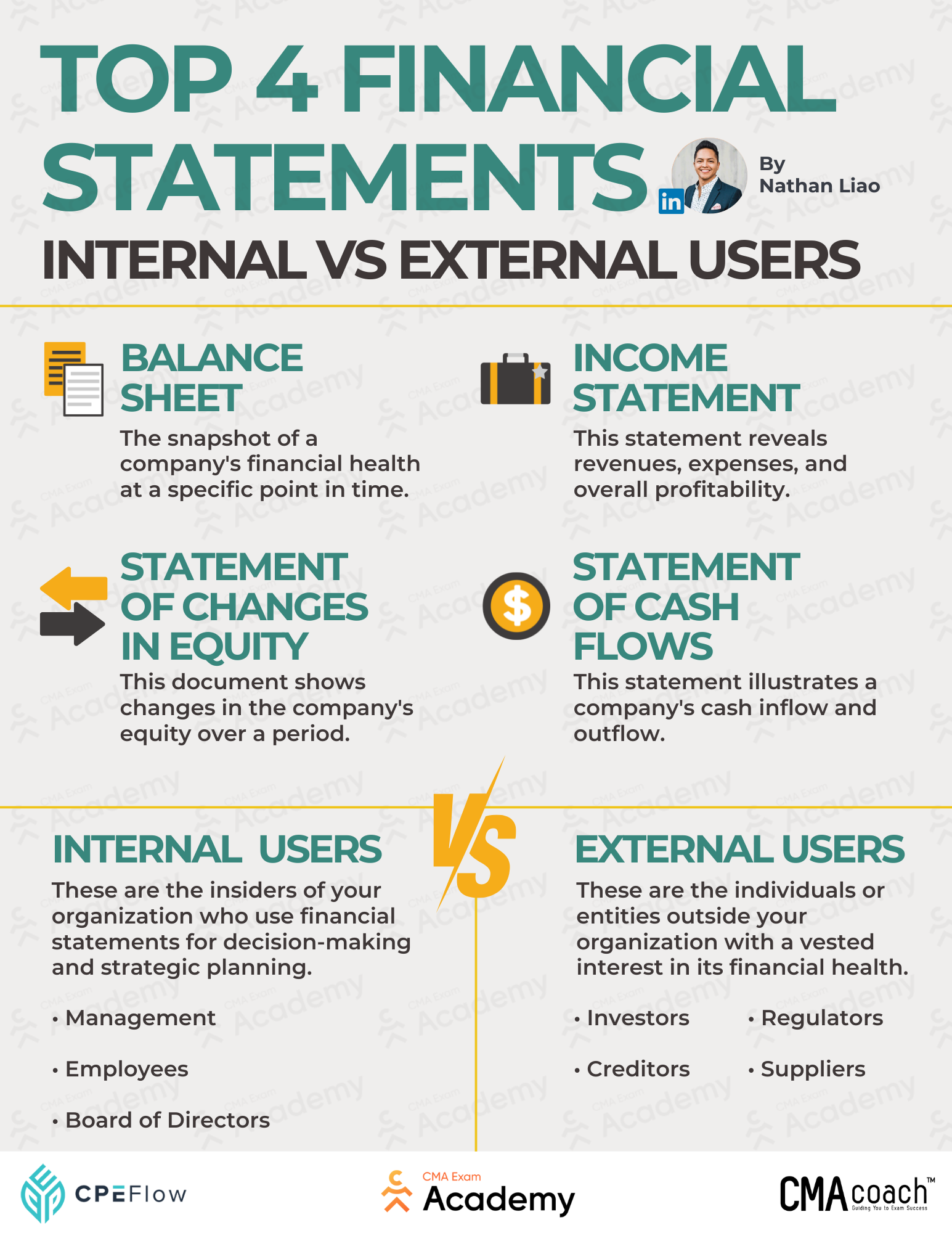
The Balance Sheet provides a "snapshot" of a company’s financial position at a single point in time (e.g., December 31, 2026). It is governed by the fundamental accounting equation: Assets = Liabilities + Shareholders' Equity.
Categorizing Assets
Assets are resources owned by the business that have future economic value. They are split into:
- Current Assets: Cash and items expected to be converted to cash within one year, such as Accounts Receivable and Inventory.
- Non-Current Assets: Long-term investments, property, plant, and equipment (PP&E), and intangible assets like patents or trademarks.
Identifying Liabilities
Liabilities are obligations the company owes to external parties.
- Current Liabilities: Debts due within a year, including Accounts Payable, short-term loans, and accrued expenses (like unpaid wages).
- Long-Term Liabilities: Obligations that extend beyond one year, such as mortgages or long-term bonds.
Calculating Equity
Equity represents the "book value" of the company belonging to the owners. It includes Contributed Capital (money invested by owners/shareholders) and Retained Earnings (the cumulative Net Income that has not been distributed as dividends).
Step 3: Developing the Cash Flow Statement
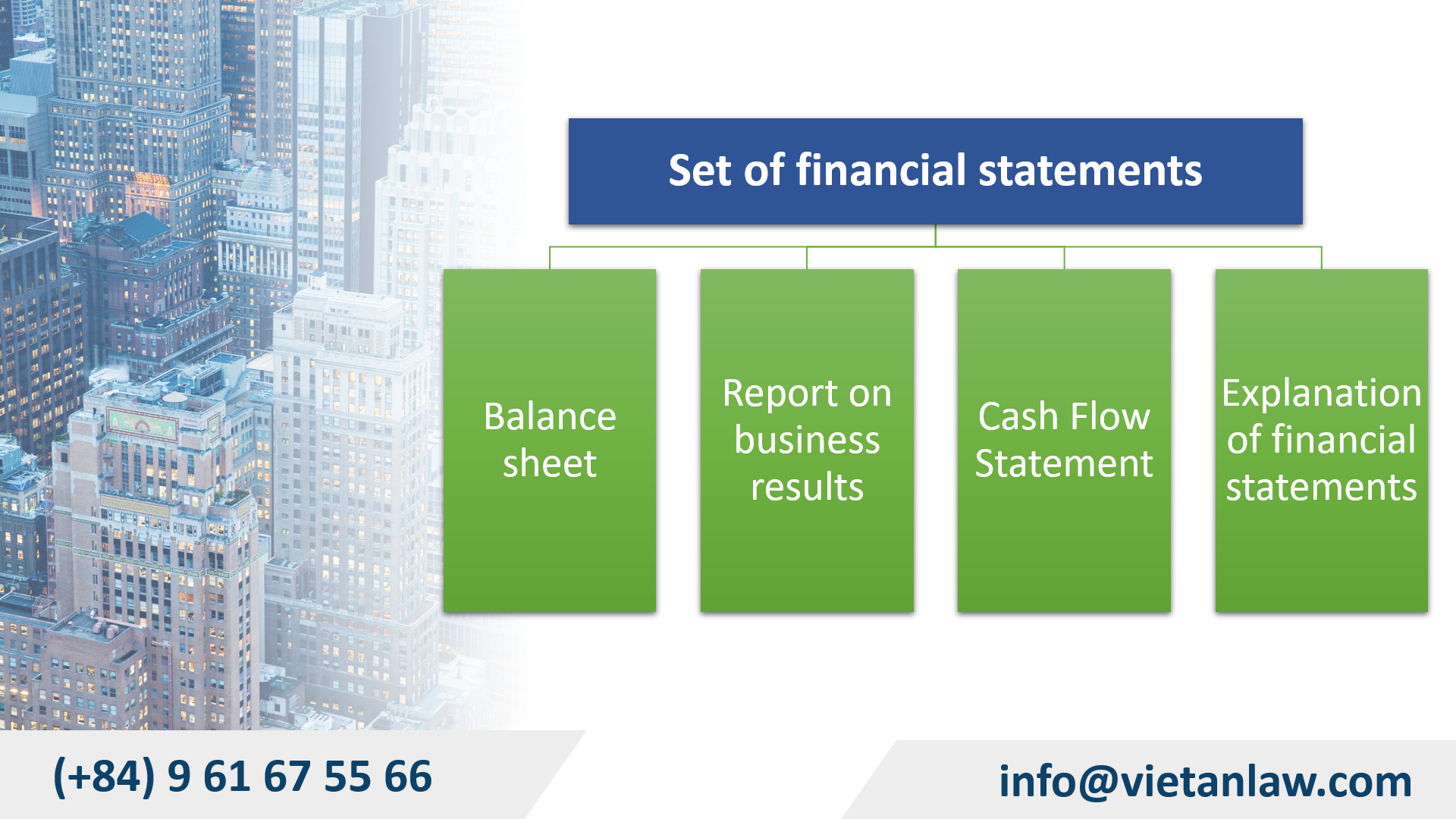
While the Income Statement shows profitability, the Cash Flow Statement shows liquidity. It reconciles the Net Income from the accrual-based Income Statement back to the actual cash that entered and exited the bank account. Under FASB (Financial Accounting Standards Board) guidelines, this statement is divided into three sections.
| Section | Description | Examples |
|---|---|---|
| Operating Activities | Cash generated or used in core business operations. | Cash from customers, payments to suppliers, income tax payments. |
| Investing Activities | Cash used for or provided by the purchase and sale of long-term assets. | Buying machinery, selling a company vehicle, purchasing stocks/bonds. |
| Financing Activities | Cash flow related to how the business is funded. | Taking out a bank loan, issuing stock, paying dividends to owners. |
The Indirect Method is the most common way to start this statement. You begin with the Net Income from the Income Statement and "add back" non-cash expenses like depreciation. Then, you adjust for changes in working capital (e.g., if Accounts Receivable increased, it means you "earned" revenue but didn't receive "cash," so you subtract that increase from the total).
Step 4: The Statement of Retained Earnings
Before finalizing the package, you must bridge the gap between the Income Statement and the Balance Sheet. The Statement of Retained Earnings (or Statement of Shareholders' Equity) tracks how the company’s value changed.
You start with the Beginning Retained Earnings (from the end of the previous period), add the current period's Net Income, and subtract any Dividends paid to owners. The resulting Ending Retained Earnings figure must match the Retained Earnings line item on the current Balance Sheet.
Verification and Common Adjusting Entries
Even after the initial draft, financial statements are rarely accurate without Adjusting Journal Entries. These are made at the end of the period to account for items that haven't yet been recorded through standard invoices or receipts.
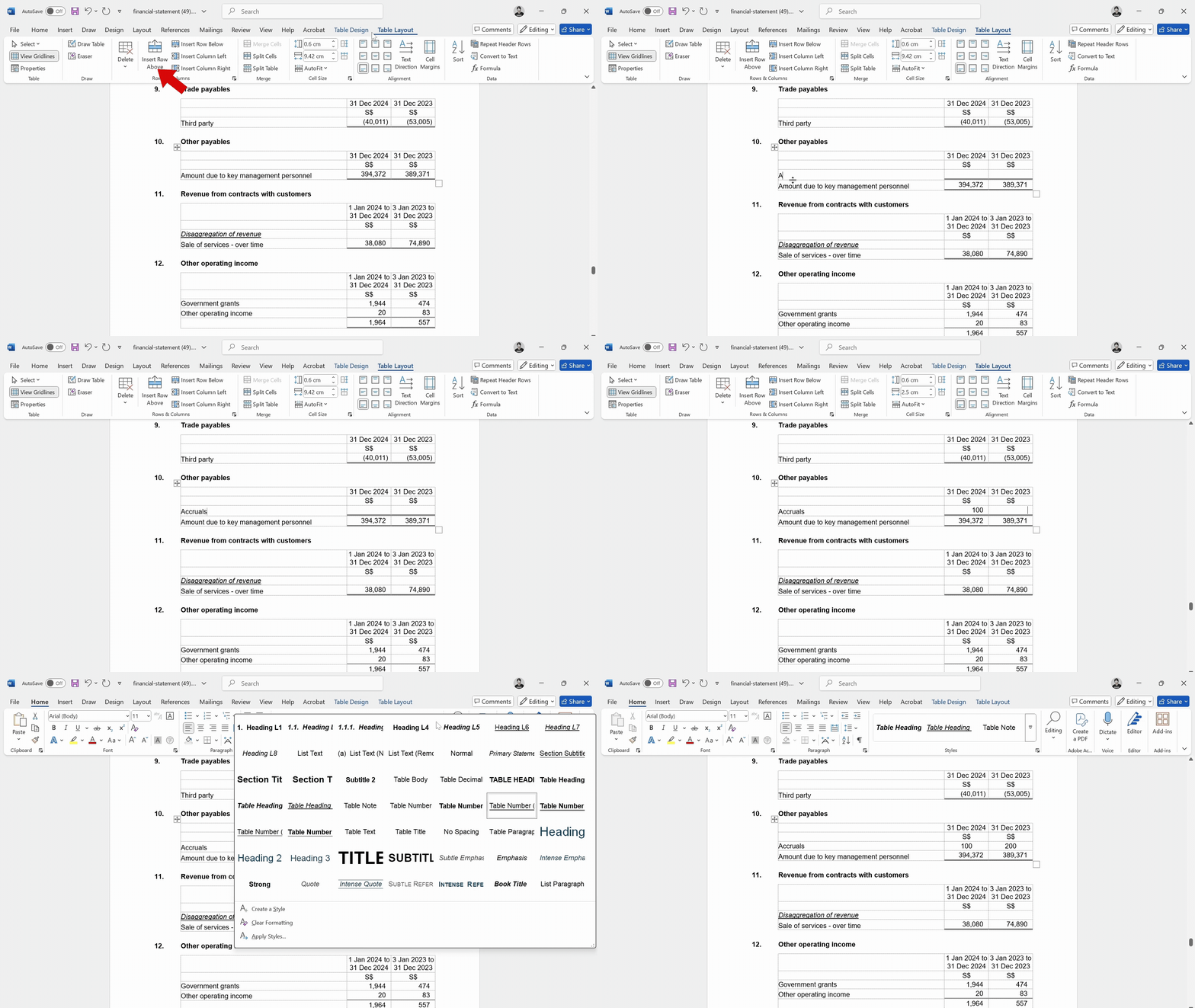
- Accruals: Recording an expense that has occurred but hasn't been paid (e.g., electricity used in December but billed in January).
- Prepayments: Adjusting for insurance or rent paid in advance. If you paid for 12 months of insurance in January, only 1/12th should be recorded as an expense each month.
- Depreciation: Calculating the monthly wear-and-tear on equipment according to IRS or GAAP schedules.
- Bad Debt Provisions: Estimating what percentage of your Accounts Receivable will likely never be collected.
Technical Depth: The Importance of Internal Controls
Building financial statements isn't just about data entry; it's about verification. In 2026, automated accounting software can handle much of the heavy lifting, but manual oversight remains critical. A "bank reconciliation"—comparing your internal records against your bank statement—should be performed monthly. Any discrepancy between your "Cash" account on the Balance Sheet and your bank balance must be investigated immediately.
Furthermore, ensure Segregation of Duties. The person who records the transactions should not be the same person who authorizes payments or reconciles the bank accounts. This reduces the risk of fraud and material misstatement.
Frequently Asked Questions
What is the difference between a Trial Balance and a Balance Sheet? A Trial Balance is an internal working document used by accountants to ensure debits and credits are equal before creating reports. A Balance Sheet is a formalized financial statement intended for external or internal stakeholders that follows specific formatting rules and groups accounts into Assets, Liabilities, and Equity.
Why is the Income Statement built before the Balance Sheet? The Income Statement must be completed first because the resulting Net Income (or Loss) is a required component of the Retained Earnings calculation. Since Retained Earnings is a core part of the Equity section on the Balance Sheet, you cannot accurately balance the accounting equation without first knowing the period's profit or loss.
Do I need a CPA to build financial statements? For internal management purposes, a business owner or bookkeeper can build financial statements. However, if a lender or investor requires "audited" or "reviewed" financial statements, they must be prepared or verified by a licensed Certified Public Accountant (CPA) to ensure compliance with IFRS or GAAP standards.
What are "Notes to the Financial Statements"? The Notes are supplemental disclosures that provide context to the numbers in the reports. They explain the accounting methods used, details on long-term debt, pending legal issues, or significant events that happened after the reporting period but before the statements were issued.
How often should I build financial statements? While large corporations build them quarterly and annually for regulatory requirements, most healthy small-to-medium enterprises build them monthly. Regular reporting allows management to identify trends, such as rising costs or slowing collections, before they become critical issues.
Practical Recommendation: To begin building your financial statements for 2026, start by performing a "clean-up" of your General Ledger. Ensure every bank transaction is categorized and reconciled. Once your Trial Balance is zeroed out (Total Debits = Total Credits), use a standard template to populate your Income Statement. This will give you the Net Income figure needed to finalize your Balance Sheet and Cash Flow Statement.
Disclaimer: This information is for educational purposes and does not constitute financial, legal, or tax advice. Accounting standards vary by jurisdiction and business structure. Consult with a qualified financial professional for specific guidance.
Image Gallery