The Most Expensive Apple in the World: Cultivation, Cost, and Rarity in 2026
The Sekai Ichi apple is widely recognized as the most expensive apple in the world, with premium specimens frequently retailing for $21 to $25 per fruit. Originating from Japan, its high valuation is driven by labor-intensive artisanal...
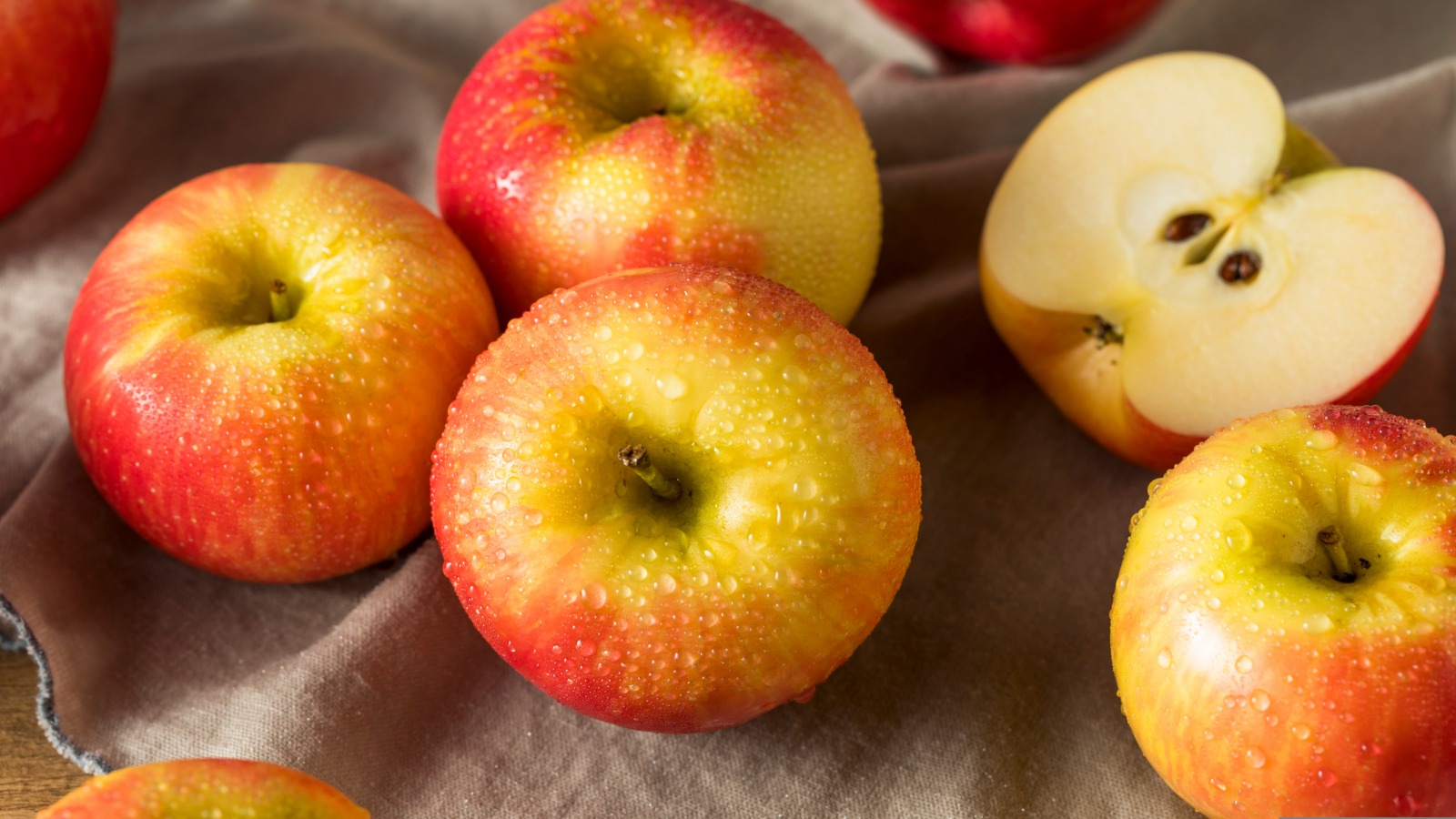
The Sekai Ichi apple is widely recognized as the most expensive apple in the world, with premium specimens frequently retailing for $21 to $25 per fruit. Originating from Japan, its high valuation is driven by labor-intensive artisanal farming techniques, including hand-pollination, honey-washing, and individual protective bagging, which ensure that each fruit reaches an massive size and flawless aesthetic.
Contents
While the global agricultural market features thousands of apple varieties, the Sekai Ichi (which translates to "World’s Number One") occupies a unique niche in the luxury fruit sector. In 2026, the demand for these "designer fruits" remains robust, particularly within the Japanese gift-giving culture known as Omiyage and Zutou. Unlike the mass-produced apples found in local supermarkets, the Sekai Ichi is treated as a high-value commodity, often presented in velvet-lined boxes or specialized displays.
To understand why a single piece of fruit can command a price equivalent to a full meal at a mid-range restaurant, one must examine the intersection of Japanese pomology, the biology of the fruit, and the extreme measures taken to ensure its perfection.
The Origins of the Sekai Ichi Variety
The Sekai Ichi was first harvested in 1974 in Morioka, Japan. It is not a naturally occurring wild variety but a meticulously engineered cross-breed between two well-known Western varieties: the Red Delicious and the Golden Delicious. The goal of the breeders was to create an apple that combined the visual appeal and size of the Red Delicious with the sweetness and aromatic profile of the Golden Delicious.
Historically, the Aomori Prefecture in northern Japan has been the epicenter of this production. The region’s climate—characterized by cool summers and cold winters—is ideal for slow-maturing fruit, which allows for higher sugar accumulation and denser flesh. By 2026, while other regions have attempted to replicate the Sekai Ichi, the "Aomori Standard" remains the benchmark for quality and pricing.
What Makes the Sekai Ichi So Expensive?
The primary driver of the Sekai Ichi’s cost is the sheer volume of human labor required for each individual fruit. In industrial apple farming, machines or natural pollinators like bees handle the bulk of the reproductive work. For the Sekai Ichi, the process is almost entirely manual.
Hand-Pollination and Thinning
To ensure that each apple reaches its maximum potential size (often weighing over two pounds or 900 grams), farmers use tiny brushes to hand-pollinate each blossom. This ensures a 100% success rate for fertilization and allows the farmer to select only the most promising buds.
Once the fruit begins to grow, the farmers perform aggressive "thinning." On a standard apple tree, dozens of apples might grow on a single branch. For the Sekai Ichi, farmers remove the vast majority of the young fruit, leaving only one or two apples per branch. This ensures that the tree directs all its nutrients, minerals, and sugars into a few select specimens rather than spreading its energy thin.
Individual Bagging and Sun Exposure
As the fruit matures, each Sekai Ichi apple is placed inside an individual protective bag while it is still on the tree. This serves multiple purposes:
- Pest Protection: It eliminates the need for heavy chemical pesticides while protecting the skin from insects.
- UV Regulation: The bags prevent "sunburn" on the delicate skin.
- Aesthetic Control: Toward the end of the growing cycle, the bags are removed selectively to allow the sun to "paint" the apple a deep, uniform red.
Some growers even place mirrors on the ground beneath the trees to reflect sunlight onto the underside of the fruit, ensuring the color is perfectly even across the entire surface.
The Honey Wash and Inspection
Before being sent to market, the apples are often washed in honey or a mild surfactant to enhance their natural luster and preserve the skin's moisture. They are then graded by hand. Any apple with even a microscopic blemish, a slight asymmetry, or a weight below the premium threshold is disqualified from the "Sekai Ichi" top-tier labeling and sold as a lower-grade product.
Comparison of Luxury Apple Varieties
While the Sekai Ichi is the most famous expensive apple, it is not the only high-priced variety in the market. In 2026, several other cultivars compete for the attention of luxury fruit collectors.
| Feature | Sekai Ichi | Black Diamond | Pink Lady (Premium) |
|---|---|---|---|
| Origin | Aomori, Japan | Nyingchi, Tibet | Australia / Global |
| Average Price | $21 - $25 per fruit | $7 - $20 per fruit | $2 - $5 per fruit |
| Primary Color | Pale to Deep Red | Dark Purple / Black | Pink-Red |
| Weight | 900g - 1kg+ | 150g - 250g | 200g - 300g |
| Taste Profile | Sweet, Mild, Crispy | Very Sweet (High Brix) | Tart and Sweet |
| Availability | Extremely Limited | Seasonal / High Altitude | Widely Available |
The Black Diamond apple, grown in the mountains of Tibet, is perhaps the closest competitor in terms of rarity. Its dark, nearly black hue is a result of the high altitude and intense ultraviolet light in the Nyingchi region. However, the Black Diamond is generally smaller than the Sekai Ichi and lacks the historical prestige associated with Japanese fruit "couture."
The Cultural Significance of Luxury Fruit in Japan
To a Western consumer, spending $20 on an apple may seem like an absurdity. However, in the context of Japanese society, the Sekai Ichi is more than just food; it is a social tool.
High-end fruits are a staple of the Japanese gift-giving tradition. When visiting a business associate, attending a wedding, or thanking a mentor, a gift of high-quality fruit signals respect, wealth, and careful consideration. The price is, in many ways, the point. By purchasing a Sekai Ichi, the giver is demonstrating that they have gone to great lengths to secure the "best in the world" for the recipient.
Department stores like Senpikiya in Tokyo specialize in these products. In these "fruit boutiques," apples are displayed like jewelry in climate-controlled glass cases. The staff often wear white gloves when handling the fruit to prevent oils from the skin from marring the apple's finish. This environment reinforces the status of the Sekai Ichi as a luxury asset rather than a simple snack.
Sensory Profile: What Does a $25 Apple Taste Like?
If you were to bite into a Sekai Ichi, the first thing you would notice is the texture. The flesh is incredibly dense and crisp, providing a satisfying "snap." Because of the thinning process mentioned earlier, the fruit is packed with sugar, resulting in a high Brix level (a measurement of sugar content in liquids).
However, unlike some modern varieties designed for extreme tartness or explosive flavor, the Sekai Ichi is known for its mildness. It is sweet but not cloying, with a clean finish. Its aroma is perhaps its most lauded characteristic; a single Sekai Ichi can scent an entire room with a floral, honey-like fragrance.
Logistical Challenges and Global Export
Shipping the world's most expensive apple is a logistical nightmare. Because they are so large and heavy, they are prone to bruising under their own weight. Each apple must be nestled in thick foam padding, often within an individual wooden or high-grade cardboard box.
In 2026, while global shipping has become more efficient, the cost of transporting Sekai Ichi apples to luxury markets in New York, Dubai, or London remains high. Customs regulations regarding fresh produce often add layers of delay, which is why these apples are rarely found outside of high-end international boutiques. Most of the crop is consumed within Japan or exported to neighboring Asian markets like Hong Kong and Singapore, where the luxury fruit culture is similarly established.
Frequently Asked Questions
Can I grow a Sekai Ichi apple tree in my backyard?
While you can purchase Sekai Ichi saplings in some regions, you are unlikely to produce a fruit that matches the quality of the Japanese originals. The $25 price tag is not just for the genetics of the tree, but for the specialized climate of Aomori and the thousands of hours of manual labor (hand-pollination and bagging) that home gardeners rarely provide.
Are there more expensive apples than the Sekai Ichi?
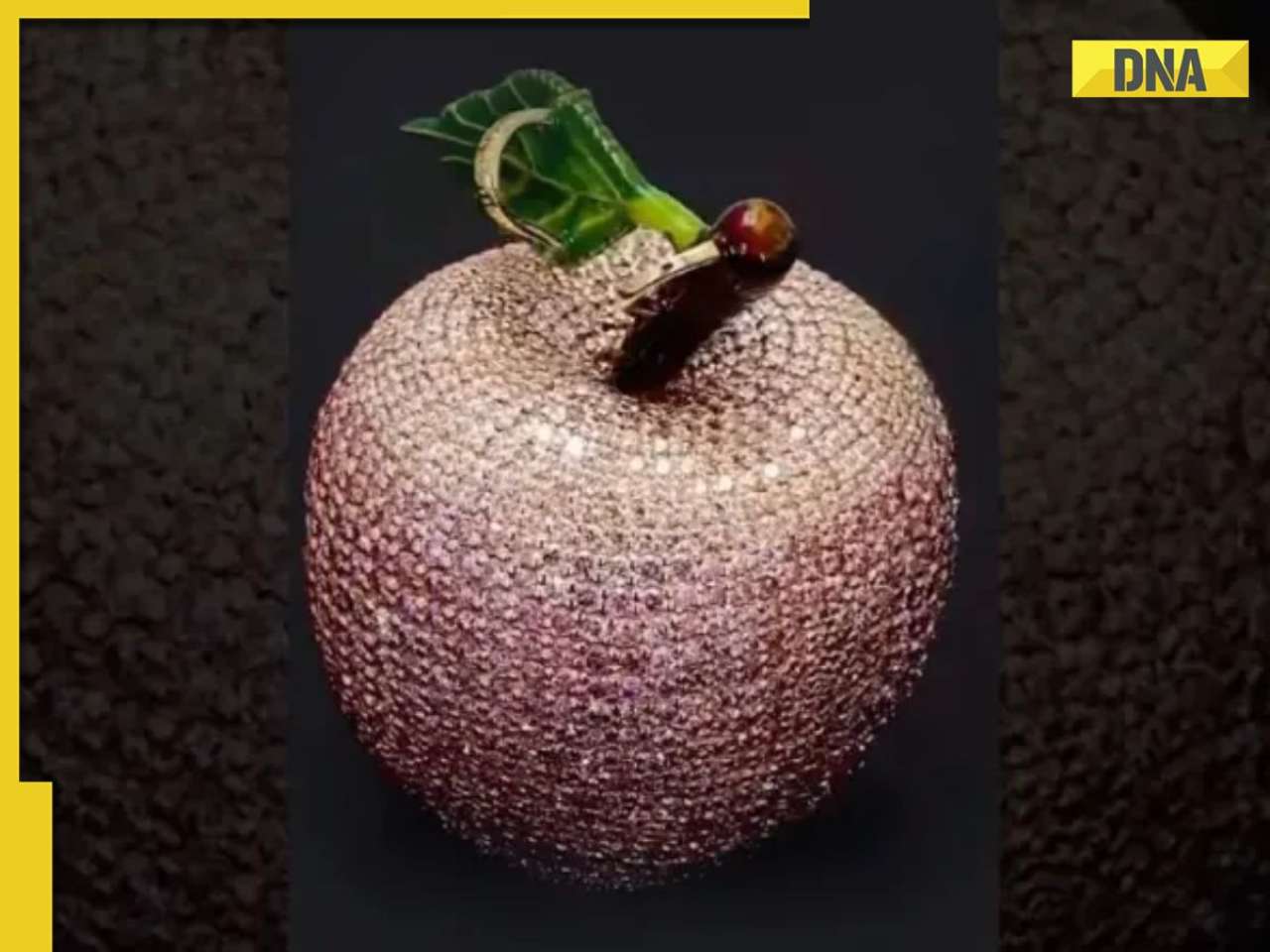
In terms of a standard retail variety, the Sekai Ichi holds the record. However, occasionally, "super-premium" specimens at fruit auctions can sell for hundreds of dollars as part of a set. There are also gold-plated or jewel-encrusted "art apples" created by luxury brands, but these are decorative items, not edible agricultural products.
Does the Sekai Ichi apple have any special health benefits?
Nutritionally, a Sekai Ichi apple is very similar to a standard Red Delicious or Fuji apple. It contains fiber, Vitamin C, and antioxidants. The premium price is paid for size, appearance, and the labor-intensive growing process, not for enhanced nutritional density or "superfood" status.
Why is the apple called "Sekai Ichi"?
The name literally means "World's Number One." It was given this name upon its release in the 1970s because it was, at the time, the largest apple variety ever commercially produced. It has maintained this branding for over five decades to signify its status at the top of the luxury fruit hierarchy.
Is the Black Diamond apple related to the Sekai Ichi?
No. The Black Diamond is a variety of the Hua Niu family (also known as the Chinese Red Delicious), whereas the Sekai Ichi is a cross between the Red Delicious and Golden Delicious developed in Japan. They represent two different geographic and cultural approaches to luxury fruit.
Practical Recommendation for Consumers
If you are interested in experiencing the world's most expensive apple, do not seek it out in a standard grocery store. To ensure you are receiving a genuine, top-grade specimen, you should purchase through an established luxury fruit purveyor or a high-end department store like Takashimaya or Isetan if you are in Japan.
For those outside of Japan, look for specialty importers who provide "white-glove" shipping services. Given the price point, ensure the fruit comes with a certificate of origin or is presented in the traditional branded packaging to guarantee its authenticity. If $25 for a single apple is beyond your budget, consider trying a Honeycrisp or a high-grade Fuji; while not as prestigious, they offer a high-quality eating experience at a fraction of the cost.
Image Gallery