Comprehensive Overview of Spirits 2000 CRM Software for Breweries and Wineries
Spirits 2000 is a specialized retail management and CRM solution developed by Atlantic Systems, Inc. (ASI) that integrates point-of-sale data, inventory management, and customer loyalty programs. It serves breweries and wineries by str...
Spirits 2000 is a specialized retail management and CRM solution developed by Atlantic Systems, Inc. (ASI) that integrates point-of-sale data, inventory management, and customer loyalty programs. It serves breweries and wineries by streamlining direct-to-consumer sales, automating wholesale distribution tracking, and ensuring regulatory compliance through localized reporting and age verification tools.
Contents
The Evolution of Spirits 2000 in the Beverage Industry
As we navigate the beverage landscape in 2026, the complexity of managing a brewery or winery has expanded far beyond simple production. Producers now operate as multi-faceted entities: they are manufacturers, wholesalers, e-commerce retailers, and hospitality providers. Spirits 2000, developed by Atlantic Systems, Inc. (ASI), has remained a cornerstone for these businesses by providing an all-in-one ecosystem that bridges the gap between the tasting room floor and the back-office warehouse.
Originally built to address the specific rigors of liquor retail, the software has matured into a robust platform for producers. Unlike generic Customer Relationship Management (CRM) tools, Spirits 2000 is built with the "three-tier system" in mind. It recognizes the legal nuances of alcohol sales, such as quantity limits, excise tax tracking, and the necessity of rigorous age verification. For a winery or brewery, this means the software does not just record a sale; it manages the entire lifecycle of the product and the customer relationship simultaneously.
Core CRM Capabilities for Breweries and Wineries
In the competitive market of 2026, data is the most valuable asset a beverage producer owns. Spirits 2000 provides a CRM module that is deeply integrated with its Point of Sale (POS) system. This integration ensures that every transaction is a data point that can be used to drive future marketing efforts and operational decisions.
Comprehensive Customer Profiles
The CRM functionality begins with detailed customer profiling. When a patron visits a brewery taproom or a winery tasting room, Spirits 2000 allows staff to capture essential information quickly. Beyond basic contact details, the system tracks:
- Purchase History: Every bottle of Cabernet or keg of IPA purchased is logged, allowing for personalized recommendations.
- Preferences: Staff can note specific tastes, such as a preference for dry reds or barrel-aged stouts.
- Engagement Levels: The system identifies "whales" (high-value spenders) versus occasional visitors, enabling tiered marketing strategies.
Integrated Loyalty and Rewards Programs
Retention is significantly more cost-effective than acquisition. Spirits 2000 features built-in loyalty modules that allow breweries and wineries to create custom rewards programs. These are not merely "buy ten, get one free" setups. In 2026, these programs often involve points-per-dollar systems that can be redeemed for merchandise, exclusive tours, or "first dibs" on limited-release vintages. Because the CRM is native to the POS, points are updated in real-time, preventing the friction of manual entries or external app syncing.
Targeted Marketing and Segmentation
With the data collected, producers can segment their audience with high precision. Spirits 2000 allows users to export lists based on specific criteria—for example, all customers who purchased a specific seasonal release last year but have not yet visited this year. This enables highly effective email and SMS campaigns that feel personal rather than promotional.
Operational Features and Inventory Management
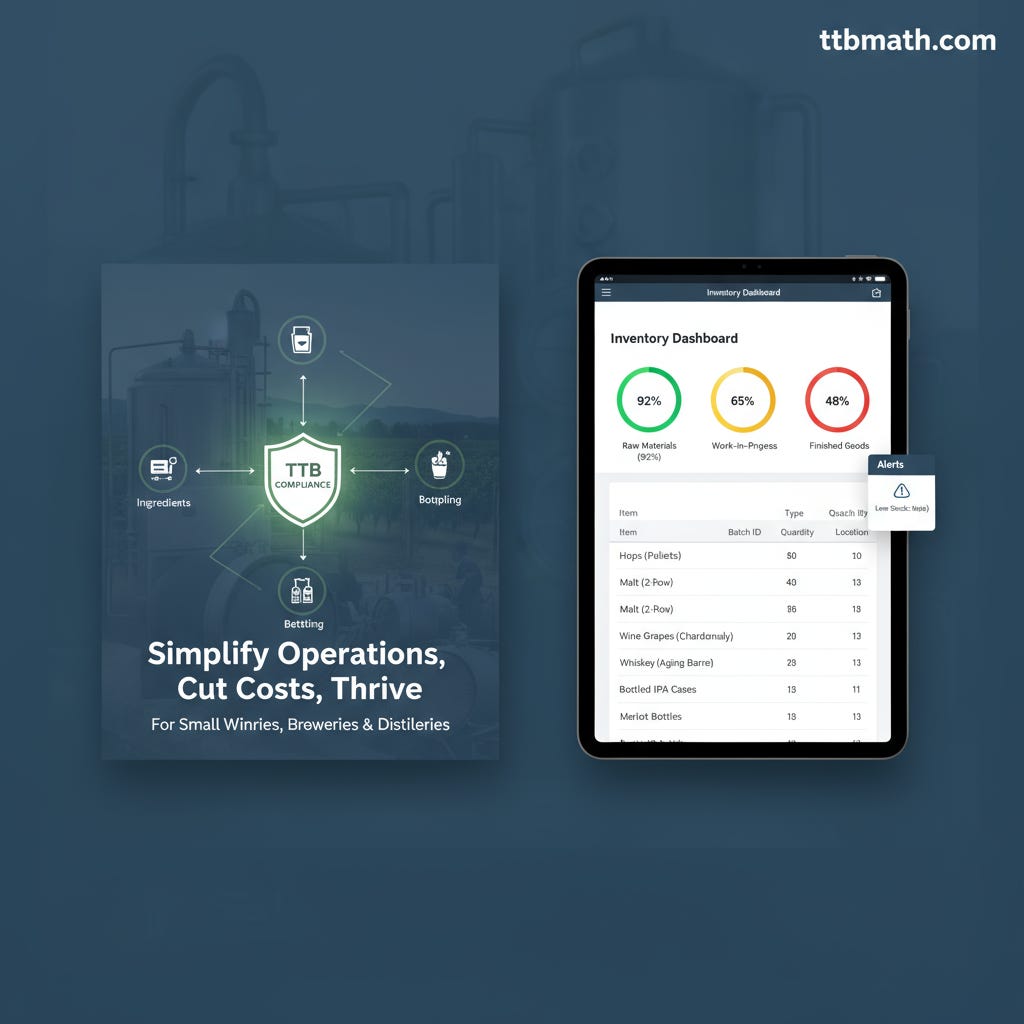
While the CRM handles the "who," the Spirits 2000 core engine handles the "what" and "where." For breweries and wineries, inventory is often split between raw materials, work-in-progress (WIP), and finished goods available for retail or wholesale.
Real-Time Inventory Tracking
Spirits 2000 excels at managing complex inventories across multiple locations. If a winery has a tasting room in the vineyard and a satellite shop in the city, the system provides a unified view of stock levels. It supports:
- Case Breaking: Automatically adjusting inventory when a case is opened for individual bottle sales.
- Low-Stock Alerts: Setting threshold triggers to notify managers when popular SKUs need replenishment or production scheduling.
- Mobile Inventory Management: Utilizing handheld devices to perform "cycle counts" without shutting down operations, a critical feature for large warehouse environments.
Wholesale and Distribution Modules
Many breweries and wineries manage their own local distribution. Spirits 2000 includes tools to handle wholesale pricing tiers, invoicing, and account receivables. This allows the producer to use one system for both the customer buying a pint at the bar and the local restaurant ordering five kegs for their weekly delivery. The software tracks "charge-backs" and promotional discounts that are common in the wholesale alcohol trade, ensuring that margins remain transparent.
Technical Specifications and 2026 Standards
The technical architecture of Spirits 2000 has shifted toward a hybrid-cloud model. While the core database often resides on a local server to ensure the taproom can still process sales during an internet outage—a common requirement for rural wineries—the reporting and CRM data are synced to the cloud.
Hardware Compatibility
The software is designed to run on hardened POS terminals, but in 2026, there is an increasing reliance on tablet-based interfaces for "line busting" and table-side service. Spirits 2000 supports various peripherals, including:
- High-speed thermal printers for receipts and kitchen/bar chits.
- Integrated EMV credit card processors to ensure PCI compliance and security.
- 2D Barcode scanners for rapid product entry and automated ID verification.
Data Security and Compliance
Regulatory compliance is the "make or break" factor for beverage software. Spirits 2000 includes automated age verification prompts that require an ID scan or manual birthdate entry before a sale can proceed. Furthermore, the reporting engine generates the specific documentation required by state agencies (such as the TTB in the United States) for tax reporting and production logs.
Comparing Spirits 2000 to Generic CRM Solutions
When choosing software, breweries and wineries often weigh the pros and cons of a niche solution like Spirits 2000 against a general retail POS or a standalone CRM like Salesforce or HubSpot.
| Feature | Spirits 2000 (Beverage Specific) | General Retail POS/CRM |
|---|---|---|
| Age Verification | Integrated hardware/software prompts | Often requires third-party plugins |
| Wholesale Tiers | Native support for 3-tier system logic | Limited to basic "customer groups" |
| Compliance Reporting | Built-in state-specific tax reports | Requires manual data export and formatting |
| Inventory Logic | Supports keg deposits and case breaking | Generic "unit" tracking only |
| Wine Club Management | Native recurring billing and shipping | Requires dedicated integration |
| Ease of Use | Tailored to "behind the bar" workflows | May contain irrelevant retail fields |
Implementing Spirits 2000: Practical Steps for 2026
Transitioning to or upgrading Spirits 2000 requires a structured approach to ensure data integrity, especially regarding customer records.
- Data Cleansing: Before migration, breweries should audit their existing customer lists to remove duplicates and verify email formats. This ensures the CRM starts with a "clean" foundation.
- Hardware Audit: In 2026, ensure your local area network (LAN) is optimized for high-speed syncing. While Spirits 2000 is efficient, the real-time nature of modern CRM updates demands a stable connection.
- Staff Training: The CRM is only as good as the data entered. Training staff to ask for a loyalty sign-up at the point of sale is the most critical step in maximizing the software's ROI.
- Integration Mapping: Identify which third-party tools need to talk to Spirits 2000. This often includes e-commerce platforms like Shopify or specialized wine club software like Commerce7, though Spirits 2000 offers many of these features natively.
Common Pitfalls and Troubleshooting
Despite its robust nature, users can encounter hurdles during the daily operation of Spirits 2000. One common issue is inventory desync, which typically occurs when wholesale orders are processed manually outside the system. To avoid this, all "depletions" (sales or samples) must be recorded through the Spirits interface.
Another challenge is the "siloed data" problem. If the marketing team uses a separate email tool that doesn't sync back to Spirits 2000, they lose the ability to track the actual revenue generated from a specific campaign. Utilizing the built-in export/import tools or the API (where available) is essential for maintaining a 360-degree view of the customer.
Frequently Asked Questions
Does Spirits 2000 support e-commerce integration?
Yes. Spirits 2000 offers integrations with leading e-commerce platforms, allowing for a "single source of truth" for inventory. When a bottle is sold online, the inventory is automatically decremented in the main database, preventing overselling in the physical tasting room.
Can Spirits 2000 handle wine club recurring billing?
Spirits 2000 includes modules specifically designed for the recurring billing needs of wineries. It can store encrypted payment tokens (through secure gateways) to process monthly or quarterly club shipments and pickups seamlessly.
Is the software compliant with all state liquor laws?
While no software can guarantee absolute legal compliance (as laws change frequently), Spirits 2000 is built with the specific regulatory framework of the US beverage alcohol industry in mind. It includes features for tracking volume limits and generating state-mandated excise tax reports.
What kind of support does Atlantic Systems, Inc. provide?
ASI is known for providing industry-specific technical support. In 2026, this includes remote desktop assistance, regular software updates to stay current with payment security standards, and a dedicated help desk that understands the urgency of a "down" POS during a busy Friday night in the taproom.
Can the software manage "keg deposits" for brewery wholesale?
Yes. One of the standout features for breweries is the ability to track returnable assets like kegs and pallets. The system can add a deposit fee to a wholesale invoice and automatically credit the account when the empty keg is scanned back into the warehouse.
Final Recommendation
For breweries and wineries looking to scale their operations in 2026, Spirits 2000 remains a highly recommended choice due to its industry-specific logic. While generic POS systems might offer sleeker interfaces, they often lack the deep inventory and compliance features required by the beverage alcohol sector.
To get the most out of Spirits 2000, businesses should focus heavily on the CRM loyalty module. By incentivizing customers to "join the list" during their first tasting room visit, producers can build a direct-to-consumer pipeline that insulates them from the fluctuations of the broader wholesale market. Your next action should be to conduct a "gap analysis" of your current customer data and determine how many sales you are currently missing because you lack a unified view of your patrons' habits.
Image Gallery