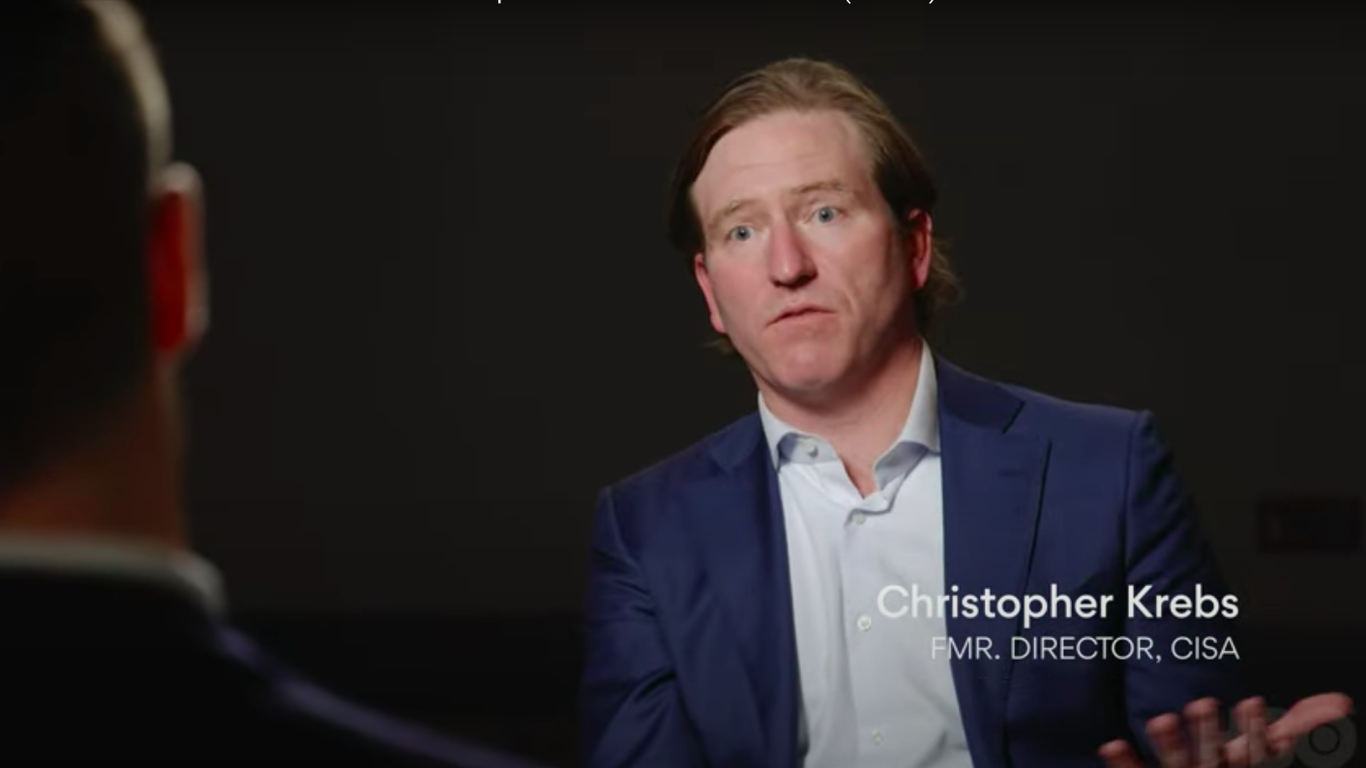
Understanding the Career Trajectory and Professional Profile of Chris Krebs
Christopher C. Krebs has built a prominent career as a cybersecurity expert and government official, most notably serving as the first Director of the Cybersecurity and Infrastructure Security Agency (CISA) within the U.S. Department o...
Christopher C. Krebs has built a prominent career as a cybersecurity expert and government official, most notably serving as the first Director of the Cybersecurity and Infrastructure Security Agency (CISA) within the U.S. Department of Homeland Security. While public curiosity often centers on the net worth of high-profile security figures, such figures in the public sector typically maintain assets derived from decades of professional service in law, consultancy, and executive government leadership rather than volatile private enterprise valuations.
Contents
The Foundation of Professional Earnings
Chris Krebs is an attorney by training, having earned his Juris Doctor from the Antonin Scalia Law School at George Mason University. His career trajectory is defined by a consistent transition between elite legal practice, corporate cybersecurity advisory roles, and high-level federal service. Unlike entrepreneurs whose wealth is tied to the equity of a single startup, Krebs's financial profile is characteristic of a high-level executive who has navigated the intersection of government policy and the private sector.
Before his tenure at CISA, Krebs served as a senior advisor to the Secretary of Homeland Security and played a pivotal role in the development of the National Protection and Programs Directorate (NPPD). His background includes significant work at Microsoft as a director for cybersecurity policy. These roles typically command executive-level compensation packages, including competitive base salaries, performance bonuses, and, in the private sector, equity-based compensation or stock options.
Executive Compensation in Government and Private Security
When analyzing the career earnings of individuals like Chris Krebs, it is essential to distinguish between the pay scales of federal employees and those in the private cybersecurity industry.
- Government Service: As the Director of CISA, Krebs occupied a position that falls under the Executive Schedule. While these roles offer prestige and influence, they are capped by federal salary guidelines. In 2026, the pay scales for federal executives remain transparent, generally ranging between $180,000 and $220,000 depending on the specific Tier of the Executive Schedule.
- Private Sector Transition: Post-government service, professionals of Krebs's caliber often move into roles at global consulting firms, cybersecurity boards, or think tanks. These positions frequently involve substantial increases in total compensation, including deferred compensation plans and consulting fees. Following his departure from CISA, Krebs became a founding partner of the Krebs Stamos Group, a consultancy firm focused on helping organizations navigate geopolitical and cybersecurity risks. Such ventures represent a transition toward equity-based wealth accumulation.
Components of Professional Valuation
Estimating the net worth of a career professional involves aggregating various streams of income and assets. Because personal financial disclosures for former government officials are often non-public once they exit federal service, analysts generally look at standard industry benchmarks for executives with similar backgrounds.
| Income Stream | Source Context | Typical Impact on Wealth |
|---|---|---|
| Federal Salary | CISA / DHS Tenure | Baseline liquidity and pension accrual |
| Corporate Advisory | Microsoft / Private Sector | Salary, bonuses, and equity grants |
| Private Consultancy | Krebs Stamos Group | Ownership stake and performance dividends |
| Speaking & Writing | Industry Conferences | Supplemental income through fees and contracts |
The Role of Krebs Stamos Group
The establishment of the Krebs Stamos Group is perhaps the most significant factor in the modern financial trajectory of Chris Krebs. By co-founding a boutique consultancy alongside Alex Stamos, Krebs leveraged his reputation as a trusted voice in election integrity and national infrastructure protection. In the current cybersecurity landscape of 2026, firms that specialize in "high-stakes" consulting for Fortune 500 companies often operate with high profit margins. The valuation of such a firm is generally tied to the intellectual property, client list, and the reputation of its partners rather than physical assets.
Strategic Asset Management and Professional Longevity
For professionals who split their time between high-level public service and private advisory, wealth management is typically characterized by conservative, diversified holdings. Unlike the rapid wealth creation seen in the tech startup sector, the accumulation for a career consultant or former government official is usually built over decades of high-earning years.
It is important to note that financial speculation regarding private citizens, including those who have held public office, often ignores the impact of taxes, cost-of-living adjustments, and professional expenses. Professional cybersecurity experts in Washington D.C. operate within a specific economic framework where their value is tied to their "expert network" and their ability to provide actionable intelligence to private firms.
Frequently Asked Questions Regarding Chris Krebs
1. Is Chris Krebs a billionaire? No. Based on his career as a public servant, legal professional, and security consultant, his earnings do not place him in the category of billionaire. His compensation is consistent with that of a senior-level corporate executive and subject-matter expert.
2. How does government service affect private sector earnings? Government service often serves as a "credentialing" event. While federal salaries are capped, the expertise and contacts gained during tenure allow individuals to transition into highly compensated roles in the private sector, such as strategic advisory, board memberships, or private consulting.
3. What is the primary source of income for security consultants? The primary income sources include annual retainers from corporations seeking strategic security oversight, project-based consulting fees, and, in some cases, equity in the firm they manage.
4. Can I look up the exact net worth of Chris Krebs? No. Private citizens who do not hold public office are not required to disclose their personal net worth. Any specific "net worth" figures found online are estimates based on public career history and should not be considered verified financial data.
5. Does Chris Krebs currently hold government office? As of 2026, Chris Krebs is active in the private sector through his consulting practice and various advisory roles. He left his position as the Director of CISA in November 2020.
Recommendation for Further Research
For those interested in the financial history of public figures or cybersecurity industry compensation, the most accurate data can be found by reviewing public financial disclosure forms filed during the individual’s time in government service. These forms are archived by the U.S. Office of Government Ethics (OGE). These documents provide a snapshot of assets, liabilities, and income sources at the time of the appointment, serving as the most reliable source of historical financial verification for any former federal director.
Image Gallery