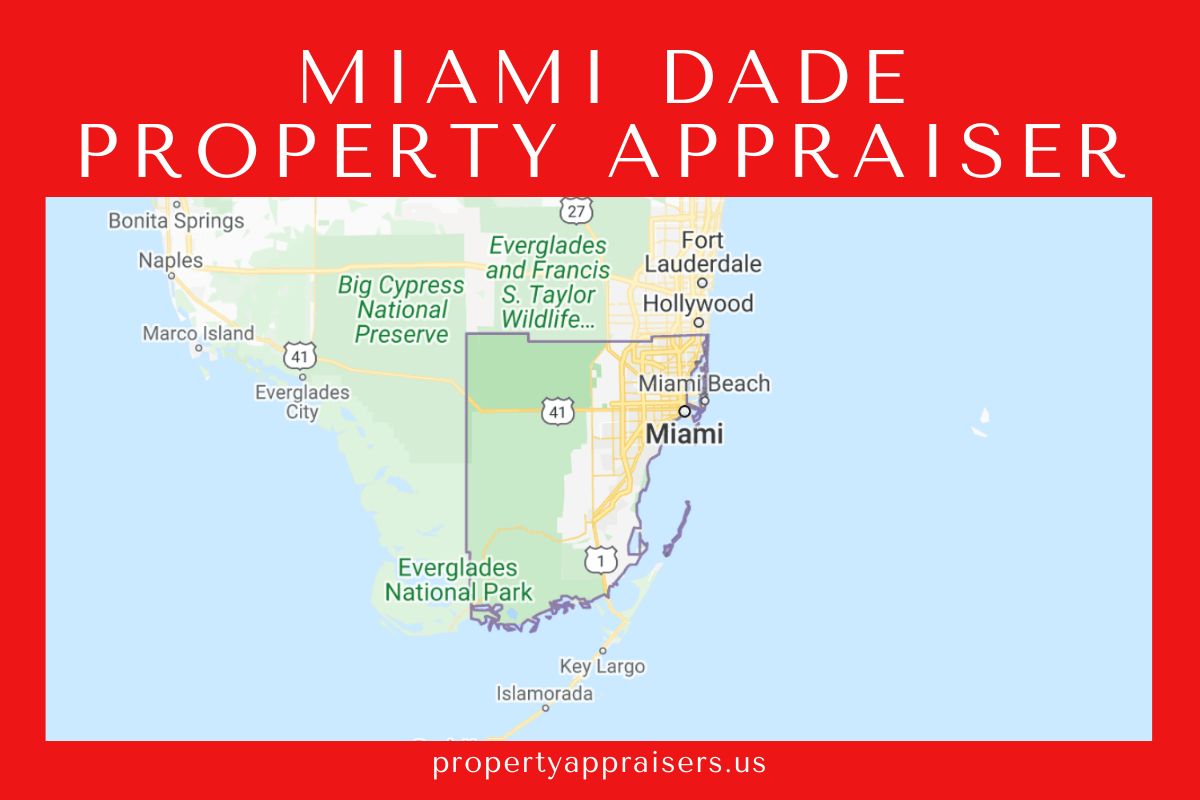
Navigating the Miami-Dade County Property Appraiser Office: A 2026 Comprehensive Guide for Homeowners and Investors
The Miami-Dade County Property Appraiser is the constitutional officer responsible for identifying, locating, and appraising all property within the county for tax purposes. As of 2026, the office remains the primary authority for ensu...
The Miami-Dade County Property Appraiser is the constitutional officer responsible for identifying, locating, and appraising all property within the county for tax purposes. As of 2026, the office remains the primary authority for ensuring the fair and equitable assessment of real and tangible personal property in one of the most dynamic real estate markets in the United States.
Contents
Understanding the Role of the Miami-Dade County Property Appraiser in 2026
The Property Appraiser does not set tax rates; rather, they determine the just valuation of property. These valuations serve as the basis for the ad valorem taxes levied by various taxing authorities, including the Miami-Dade County Board of County Commissioners, the School Board, and individual municipalities.
In 2026, the office operates under strict Florida statutes that mandate property be assessed at its just value, which is generally synonymous with "fair market value." The appraisal process involves analyzing sales data, property characteristics, and economic trends. The office maintains a comprehensive database accessible to the public, providing transparency for homeowners, buyers, and commercial investors.
Key Responsibilities of the Office
- Property Assessment: Establishing the taxable value for residential, commercial, and industrial properties.
- Exemption Administration: Managing homestead exemptions, senior citizen exemptions, and disability exemptions for qualified residents.
- Public Record Maintenance: Providing up-to-date ownership information, property history, and legal descriptions.
- Assessment Appeals: Facilitating the process through which property owners can contest their assessed values if they believe the appraisal does not reflect current market conditions.
Accessing Property Data via the Official Portal
For property owners and real estate professionals in 2026, the Miami-Dade Property Appraiser website is the central hub for data retrieval. Users can search for property details using a Folio Number, property address, or owner name.
Data Points Available for Every Parcel
- Market Value: The appraised value of the property based on current market trends.
- Assessed Value: The value determined after applying statutory caps, such as the Save Our Homes assessment limitation.
- Taxable Value: The value used to calculate taxes after exemptions are subtracted.
- Property Characteristics: Detailed information including square footage, year built, building materials, and land use codes.
- Sales History: A chronological log of recent arm-length transactions associated with the parcel.
Maximizing Tax Savings: Exemptions and Limitations
One of the most critical functions of the office is the administration of exemptions that reduce the tax burden on residents. In 2026, the eligibility criteria remain stringent and require timely filing.
Common Exemptions and Their Impact
Homestead Exemption Overview
The primary benefit available to permanent Florida residents is the Homestead Exemption. This exemption reduces the taxable value of your primary residence by up to $50,000. Beyond the direct tax savings, it activates the Save Our Homes (SOH) cap, which limits annual increases in the assessed value of a homesteaded property to the lesser of 3 percent or the percentage change in the Consumer Price Index (CPI).
| Exemption Type | Eligibility Criteria | Financial Impact |
|---|---|---|
| Homestead Exemption | Primary residence; Florida resident | Up to $50,000 reduction |
| Senior Citizen Exemption | Age 65+; low income; long-term residency | Additional variable reduction |
| Disability Exemption | Certified veteran or non-veteran disability | Varies based on classification |
| Widow/Widower Exemption | Unremarried surviving spouse | Nominal flat reduction |
The 2026 Assessment Appeal Process
If an owner disagrees with the valuation placed on their property, they have the right to challenge it. Understanding the timeline and the evidentiary requirements is vital for a successful appeal.
- Informal Review: Owners can initiate a conversation with an appraiser to discuss the valuation and present evidence of potential errors or market discrepancies.
- Value Adjustment Board (VAB): If the informal review is unsatisfactory, the owner may file a petition with the VAB. This is a quasi-judicial process where a special magistrate reviews the evidence from both the property owner and the Appraiser’s office.
- Evidence Preparation: Successful appeals in 2026 rely heavily on verifiable data, such as recent comparable sales (comps) of similar properties within the immediate vicinity, professional appraisals, or documentation of physical damage or structural obsolescence.
Comparing Valuation Methodologies
The Property Appraiser uses standardized methods to determine value. While the specific approach depends on the property type, the following table summarizes how different assets are evaluated for the 2026 tax roll.
| Property Type | Primary Valuation Approach | Key Drivers |
|---|---|---|
| Single-Family Residential | Sales Comparison | Recent sales of similar homes |
| Multi-Family / Apartment | Income Capitalization | Net operating income and cap rates |
| Commercial / Retail | Cost or Income Approach | Replacement cost and rental yields |
| Vacant Land | Sales Comparison | Proximity to infrastructure and zoning |
Frequently Asked Questions
How can I verify if my property is correctly assessed? You can verify your assessment by reviewing your "Notice of Proposed Property Taxes" (TRIM notice) and comparing it against the market value of similar properties sold in your neighborhood during the 2025-2026 period. If the value seems significantly higher than comparable sales, you should contact the office for an informal review.
What is the deadline for filing for a Homestead Exemption in 2026? The statutory deadline for filing for all property tax exemptions in Florida is March 1 of the tax year. Applications submitted after this date may be considered for the current year only with a showing of extenuating circumstances and approval by the Property Appraiser.
Does the Property Appraiser set my final tax bill? No, the Property Appraiser only determines the value of the property. The actual tax bill is calculated by multiplying the taxable value by the millage rates set by the various local taxing authorities, such as the city, county, and school board.
Can I appeal my assessment even if I don't own the property yet? Appeals must be filed by the property owner of record as of the filing date. If you are under contract to purchase a home, you should coordinate with the current owner or ensure your purchase agreement addresses tax protest responsibilities for the current year.
How does the "Save Our Homes" cap affect my property taxes? The SOH cap limits the increase in the assessed value of your homesteaded property to 3 percent per year. It does not cap the market value, nor does it cap the millage rates set by local governments, meaning taxes can still rise if millage rates increase.
Strategic Tips for Property Owners
- Review Your Folio: Ensure all physical data (square footage, bathroom count) is accurate. Inaccuracies in the office's database can lead to inflated assessments.
- Monitor Market Trends: In 2026, real estate volatility remains a factor. Keep a file of "comps" that closed within the last 12 months to support your case if you need to appeal.
- Digital Tools: Utilize the interactive GIS maps provided by the county to understand land use patterns and zoning changes that may impact your property’s future value.
For professional assistance or to initiate an exemption application, property owners should visit the official Miami-Dade County Property Appraiser’s office located at the Stephen P. Clark Government Center in downtown Miami. Utilizing their online portal ensures that you are interacting with the most current 2026 data standards.
Image Gallery