The Biological Marvel of a Giant Panda Giving Birth: A Complete Guide
The birth of a giant panda is a rare biological event characterized by an extraordinary size disparity between the mother and her cub. After a gestation period complicated by delayed implantation, a female panda gives birth to a helple...
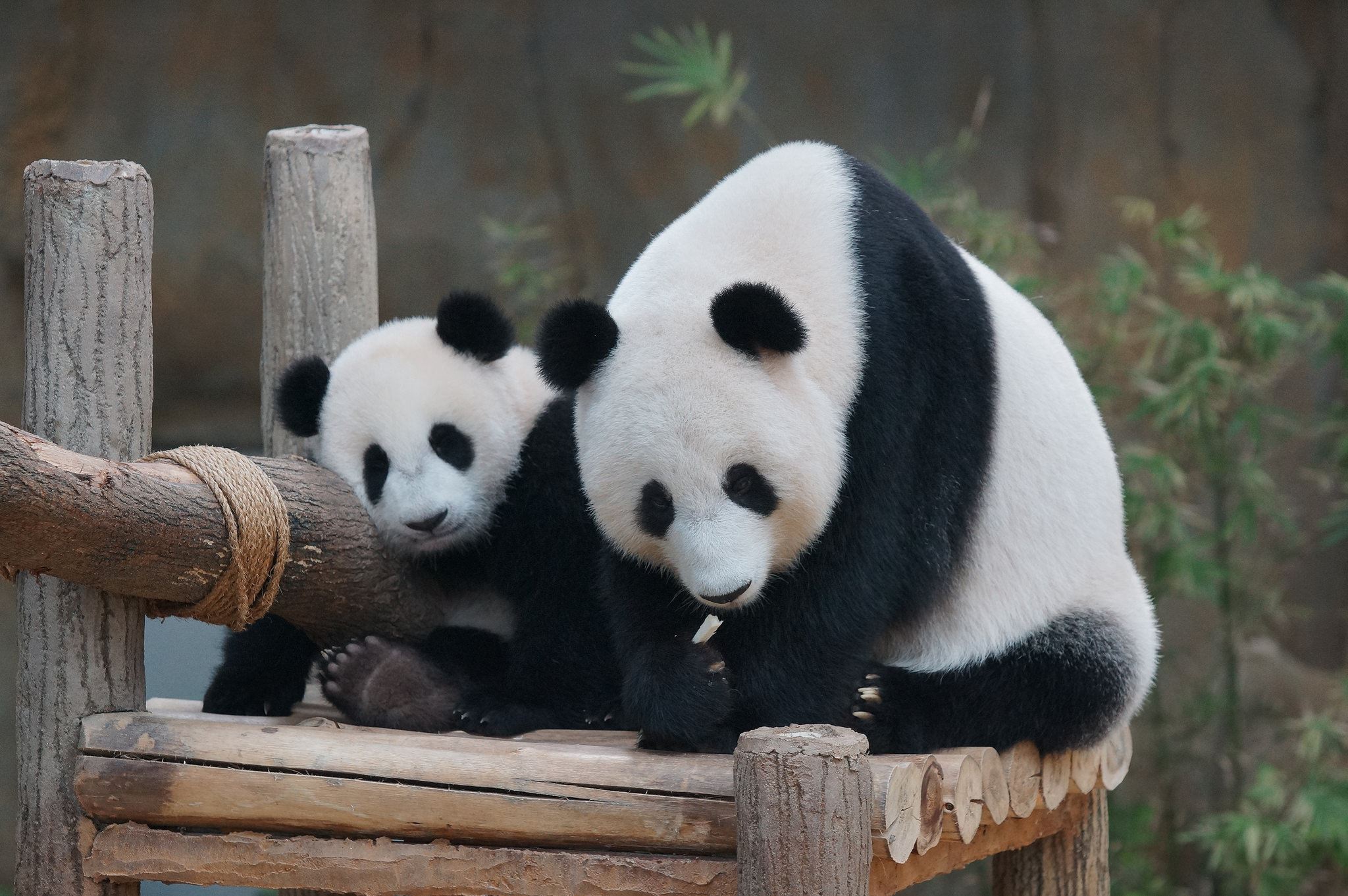
The birth of a giant panda is a rare biological event characterized by an extraordinary size disparity between the mother and her cub. After a gestation period complicated by delayed implantation, a female panda gives birth to a helpless, vocal cub weighing roughly 1/900th of her own body mass.
Contents
The giant panda (Ailuropoda melanoleuca) remains one of the most evolutionarily distinct mammals on Earth. While their status was upgraded from "Endangered" to "Vulnerable" by the IUCN in 2016, their reproductive biology continues to be a focal point of intense scientific study. As of 2026, conservation efforts in China and international zoological partnerships rely on a deep understanding of the intricacies of the panda birth process to ensure the survival of the species.
The Biological Foundation: Estrus and Conception
To understand the birth of a panda, one must first understand the difficulty of the conception that precedes it. Female giant pandas are "seasonally polyestrous," meaning they have a very narrow window for breeding.
The Annual Estrus Window
A female panda is in estrus only once a year, typically between March and May. Within this period, the actual window of fertility—the time during which she can conceive—lasts only 24 to 72 hours. This physiological constraint makes both natural mating and artificial insemination (AI) incredibly time-sensitive. Zookeepers and researchers monitor hormone levels, specifically estrogen and progesterone, through daily urine samples to predict the exact moment of ovulation.
Delayed Implantation (Embryonic Diapause)
One of the most complex aspects of panda pregnancy is delayed implantation. After an egg is fertilized, it does not immediately attach to the uterine wall. Instead, the embryo floats freely in the uterus for weeks or even months. This phenomenon, known as embryonic diapause, is why gestation periods can range anywhere from 95 to 160 days. The actual development of the fetus only occurs during the final 45 to 60 days once the embryo finally implants.
Identifying Pregnancy: The Challenge of "Pseudo-Pregnancies"
In the world of panda conservation, confirming a pregnancy is notoriously difficult. Giant pandas frequently exhibit "pseudo-pregnancies" (phantom pregnancies), where a non-pregnant female displays all the hormonal and behavioral signs of being expectant.
Behavioral Indicators
As a panda approaches the end of her term—whether real or "pseudo"—she will exhibit specific behaviors:
- Nesting: The female will spend hours arranging bamboo or wood wool in her den.
- Lethargy: She will sleep significantly more and may lose interest in her primary food source, bamboo.
- Sensitivity: She may become more reactive to noise and environmental changes, seeking the seclusion of a darkened birthing den.
Hormonal and Physiological Monitoring
Because the panda fetus is so incredibly small, traditional ultrasounds are often inconclusive until the final two weeks of pregnancy. Scientists instead look for a "secondary rise" in progesterone levels. If this rise is followed by a sharp drop, birth (or the end of a pseudo-pregnancy) is imminent within 24 to 48 hours. By 2026, advanced protein markers in urine have become the primary method for distinguishing between a true pregnancy and a phantom one, though the process remains a high-stakes waiting game for conservationists.
The Mechanics of Labor and Delivery
When the time for delivery arrives, the female panda typically retreats to a hollow tree or a specialized indoor den. The labor process can last anywhere from a few hours to a full day.
Early Stages of Labor
Early labor is marked by restlessness. The mother may roll on the floor, lick her paws, and engage in "panting" or vocalizations. Unlike many other large mammals, pandas often remain upright or sit against a wall during the final stages of labor.
The Moment of Birth
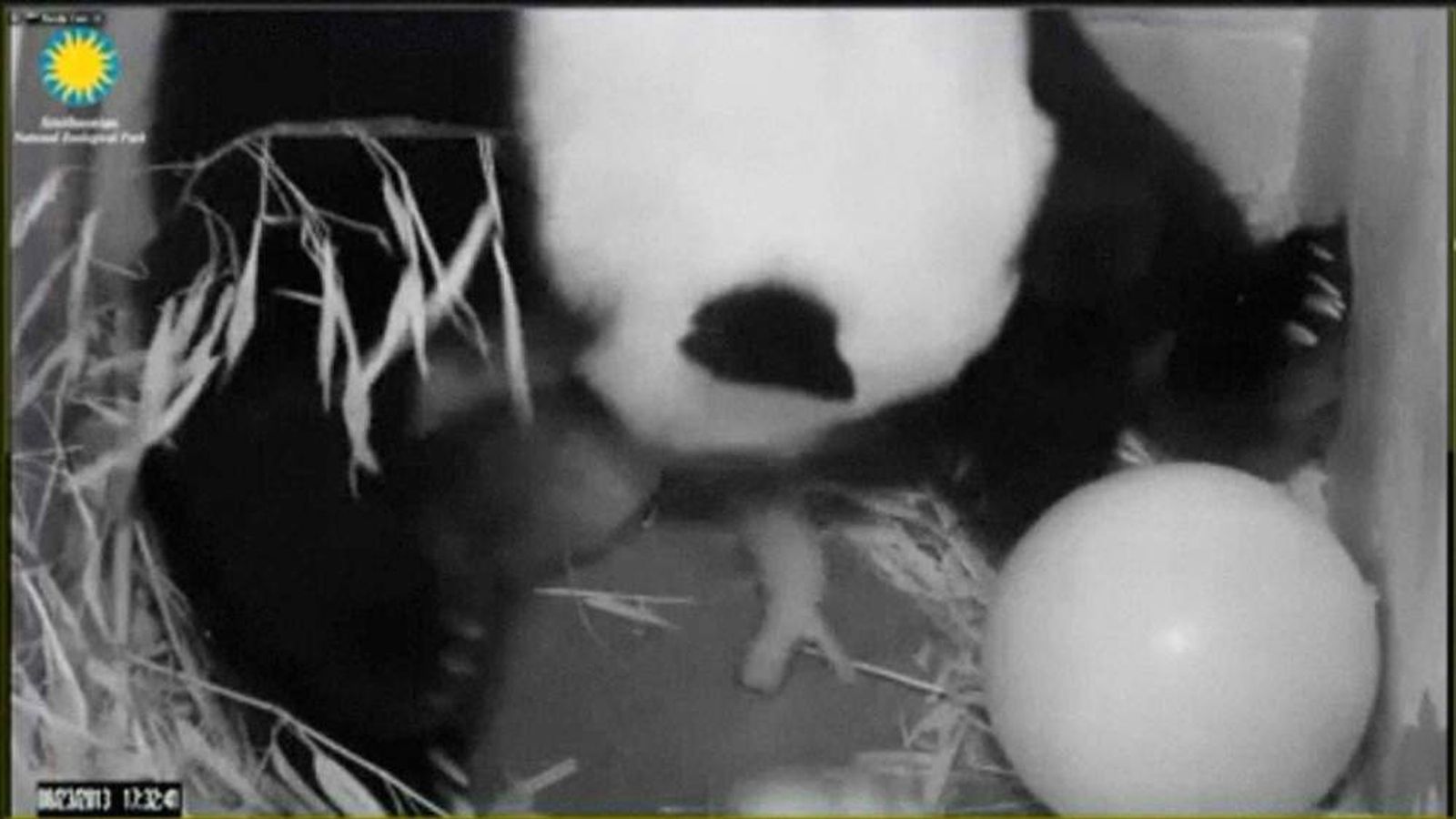
The actual delivery is usually swift. The cub is expelled in a fluid-filled sac, which the mother immediately breaks. A newborn panda is tiny, pink, blind, and nearly hairless. The most striking feature of a newborn is its vocalization. Despite their size, panda cubs emit a piercing, high-pitched "squawk" or "squeal" that alerts the mother to their location and needs.
The mother's immediate reaction is critical. She must gently scoop the cub up with her large paws and cradle it against her chest to provide warmth and access to colostrum (the first milk, rich in antibodies). Because the cub cannot regulate its own body temperature, the mother will not leave the cub—not even to eat or drink—for the first several days.
Characteristics of a Newborn Giant Panda
The physical state of a newborn panda is often described as "underdeveloped" compared to other bears. This is likely due to the low-nutrient bamboo diet of the mother, which limits the energy available for fetal growth during the short active gestation period.
| Feature | Newborn Cub (0–3 Days) | Adult Giant Panda (6+ Years) |
|---|---|---|
| Weight | 90g – 150g (3oz – 5oz) | 80kg – 125kg (175lb – 275lb) |
| Color | Pink skin, sparse white fuzz | Distinctive black and white fur |
| Vision | Totally blind (eyes closed) | High-contrast vision, excellent night sight |
| Mobility | Fully dependent; cannot crawl | Agile climber and walker |
| Diet | Mother's milk exclusively | 12–38kg of bamboo daily |
| Proportion | ~1/900th of mother's weight | N/A |
Post-Natal Care: The First 72 Hours
The first 72 hours are the most precarious for a giant panda cub. In the wild, mortality rates are highest during this window. In captive breeding centers like the Chengdu Research Base of Giant Panda Breeding, 24-hour surveillance is mandatory.
The "Twin Swapping" Protocol
Giant pandas frequently give birth to twins. In the wild, the mother almost always abandons the weaker cub because she lacks the energy reserves to care for two. To mitigate this in captivity, researchers developed the "twin swapping" technique.
- Rotation: Keepers leave one cub with the mother while the other is placed in an incubator.
- Swapping: Every few hours, the cubs are switched.
- Supplementing: The cub in the incubator is fed a specialized panda milk formula if the mother’s supply is insufficient for both.
- Acceptance: This method ensures both cubs receive the essential bonding and colostrum from the mother while allowing both to survive.
Developmental Milestones
A cub's development is slow. Their eyes do not open until they are approximately 6 to 8 weeks old. They do not begin to crawl until 3 months and remain dependent on their mother's milk for up to a year. This long period of dependency is why female pandas in the wild generally only give birth every two years.
Conservation Significance in 2026
The birth of a giant panda is no longer just a biological event; it is a global conservation milestone. As of 2026, the focus has shifted from merely increasing the population to maximizing genetic diversity.
The IUCN Red List continues to categorize the species as Vulnerable, noting that habitat fragmentation remains the greatest threat. Births in captivity are increasingly managed through the Global Species Management Plan (GSMP), which uses a "studbook" to prevent inbreeding. Every successful birth contributes to a "safety net" population that can eventually be used for reintroduction programs into the Sichuan, Shaanxi, and Gansu provinces.
Frequently Asked Questions
Why are panda cubs so small when they are born?
Panda cubs are born exceptionally small because of the mother's bamboo-based diet and the phenomenon of delayed implantation. Since bamboo is low in nutrients, the mother's body cannot support a large fetus for a long period. Consequently, the cub is born at an earlier stage of development than many other mammals.
Do giant pandas always have twins?
Twins occur in approximately 50% of giant panda pregnancies. However, in a natural wild environment, the mother rarely has the resources to raise both and will typically choose the stronger of the two to ensure at least one survives.
How long does a panda mother stay with her cub?
A panda cub will stay with its mother for 1.5 to 2 years. During this time, the mother teaches the cub how to find bamboo, climb trees for safety, and navigate the mountainous terrain. The cub is usually fully weaned by 12 to 18 months.
What do newborn pandas eat if the mother cannot produce milk?
In captive settings, if a mother cannot produce milk, keepers use a specialized formula often based on a mixture of milk from other pandas or specific feline/canine milk replacers tailored to the high-fat requirements of a cub. Colostrum bank systems are also maintained by major breeding bases.
How can you tell if a panda is about to give birth?
The most reliable signs include a sharp drop in progesterone levels, an extreme decrease in appetite (refusing even favorite treats like "panda bread" or apples), and increased nesting behavior where the mother spends significant time pawing at her bedding.
Next Steps for Panda Conservation
The successful birth of a giant panda cub is the result of years of biological research and meticulous care. For those interested in supporting these efforts, consider contributing to the World Wildlife Fund (WWF) or the Smithsonian's National Zoo conservation funds, which directly support habitat restoration and reproductive research. Monitoring the progress of "reintroduction training," where cubs born in captivity are prepared for life in the wild, remains the next great frontier for the species in 2026.
Image Gallery