Understanding Life Insurance Through an Association: A Strategic Coverage Option
Securing life insurance through an association allows individuals to access group-rate coverage based on their professional, fraternal, or organizational affiliations. By leveraging the collective buying power of a larger group, member...
Securing life insurance through an association allows individuals to access group-rate coverage based on their professional, fraternal, or organizational affiliations. By leveraging the collective buying power of a larger group, members often gain access to simplified underwriting processes and potentially lower premiums compared to individual market policies, though coverage portability and customization options vary by plan structure.
Contents
The Mechanism of Association-Based Coverage
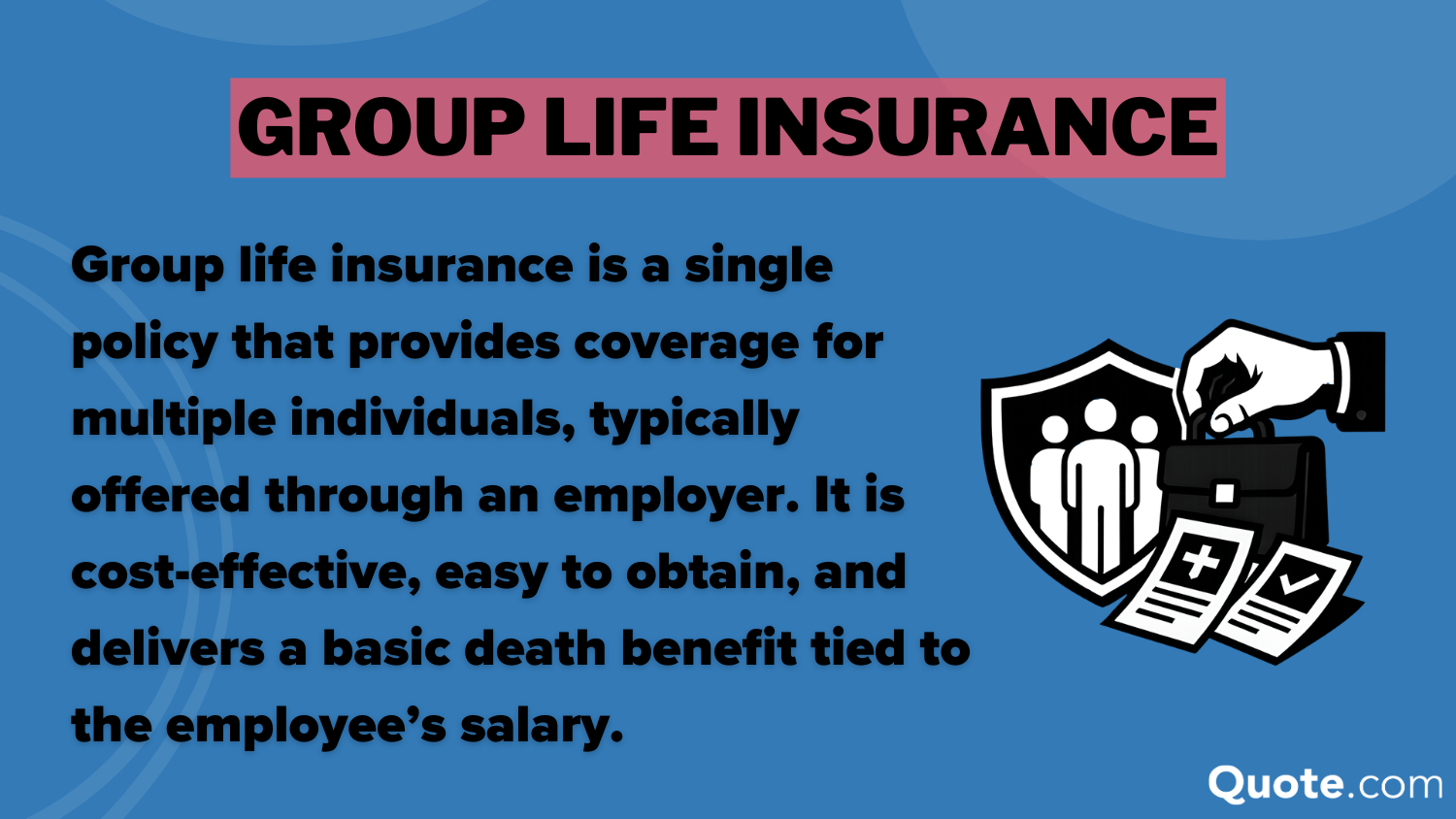
Life insurance through an association is a form of group life insurance. Unlike individual policies, which are underwritten based on the specific health profile and lifestyle risks of a single applicant, association plans cover a broad demographic of members. The policy is held by the association itself, and members receive certificates of insurance as evidence of their participation.
The core premise is risk pooling. When an insurance carrier underwrites a large group, they assume that the collective health of the members will mirror the average of the broader population. Because the association handles the administrative overhead—such as marketing, enrollment, and premium collection—the insurance carrier reduces its customer acquisition costs. These savings are often passed down to the member in the form of competitive pricing.
Eligibility and Enrollment Prerequisites
Before exploring association coverage, you must verify your eligibility status. Membership in the organization is the primary gateway to these benefits. In 2026, many professional associations, alumni groups, labor unions, and trade organizations offer these plans.
- Active Membership: You must generally be a member in good standing. Some associations require a minimum duration of membership or payment of annual dues before you are eligible to apply for group insurance benefits.
- Age Limitations: Most association plans impose minimum and maximum age brackets for entry. While some allow members to join as early as age 18, others have "age-out" provisions where coverage either terminates or significantly reduces once the member reaches 70 or 75.
- Active Work Requirement: For some professional trade associations, the policy may require that you be "actively at work" at the time of enrollment, meaning you must be capable of performing your regular occupational duties.
- Residency Constraints: Insurance regulations are governed at the state level in the United States. Ensure that the association’s master policy is approved for issuance in your specific state of residence.
Analyzing the Benefits and Drawbacks
When evaluating whether to obtain insurance through your association versus the private market, consider the trade-offs between administrative convenience and long-term financial flexibility.
The Advantages
- Simplified Underwriting: Association plans frequently offer "guaranteed issue" or "simplified issue" windows. During these periods, you may be able to secure coverage without a paramedical exam or extensive medical history disclosures.
- Competitive Group Rates: Because the policy is a group contract, the premiums are often lower than those for individual term policies, particularly for older members or those with minor pre-existing health conditions that would trigger higher premiums on the individual market.
- Streamlined Billing: Premiums are often processed as a convenience deduction, either through your association dues payment portal or as an automatic draw from your financial account, reducing the risk of accidental policy lapse due to missed payments.
The Drawbacks
- Lack of Portability: If you leave the association, you may lose your eligibility to maintain the policy. Unlike individual policies, which you own personally regardless of your employment or membership status, group association coverage is often tied to your continued standing within the group.
- Limited Customization: Association plans are "one-size-fits-all" products. You rarely have the ability to add riders—such as long-term care, critical illness, or specific waiver-of-premium provisions—that are common in individual insurance contracts.
- Rate Volatility: While rates are currently competitive, the association and the carrier may renegotiate the master contract periodically. If the group’s overall claims experience is poor, the carrier may increase premiums for all members across the board, regardless of your personal health status.
Comparative Table: Association vs. Individual Insurance
| Feature | Association Group Plan | Individual Private Policy |
|---|---|---|
| Underwriting | Often simplified or guaranteed | Fully underwritten (exams required) |
| Ownership | Association holds master policy | You own the policy |
| Premiums | Group-rated (potential for hikes) | Level-term (guaranteed for duration) |
| Customization | Very limited | High (riders and death benefit options) |
| Portability | Often lost if membership ends | Fully portable |
Financial and Operational Considerations
In 2026, the financial landscape of life insurance remains complex. When considering an association plan, look past the initial "introductory" premium. Ask for the "renewal schedule." Some plans feature "age-banded" premiums, where the cost increases significantly every five years as you move into a higher age bracket. This can make an initially affordable plan prohibitively expensive as you reach retirement age.
Additionally, verify the financial strength of the carrier underwriting the association plan. You can do this by checking ratings from independent agencies such as AM Best or Fitch Ratings. Even though the association sponsors the plan, the promise to pay the death benefit rests entirely with the insurance carrier, not the association itself.
The Role of Regulatory Oversight
Insurance sold through associations is regulated by state insurance departments. Because these plans are often marketed across state lines, it is crucial to confirm that the specific policy is filed and approved in your jurisdiction. Some associations partner with third-party "Group Administrators" or "Trusts." These entities manage the policy, but they are not the insurance companies. Always clarify the role of these intermediaries and ensure you have direct contact information for the actual insurance carrier for claim processing purposes.
Frequently Asked Questions (FAQ)
Can I keep my association life insurance if I retire? Usually, you can keep the coverage as long as you maintain your membership in the association and continue to pay the premiums. However, check the "conversion privileges" section of your policy certificate. Some plans allow you to convert your group coverage to an individual policy if you leave the association, though the premiums for that individual policy will typically be higher.
Does association insurance require a medical exam? It depends on the policy terms. Many association plans provide "guaranteed issue" amounts—up to a specific death benefit cap—that do not require medical questions or exams. If you apply for a death benefit amount above that threshold, you will likely need to complete a medical questionnaire or undergo a paramedical exam.
Are premiums for association life insurance tax-deductible? Generally, premiums for personal life insurance, whether through an association or an individual carrier, are not tax-deductible for individuals in the United States. If you are a business owner using the association policy for business purposes, consult a tax professional regarding potential business expense deductions.
How do I verify the legitimacy of an association insurance offer? Check your association’s official website or member portal. Legitimate insurance offers are typically listed under "Member Benefits." If you receive a solicitation via mail or email, contact the association’s headquarters directly using the phone number found on their official domain, not the contact information provided in the marketing material.
Can I have association insurance and individual insurance at the same time? Yes. You can hold as many life insurance policies as you are eligible for. Many financial planners recommend using association coverage as a "supplemental" layer of protection while maintaining an individual "base" policy that you own personally and that offers level-term premiums for 20 or 30 years.
Practical Next Steps
Before committing to an association life insurance plan:
- Request the "Summary of Benefits": This document outlines exactly what is covered, the exclusions, and the specific terms of the master policy.
- Evaluate the "Death Benefit" cap: Determine if the maximum coverage amount is sufficient for your family’s long-term financial needs, such as mortgage payoff or education funding.
- Compare with the Individual Market: Use an independent insurance broker to run a quote for an individual term policy for the same death benefit amount. If the price difference is negligible, an individual policy is often the superior choice due to portability and guaranteed level premiums.
- Confirm "Conversion" Options: If the association plan does not offer a path to convert your policy to an individual plan upon departure, treat this as a temporary bridge rather than your primary insurance foundation.
Image Gallery