Casper Ruud: The Rise and Technical Prowess of the Norwegian Tennis Star
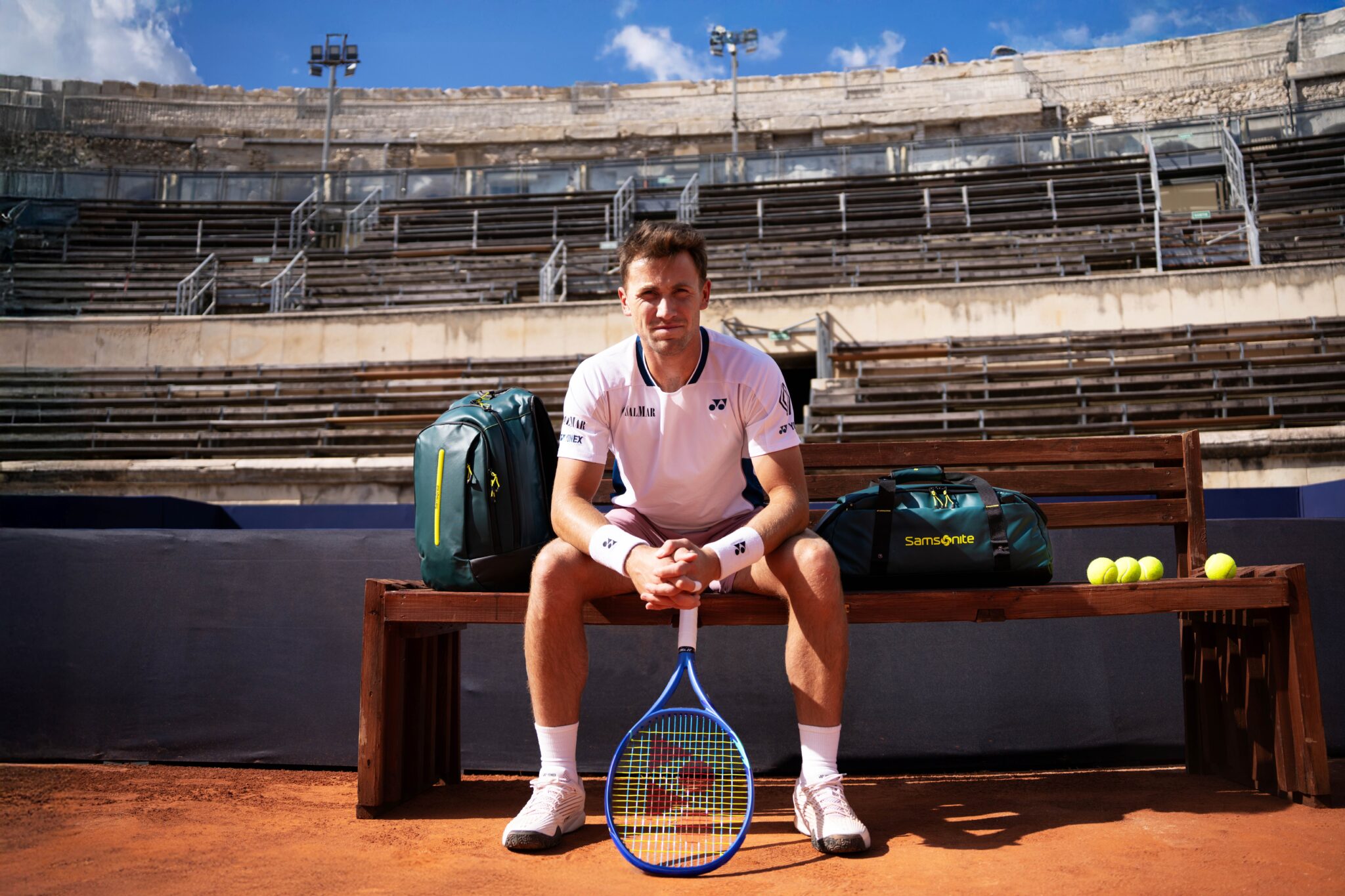
Casper Ruud has established himself as one of the most consistent and resilient forces in professional tennis. Representing Norway on the global stage, he is best known for his dominance on clay courts, exceptional baseline consistency...
Casper Ruud has established himself as one of the most consistent and resilient forces in professional tennis. Representing Norway on the global stage, he is best known for his dominance on clay courts, exceptional baseline consistency, and a professional work ethic that has propelled him to multiple Grand Slam finals and a career-high ranking among the world's elite players.
Contents
The Foundations of a Professional Career
Casper Ruud was born on December 22, 1998, in Oslo, Norway. His introduction to tennis was deeply rooted in the sport’s culture, given that his father, Christian Ruud, was a former professional tennis player who reached a career-high ranking of world No. 39. Growing up in a household where tennis was both a profession and a passion provided Casper with early access to professional-level coaching and the discipline required to succeed on the ATP (Association of Tennis Professionals) Tour.
Unlike many players who focus on an all-court style early in their development, Ruud’s training was heavily concentrated on the nuances of clay-court tennis. This focus paid dividends as he climbed the rankings. In 2020, he secured his first ATP title in Buenos Aires, a victory that signaled his arrival as a serious contender on the international circuit. By 2022, he had solidified his status as a top-ten player, reaching the final of the French Open, where he faced Rafael Nadal—the player often cited as his primary professional influence.
Technical Analysis of Ruud’s Playing Style
Ruud’s game is built upon a foundation of heavy topspin and remarkable physical endurance. While modern tennis has trended toward high-velocity serving and aggressive net play, Ruud operates primarily from the baseline, utilizing a "heavy ball" strategy that forces opponents into uncomfortable positions.
The Forehand: A Heavy Weapon
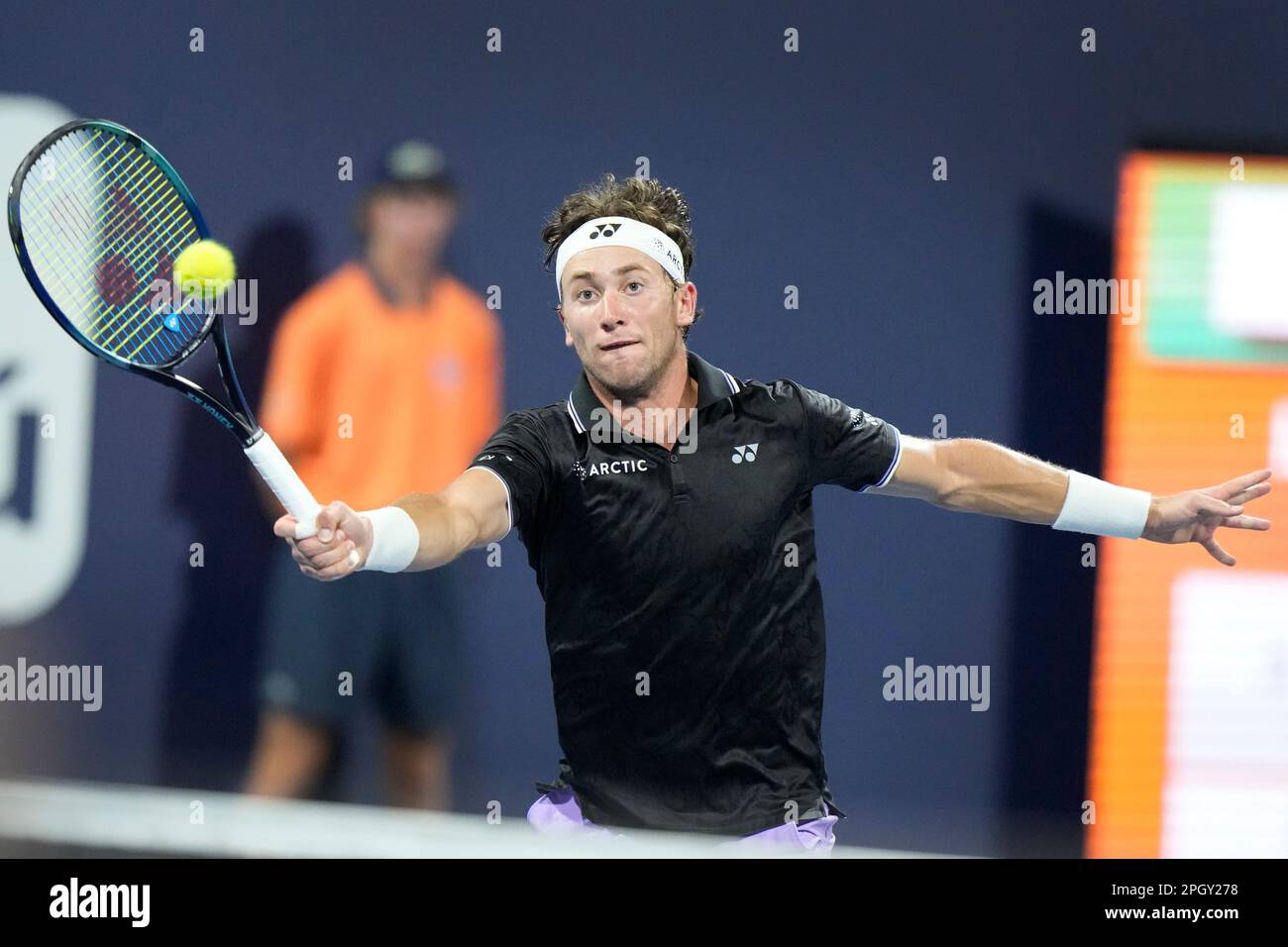
The cornerstone of Ruud’s game is his forehand. Utilizing a semi-western grip, he generates immense RPM (revolutions per minute) on his shots. This heavy topspin causes the ball to kick up high upon contact with the court surface, which is particularly effective on clay. This shot allows him to dictate points from the baseline without necessarily hitting winners early in the rally, choosing instead to wait for a short ball that he can put away with a flatter, more aggressive strike.
The Serve and Movement
While he is not a "serve-bot"—a term used to describe players whose game is entirely dependent on big serving—his serve is highly efficient. He focuses on placement and variety over pure speed. His movement, conversely, is elite. Because he thrives on long rallies, his cardiovascular conditioning and court coverage are among the best on the tour. He defends well by sliding into shots, a technique refined through years of practice on clay surfaces.
Comparative Performance by Surface
The following table highlights the nature of Ruud’s adaptability across the varying surfaces found on the ATP Tour.
| Surface Type | Characteristics | Ruud’s Tactical Approach |
|---|---|---|
| Clay | Slow, high bounce | Aggressive baseline grinding, heavy topspin. |
| Hard Court | Medium-fast, consistent | Increased flattening of shots, earlier aggression. |
| Grass | Fast, low bounce | Improved slice backhand and shortened points. |
Career Milestones and Grand Slam Impact
The progression of Casper Ruud’s career can be measured by his consistency in high-stakes tournaments. Reaching multiple Grand Slam finals—including the French Open (2022, 2023) and the US Open (2022)—placed him in a rare tier of Norwegian sporting history. Before Ruud, Norway had little representation in the upper echelons of men’s professional singles tennis.
His ability to maintain a high level of play throughout the lengthy ATP season is evidenced by his frequent qualification for the ATP Finals, an elite tournament reserved for the top eight players in the world. This consistency is not merely a product of talent but of a structured training regimen that prioritizes recovery and strategic match preparation.
Challenges and Tactical Adjustments
Despite his successes, Ruud faces ongoing challenges in diversifying his tactical arsenal to better compete on faster surfaces like grass. On grass courts, where the ball stays low and the bounce is minimal, his heavy topspin forehand is occasionally less effective than it is on red clay. To combat this, he has worked to incorporate more frequent net approaches and a more effective backhand slice to keep the ball out of his opponents' strike zones.
Furthermore, the physical toll of his high-intensity style requires meticulous management. As of 2026, Ruud continues to refine his schedule to ensure he peaks during the major championships, recognizing that the modern tennis calendar is grueling. He often emphasizes the importance of his support team, including his father, who remains an instrumental part of his coaching staff, ensuring a continuity of methodology that has served him well since his junior years.
Frequently Asked Questions
Is Casper Ruud currently ranked in the top ten?
As of 2026, Casper Ruud maintains a ranking that consistently places him within or near the world's top ten, reflecting his decade-long consistency on the ATP Tour. Rankings fluctuate weekly based on points earned at ATP tournaments; the official ATP website provides the most current real-time ranking data.
Why is Casper Ruud often called a "clay-court specialist"?
He is frequently labeled this way because his game relies on high-topspin forehands and endurance, which are optimized for the slower, higher-bouncing nature of clay surfaces. However, his performance at the US Open proves his effectiveness on hard courts as well.
How does Casper Ruud's training regimen differ from other players?
Ruud focuses heavily on physical conditioning and clay-court specific drills. By training extensively at the Rafa Nadal Academy, he has adopted a methodology that prioritizes high-volume repetition and intense cardiovascular work to outlast opponents in long, grueling rallies.
Does Casper Ruud have a signature shot?
His forehand is widely considered his signature shot. The extreme topspin he applies makes the ball difficult to attack, allowing him to dictate the pace of a match from the baseline even against much faster hitters.
What is the next major objective for his career?
Having already reached multiple Grand Slam finals, his primary objective remains winning a maiden Grand Slam title. His focus is on improving his tactical variety to ensure he can close out matches against other top-tier opponents in the final stages of major tournaments.
Next Steps for Tennis Enthusiasts
To follow Casper Ruud's professional journey, the most reliable source for updated match schedules, tournament results, and verified statistics is the official ATP Tour website. For those interested in his training techniques, look for interviews regarding his tenure at the Rafa Nadal Academy, where he frequently discusses the technical evolution of his game. For spectators, attending Masters 1000 events offers the best opportunity to observe his movement and shot-making nuances in person.
Image Gallery