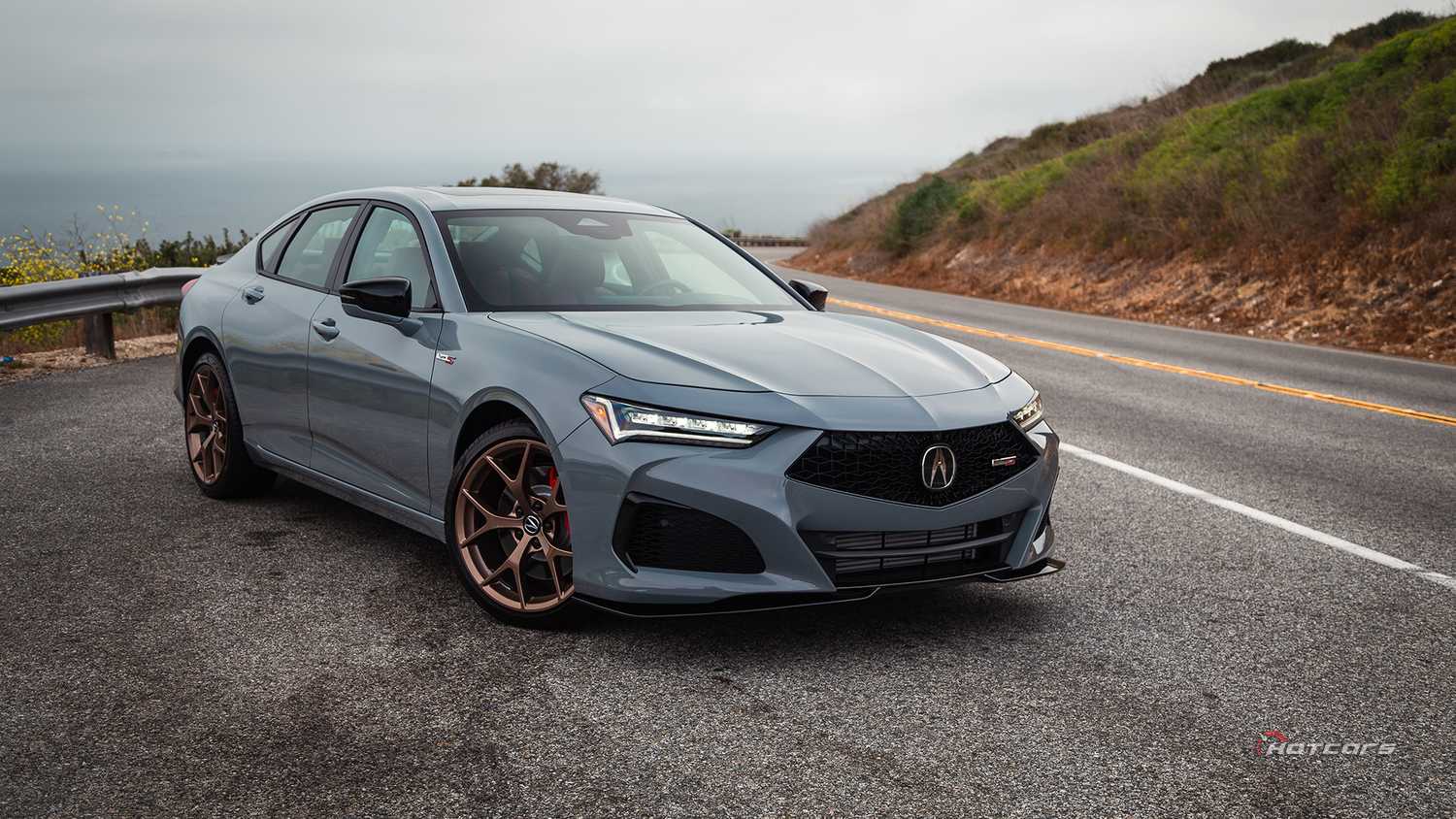
How the 2023 Acura TLX Accelerates to 60: Performance and Engineering Dynamics
The 2023 Acura TLX achieves a 0–60 mph sprint in approximately 5.9 seconds for the base 2.0L turbocharged model, while the high-performance Type S variant accomplishes the same feat in roughly 5.0 to 5.1 seconds. These times are heavil...
The 2023 Acura TLX achieves a 0–60 mph sprint in approximately 5.9 seconds for the base 2.0L turbocharged model, while the high-performance Type S variant accomplishes the same feat in roughly 5.0 to 5.1 seconds. These times are heavily dependent on traction, launch technique, and the specific drivetrain configuration, including Acura’s Super Handling All-Wheel Drive (SH-AWD) system.
Contents
Engineering the Acceleration: Powertrain Specifications
The acceleration capabilities of the 2023 Acura TLX are rooted in two distinct engine architectures designed for different segments of the luxury sedan market. Understanding these components is essential to grasping how the vehicle translates horsepower and torque into forward momentum.
The entry-level and mid-range trims are powered by a 2.0-liter turbocharged inline-four-cylinder engine. This power plant produces 272 horsepower and 280 lb-ft of torque. Because this engine features a relatively early torque peak—often accessible near 1,600 RPM—the vehicle provides responsive mid-range acceleration. In front-wheel-drive (FWD) configurations, the weight is lighter, but the acceleration is often tempered by the physical limits of front-wheel traction during a standing start.
The Type S model, which represents the pinnacle of 2023 TLX performance, utilizes a 3.0-liter turbocharged V6. This engine generates a robust 355 horsepower and 354 lb-ft of torque. The Type S is exclusively equipped with Acura's Super Handling All-Wheel Drive (SH-AWD), which is a critical factor in its ability to reach 60 mph efficiently. By distributing power to all four wheels, the Type S minimizes wheel spin and maximizes the mechanical grip required to launch the vehicle without excessive energy loss at the start.
The Role of Transmission and Drivetrain
The 2023 Acura TLX employs a 10-speed automatic transmission across all trims. This transmission is designed to keep the engine within its optimal power band throughout the acceleration cycle. With a greater number of gear ratios, the transmission can execute rapid, precise shifts that keep the turbochargers spooled, preventing the "lag" that often impacts acceleration times in smaller-displacement turbocharged vehicles.
The SH-AWD system is perhaps the most significant contributor to consistent acceleration in the Type S. Unlike traditional AWD systems that may only engage when slip is detected, SH-AWD is a torque-vectoring system. During hard acceleration, it can shift power not only between the front and rear axles but also between the left and right rear wheels. This active torque management ensures that the tires with the most grip receive the most power, allowing the driver to maintain a straight line with minimal electronic intervention from traction control systems.
Variables Affecting Real-World 0–60 Performance
While manufacturer specifications provide a benchmark, real-world acceleration is influenced by several environmental and physical factors. Drivers attempting to replicate these times should be aware of the following variables:
- Surface Conditions: The coefficient of friction on the road surface significantly impacts the launch. Wet pavement or debris-covered asphalt will trigger traction control, cutting engine power to prevent wheel spin and extending the 0–60 time.
- Ambient Temperature and Altitude: Engines perform differently based on air density. In high-altitude environments, the thinner air reduces the mass of oxygen available for combustion, which can lead to a noticeable drop in turbocharged engine performance. Conversely, extreme heat can cause "heat soak" in the intercooler, reducing the efficiency of the turbocharger's forced induction.
- Vehicle Load: The curb weight of the 2023 TLX varies by trim. The Type S, due to its larger engine, enhanced cooling hardware, and upgraded braking components, is heavier than the base 2.0L model. Extra weight from passengers or cargo further increases the inertia that the engine must overcome.
- Fuel Quality: Acura specifies premium unleaded gasoline (91 octane or higher) for the TLX. Using lower-octane fuel forces the Engine Control Unit (ECU) to retard ignition timing to prevent engine knock, which directly results in a measurable decrease in power output and slower acceleration.
Comparative Performance Metrics
To understand the 2023 Acura TLX's position in the sport-sedan market, it is helpful to compare the two primary powertrain configurations.
| Trim Level | Engine | Drive System | Estimated 0–60 mph |
|---|---|---|---|
| Base / Tech / A-Spec | 2.0L Turbo I4 | FWD | 5.9 - 6.1 Seconds |
| A-Spec (with SH-AWD) | 2.0L Turbo I4 | AWD | 5.8 - 6.0 Seconds |
| Type S | 3.0L Turbo V6 | SH-AWD | 5.0 - 5.1 Seconds |
Note: Times represent average independent testing results. Performance may vary based on launch technique and vehicle condition.
Launch Technique and Electronic Aids
Achieving the lowest possible 0–60 time in a 2023 TLX requires a balance between using the car's electronic aids and driver input. For the Type S, the car is equipped with "Sport+" mode. Engaging this mode modifies the throttle mapping, transmission shift points, and the damping rates of the adaptive suspension system.
The adaptive suspension helps during acceleration by minimizing "squat." By stiffening the dampers, the car transfers weight more effectively to the rear wheels during the initial launch, which provides the necessary grip for the rear-biased SH-AWD system to push the vehicle forward. Drivers should note that fully disabling traction control is rarely beneficial for 0–60 times on a street-legal vehicle; the electronic systems are calibrated to allow a controlled amount of slip, which is more efficient than the uncontrolled wheel spin that occurs when all safety systems are fully deactivated.
Common Misconceptions
A common error among drivers is the belief that higher horsepower figures automatically equate to significantly lower 0–60 times regardless of drivetrain. While the 2.0L TLX is capable, the front-wheel-drive versions often face "torque steer"—a condition where the high torque output pulls the steering wheel to one side under hard acceleration. This forces the driver to make minor steering corrections, which can impede a clean launch. The Type S, by contrast, eliminates this via its AWD system, highlighting that chassis engineering and power delivery systems are just as important as the engine's raw output.
Frequently Asked Questions
Does the 2023 Acura TLX have a launch control mode? The 2023 TLX does not feature a traditional programmable launch control button like some track-focused sports cars. However, the transmission and SH-AWD system are designed to manage torque delivery automatically to ensure a rapid, high-traction launch when the throttle is applied aggressively in Sport+ mode.
Does using 87-octane fuel slow down the 2023 TLX? Yes. While the vehicle may operate safely on lower-octane fuel due to knock sensors, the ECU will adjust engine timing, leading to a reduction in peak power. This will result in slower acceleration compared to running the vehicle on the manufacturer-recommended 91-octane fuel.
How does the SH-AWD system help with acceleration? The Super Handling All-Wheel Drive system allows for active torque vectoring. During acceleration, it can send up to 70% of available torque to the rear wheels, and further distribute that torque between the left and right rear wheels to maximize grip and corner-exit speed, significantly improving acceleration compared to FWD models.
Is there a difference in acceleration between the FWD and AWD 2.0L models? The AWD version of the 2.0L TLX is typically slightly quicker in real-world conditions. While it is heavier than the FWD model, the added traction at launch prevents the wheel spin that often hinders FWD vehicles when starting from a standstill.
What is the best way to maintain acceleration performance? Ensure the vehicle is serviced according to Acura's maintenance schedule. Regularly replacing the engine air filter, using high-quality synthetic oil, and maintaining proper tire pressure are crucial. Tires, in particular, play a massive role; ensure your tires have adequate tread depth, as performance-oriented tires lose their ability to provide the "bite" needed for a quick 0–60 launch as they wear down.
Next Steps for Optimal Performance
If you are looking to maximize your 2023 Acura TLX's performance, start by ensuring your vehicle is running on fresh, high-octane fuel and verify that your tires are inflated to the manufacturer’s recommended specifications. If you are experiencing acceleration that feels sluggish or inconsistent, schedule an inspection with a certified Acura technician to check for pending fault codes in the engine management system or issues with the transmission fluid health, which can affect shift speed and smoothness.
Image Gallery