How to Use a Scalp Massager and Applicator: The Complete Guide
Using a scalp massager and applicator effectively involves selecting a device suited to your hair texture, applying appropriate pressure in circular motions rather than harsh scrubbing, and maintaining proper hygiene to prevent buildup...
Using a scalp massager and applicator effectively involves selecting a device suited to your hair texture, applying appropriate pressure in circular motions rather than harsh scrubbing, and maintaining proper hygiene to prevent buildup. Whether your goal is to stimulate hair growth, distribute treatments evenly, or simply relieve tension, mastering the mechanics of these tools ensures maximum scalp health without causing hair breakage or follicle damage.
Contents
Scalp care has evolved from a simple spa luxury into a cornerstone of modern hair health routines. Among the most versatile tools available for this practice is the combination scalp massager and applicator—a dual-purpose device designed to mechanically stimulate the scalp while simultaneously dispensing serums, oils, or liquid treatments directly to the roots. Understanding how to integrate these tools into your regimen requires a clear grasp of their anatomy, correct application techniques, and the underlying physiological principles of scalp health.
Understanding Scalp Massagers and Applicators
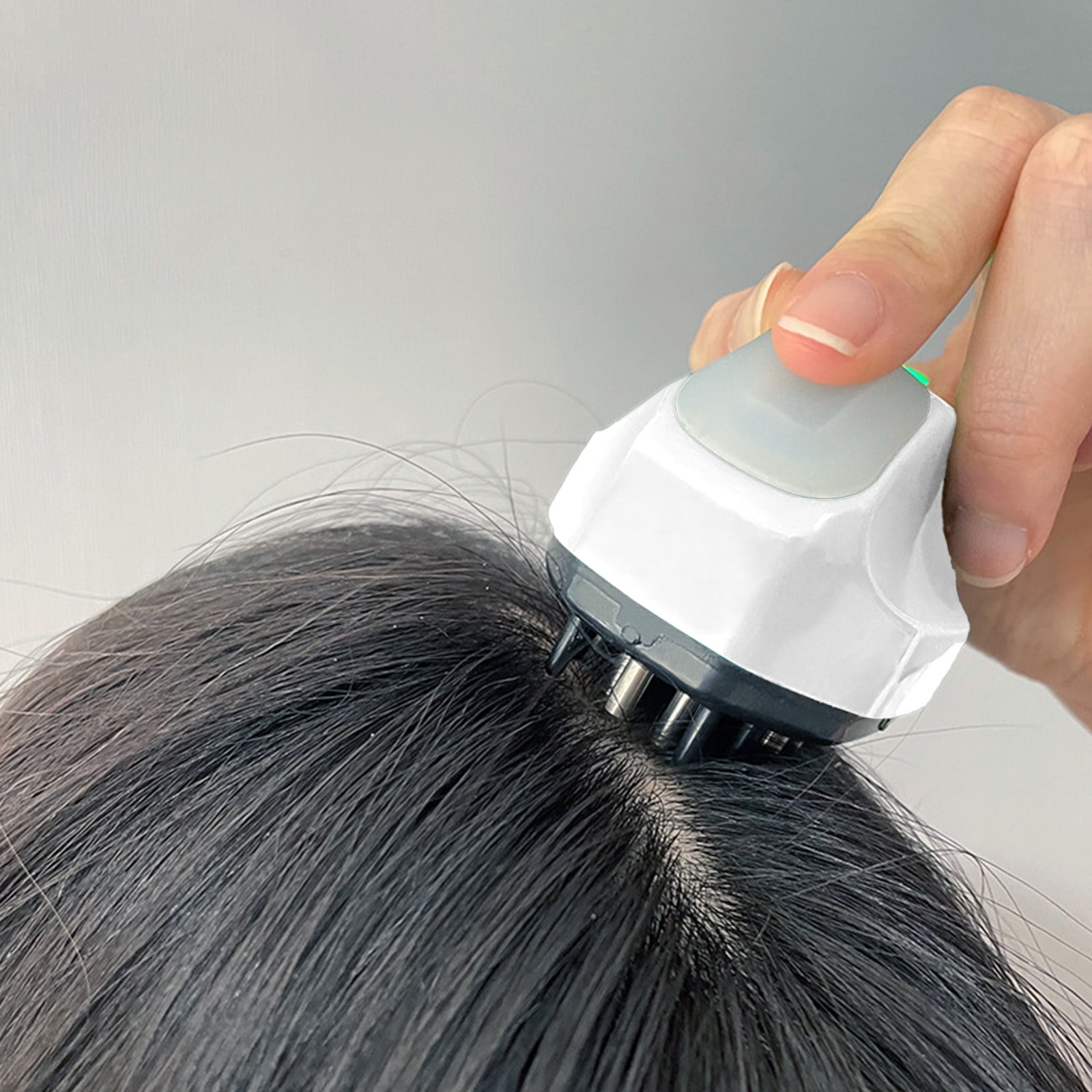
A scalp massager and applicator is an ergonomic handheld device equipped with flexible silicone, plastic, or metal prongs, often featuring an internal reservoir and dispensing nozzles. Unlike traditional shampoo brushes or manual fingertips, an applicator tool allows users to load liquid treatments—such as minoxidil, rosemary oil, scalp serums, or clarifying tonics—into a chamber. As the user moves the device across the scalp, gravity or a soft-squeeze mechanism feeds the liquid through tiny channels at the base of the teeth, ensuring the product reaches the skin rather than remaining trapped in the hair shafts.
The primary function of these tools is twofold: mechanical stimulation and targeted product delivery. Mechanical stimulation increases microcirculation in the dermis, bringing oxygen and essential nutrients to hair follicles. Meanwhile, the applicator mechanism prevents product waste. When applying liquid treatments with bare hands, much of the product clings to the hair strands or absorbs into the fingertips. An applicator channels the formula directly to the stratum corneum, optimizing the efficacy of active ingredients.
Types of Scalp Massagers and Applicators
Choosing the right tool depends on your hair type, scalp sensitivity, and the specific products you intend to use. The market features several distinct variations, each engineered for specific routines.
| Device Type | Best Suited For | Key Characteristic |
|---|---|---|
| Manual Silicone Brushes | Shampooing, dry massage, oils | Flexible teeth, no liquid chamber |
| Gravity-Feed Applicators | Low-viscosity serums, tonics | Internal reservoir, hole nozzles |
| Roller-Ball Applicators | Targeted spot treatments | Rolling metal or plastic beads |
| Electric/Vibrating Tools | Enhanced stimulation, relaxation | Battery-powered oscillation |
Manual Silicone Brushes with Reservoirs
These are the most common hybrid tools. They feature a waterproof silicone body with a removable cap or plug that reveals a liquid reservoir. As you press down on the top of the device, air pressure or a gentle squeeze forces the liquid down through the hollow channels of the soft silicone teeth. They work exceptionally well for washing hair with liquid shampoos or distributing lightweight oils.
Roller-Ball Applicators
Roller-ball devices use small, rotating spheres embedded in the application head. When rolled across the scalp, the ball rotates to release product from the internal chamber. These are ideal for high-precision treatments, such as applying targeted hair-loss solutions to a receding hairline or specific thinning patches, because they dispense minimal product per pass and prevent accidental flooding of the scalp.
Electric and Vibrating Applicators
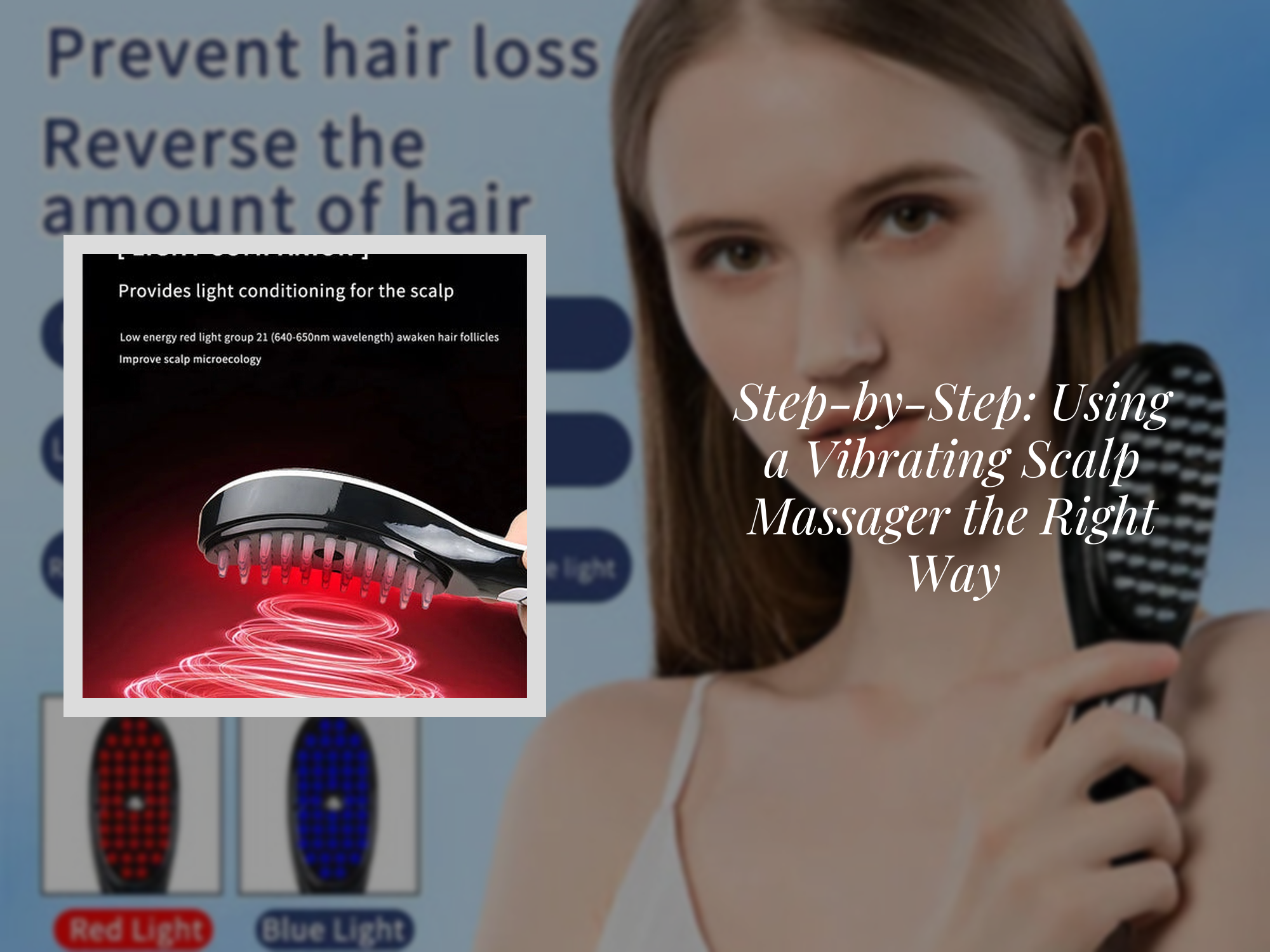
Advanced models incorporate sonic vibrations or micro-current technology. While they function similarly to manual applicators, the added vibration increases tactile stimulation, which many users find effective for relieving chronic scalp tension and stimulating superficial blood flow. However, these electronic units often require more rigorous cleaning and cannot be fully submerged in water unless explicitly rated waterproof by the manufacturer.
Preparing for Your Scalp Massage Routine
Before applying any tool to your scalp, proper preparation ensures both hygiene and maximum product absorption. Introducing a dirty tool or applying treatments to a heavily congested scalp can lead to product buildup, irritation, or folliculitis.
Assessing Your Scalp and Product Selection
Evaluate your scalp condition before every session. If your scalp is dry, flaky, or inflamed, select a soothing, hydrating oil or specialized serum. If you are dealing with excess sebum production or styling product buildup, a clarifying scalp tonic or pre-shampoo treatment is more appropriate. Ensure that any liquid you put into an applicator is low-viscosity; thick, viscous oils or heavy creams will clog the dispensing channels and render the applicator useless.
Cleaning and Sanitizing the Device
If your applicator has been stored in a cabinet or bathroom, sanitize it before loading product. Rinse the reservoir with warm water and mild soap, ensuring no residual soap remains inside the chambers. For a deeper clean, wipe down the teeth and interior with isopropyl alcohol and let it air dry completely. Starting with a sterile tool prevents the introduction of bacteria or fungal spores onto an open or sensitive scalp.
Step-by-Step Guide: How to Use the Tool Correctly
Executing a scalp massage and application session requires a gentle, methodical approach. Rushing through the process or applying excessive force can damage hair cuticles and irritate the skin.
Step 1: Fill the Reservoir
Open the fill cap of your applicator device. Measure your liquid treatment using a dropper or funnel to avoid spilling product onto the outer body of the tool. Fill the chamber to the recommended capacity—typically leaving a small air gap at the top to allow proper fluid dynamics—and secure the cap tightly.
Step 2: Section Your Hair
For optimal coverage, do not apply the tool blindly over a full head of hair. Use the tail of a comb or your fingers to part your hair into manageable sections, starting from the crown and working your way down to the nape of the neck and sides. Exposing the scalp directly allows the dispensing teeth to make direct contact with the skin.
Step 3: Apply Product and Massage
Place the applicator teeth gently against the parted section of your scalp. Tilt or gently squeeze the device (depending on its mechanical design) to release a small amount of product. Begin moving the tool in small, steady circles.
- Maintain proper motion: Move the device in circular motions or back-and-forth zigzag patterns. Never scrub aggressively in a harsh, abrasive manner.
- Control pressure: Apply only light-to-moderate pressure. The weight of your hand combined with the flexibility of the silicone or plastic teeth is usually sufficient to stimulate blood flow.
- Work systematically: Cover the entire scalp by moving from the hairline backward to the crown, ensuring every section receives equal attention. A typical session should last between 3 to 5 minutes.
Step 4: Post-Massage Absorption
Once you have covered your entire head, you can perform a brief manual massage with your fingertips to help the skin absorb any pools of liquid left on the surface. Allow the treatment to sit for the duration recommended by the product manufacturer—ranging from 10 minutes for pre-shampoo treatments to overnight for specific leave-in serums.
Common Mistakes to Avoid
Even with the best intentions, improper technique can undermine the benefits of scalp massage and application. Avoiding these frequent errors protects your hair and scalp health.
- Using thick, viscous oils in narrow dispensers: Heavy carrier oils like pure castor oil or thick cosmetic blends will clog the tiny internal valves of an applicator. Reserve thick oils for manual hand application and use lightweight serums or watery tonics in dispensers.
- Applying excessive friction: Vigorous scrubbing tangles the hair around the base of the massager, leading to mechanical breakage, traction alopecia, and skin abrasions. Let the tool glide smoothly.
- Neglecting post-use cleaning: Leaving leftover oils or organic serums inside a dark, enclosed reservoir creates an ideal breeding ground for mold and bacteria. Always empty, rinse, and dry the device immediately after use.
- Overusing the tool: Massaging the scalp too frequently or too aggressively can overstimulate the sebaceous glands, resulting in increased oil production rather than relief. Limit intensive massage sessions to 2 to 3 times per week unless directed otherwise by a dermatologist.
Maintenance, Hygiene, and Troubleshooting
To ensure your scalp massager and applicator remains safe and functional over its lifespan, routine maintenance is mandatory.
After every use, disassemble removable parts if your model allows. Run warm water through the reservoir and out the dispensing tips to flush away any residual product. If you notice a blockage in the dispensing nozzles, use a fine, sterilized pin or a soft-bristled toothbrush to clear dried product from the openings. Never store the device with liquid sitting in the chamber.
If the device begins to leak from the cap seal during use, check the silicone O-ring or rubber gasket inside the lid. Over time, these seals can warp or slip out of alignment. Resetting the gasket or ensuring the cap is not cross-threaded will resolve most leakage issues. For silicone brushes that show signs of stiffness, discoloration, or permanent product staining, replacing the unit every 6 to 12 months is standard practice for optimal hygiene.
Frequently Asked Questions
Can I use a scalp massager and applicator on wet hair?
Yes, manual silicone massagers are excellent for use in the shower while shampooing. However, if your device has an internal liquid applicator, check the manufacturer's guidelines. Many liquid applicators are designed for dry or damp scalps to administer leave-in treatments, and using them submerged in a shower can dilute your serums or compromise the internal air pressure needed for dispensing.
How often should I use a scalp massager?
For general relaxation and blood circulation, using a massager 2 to 3 times per week is sufficient. If you are using an applicator for a targeted treatment like minoxidil or a growth serum, follow the specific frequency instructions outlined by your product's manufacturer, which may range from daily application to a few times weekly.
Will a scalp massager cause my hair to tangle?
It can cause tangling if you move the tool in a chaotic scrubbing motion. To prevent tangles, always start parting your hair into sections, place the device directly onto the scalp, and use controlled, small circular motions rather than large, sweeping strokes across loose hair.
Can scalp massage help with hair growth?
While a massager cannot alter your genetic predispositions, clinical observations and small-scale studies suggest that mechanical scalp massage increases blood flow to the dermal papilla cells. Improved microcirculation delivers vital nutrients and oxygen to hair follicles, supporting an optimal environment for healthy hair growth.
What kind of liquids work best in an applicator?
Water-based tonics, lightweight botanical oils, liquid prescription solutions, and low-viscosity serums work best. Avoid thick creams, gels with heavy polymers, or unrefined heavy oils, as these will clog the precision nozzles and prevent even distribution.
Next Actions and Best Practices
To integrate this tool successfully into your routine, start slowly by using it once or twice a week with a lightweight serum or your regular shampoo. Monitor how your scalp responds over a two-week period, paying attention to any signs of irritation or increased sensitivity. Clean and dry your device meticulously after every session, and store it in a dry, ventilated area. For persistent scalp conditions, chronic hair loss, or severe flaking, consult a board-certified dermatologist before beginning any new mechanical treatment regimen.
Image Gallery