Manoj Kumar: The Legacy of Bharat Kumar in Bollywood Cinema
Manoj Kumar is an iconic Indian actor, director, and producer who redefined the patriotic genre in Hindi cinema. Known colloquially as "Bharat Kumar," his career spanned several decades, during which he created films that blended natio...
Manoj Kumar is an iconic Indian actor, director, and producer who redefined the patriotic genre in Hindi cinema. Known colloquially as "Bharat Kumar," his career spanned several decades, during which he created films that blended nationalistic fervor with social commentary, earning him the Dadasaheb Phalke Award and the Padma Shri for his contributions.
Contents
The Early Life of Harikishan Giri Goswami
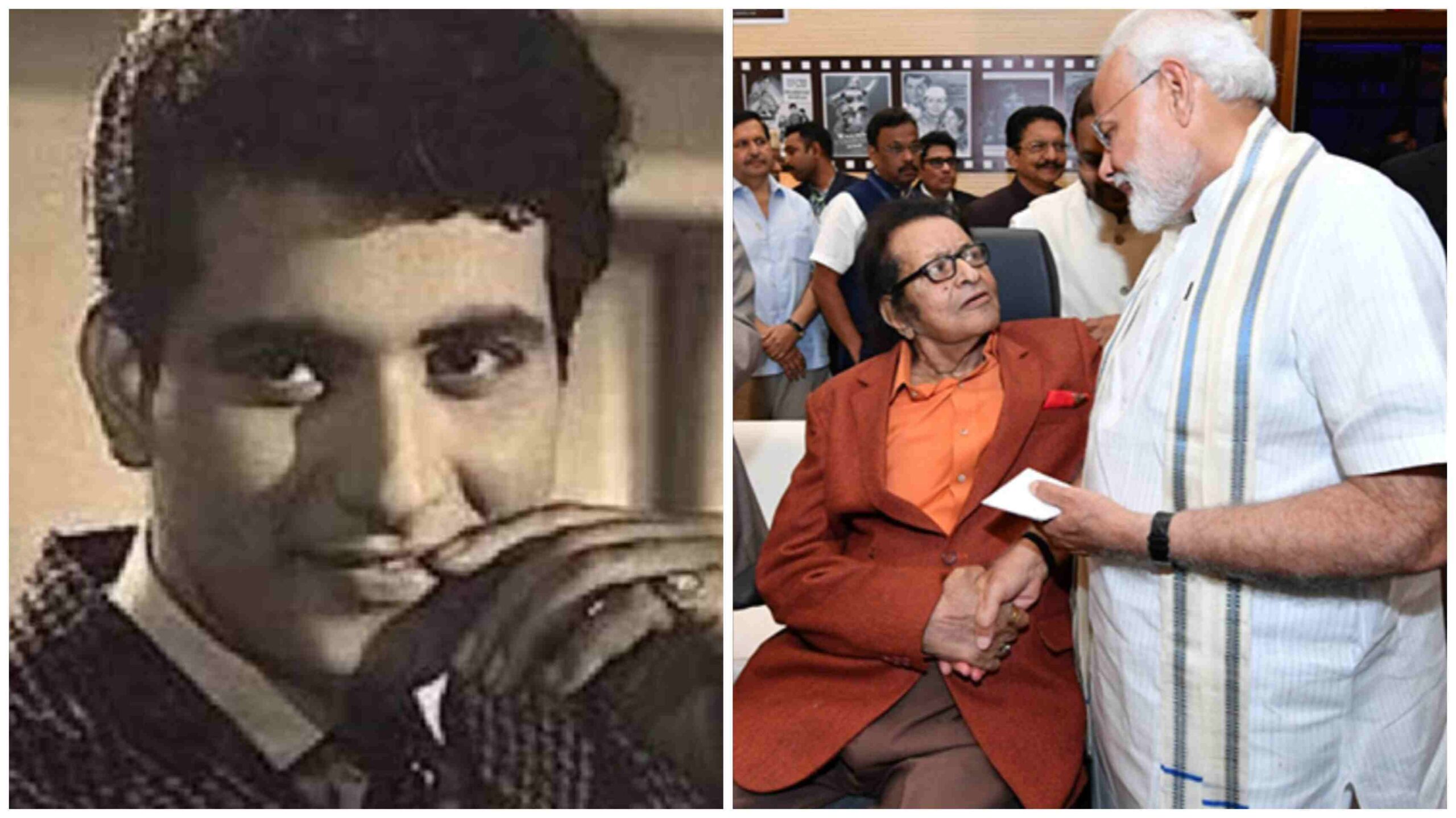
Before he was known to the world as Manoj Kumar, he was Harikishan Giri Goswami, born on July 24, 1937, in Abbottabad, a town then part of undivided India (now in Pakistan). The seismic shift of the 1947 Partition forced his family to migrate to Delhi as refugees. This period of displacement and the subsequent struggle for stability in a newly independent nation deeply influenced his psyche and his later cinematic themes.
Growing up in Delhi, he was a frequent visitor to the cinema, eventually becoming a massive fan of the legendary Dilip Kumar. It was this admiration that led him to adopt the screen name "Manoj Kumar," inspired by Dilip Kumar's character name in the 1949 film Shabnam. After graduating from Hindu College, University of Delhi, he decided to venture into the burgeoning film industry in Bombay (now Mumbai), seeking a career in acting.
His initial years in the industry were characterized by the typical struggles of an outsider. He made his debut with a small role in the 1957 film Fashion, but it took several years of minor roles and persistence before he found his footing. Unlike many of his contemporaries who focused solely on romantic leads, Kumar showed an early interest in the technical aspects of filmmaking, often involving himself in the scriptwriting and editing processes of his projects.
Rise to Stardom and the Transition to "Bharat"
The early 1960s marked the transition of Manoj Kumar from a struggling actor to a leading man. Films like Hariyali Aur Rasta (1962), Woh Kaun Thi? (1964), and Himalay Ki God Mein (1965) established him as a versatile performer capable of handling romance, mystery, and drama. However, it was the 1965 film Shaheed, based on the life of Bhagat Singh, that pivoted his career toward the patriotic identity that would define him.
The true catalyst for his "Bharat" persona was Prime Minister Lal Bahadur Shastri. After the Indo-Pakistani War of 1965, Shastri urged Kumar to create a film based on the popular slogan "Jai Jawan Jai Kisan" (Hail the Soldier, Hail the Farmer). The result was Upkar (1967), which marked Kumar’s directorial debut. In this film, he played a character named Bharat, a name that became synonymous with his screen presence for the next two decades.
Upkar was a massive critical and commercial success, winning several National Film Awards and Filmfare Awards. It set a template for his future work: a protagonist named Bharat who embodies traditional Indian values, standing firm against the perceived moral decay of Westernization or internal corruption. This thematic consistency created a unique niche in Bollywood, making him a household name representing the "conscience" of the nation.
Directorial Vision and Vishal International
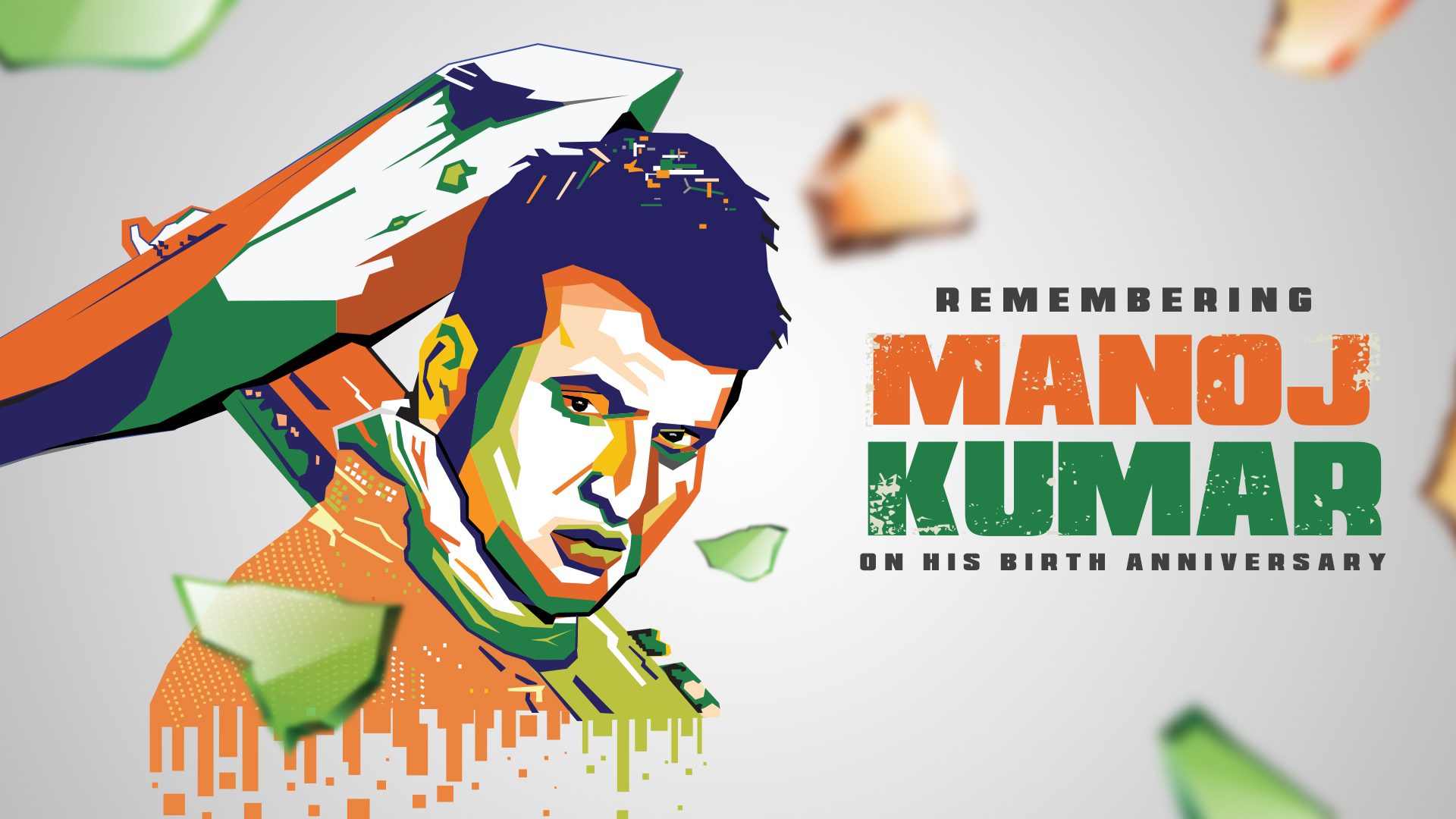
Manoj Kumar was not content with merely acting; he sought total creative control over his narratives. To achieve this, he established his production house, Vishal International. As a filmmaker, he was known for a specific visual grammar that included long takes, tight close-ups to capture internal emotion, and a unique way of framing his face—often partially obscured by his hand—to signify deep thought or modesty.
His directorial ventures were grand spectacles that often tackled significant socio-political issues. For instance:
- Purab Aur Pachhim (1970): This film explored the cultural clash between the East and the West. It juxtaposed traditional Indian ethics with the burgeoning "hippy" culture and Western materialism, arguing for the preservation of Indian heritage.
- Roti Kapada Aur Makaan (1974): Addressing the basic needs of the common man (food, clothing, and shelter), this film dealt with the harsh realities of unemployment and poverty in post-independence India. It featured an ensemble cast but remained centered on Bharat’s struggle to maintain integrity in a corrupt world.
- Kranti (1981): A high-budget historical drama set during the Indian independence movement of the 19th century. Kranti was one of the biggest hits of its decade, showcasing Kumar’s ability to manage large-scale productions with multiple superstars like Dilip Kumar, Shashi Kapoor, and Hema Malini.
Kumar’s technical depth as a producer was evident in his meticulous attention to music. He believed that songs were not just interludes but essential narrative tools. His collaboration with music directors like Kalyanji-Anandji and Laxmikant-Pyarelal, and singers like Mahendra Kapoor (who became his "voice"), resulted in some of the most enduring patriotic anthems in Indian history.
Analyzing the "Manoj Kumar Style"
To understand Manoj Kumar's impact, one must look beyond the plots of his films and analyze his stylistic choices. He was an "actor’s director," focusing heavily on the emotional resonance of a scene. His signature "hand-on-face" pose was more than just a quirk; it became a symbol of the introspective, burdened, yet hopeful Indian citizen.
| Aspect | Description | Key Examples |
|---|---|---|
| Primary Theme | Nationalism and traditional values | Upkar, Purab Aur Pachhim |
| Character Name | Usually "Bharat" | Roti Kapada Aur Makaan, Kranti |
| Visual Style | Tight close-ups, creative lighting, and reflective pauses | Woh Kaun Thi?, Upkar |
| Social Focus | Rural development, anti-corruption, and cultural identity | Shor, Roti Kapada Aur Makaan |
| Music Strategy | High-energy patriotic songs and soulful melodies | "Mere Desh Ki Dharti," "Dulhan Chali" |
His films also frequently utilized symbolism. In Upkar, the divide between the two brothers (one a farmer, one an urban-educated youth) symbolized the tension between India's agrarian roots and its industrializing future. In Shor (1972), which he also wrote and directed, he explored the sound and chaos of urban life and the personal tragedy of a father trying to restore his son's voice, showcasing a more intimate, experimental side of his filmmaking.
Recognition and Later Years
By the late 1980s, the landscape of Indian cinema was shifting toward action-masala films and the "angry young man" trope dominated by Amitabh Bachchan (whom Kumar actually helped rise to fame by casting him in Roti Kapada Aur Makaan). Manoj Kumar’s later films, such as Clerk (1989) and Jai Hind (1999), did not find the same resonance with younger audiences, as the specific brand of melodrama he championed began to feel dated.
However, his legacy remained untarnished. The Indian government and various film bodies recognized his lifelong commitment to the medium. In 1992, he was honored with the Padma Shri, India's fourth-highest civilian award. In 2015, he received the Dadasaheb Phalke Award, the highest honor in Indian cinema, recognizing his stellar contribution to the growth and development of the industry.
In 2026, Manoj Kumar is regarded as a venerable elder statesman of Bollywood. His films are studied for their unique blend of propaganda and art, and he remains a primary reference point whenever the topic of "patriotic cinema" is discussed. Modern filmmakers often cite his ability to galvanize the masses through screenwriting as a benchmark for social-impact cinema.
FAQs About Manoj Kumar
Why is Manoj Kumar called "Bharat Kumar"?
The nickname "Bharat Kumar" originated because Manoj Kumar played a character named "Bharat" in several of his most successful patriotic films, including Upkar, Purab Aur Pachhim, and Roti Kapada Aur Makaan. The name became a brand representing his commitment to nationalistic themes and traditional Indian values on screen.
What are Manoj Kumar's most significant awards?
Manoj Kumar has received several of India’s highest honors. Most notably, he was awarded the Dadasaheb Phalke Award in 2015 for his lifetime contribution to cinema. He also received the Padma Shri in 1992. Throughout his career, he won multiple Filmfare Awards for Best Director, Best Actor, and Best Movie, particularly for Upkar and Be-Imaan.
Did Manoj Kumar direct all his films?
No, he did not direct all of them, but he was a prolific director for his most famous works. He began his directorial journey with Upkar in 1967 and went on to direct hits like Shor, Roti Kapada Aur Makaan, Purab Aur Pachhim, and Kranti. In many other films where he was only an actor, such as Woh Kaun Thi? or Gumnaam, he still reportedly provided significant input on the script and editing.
How did Manoj Kumar influence modern Bollywood?
Manoj Kumar pioneered the "socially conscious blockbuster." He showed that films about nation-building and ethics could be commercially successful. His influence can be seen in the works of later filmmakers who use cinema to address national identity and social reform. Additionally, he was known for spotting talent, giving early career boosts to actors like Amitabh Bachchan and Shatrughan Sinha.
Practical Legacy: How to Engage with His Work Today
For those looking to explore the filmography of Manoj Kumar in 2026, the best approach is to start with his "Patriotic Trilogy": Upkar, Purab Aur Pachhim, and Kranti. These films provide a comprehensive look at his directorial style and his thematic obsession with the Indian identity. Most of these titles have been digitally restored and are available on major streaming platforms specializing in classic Indian cinema.
Beyond the patriotism, his work in the suspense genre—particularly Woh Kaun Thi?—is highly recommended for its cinematography and haunting musical score. As a producer, his work under Vishal International remains a study in how to balance commercial requirements with a distinct artistic and social voice.
Image Gallery