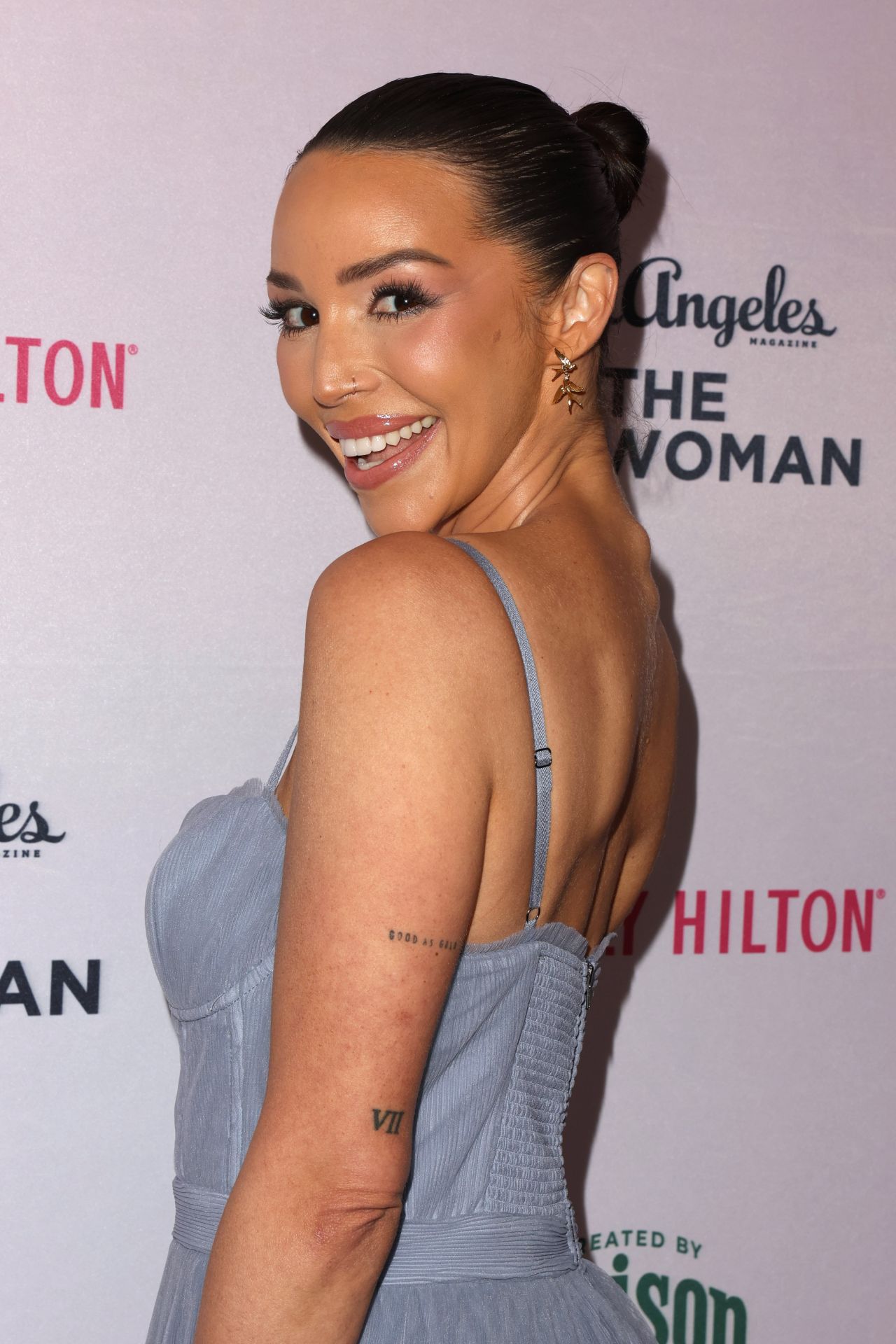
Understanding the Trend of Scheana Shay in Blue Contacts: A Guide to Cosmetic Lens Use
Scheana Shay, a prominent figure in reality television and pop culture, has frequently sparked audience interest through her evolving aesthetic choices, including the use of blue-tinted contact lenses. While these appearances are often...
Scheana Shay, a prominent figure in reality television and pop culture, has frequently sparked audience interest through her evolving aesthetic choices, including the use of blue-tinted contact lenses. While these appearances are often driven by fashion or character transformations for media projects, they have prompted viewers to seek information on how to safely achieve similar eye-color changes through cosmetic contact lenses.
Contents
The Appeal of Cosmetic Contact Lenses
Cosmetic contact lenses, often referred to as "color contacts" or "fashion lenses," are designed to alter the appearance of the iris. Unlike corrective lenses used for vision impairment, these lenses can be non-prescription (plano). For celebrities like Scheana Shay, wearing blue contacts is a technique used to enhance specific costume concepts, complement red-carpet looks, or provide a dramatic flair for on-screen persona shifts.
The fascination with this look stems from the desire to experiment with personal identity and style. Changing one’s eye color can drastically alter the balance of a face, making it a powerful tool for those interested in theatrical makeup or high-fashion photography. However, the move from celebrity inspiration to personal application requires a baseline understanding of optical health and safety protocols.
Distinguishing Between Cosmetic and Medical Lenses
It is a common misconception that because cosmetic lenses are worn for style, they are merely accessories rather than medical devices. In many jurisdictions, including the United States, all contact lenses—regardless of whether they provide vision correction—are classified as medical devices. This classification exists because the eyes are exceptionally sensitive organs, and improper use of contact lenses can lead to severe infections, corneal abrasions, and permanent vision loss.
When you observe someone like Scheana Shay wearing blue contacts, it is important to understand that there is a significant difference between professional, high-end lenses used for entertainment and low-cost, novelty lenses often found in costume shops or unregulated online marketplaces.
Safety Requirements for Cosmetic Lenses
Before purchasing or wearing blue contact lenses, you must follow strict health guidelines to ensure your eyes remain safe.
- Professional Eye Exam: Even if you have perfect 20/20 vision and do not require a prescription, you should visit an optometrist. A doctor must measure the curvature of your eye to ensure the lens fits properly. A lens that is too tight or too loose can cause physical damage to the cornea.
- Valid Prescription: In many regions, federal law requires a valid prescription for all contact lenses. This is not just a regulatory hurdle; it is a safety mandate. The prescription confirms that your eyes are healthy enough to wear lenses and that the size is appropriate for your ocular anatomy.
- Approved Vendors: Only purchase lenses from reputable, licensed optical retailers. Avoid purchasing lenses from beauty supply stores, gas stations, or websites that do not request a prescription. Such vendors often sell sub-standard lenses that lack oxygen permeability and proper color-layering safety.
- Hygiene Standards: Treat cosmetic lenses with the same care as medical lenses. This includes washing your hands thoroughly before insertion, using only sterile saline or multipurpose solution to clean them, and never sharing your lenses with others.
Comparison of Lens Types for Aesthetic Purposes
Choosing the right type of lens depends on your natural eye color and the intensity of the blue you wish to achieve.
| Lens Type | Features | Suitability |
|---|---|---|
| Enhancement Tints | Translucent blue tint; amplifies natural eye color. | Best for those with light-colored eyes who want a subtle change. |
| Opaque Tints | Solid, non-transparent color layers; completely masks natural color. | Necessary for individuals with dark eyes seeking a vibrant blue look. |
| Scleral Lenses | Large diameter lenses covering the white of the eye. | Used for theatrical or extreme effects; requires professional fitting. |
| Monthly Disposables | Designed for repeated wear over 30 days. | Cost-effective for frequent style changes but requires rigorous cleaning. |
Risks and Troubleshooting Common Issues
Despite the popularity of "the blue eye look," users often encounter issues when they fail to follow professional guidance. The most common risk is hypoxia, where the cornea is starved of oxygen due to a poorly fitted or low-quality lens.
- Redness and Irritation: If you experience sustained redness after removing the lenses, do not wear them again. This is often a sign of a scratch on the cornea.
- Burning Sensations: This often indicates that the lens cleaning solution contains ingredients that your eyes are sensitive to, or that the lens has trapped a foreign particle.
- Blurred Vision: If your vision becomes cloudy while wearing the lenses, remove them immediately. This may indicate a buildup of protein or lipids on the lens surface that requires professional cleaning or replacement.
If you suspect you have an eye infection, such as keratitis, seek medical attention immediately. Do not attempt to treat the issue with over-the-counter eye drops, as these can mask the symptoms of a more serious bacterial or fungal infection.
Achieving the "Celebrity Look" Responsibly
If your goal is to emulate a look like that of Scheana Shay in blue contacts, you should approach it as a beauty project that requires professional planning.
Start by scheduling an appointment with an eye care professional. During this visit, mention your interest in cosmetic contact lenses. A professional will be able to recommend brands that offer safe, breathable, and aesthetically pleasing blue tones that suit your specific complexion and eye shape. They can also provide a trial pair, which allows you to ensure the lenses are comfortable for extended wear before you commit to a full purchase.
Furthermore, consider the environment in which you intend to wear the lenses. If you are wearing them for a photoshoot, ensure the lighting is appropriate. High-intensity studio lights can dry out the eyes quickly, making it essential to have re-wetting drops on hand that are specifically approved for contact lens use. Never use generic "redness relief" drops while lenses are in your eyes, as these can interact poorly with the lens material.
Frequently Asked Questions
Can I wear non-prescription blue contacts if I have 20/20 vision? Yes, but you still need a prescription. In the United States and many other countries, you must receive a professional fitting and a valid prescription from an optometrist to ensure the size and material of the lens are safe for your eyes, even if you do not need vision correction.
Why do some blue contacts look fake? Lenses can look unnatural if the "pupil hole" is too large or if the color pattern lacks the depth of a natural iris. High-quality cosmetic lenses use a dot-matrix pattern that mimics the natural flecks and variations found in a real iris, providing a much more realistic look than flat, solid-colored lenses.
How long can I wear cosmetic contacts in one day? Even if you are only wearing them for a social event or a photo session, you should not exceed the "wearing schedule" prescribed by your eye doctor. Typically, this is 8–10 hours. Sleeping in any contact lenses, including cosmetic ones, is highly discouraged as it significantly increases the risk of corneal ulcers.
Are there blue contacts for people with astigmatism? Yes, but they are more complex to fit. If you have astigmatism, you require "toric" contact lenses. It is vital to consult your eye doctor, as standard cosmetic lenses will not provide the necessary correction, and the imbalance may cause dizziness or strain.
What is the cost of safe, professional cosmetic lenses? Costs vary based on brand and whether you need custom-made lenses or standard disposables. Expect to pay for both the professional fitting fee and the cost of the lenses themselves. While the initial investment is higher than purchasing novelty lenses online, it is the only way to ensure the long-term health of your vision.
Final Recommendation
The allure of transforming your appearance with blue contact lenses is understandable, but your ocular health should never be sacrificed for a fashion choice. Your next step should be to book an appointment with a local optometrist. By securing a professional fitting and obtaining a valid prescription, you can safely explore the aesthetic variety that colored contact lenses offer while ensuring your vision remains protected. Avoid all "off-the-shelf" lenses from non-optical retailers to prevent serious complications.
Image Gallery