Prince William and the Princess of Wales: Royal Roles and Responsibilities in 2026
As the Prince and Princess of Wales, Prince William and Catherine occupy the most senior positions in the British Royal Family beneath the Monarch. Their primary responsibilities involve supporting King Charles III through domestic and...
As the Prince and Princess of Wales, Prince William and Catherine occupy the most senior positions in the British Royal Family beneath the Monarch. Their primary responsibilities involve supporting King Charles III through domestic and international engagements, managing the vast Duchy of Cornwall estate, and leading large-scale charitable initiatives focused on environmental sustainability, mental health, and early childhood development.
Contents
As we move through 2026, the roles of Prince William and the Princess of Wales have solidified into a distinct blend of traditional constitutional support and modern, issue-led advocacy. Their work is no longer defined merely by "ribbon-cutting" ceremonies but by a strategic efforts to create measurable social impact. This evolution reflects the transition of the monarchy into a leaner, more focused institution that justifies its relevance through public service and global leadership on contemporary crises.
The Constitutional and Formal Hierarchy
Prince William holds the title of Prince of Wales, a role traditionally granted to the heir apparent to the British throne. This position carries significant constitutional weight. While the Prince does not have a formal political role—maintaining the monarchy’s essential neutrality—he serves as a key deputy for the King. In 2026, this involves presiding over investitures at Buckingham Palace or Windsor Castle, where he confers honors such as knighthoods and MBEs on behalf of the Sovereign.
The Princess of Wales, while not a constitutional office-holder in her own right, derives her status from her marriage to the heir. Her role is defined as a Queen Consort-in-waiting. Her responsibilities are focused on supporting the Prince in his duties and developing a complementary portfolio of work that reflects the interests of the Crown. Together, they represent the future of the institution, acting as the primary face of the monarchy for younger generations and international audiences.
The Prince’s Role in the Privy Council and State Affairs
As the heir apparent, Prince William is a member of the Privy Council, the formal body of advisors to the Sovereign. His attendance at Council meetings and State Openings of Parliament provides him with the necessary exposure to the mechanics of government and constitutional law. In the event that the King is abroad or indisposed, Prince William is one of the designated "Counsellors of State," authorized to perform most of the Monarch’s official functions, such as signing routine documents and receiving new ambassadors.
Management of the Duchy of Cornwall
One of the most substantial shifts in Prince William’s responsibilities since his father’s accession is his management of the Duchy of Cornwall. This private estate, established in 1337 by Edward III, provides an income to the heir apparent to fund his public, charitable, and private activities.
In 2026, the Duchy is not merely a financial engine but a platform for the Prince’s views on "socially responsible" land management. The estate comprises over 130,000 acres across 20 counties in England and Wales, including agricultural, residential, and commercial properties.
- Financial Stewardship: The Prince is responsible for the sustainable financial growth of the estate, which is valued at over £1 billion. The revenue covers the official costs of the Prince and Princess of Wales and their staff.
- Environmental Leadership: William has integrated his environmental passions into the Duchy’s operations, focusing on regenerative farming, reforestation, and the transition of the estate’s housing stock to net-zero carbon emissions.
- Social Housing Initiatives: Through the Duchy, William has spearheaded projects aimed at tackling homelessness—specifically his "Homewards" program—by utilizing Duchy land to develop innovative housing solutions and support services.
The Princess of Wales and the "Early Years" Legacy
Catherine, the Princess of Wales, has carved out a specialized niche that is widely regarded as her "life’s work": the focus on early childhood development. By 2026, the Royal Foundation Centre for Early Childhood, which she launched in 2021, has become a central node for research and collaboration between academia, policy-makers, and the private sector.
Her responsibility in this area is to elevate the national conversation regarding the first five years of a child’s life. She argues that the roots of many adult challenges—from addiction and mental health issues to homelessness—can be traced back to the early years. Her "Shaping Us" campaign continues to be a primary vehicle for public awareness, focusing on the social and emotional foundations that allow children to thrive.
Strategic Pillars of the Princess’s Work:
- Scientific Research: Partnering with international universities to track developmental outcomes.
- Mental Health Advocacy: Continuing her long-term support for "Heads Together," focusing on the psychological resilience of parents and caregivers.
- The Arts and Sport: Using her patronages (such as the National Portrait Gallery and the Rugby Football Union) to promote community cohesion and physical wellbeing.
The Earthshot Prize and Global Diplomacy
For Prince William, the Earthshot Prize remains his most significant global responsibility. Launched as a decade-long project to find solutions to the world’s greatest environmental problems, the prize is now in its sixth year in 2026. The Prince spends a considerable portion of his year reviewing finalists, engaging with global leaders at summits like COP, and ensuring that the winners receive the scaling investment they need.
In terms of diplomacy, the Prince and Princess serve as the UK’s most effective "soft power" assets. Working closely with the Foreign, Commonwealth & Development Office (FCDO), they undertake official Royal Tours to Commonwealth nations and key allies. These visits are strategically designed to strengthen bilateral relations, promote British industry, and address the historical complexities of the monarchy's relationship with former colonies.
Comparison of Key Royal Responsibilities
| Responsibility Area | Prince William (Prince of Wales) | Catherine (Princess of Wales) |
|---|---|---|
| Constitutional | Heir Apparent, Counsellor of State, Privy Councillor. | Queen Consort-in-waiting; supporting role to the Monarch. |
| Financial/Estate | Management and revenue of the Duchy of Cornwall. | Supported by Duchy revenue; independent patronage management. |
| Primary Initiative | The Earthshot Prize (Environmental Innovation). | Centre for Early Childhood (Early Years Development). |
| Social Advocacy | "Homewards" (Ending Homelessness), Mental Health. | "Shaping Us" (Childhood Development), Arts & Wellbeing. |
| Military Roles | Colonel-in-Chief of various regiments; RAF connections. | Honorary military appointments (e.g., Commodore-in-Chief of the Fleet Air Arm). |
| Diplomatic Focus | Commonwealth leadership and high-level statecraft. | Cultural diplomacy and soft power engagement. |
Military Appointments and Ceremonial Duties
The Prince and Princess of Wales hold numerous honorary military appointments across the Royal Navy, British Army, and Royal Air Force. These are not merely ceremonial; they involve regular visits to barracks, attending regimental dinners, and acting as a bridge between the Armed Forces and the Crown.
William, a former search-and-rescue pilot, maintains a deep connection with the RAF. His roles include Colonel of the Welsh Guards, which places him at the center of high-profile events like Trooping the Colour. Catherine holds roles such as the Colonel of the Irish Guards and Commodore-in-Chief of the Fleet Air Arm. Her presence at military passing-out parades and commemorative services like Remembrance Sunday is a core part of her annual calendar, reinforcing the Royal Family’s commitment to those in service.
The Modern Household: Balancing Duty and Family
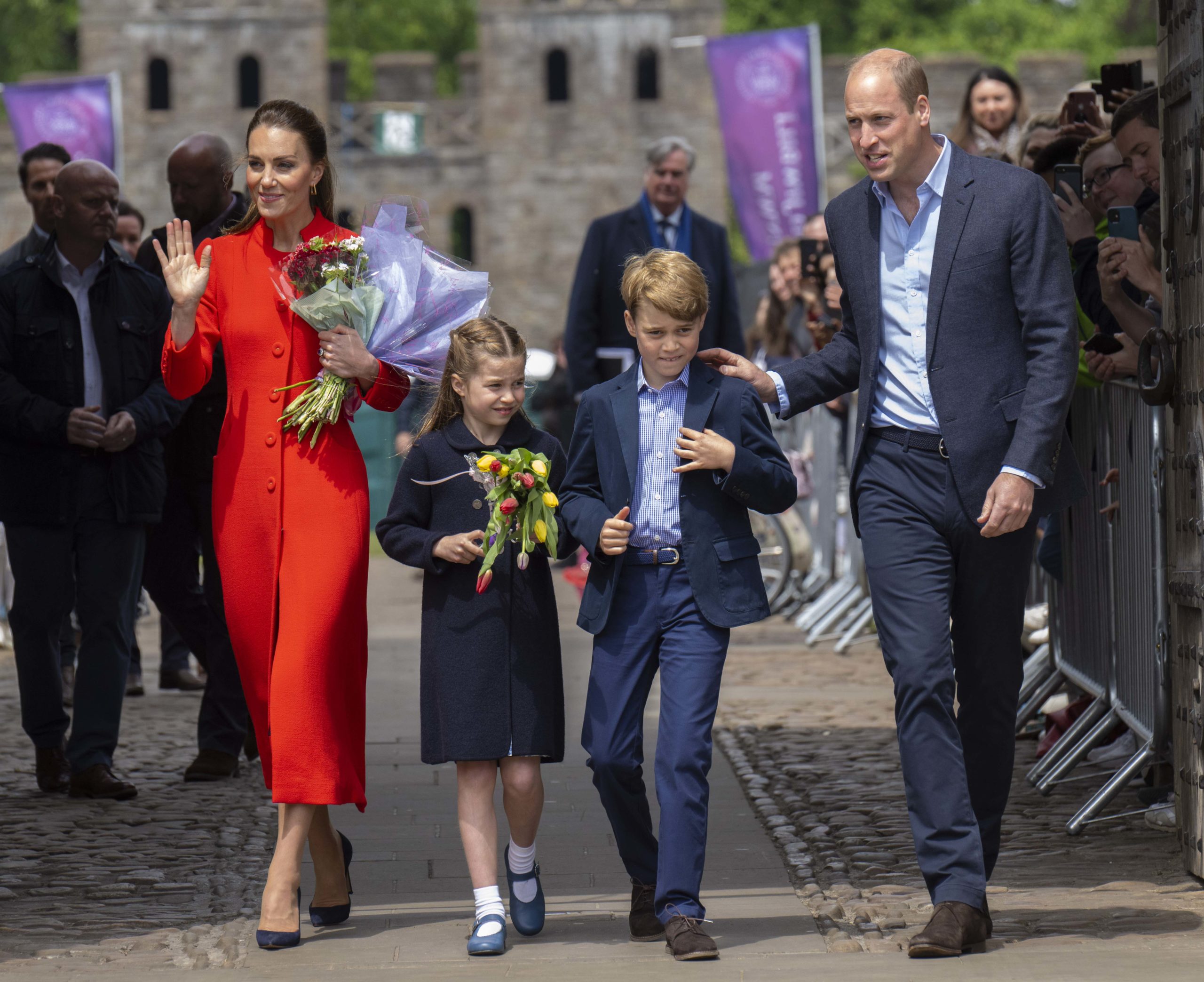
A defining characteristic of their roles in 2026 is the deliberate balance they maintain between public duty and their roles as parents to Prince George, Princess Charlotte, and Prince Louis. Unlike previous generations of royals, William and Catherine have been vocal about their "family-first" approach, often scheduling engagements around the school calendar.
This is part of a broader strategy to ensure that Prince George, the second in line to the throne, has a relatively "normal" upbringing before his own formal royal duties begin to intensify in his late teens. Their household at Adelaide Cottage and their offices at Kensington Palace are managed with a lean staff, emphasizing efficiency and a modern, professional workplace culture.
Frequently Asked Questions
How are the Prince and Princess of Wales funded in 2026?
The Prince and Princess do not receive a direct salary from the taxpayer-funded Sovereign Grant for their personal expenses. Instead, their public and private lives are funded by the annual surplus of the Duchy of Cornwall. However, the taxpayer does cover the cost of their security (via the Metropolitan Police) and some travel costs associated with official overseas tours undertaken at the request of the government.
Does the Princess of Wales have a formal constitutional role?
No, the Princess of Wales does not have a formal role in the British Constitution. She is a "Royal Consort" by marriage. Her power is social and representational rather than legal. However, her influence is significant as she is the primary support for the future King and the mother of the next heir, Prince George.
What is the "Homewards" project?
Homewards is a five-year flagship program launched by Prince William through the Royal Foundation. It aims to demonstrate that homelessness can be "rare, brief, and unrepeated" by focusing on six key locations across the UK. In 2026, the program is in its final evaluation phase, aiming to provide a scalable model for local authorities and charities.
Why did their titles change?
Upon the death of Queen Elizabeth II in 2022, Charles became King, and William automatically became the Duke of Cornwall and Duke of Rothesay. The King subsequently created William "Prince of Wales," a title that is not automatic but is traditionally bestowed upon the heir. Catherine became the Princess of Wales, the first person to use the title since the late Diana, Princess of Wales.
What happens to their roles when William becomes King?
When William ascends the throne, his current roles will shift. He will no longer manage the Duchy of Cornwall; it will pass to his eldest son, Prince George. Catherine will become Queen Consort, a role that involves being crowned alongside the King and providing companionship and support during his reign.
Practical Engagement: Following the Royal Work
For those interested in the ongoing impact of the Prince and Princess of Wales’s work, the most direct way to engage is through their primary charitable vehicles. The Royal Foundation serves as the main hub for their philanthropic projects, including Earthshot and the Centre for Early Childhood. Public members can also track their daily activities via the "Court Circular," the official record of past royal engagements, or through the official website of the British Monarchy. Following their initiatives provides insight into how the 21st-century monarchy intends to address global challenges while maintaining its thousand-year-old traditions.
Image Gallery