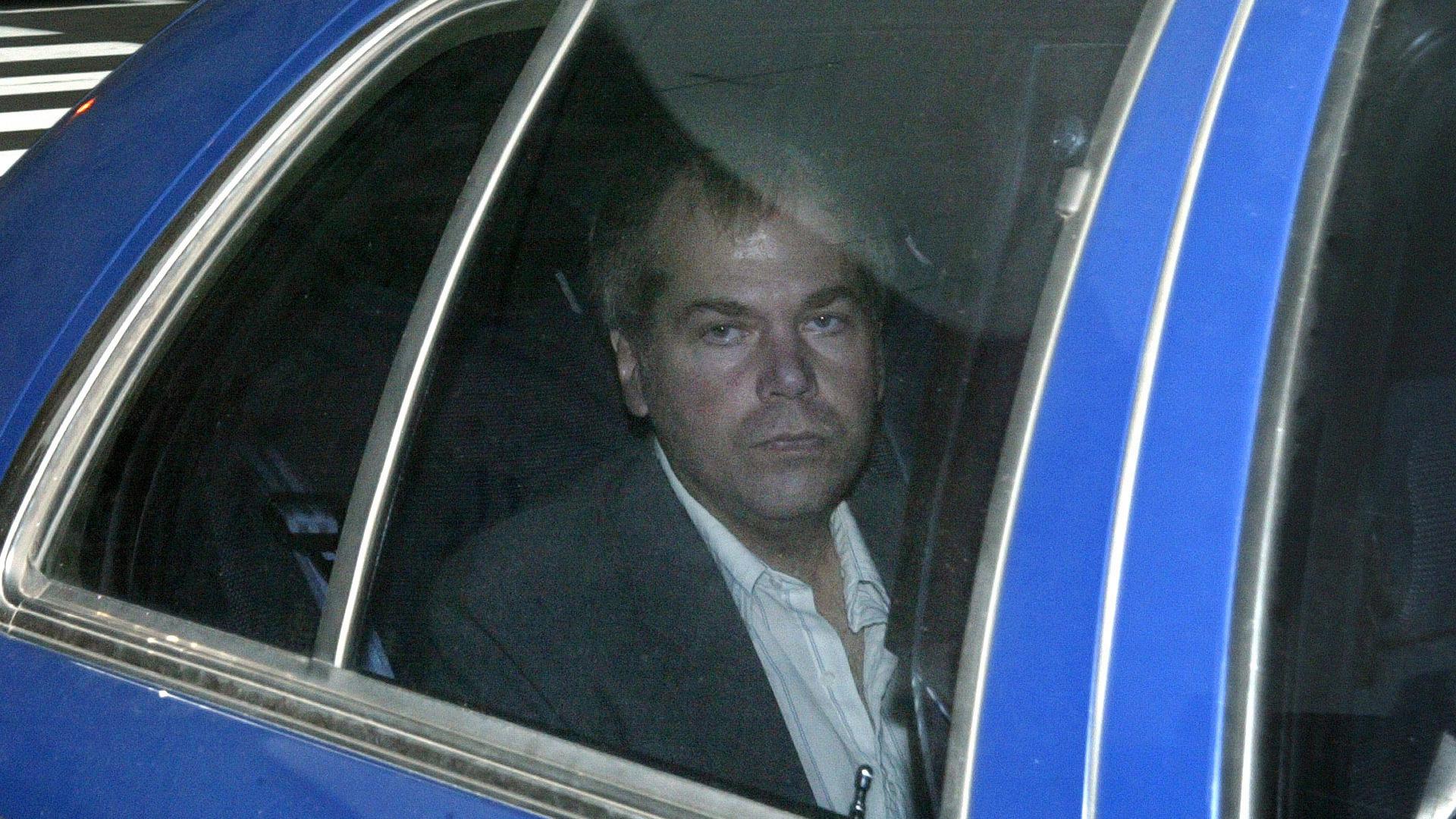
Jodie Foster and John Hinckley in the Spotlight: The Intersection of Celebrity and Criminal Obsession
The 1981 assassination attempt on President Ronald Reagan brought the name of actress Jodie Foster into an involuntary and lifelong association with his assailant, John Hinckley Jr. This collision between Hollywood fame and deep-seated...
The 1981 assassination attempt on President Ronald Reagan brought the name of actress Jodie Foster into an involuntary and lifelong association with his assailant, John Hinckley Jr. This collision between Hollywood fame and deep-seated psychiatric instability remains a defining moment in the history of celebrity obsession, legal insanity defenses, and the lasting impact of stalking on public figures.
Contents
The Catalyst: March 30, 1981
On March 30, 1981, John Hinckley Jr. opened fire outside the Washington Hilton Hotel, wounding President Ronald Reagan, Press Secretary James Brady, Police Officer Thomas Delahanty, and Secret Service Agent Timothy McCarthy. The act was not politically motivated in the traditional sense; rather, it was an attempt by Hinckley to garner the attention of Jodie Foster.
At the time of the shooting, Foster was a student at Yale University. Hinckley had become obsessed with her after repeated viewings of the 1976 film Taxi Driver, in which Foster played an underage sex worker. In the film, the protagonist, Travis Bickle—a character Hinckley identified with—plots to assassinate a politician. By attempting to kill the President, Hinckley aimed to replicate the film’s narrative, believing that a grand, violent gesture would make him an equal to the characters Foster portrayed and force her to acknowledge his existence.
Legal Ramifications and the Insanity Defense
The subsequent trial of John Hinckley Jr. became a landmark case in the American judicial system. In 1982, a jury found him not guilty by reason of insanity. The verdict relied on the testimony of psychiatric experts who argued that Hinckley was suffering from severe mental illness, specifically schizophrenia and delusional disorders, that prevented him from understanding the criminality of his actions.
This outcome triggered significant public outrage and prompted widespread calls for the reform of the insanity defense. Many Americans felt that the legal system had failed to hold a perpetrator accountable for an act of domestic terrorism. The trial resulted in the passage of the Insanity Defense Reform Act of 1984, which shifted the burden of proof to the defendant to demonstrate their insanity by clear and convincing evidence, and limited the scope of expert testimony regarding the mental state of a defendant.
The Impact on Jodie Foster
For Jodie Foster, the association was entirely unwanted. Throughout her career, she maintained a strict policy of silence regarding the incident to deny Hinckley the notoriety he sought. She did not provide interviews about the trial and attempted to distance herself from the obsession that had been projected upon her.
The psychological toll on a young, burgeoning star was profound. Foster’s experience highlighted the vulnerability of public figures to the manifestations of parasocial relationships—a psychological phenomenon where individuals develop one-sided, intense emotional attachments to media figures. Because she was a student at Yale when the incident occurred, the trauma was exacerbated by the intrusive nature of the global media coverage that surrounded the university campus.
Comparison of Key Historical and Legal Outcomes
| Aspect | Historical Context | Legacy/Impact |
|---|---|---|
| The Motive | Delusional identification with Taxi Driver | Increased study of celebrity stalking |
| Legal Verdict | Not Guilty by Reason of Insanity | Overhaul of the insanity defense laws |
| Institutionalization | St. Elizabeths Hospital, Washington D.C. | Decades-long treatment and monitoring |
| Public Response | Public outrage and fear | Shift in media ethics and privacy norms |
The Evolution of Celebrity Protection
The spotlight forced upon Foster changed the way Hollywood agencies and publicists managed the safety of their clients. Prior to 1981, the concept of "celebrity stalkers" was rarely addressed with the intensity that it is today. Following the incident, security protocols for actors, musicians, and public figures shifted toward professional risk assessment.
The incident also influenced the development of mental health laws. The long-term institutionalization of Hinckley at St. Elizabeths Hospital set the stage for how high-profile defendants are monitored upon potential release. Hinckley remained under institutional supervision for over three decades, with a gradual transition to independent living beginning only in the mid-2010s, eventually receiving full unconditional release in 2022.
Managing Parasocial Relationships in the Digital Era
While the technology of the 1980s was limited to letters and film, the year 2026 presents a significantly more complex landscape. The rise of social media and direct-access platforms has made the issue of obsession more prevalent, though it is now handled with more robust digital surveillance and reporting systems.
For public figures today, the lessons from the Foster-Hinckley case inform modern protocols:
- Digital Boundaries: Setting clear limits on fan interaction to discourage the development of unhealthy parasocial bonds.
- Threat Assessment: Utilizing specialized security firms to identify behavioral patterns that deviate from standard fan behavior.
- Legal Recourse: Utilizing anti-stalking laws that were refined in the decades following the 1981 incident to prevent escalation before violence occurs.
Frequently Asked Questions
Did Jodie Foster ever have a personal relationship with John Hinckley Jr.? No. There was never any contact, communication, or relationship between the two. The obsession was entirely unilateral, originating from Hinckley’s delusion based on his misinterpretation of the film Taxi Driver.
Why was the insanity defense so controversial in this case? The insanity defense was controversial because the crime was a high-profile, political act of violence. The acquittal of a man who attempted to assassinate a sitting President felt like a breakdown of justice to the general public, leading to the strict federal reforms seen in 1984.
How long was John Hinckley Jr. held in custody? Hinckley was held in psychiatric custody starting in 1982. He remained in the system for 40 years, with his final unconditional release granted by a federal judge in June 2022, ending all court-imposed restrictions.
Does Jodie Foster speak about this incident today? Foster has consistently maintained a stance of not granting interviews on the subject. She has prioritized her professional achievements and personal privacy, refusing to allow the narrative of the assassination attempt to define her life or career trajectory.
What is the "Hinckley Effect" in psychiatric studies? The term is sometimes used to describe the difficulty of balancing the civil rights of an individual deemed "insane" with the public's need for safety, specifically in cases where the individual remains a potential risk to high-profile figures.
Next Steps for Understanding the Historical Record
Those researching this case should prioritize government records from the District of Columbia courts and the official 1984 legislative summaries regarding the Insanity Defense Reform Act. Understanding the legal evolution of the case provides a clearer picture of how American law addresses the intersection of severe mental health crises and criminal liability.
Image Gallery