Why Milly Alcock and Kevin Bacon Matter in Finance: Network Theory and the New Investor
In 2026, the intersection of Milly Alcock and Kevin Bacon in financial discourse represents the convergence of Network Theory and Cultural Sentiment Analysis. Kevin Bacon symbolizes the "Six Degrees" of systemic risk and institutional...
In 2026, the intersection of Milly Alcock and Kevin Bacon in financial discourse represents the convergence of Network Theory and Cultural Sentiment Analysis. Kevin Bacon symbolizes the "Six Degrees" of systemic risk and institutional interconnectedness, while Milly Alcock embodies the "New Vanguard" of retail sentiment and the shifting demographic of global wealth. Together, they provide a framework for understanding how modern markets oscillate between traditional counterparty dependencies and hyper-speed social volatility.
Contents
The Kevin Bacon Principle: Mapping Systemic Financial Interconnectedness
To understand why Kevin Bacon remains a fixture in financial risk modeling, one must look at the "Six Degrees of Kevin Bacon." While originally a parlor game based on the "Small World" phenomenon, the mathematical underpinnings are fundamental to modern Systemic Risk Assessment. In finance, the "Bacon Number" of a financial institution refers to its proximity to a toxic asset or a collapsing counterparty.
The Mathematics of Contagion
The concept of "Six Degrees of Separation" posits that any two people on Earth are six or fewer social connections away from each other. In the global financial ecosystem of 2026, this number is often closer to three or four due to the high density of interbank lending and the ubiquity of major clearinghouses.
When a "hub" (a high-connectivity node like a major investment bank) experiences a liquidity crisis, the "Bacon Effect" ensures that the shock travels through the network with exponential speed. Analysts use graph theory to identify which institutions have a low "separation number" from distressed markets. This allows for the preemptive ring-fencing of assets before a localized failure turns into a global contagion.
Counterparty Risk and the "Bacon Node"
In 2026, the term Bacon Node has been adopted by some fintech firms to describe an entity that acts as a central connector for diverse asset classes. Much like Kevin Bacon’s prolific filmography connects obscure indie actors to Hollywood royalty, a Bacon Node in finance (such as a major ETF provider or a central bank digital currency bridge) connects disparate markets. If that central node fails, the entire network—regardless of individual asset quality—is compromised.
The Milly Alcock Paradigm: Branding, Sentiment, and the Retail Revolution
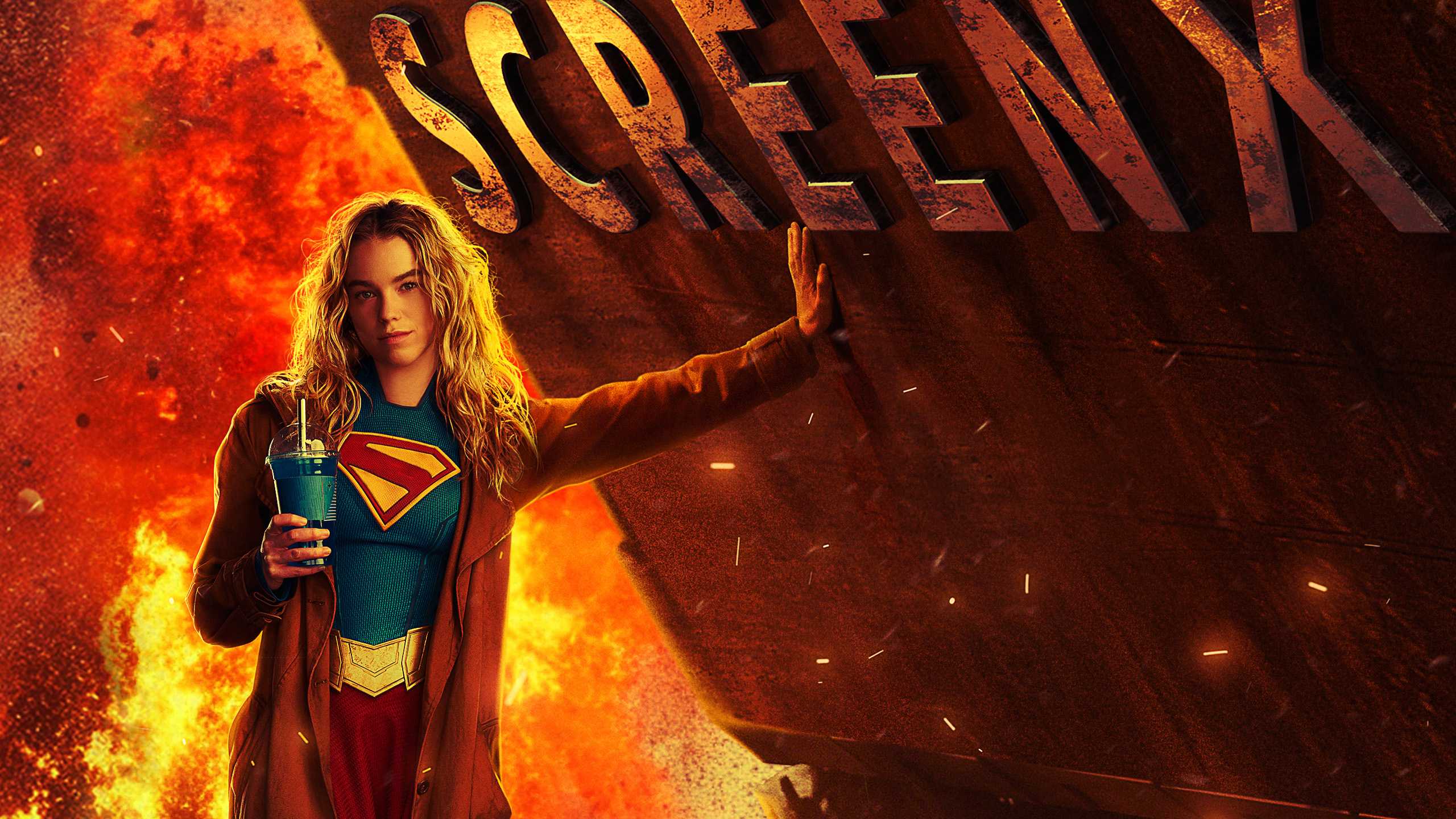
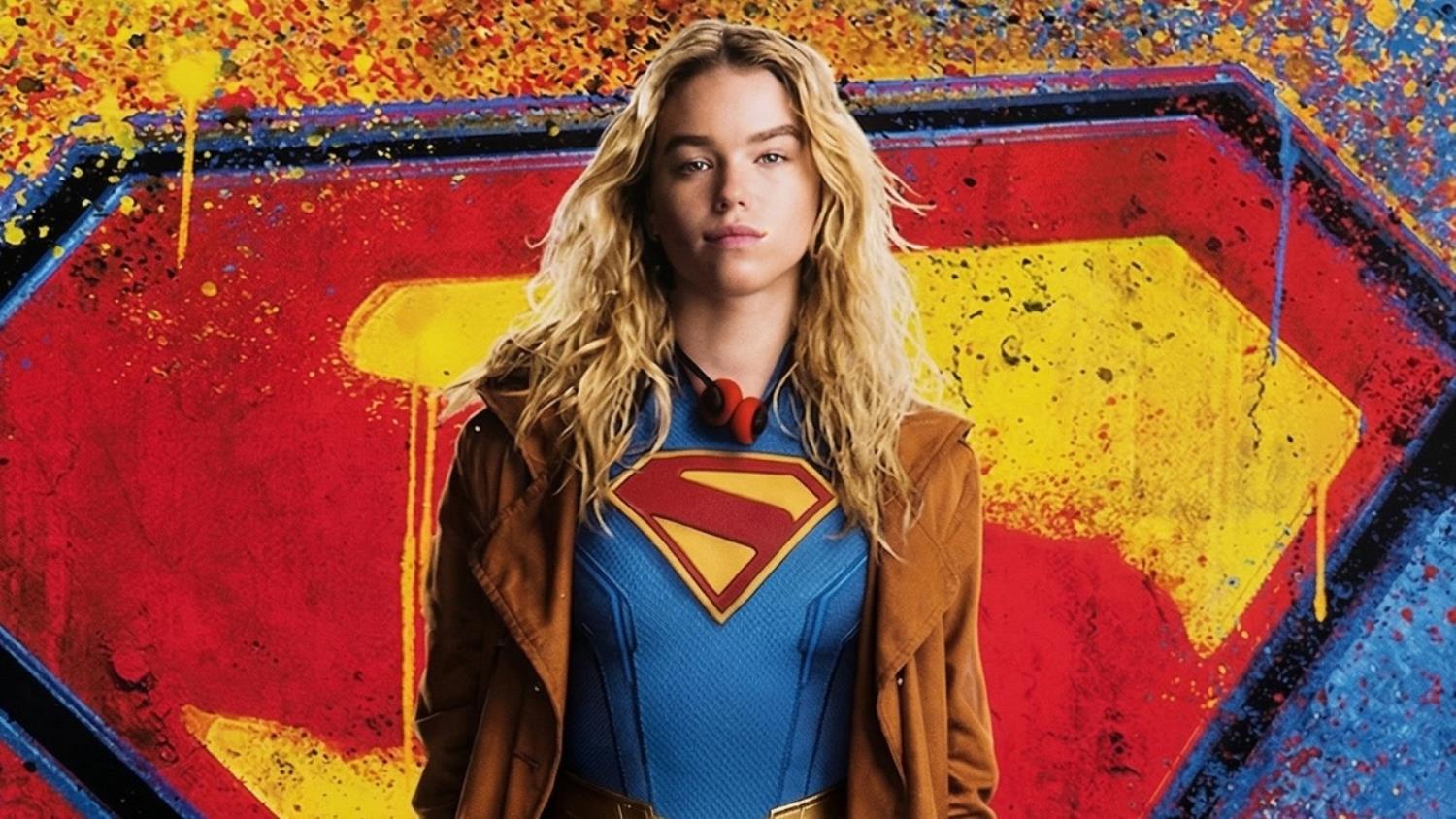
While Kevin Bacon represents the structural "skeleton" of finance, Milly Alcock represents its "nervous system." As the breakout star of House of the Dragon and the 2025/2026 era’s Supergirl, Alcock has become the face of a specific cultural moment: the transition of wealth to Gen Z and the rise of the Sentiment-Driven Market.
The "Supergirl" Effect on Market Psychology
Alcock’s casting as Supergirl in the DC Universe signaled a massive shift in corporate strategy—rebranding legacy IP for a younger, more global audience. In finance, this mirrors the "Great Wealth Transfer" currently occurring in 2026, where trillions of dollars are moving from Baby Boomers to digital-native heirs.
Milly Alcock matters in finance because she is the primary archetype for Retail Investor Sentiment. Financial institutions are no longer just looking at P/E ratios; they are monitoring "Cultural Velocity." When Alcock trends, it isn't just a media event; it is a data point for high-frequency trading (HFT) algorithms that scrape social media to predict consumer spending patterns and retail investment surges in media and tech stocks.
Cultural Capital as a Financial Asset
The "Alcock Paradigm" suggests that cultural relevance is a leading indicator of stock performance in the entertainment and consumer sectors. Analysts now track "Social Equity Scores"—a measure of how effectively a celebrity or a brand can move capital through sheer narrative force. For the 2026 investor, Alcock represents the power of the "New Vanguard": an investor class that values brand alignment and social impact as much as quarterly dividends.
The Intersection: Where Network Theory Meets Viral Velocity
The reason "Milly Alcock and Kevin Bacon" are cited together in financial reports is to illustrate the dual-threat environment of the mid-2020s. We live in a world where the interconnectivity of the past (Bacon) is being accelerated by the narrative speed of the present (Alcock).
Case Study: The 2026 "Network-Sentiment" Feedback Loop
Consider a hypothetical scenario where a major streaming service (a Bacon Node) faces a debt crisis. In the old model, we would only look at the creditors. In the new model, we look at the "Alcock Factor": How does the public perception of the service’s core stars affect the retail investor’s willingness to hold the stock?
If the sentiment remains high because of a star like Alcock, retail support can act as a "liquidity floor," preventing the systemic collapse that the Bacon Number might otherwise predict. This creates a hybrid market where social loyalty can temporarily override traditional mathematical risk.
Measuring the "Alcock-Bacon" Index
Some boutique hedge funds have begun utilizing what they colloquially call the A-B Index. This index measures the gap between an entity's structural risk (Bacon) and its public sentiment (Alcock).
| Metric | Kevin Bacon Side (Structural) | Milly Alcock Side (Perceptual) |
|---|---|---|
| Primary Driver | Interbank Lending / Derivatives | Social Media Sentiment / Retail Flow |
| Risk Type | Systemic Contagion | Volatility & Hype Cycles |
| Data Source | Bloomberg Terminal / SEC Filings | X (Twitter) / TikTok / Sentiment AI |
| Goal | Stability & Solvency | Growth & Brand Equity |
| 2026 Status | Highly Regulated (Basel IV) | Algorithmically Driven |
The Impact on Personal Wealth Management in 2026
For the individual investor, understanding this dynamic is crucial for portfolio protection. You are no longer just investing in a company; you are investing in a node within a network.
- Diversification Beyond the Node: Just as an actor tries not to be "typecast" to avoid a high Bacon Number (linking them only to one genre), an investor must diversify away from high-connectivity hubs. If your bank, your broker, and your mortgage lender are all "one degree" away from the same shadow-banking entity, you are not truly diversified.
- Sentiment Monitoring: In 2026, ignoring cultural trends is a financial risk. The "Milly Alcock" factor reminds us that retail investors can move markets in ways that defy institutional logic. Keeping a portion of a portfolio in "Sentiment-Resilient" assets is a common strategy to hedge against viral market downturns.
- The Rise of AI Analysts: Most modern trading platforms now include a "Narrative Score" alongside technical indicators. These AIs are specifically designed to bridge the gap between Bacon-style network data and Alcock-style sentiment data.
Why the "Hollywood-Finance" Link Is Permanent
The reason these specific figures matter is that Hollywood is the ultimate laboratory for Risk and Reward. A film studio is essentially a venture capital firm that bets on "IP" (Intellectual Property). Kevin Bacon represents the "Legacy IP" (reliable, connected, systemic), while Milly Alcock represents the "Growth IP" (disruptive, high-potential, demographic-shifting).
Financial markets have essentially become "Hollywoodized." The success of a crypto token, a green energy startup, or a tech IPO depends on its ability to create a "fanbase" (Alcock) while maintaining its "institutional pipes" (Bacon).
Common Mistakes in the "Celebrity-Finance" Strategy
- Over-weighting Sentiment: Assuming that because a brand is culturally relevant (the Alcock side), it is structurally sound. High sentiment cannot save a company with a terminal "Bacon Number" of counterparty debt.
- Ignoring the Network: Failing to see how a "safe" investment is secretly linked to a volatile sector through back-end financial instruments.
- Late-Cycle Entry: Buying into a sentiment-driven surge (the "Alcock Peak") after the institutional "Bacon Nodes" have already begun their exit.
Frequently Asked Questions
What does "Six Degrees of Kevin Bacon" have to do with my bank?
It refers to the Counterparty Risk of your financial institution. In a globalized economy, your bank is connected to thousands of other entities. If one fails, the "Degrees of Separation" determine how quickly that failure impacts your local branch's liquidity.
Is Milly Alcock an actual financial advisor?
No. Milly Alcock is a professional actress. However, her career trajectory and "Brand Equity" are used by market analysts as a proxy for Gen Z Consumer Sentiment and the health of the media-tech sector, which is a significant driver of the S&P 500 in 2026.
How can I track my portfolio's "Bacon Number"?
Many modern fintech apps now offer "Network Maps." These tools show you the secondary and tertiary links between your holdings. For example, it might show you that your "Green Energy" ETF is heavily reliant on a specific lithium miner that is "one degree" away from a geopolitical conflict zone.
Why is 2026 considered the year of "Sentiment Finance"?
2026 marks a turning point because AI-driven sentiment analysis has reached near-perfect correlation with retail trade flows. The ability to predict how a cultural event (like a Milly Alcock movie premiere) will affect specific consumer stocks is now a standard tool for institutional investors.
Does this mean fundamental analysis is dead?
Not at all. Fundamental analysis (looking at revenue, debt, and cash flow) tells you if a company should succeed. The Bacon/Alcock framework tells you how it will interact with the modern, hyper-connected, and sentiment-driven world.
Summary and Next Actions
Milly Alcock and Kevin Bacon are not just icons of the screen; they are the two poles of modern financial reality. Kevin Bacon is the structure—the complex web of connections that can either support or collapse the global economy. Milly Alcock is the energy—the cultural force that drives the next generation of capital allocation.
To navigate this landscape in 2026, investors should:
- Audit their connectivity: Ensure your assets aren't all clustered around a single "Bacon Node."
- Monitor the zeitgeist: Use sentiment analysis tools to see if your "Blue Chip" stocks are losing their "Alcock Appeal" among younger demographics.
- Balance the portfolio: Pair structurally sound "Bacon" assets with high-growth, culturally relevant "Alcock" opportunities.
Image Gallery