Collecting Taylor Swift Champagne Vinyl: A Guide for Dedicated Enthusiasts
For Taylor Swift collectors, the quest for a "champagne" vinyl—most notably associated with the iconic "Champagne Problems" from the Evermore album or the specific opaque "Champagne" color variant—represents a blend of musical apprecia...
For Taylor Swift collectors, the quest for a "champagne" vinyl—most notably associated with the iconic "Champagne Problems" from the Evermore album or the specific opaque "Champagne" color variant—represents a blend of musical appreciation and high-stakes acquisition. Achieving a high-value collection requires navigating official pressings, distinguishing between standard retail editions and limited releases, and employing rigorous verification standards to ensure the authenticity and physical integrity of each record in your library.
Contents
Understanding the "Champagne" Vinyl Aesthetic
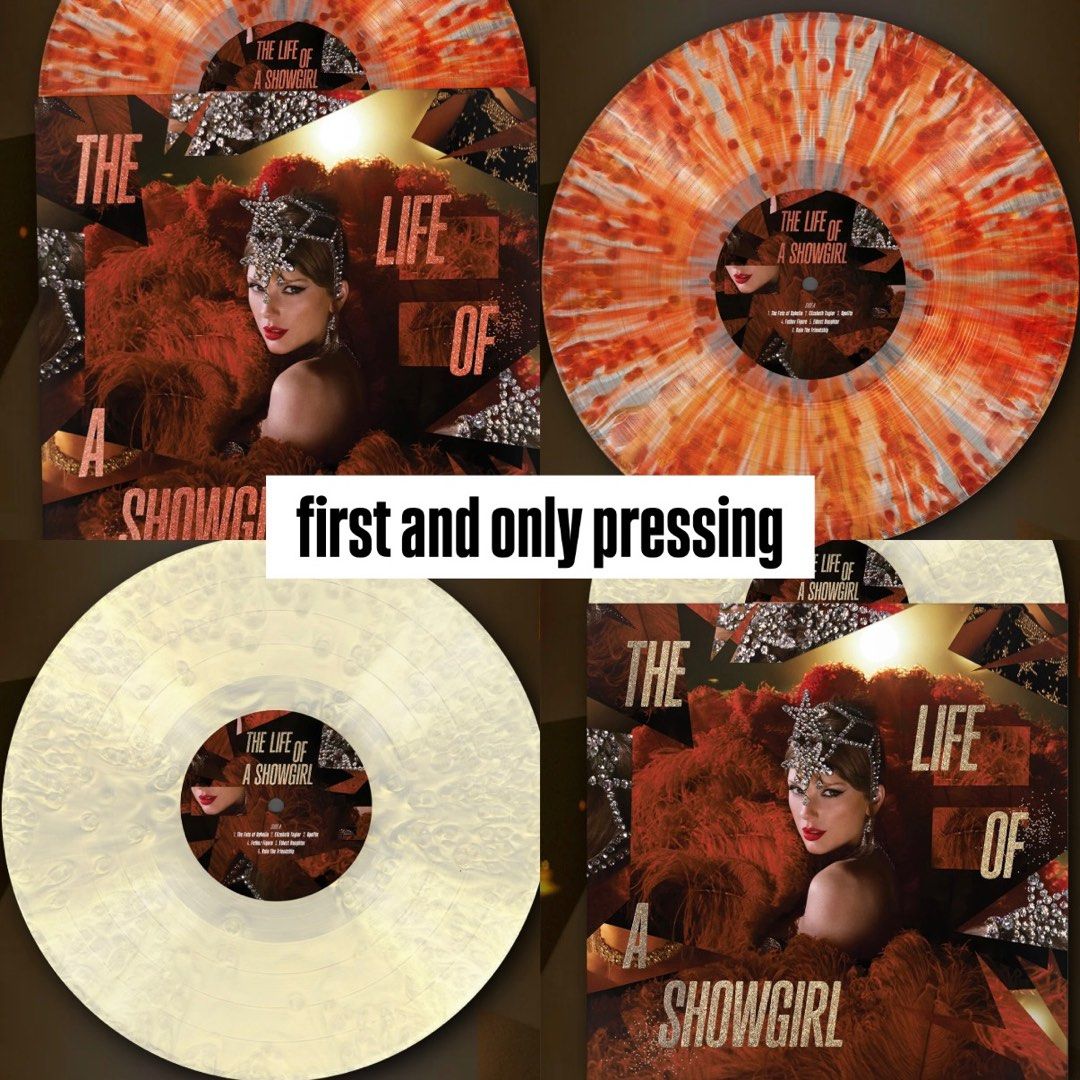
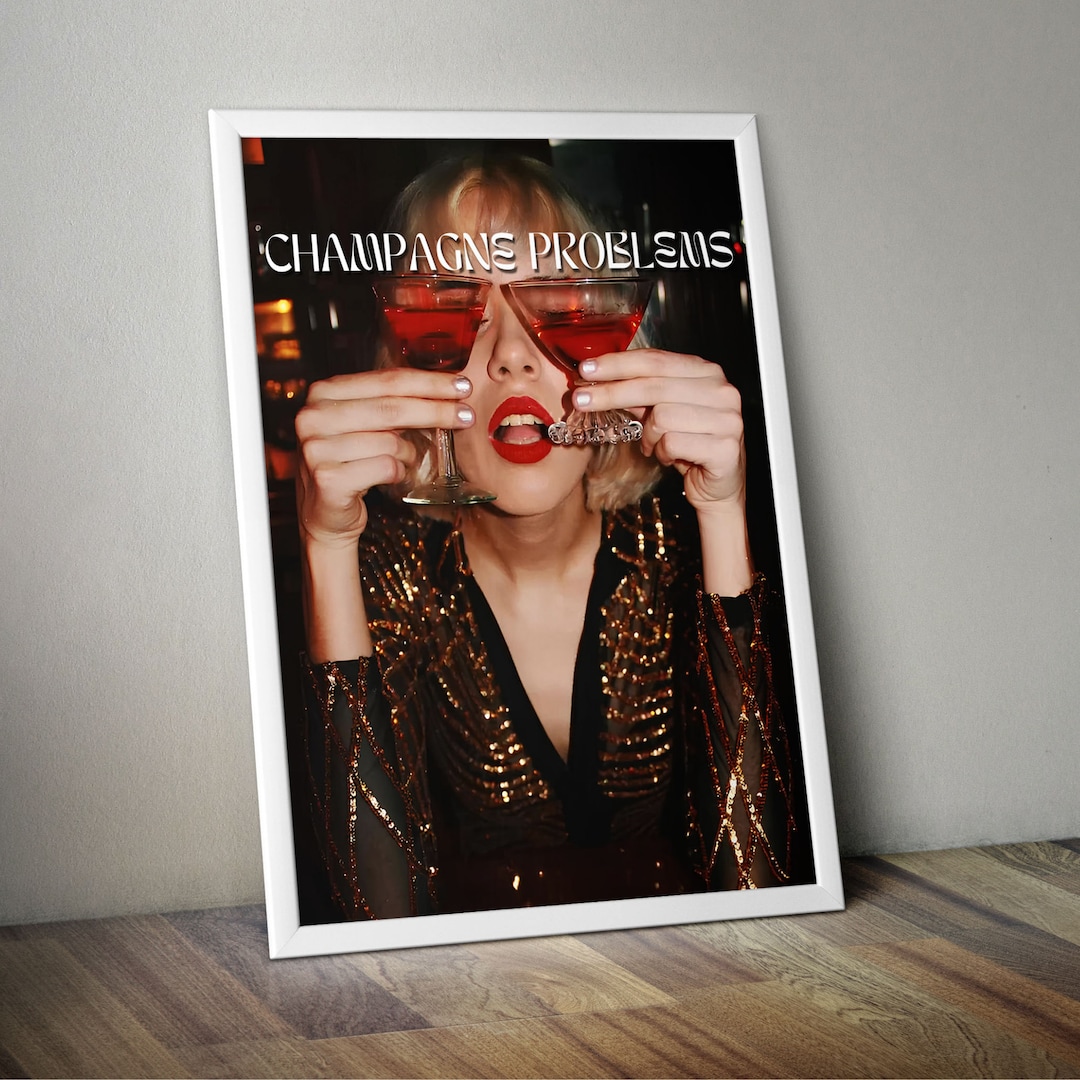
In the discourse of Taylor Swift vinyl collecting, the term "champagne" is often used to describe specific color variants of the Evermore studio album. While Taylor Swift’s discography is vast, the association with "Champagne Problems"—the second track on Evermore—has led to a heightened interest in the "Opaque Green" pressing (often referred to by fans in terms of its earthy, champagne-adjacent tones) or subsequent limited-edition variants that capture the atmospheric mood of the album.
Collectors must first clarify if they are seeking a specific color variant—which is often debated in fan forums based on lighting conditions during photography—or if they are looking for specific regional pressings. Because vinyl colors can vary significantly between manufacturing runs, relying on visual inspection alone is insufficient. You must verify the runout groove matrix numbers, which serve as the definitive "fingerprint" for any specific pressing.
Prerequisites for Serious Vinyl Collection
Before acquiring rare pressings, you must establish an environment that protects the long-term value of your collection. Vinyl is sensitive to environmental stressors, and the value of a Taylor Swift record can plummet if it is improperly handled or stored.
- Climate Control: Maintain a storage environment between 60°F and 70°F (15°C–21°C) with a humidity level between 40% and 50%. High humidity risks mold growth on sleeves, while excessive heat can warp the PVC (polyvinyl chloride) discs.
- Storage Orientation: Records must be stored vertically. Never stack them flat, as the weight of the records can cause "ring wear" on the cover art and potentially warp the discs themselves.
- Protection: Invest in high-quality, anti-static inner sleeves. The generic paper sleeves that come with many modern records can leave micro-scratches on the surface of the vinyl.
Evaluating Value and Authenticity
When purchasing "champagne" or other rare variants, the primary challenge is determining the distinction between a mass-market pressing and a limited-edition collector’s item. In the current 2026 market, many "rare" editions are re-released, which can affect their secondary market value.
Key Factors in Determining Value
| Factor | Impact on Value |
|---|---|
| Matrix/Runout | Primary indicator of pressing plant and batch. |
| Sleeve Condition | Professional grading (M, NM, VG+) is mandatory. |
| Sealed Status | Factory-sealed items command higher premiums. |
| Variant History | Known pressing errors or limited regional releases. |
Always verify the Matrix Runout on Discogs. This database allows you to match the etchings found in the dead wax (the inner circle of the vinyl near the label) to specific entries in their ledger. If a seller cannot provide a photo of the matrix number, exercise extreme caution.
Identifying and Avoiding Counterfeits
As Taylor Swift's vinyl popularity has surged, the market has seen an increase in "unofficial" or "bootleg" pressings. These are not authorized by the record label and often feature lower-quality audio masters.
- Check the Labels: Official pressings typically have crisp, clear text on the center labels. Bootlegs often have blurry text, inconsistent font weights, or spelling errors.
- Audio Quality: If you possess a high-end turntable setup, the difference is often audible. Bootlegs are frequently pressed from digital files rather than analog masters, resulting in a "flat" or "thin" soundstage.
- Source Verification: Avoid marketplaces known for unregulated bootlegs. Stick to verified platforms where sellers must provide proof of purchase or detailed imagery.
Comparison of Collector Objectives
Collectors generally fall into two categories: the "completionist" and the "variant hunter." Understanding your objective will dictate your spending strategy.
- The Completionist: Aims to own one copy of every studio album. For this collector, a standard pressing is sufficient. The focus here is on securing high-quality, clean copies that will last for decades.
- The Variant Hunter: Specifically seeks out limited-edition colorways, picture discs, or special pressings. This requires a high budget, as prices for limited editions can fluctuate rapidly based on supply and demand.
Troubleshooting Common Issues
If you acquire a record that appears to have surface noise or skips, do not immediately assume it is damaged. Modern vinyl manufacturing can occasionally leave "pressing plant residue." Using a professional record-cleaning machine or a high-quality carbon fiber brush can often resolve surface-level playback issues.
If the vinyl exhibits a warp, some collectors use professional-grade record flatteners. However, for high-value items, it is often safer to keep the item as a collectible rather than attempting to "flatten" it, as the heat required to fix a warp can sometimes degrade the audio quality further.
Frequently Asked Questions
How do I know if my Evermore vinyl is the "Champagne" variant?
Check the barcode and the matrix number in the runout groove. Compare these codes directly against the official entries on Discogs. Official Taylor Swift color variants are documented with specific catalog numbers that distinguish them from standard black pressings.
Is it better to keep my vinyl sealed?
From a purely financial investment perspective, keeping an item "factory sealed" generally maintains higher value. However, vinyl is meant to be played. If you are a collector who enjoys the music, ensure you have a dedicated space to store the records safely once unsealed.
Do 2026 re-pressings devalue my older copies?
Generally, no. Collectors often prefer "original pressings" (the first batch produced upon the album's initial release). Subsequent re-pressings, while identical in aesthetic, do not typically impact the demand for the original limited editions.
Where is the best place to find rare Taylor Swift vinyl?
Reputable record stores and established online marketplaces that offer buyer protection are best. Avoid social media-based sales where there is no recourse if the item arrives damaged or is not as described.
How do I handle minor ring wear?
Ring wear is an inevitable part of the lifecycle of a cardboard jacket. To mitigate it, remove the record from the jacket and store it in a generic white sleeve behind the cover art inside a protective outer plastic sleeve. This prevents the vinyl from pressing against the artwork.
Are "limited edition" stickers on the shrink wrap worth anything?
Yes, in the collector community, these are often referred to as "hype stickers." Many collectors prefer to keep the shrink wrap on to preserve these stickers. If you do open the record, carefully cut the shrink wrap and preserve the sticker to maintain the item’s provenance.
Next Steps for Your Collection
To further your journey, begin by cataloging your current inventory using a digital database. Once your current records are accounted for, set alerts for specific matrix numbers on reputable secondary market sites. Always prioritize condition over scarcity; a damaged rare record is never a better investment than a pristine standard pressing. Before any high-value purchase, ensure you have the necessary cleaning equipment—such as a microfiber brush and a wet-cleaning solution—to maintain the records you already own.
Image Gallery