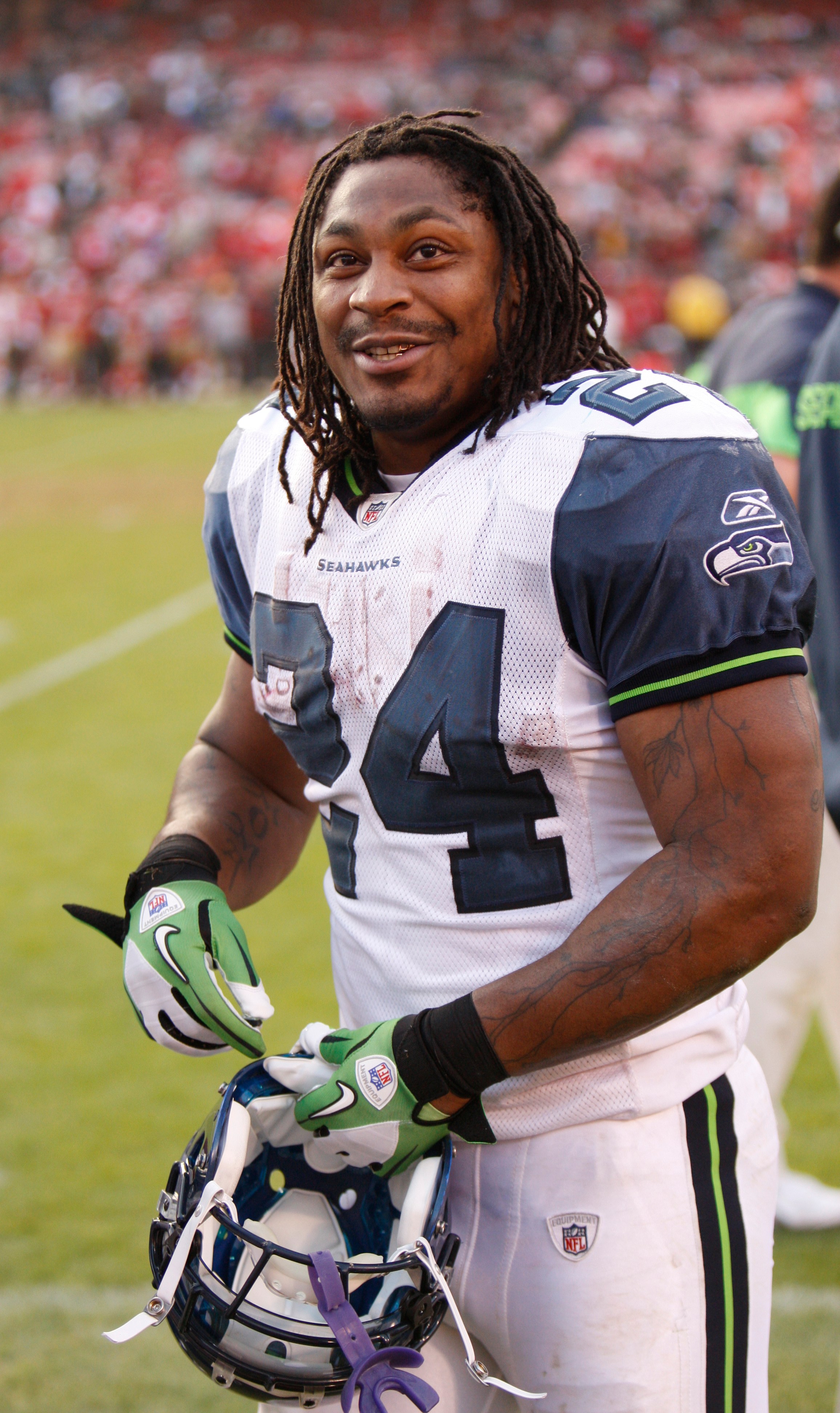
Marshawn Lynch Net Worth in Context: Career Earnings and Business Empire
As of early 2026, Marshawn Lynch’s net worth is estimated to be between $45 million and $55 million. This valuation reflects a combination of his $62 million in career NFL salary, lucrative endorsement deals with global brands, and a h...
As of early 2026, Marshawn Lynch’s net worth is estimated to be between $45 million and $55 million. This valuation reflects a combination of his $62 million in career NFL salary, lucrative endorsement deals with global brands, and a highly successful transition into entrepreneurship through his "Beast Mode" brand and various sports team ownership stakes.
Contents
While often searched as "marshaen lynch," the subject is the legendary NFL running back Marshawn Lynch. The context of his wealth is unique among professional athletes; Lynch famously claimed during his active playing years that he had not spent a single dime of his NFL salary, choosing instead to live entirely off his endorsement income. This financial discipline, paired with aggressive expansion into the apparel, cannabis, and sports ownership sectors, has allowed his net worth to remain robust long after his final touchdown in 2019.
The NFL Foundation: Salary and Contractual Evolution
To understand Marshawn Lynch’s net worth in context, one must first analyze the bedrock of his fortune: his 12-season career in the National Football League. Lynch was drafted 12th overall in 2007 by the Buffalo Bills, but his most significant earnings occurred during his tenure with the Seattle Seahawks and his hometown Oakland Raiders.
Career Earnings Breakdown
Lynch’s career earnings totaled approximately $62.3 million from salary and bonuses alone. His peak earning years were between 2012 and 2015, following the Seahawks' Super Bowl XLVIII victory. During this window, he signed a four-year, $31 million contract extension, which included $18 million in guaranteed money.
Unlike many players who suffer from "lifestyle creep," Lynch’s financial strategy was reportedly centered on capital preservation. By treating his NFL salary as a long-term investment fund and utilizing his marketing income for daily expenses, he entered retirement with a liquid net worth that most athletes struggle to maintain. This discipline is a critical factor in why his 2026 valuation remains so high despite being out of the league for several years.
The Impact of "Beast Mode" on Contract Leverage
The term "Beast Mode" became more than a nickname; it was a financial asset. Lynch used his on-field dominance to negotiate contracts that favored high guarantees. Even when he came out of retirement to play for the Raiders in 2017, he secured a two-year deal worth $9 million, proving that his brand value remained high even at an age where most running backs are considered liabilities.
Beast Mode Branding: From Nickname to Lifestyle Conglomerate
Marshawn Lynch was a pioneer in athlete-led branding. Rather than simply licensing his likeness, he built an independent retail and lifestyle empire.
The Retail Footprint
The "Beast Mode" brand initially launched with apparel, focusing on hats, hoodies, and t-shirts. However, by 2026, it has evolved into a comprehensive lifestyle brand. Lynch opened flagship stores in Oakland and Seattle, bypassing traditional retail intermediaries. This vertical integration allowed him to capture a higher percentage of profit margins compared to standard endorsement royalties.
Beast Mode Marketing
Further expanding his business reach, Lynch launched Beast Mode Marketing. This agency was designed to help younger athletes navigate the complexities of the "Name, Image, and Likeness" (NIL) era. By positioning himself as a mentor and business partner to the next generation, Lynch created a recurring revenue stream that is independent of his own physical performance. This shift from "talent" to "manager" is a sophisticated financial move that ensures long-term wealth stability.
Strategic Investments and Sports Ownership
A significant portion of Lynch's net worth in 2026 is tied to equity in sports franchises and emerging industries. Diversifying into ownership allows an athlete to benefit from the appreciation of franchise values, which historically outpaces the stock market.
Professional Sports Stakes
Lynch has strategically invested in smaller and mid-sized sports leagues, which offer lower entry costs but high growth potential:
- Seattle Kraken (NHL): Lynch joined the minority ownership group of the NHL's 32nd franchise. Given the rapid rise in NHL team valuations, this stake represents a significant portion of his illiquid assets.
- Bay Area Panthers (IFL): As a co-owner of this Indoor Football League team, Lynch maintains a connection to his roots in Northern California while participating in the operational side of sports.
- Oakland Roots SC: His investment in this USL Championship soccer team reflects a commitment to community-based sports models.
The Cannabis Industry: Dodi Blunts
In 2021, Lynch launched Dodi Blunts, a high-end cannabis brand. By 2026, as legalization has expanded across the United States, this venture has matured. Lynch’s approach to the industry has been focused on craft quality and community reinvestment, particularly in Oakland. The cannabis sector is notoriously volatile, but Lynch’s brand recognition has provided a competitive moat that sustains the business's valuation.
Media, Film, and Entertainment Revenue
In his post-NFL years, Lynch has become a sought-after personality in Hollywood. His unique cadence and "authentic" persona have made him a favorite for both scripted and unscripted content.
Acting and Cameos
Lynch has appeared in major productions such as the film Bottoms and the HBO series Westworld. These roles provide not only direct payment but also keep his brand relevant to a younger demographic that may never have seen him play football.
Reality TV and Commercials
From his legendary "I'm just here so I won't get fined" press conference to his 2026-era appearances in commercials for Subway, Nike, and Amazon, Lynch has mastered the art of the "anti-pitchman." Brands pay a premium for his participation because he brings a level of perceived honesty that traditional celebrity endorsements lack.
Comparative Financial Overview
The following table contextualizes Lynch's primary revenue streams and their contribution to his overall net worth as of 2026.
| Revenue Category | Estimated Total Value | Status in 2026 | Key Drivers |
|---|---|---|---|
| NFL Career Earnings | $62.3 Million (Gross) | Asset Base | Long-term investments of saved salary. |
| Beast Mode Apparel | $15M - $20M Valuation | Active | Direct-to-consumer sales and flagship stores. |
| Sports Ownership | $10M - $15M (Equity) | Appreciating | Stakes in NHL, USL, and IFL franchises. |
| Endorsements | $5M+ Annually | Recurring | Nike, Skittles, and digital media partnerships. |
| Entertainment/Media | $2M - $4M Annually | Growing | Film roles, voice acting, and reality TV. |
Philanthropy: The Fam 1st Family Foundation
No analysis of Marshawn Lynch’s wealth is complete without mentioning his financial commitment to the Fam 1st Family Foundation. Co-founded with Josh Johnson, the foundation focuses on empowering at-risk youth in the Bay Area. While philanthropy is an outflow of wealth, it serves a critical role in his "contextual" net worth by cementing his legacy and brand authority. The foundation has invested millions into community centers and coding camps, ensuring that the Lynch brand is synonymous with social mobility.
Common Mistakes in Evaluating Lynch’s Wealth
When assessing a high-profile athlete's net worth, fans often fall into several traps:
- Confusing Gross Earnings with Net Worth: While he earned $62 million in salary, taxes and agent fees usually take 40-50%. Lynch’s net worth is closer to his gross earnings than most because of his extreme saving habits.
- Underestimating Brand Equity: Many "Net Worth" websites fail to account for the private valuation of the "Beast Mode" trademark, which is a significant intangible asset.
- Ignoring Illiquidity: A large portion of Lynch’s wealth is tied up in team ownership and real estate, meaning his "cash on hand" is likely lower than the $50 million figure, though his total value remains high.
Frequently Asked Questions
Did Marshawn Lynch really save all of his NFL money?
Multiple reports from financial advisors and teammates have corroborated that Lynch lived off his endorsement money (estimated at $5M+ per year during his peak) and kept his NFL game checks in savings and investment accounts. This disciplined approach is rare in professional sports and is the primary reason his net worth has not plummeted in retirement.
How does "Beast Mode" make money in 2026?
The brand operates through several channels: physical retail stores, an expansive e-commerce platform, and licensing agreements. Additionally, the brand has expanded into "Beast Mode Productions" for media content and "Beast Mode Marketing" for athlete representation.
What is Marshawn Lynch’s involvement in the Seattle Kraken?
Lynch is a minority investor. While he does not run day-to-day operations, he serves as a brand ambassador and participates in high-level ownership meetings. His presence was instrumental in building the Kraken's initial fan base in the Pacific Northwest.
Does Lynch have any major debts or liabilities?
Public records and financial analyses suggest Lynch maintains a very low debt-to-equity ratio. He typically avoids high-leverage investments, preferring to put his own capital into businesses he understands or controls directly.
What happened to the "marshaen lynch" spelling?
"Marshaen" is a common phonetic misspelling of Marshawn. Despite the spelling variation, all financial and biographical data refers to the former Seahawks and Raiders player, Marshawn Terrell Lynch.
Practical Recommendation for Observers
For those looking at Marshawn Lynch as a financial model, the key takeaway is diversification through authenticity. Lynch did not try to fit the mold of a traditional corporate spokesperson. By staying true to his "Beast Mode" persona, he created a niche market that he owns entirely. For 2026 and beyond, the most significant growth in his net worth is likely to come from his private equity stakes in sports teams rather than his past athletic achievements.
Image Gallery