Indonesian Wildlife Diversity and Conservation: A Comprehensive Overview of 2026
Indonesia stands as a premier global "megadiverse" nation, housing approximately 17% of the world's total species across its 17,000 islands. In 2026, Indonesian wildlife diversity and conservation efforts are centered on mitigating hab...
Indonesia stands as a premier global "megadiverse" nation, housing approximately 17% of the world's total species across its 17,000 islands. In 2026, Indonesian wildlife diversity and conservation efforts are centered on mitigating habitat loss, curbing illegal trade, and implementing advanced technological monitoring to protect iconic endemic species like the Sumatran tiger, Javan rhino, and the Tapanuli orangutan within their shrinking natural corridors.
Contents
The Bio-Geographical Framework of the Indonesian Archipelago
To understand Indonesian wildlife diversity and conservation, one must first recognize the unique bio-geographical positioning of the archipelago. Indonesia sits at the crossroads of two major faunal realms: the Indomalayan (Asian) and the Australasian. This intersection is famously defined by the Wallace Line, a deep-water channel passing between Bali and Lombok, and between Borneo and Sulawesi.
West of the Wallace Line lies Sundaland (Sumatra, Java, Borneo, and Bali). During the Pleistocene ice ages, these islands were connected to mainland Asia, allowing for the migration of large placental mammals such as elephants, tigers, and rhinoceroses. Conversely, the eastern region, known as Sahul (including Papua), shares a geological history with Australia, resulting in a fauna dominated by marsupials and monotremes.
Between these two lies Wallacea, a zone of high endemism encompassing Sulawesi, Maluku, and the Lesser Sunda Islands. Because these islands remained isolated even during periods of low sea levels, evolution took a distinct path here, producing "evolutionary oddities" like the Babirusa (deer-pig) and the Anoa (dwarf buffalo). This complex geography is the foundation of Indonesia's biological wealth, but it also creates logistical challenges for conservationists who must manage vastly different ecosystems—from tropical rainforests and peat swamps to alpine meadows and coral reefs.
High-Profile Endemic Species and Their 2026 Status
Indonesia’s conservation priority remains focused on its "Big Five" and other flagship species. As of 2026, the status of these animals serves as a barometer for the health of the nation's broader ecosystems.
The Sumatran Megafauna
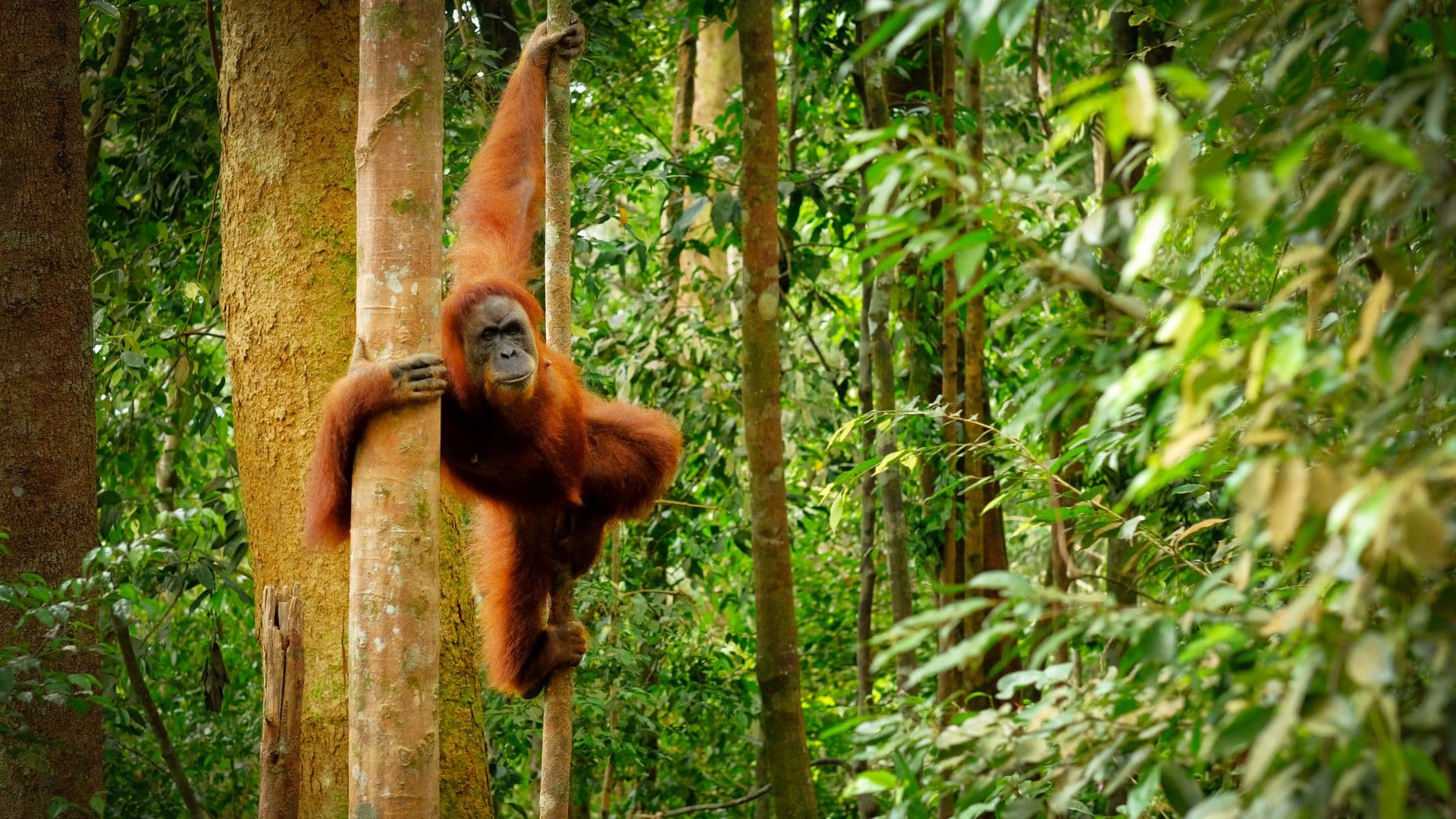
The island of Sumatra is the only place on Earth where tigers, rhinos, elephants, and orangutans coexist in the wild. However, the Sumatran Tiger (Panthera tigris sumatrae) faces significant pressure. Current 2026 estimates suggest fewer than 500 individuals remain in the wild, primarily within the Leuser Ecosystem and Kerinci Seblat National Park. Conservation strategies have shifted toward "Smart Patrolling" and the use of AI-integrated camera traps to identify individual tigers and track poaching threats in real-time.
The Sumatran Rhinoceros (Dicerorhinus sumatrensis) remains the most critically endangered of all rhino species. In 2026, the focus is almost entirely on semi-captive breeding programs in Way Kambas and the Kelian Lestari protection forest, as the wild population has become too fragmented to breed naturally without intervention.
The Orangutans: Three Distinct Species
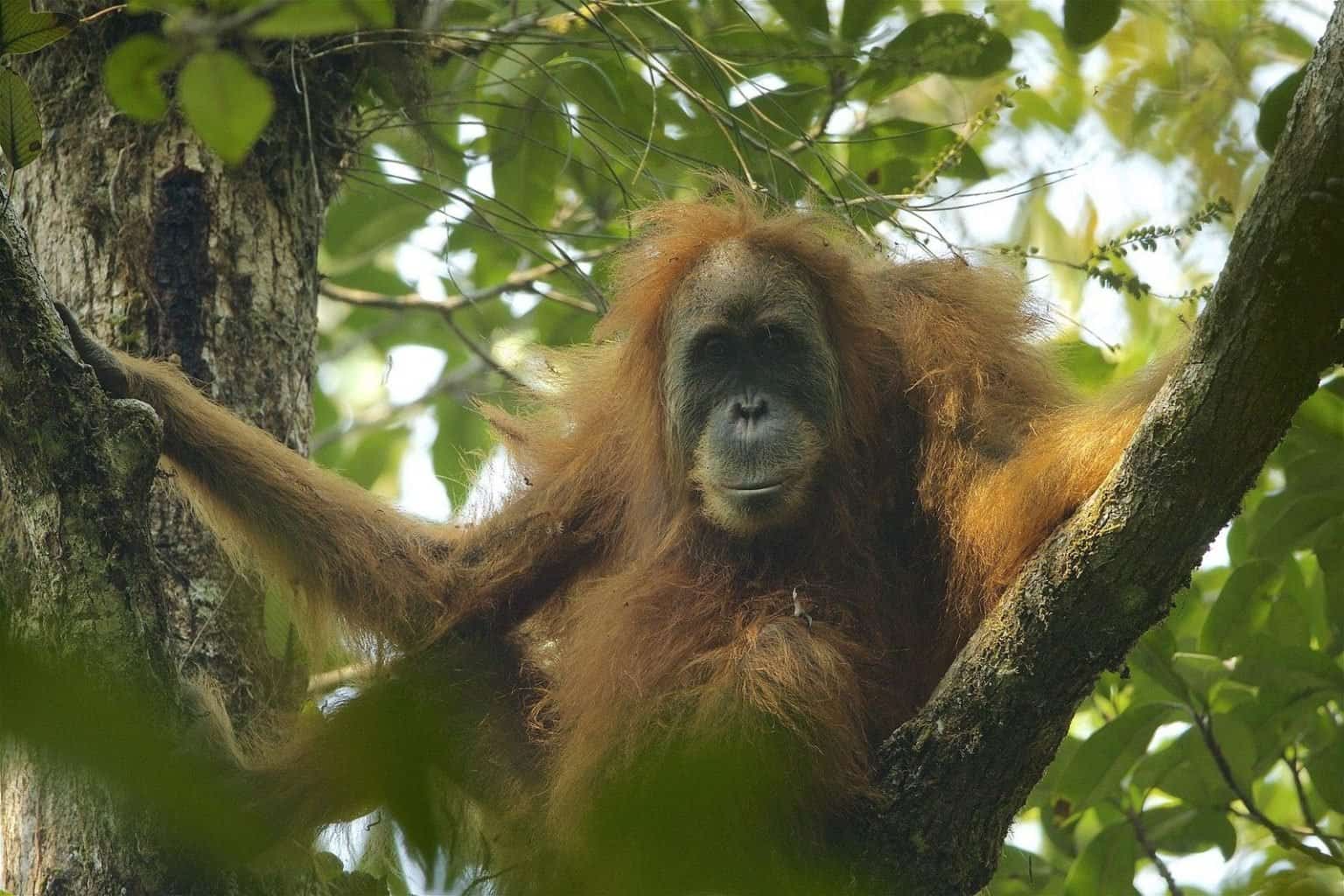
Indonesia is home to all three species of orangutan: Bornean, Sumatran, and the recently identified Tapanuli Orangutan (Pongo tapanuliensis). The Tapanuli orangutan, restricted to the Batang Toru forest in North Sumatra, is particularly vulnerable. In 2026, conservationists are working to prevent the fragmentation of their habitat caused by infrastructure projects, emphasizing that the loss of even a small forest corridor could lead to the extinction of this entire species.
The Komodo Dragon and Island Endemism
The Komodo Dragon (Varanus komodoensis), the world's largest lizard, is currently listed as Endangered. While their population within Komodo National Park remains relatively stable at approximately 3,300 individuals, the primary threat in 2026 is climate change. Rising sea levels are projected to reduce the available coastal habitat on the smaller islands, forcing a re-evaluation of the park's boundaries and the establishment of "buffer zones" on larger islands like Flores.
Marine Biodiversity and the Coral Triangle
Indonesian wildlife diversity and conservation extend far beneath the waves. Indonesia is the heart of the Coral Triangle, a region that contains 76% of the world's coral species and more than 3,000 species of fish.
Conservation in 2026 has moved toward a "Blue Economy" model, where Marine Protected Areas (MPAs) are managed not just for ecological health but for sustainable artisanal fishing. The Raja Ampat archipelago in West Papua continues to be a global success story, demonstrating that community-led "no-take zones" can lead to the recovery of shark populations and coral resilience. However, marine heatwaves and plastic pollution remain persistent threats that require international cooperation beyond Indonesia's borders.
Primary Threats to Indonesian Biodiversity in 2026
Despite rigorous legal frameworks, several systemic issues continue to challenge conservation efforts:
- Deforestation and Land Conversion: While the rate of primary forest loss has slowed compared to previous decades, the conversion of land for palm oil, pulp and paper, and nickel mining (driven by the global demand for EV batteries) remains a primary driver of habitat fragmentation.
- Illegal Wildlife Trade: Indonesia remains a source, transit, and destination country for the illegal trade in exotic birds, pangolins, and tiger parts. In 2026, online platforms are the main battleground, where wildlife is sold through encrypted messaging apps.
- Human-Wildlife Conflict: As forests are converted into plantations, animals like the Sumatran Elephant are forced into human settlements. This leads to crop destruction and retaliatory killings. Conservationists are now deploying "GPS collars" on herd leaders to provide early warnings to farmers via mobile alerts.
- Climate Change: From the bleaching of corals to the drying of peatlands (which increases the risk of catastrophic forest fires), climate change acts as a "threat multiplier" for already vulnerable species.
2026 Conservation Strategies and Legislative Frameworks
The Indonesian government, through the Ministry of Environment and Forestry (KLHK), has implemented several key initiatives to address these threats.
Indonesia’s FOLU Net Sink 2030
Under this plan, Indonesia aims to ensure that its forest and land use (FOLU) sector becomes a net carbon sink by 2030. In 2026, this involves massive reforestation projects and the protection of "High Conservation Value" (HCV) forests within private concessions. This policy directly benefits wildlife by preserving the canopy cover required by arboreal species.
Legislative Enforcement: Law No. 5 of 1990
The bedrock of Indonesian conservation is Law No. 5 of 1990 concerning the Conservation of Living Natural Resources and their Ecosystems. Efforts to amend this law in 2026 have focused on increasing the severity of penalties for poachers and wildlife traffickers, ensuring that the cost of illegal activity outweighs the potential profit.
The Role of Technology in 2026
Conservation in 2026 is increasingly digital. Drones equipped with LiDAR (Light Detection and Ranging) are used to map illegal logging in remote areas of Kalimantan. Furthermore, DNA barcoding is now used by Indonesian customs officials to quickly identify confiscated bushmeat or processed wildlife products at major ports like Tanjung Priok.
Comparison of Key Indonesian Species Status (2026 Data)
The following table provides a snapshot of the conservation status and primary habitats for Indonesia's most critical species based on 2026 assessments.
| Common Name | Scientific Name | IUCN Status (2026) | Primary Habitat | Main Threat |
|---|---|---|---|---|
| Sumatran Tiger | Panthera tigris sumatrae | Critically Endangered | Sumatran Rainforest | Poaching & Snares |
| Javan Rhino | Rhinoceros sondaicus | Critically Endangered | Ujung Kulon National Park | Genetic Bottleneck |
| Tapanuli Orangutan | Pongo tapanuliensis | Critically Endangered | Batang Toru Forest | Habitat Loss |
| Komodo Dragon | Varanus komodoensis | Endangered | Komodo & Flores | Sea Level Rise |
| Sumatran Elephant | Elephas maximus sumatranus | Critically Endangered | Lowland Forests | Human Conflict |
| Maleo Bird | Macrocephalon maleo | Critically Endangered | Sulawesi (Beaches/Forests) | Egg Poaching |
Practical Actions for Wildlife Preservation
For individuals looking to support Indonesian wildlife diversity and conservation, the path forward involves both direct and indirect action.
- Responsible Ecotourism: Visit National Parks such as Tanjung Puting or Gunung Leuser using licensed local guides. Your park fees contribute directly to the salaries of rangers and forest guards.
- Consumer Choices: Support products that are certified by the Roundtable on Sustainable Palm Oil (RSPO) or the Forest Stewardship Council (FSC). In 2026, traceability in supply chains is higher than ever, making it easier to avoid products linked to deforestation.
- Support Local NGOs: Organizations like the Sumatran Orangutan Conservation Programme (SOCP) and the Borneo Orangutan Survival (BOS) Foundation perform critical "frontline" work, including animal rescue and rehabilitation.
Frequently Asked Questions
What is the rarest animal in Indonesia as of 2026?
The Javan Rhino is widely considered the rarest, with a stable but extremely small population of approximately 75-80 individuals restricted to a single location: Ujung Kulon National Park in West Java. Because they exist in only one site, they are highly vulnerable to natural disasters like volcanic eruptions or tsunamis.
Why is the Tapanuli Orangutan more at risk than other orangutans?
Unlike the Bornean or Sumatran orangutans, the Tapanuli species has a total population of fewer than 800 individuals. They are confined to an area of less than 1,000 square kilometers. Their low genetic diversity and the encroachment of mining and hydroelectric projects make their survival precarious.
How does the Indonesian government protect marine wildlife?
Indonesia has established over 28 million hectares of Marine Protected Areas (MPAs). In these zones, destructive fishing practices like blast fishing (using explosives) and cyanide fishing are strictly prohibited. The government also works with CITES (Convention on International Trade in Endangered Species) to regulate the export of sharks and rays.
Can tourists participate in conservation activities?
Yes, many programs allow for "voluntourism," such as sea turtle hatchling releases in Bali or reforestation planting in Kalimantan. However, it is vital to verify that these programs are ethical and do not involve direct contact with wild animals that are intended for release back into the forest.
Is palm oil still the biggest threat to wildlife in 2026?
While it remains a major factor, the industry has seen significant reform. In 2026, the focus has shifted toward "yield intensification" (producing more oil on existing land) rather than clearing new forests. The larger emerging threat is the expansion of mining for minerals essential to the "green energy" transition, which often occurs in biodiverse rainforests.
Summary and Next Steps
Indonesian wildlife diversity and conservation represent a high-stakes battle between economic development and biological preservation. While the challenges of 2026—ranging from climate change to habitat fragmentation—are significant, the integration of local community wisdom with high-tech monitoring provides a viable path forward. To make a meaningful impact, stakeholders must prioritize the protection of existing "wildlife corridors" and support the enforcement of environmental laws. For those looking to get involved, the next step is to research and support verified Indonesian conservation organizations that emphasize habitat restoration and community-based protection.
Image Gallery