Who Directed Elf? The Story Behind Jon Favreau’s Holiday Classic
The 2003 holiday masterpiece Elf was directed by Jon Favreau. Known today as a titan of the Marvel Cinematic Universe and the creator of The Mandalorian, Favreau was a relatively new director at the time, utilizing a blend of practical...
The 2003 holiday masterpiece Elf was directed by Jon Favreau. Known today as a titan of the Marvel Cinematic Universe and the creator of The Mandalorian, Favreau was a relatively new director at the time, utilizing a blend of practical effects and heartfelt storytelling to turn the Will Ferrell vehicle into a perennial Christmas staple.
Contents
The Visionary Behind the Camera: Jon Favreau’s Early Career
Before he became a household name for launching the MCU with Iron Man, Jon Favreau was primarily recognized as an indie filmmaker and actor. He first gained significant attention for writing and starring in the 1996 cult classic Swingers, which he followed up with his directorial debut, Made (2001). When he signed on to direct Elf, it represented a significant shift in his career trajectory. At the time, Favreau was not the obvious choice for a big-budget, family-friendly Christmas comedy.
However, his unique perspective was exactly what the project needed. Favreau saw Elf not just as a slapstick comedy, but as a "love letter" to the Christmas specials of his youth. Specifically, he drew heavy inspiration from the Rankin/Bass stop-motion animations, such as Rudolph the Red-Nosed Reindeer (1964). This aesthetic choice informed everything from the costume design to the color palette of the North Pole sets, ensuring the film felt timeless rather than tied to the early 2000s.
As of 2026, looking back at Favreau’s filmography, Elf remains a pivotal moment. It proved that he could handle large-scale productions and navigate the complexities of visual effects while maintaining a character-driven narrative. His success with Elf provided the industry confidence required to eventually hand him the reins of massive franchises.
Shaping Buddy the Elf: The Collaboration Between Favreau and Ferrell
The success of Elf is inextricably linked to the performance of Will Ferrell, but it was Favreau’s direction that channeled Ferrell’s high-energy improvisation into a cohesive character. When Ferrell was cast as Buddy, he was coming off a successful run on Saturday Night Live and was looking for a breakout film role. Favreau encouraged Ferrell to play Buddy with a sense of "innocent enthusiasm" rather than cynicism.
Favreau’s directorial style on set involved a significant amount of "guerrilla filmmaking," particularly during the scenes filmed in New York City. For many of the shots of Buddy interacting with pedestrians, Favreau and Ferrell took a small crew out into the streets with no extras—only real New Yorkers. This led to authentic reactions from bystanders that couldn't have been scripted, such as the famous scene where Buddy is mesmerized by a revolving door or when he tries to hail a taxi.
Furthermore, Favreau’s decision to cast James Caan as Walter Hobbs, Buddy’s cynical father, was a stroke of genius. Caan, known for his tough-guy roles in films like The Godfather, provided the perfect "straight man" foil to Ferrell’s absurdity. Favreau reportedly told Caan not to try to be funny, but rather to react to Ferrell with genuine annoyance, which heightened the comedic tension of the film.
The Visual Language of Elf: Why it Feels Like a Classic
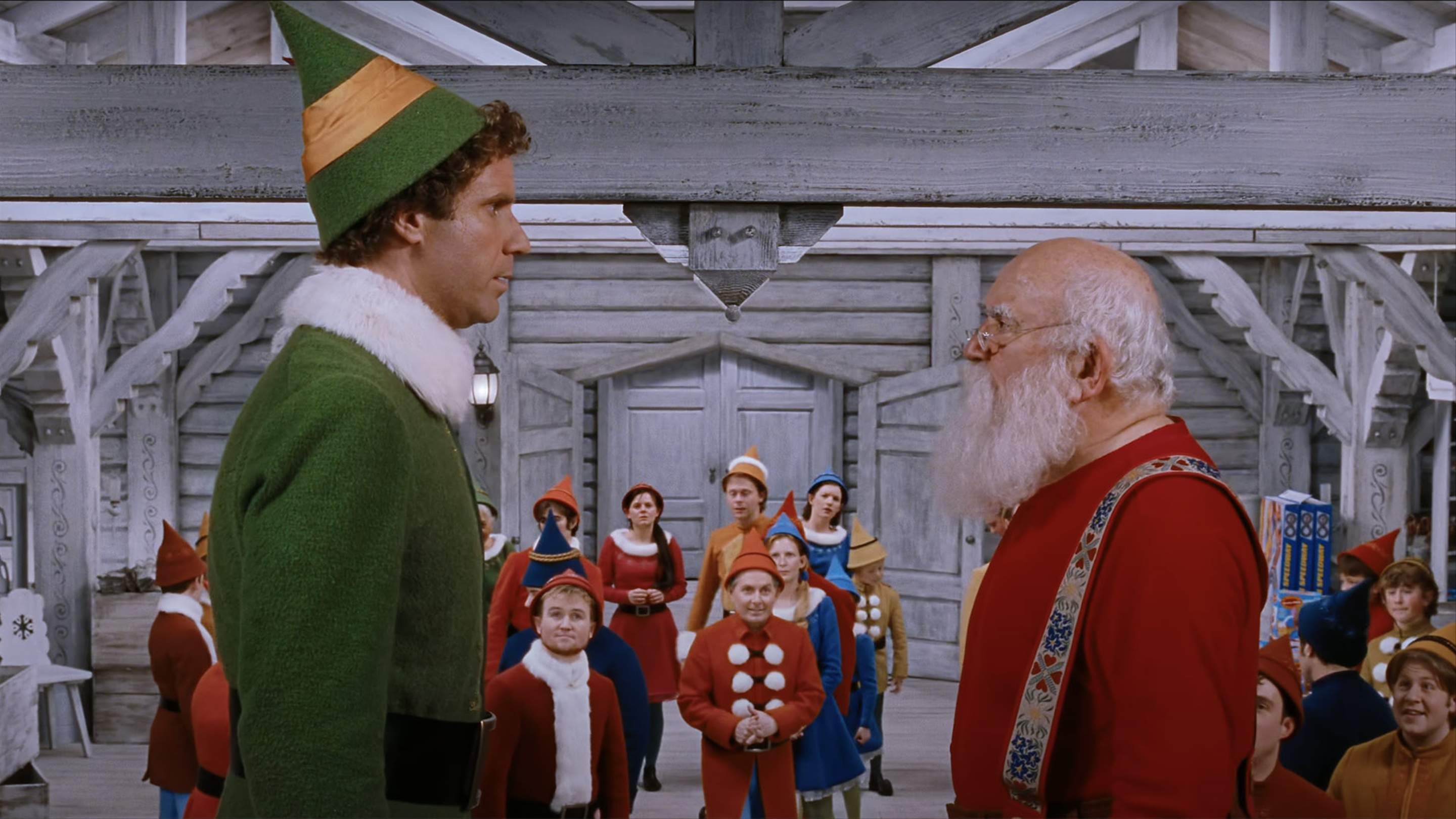
One of the most impressive aspects of Jon Favreau’s direction in Elf is his commitment to practical effects. In an era where CGI was becoming the default for fantasy elements, Favreau insisted on using forced perspective to make Buddy look like a giant among the elves.
Forced Perspective vs. Digital Effects
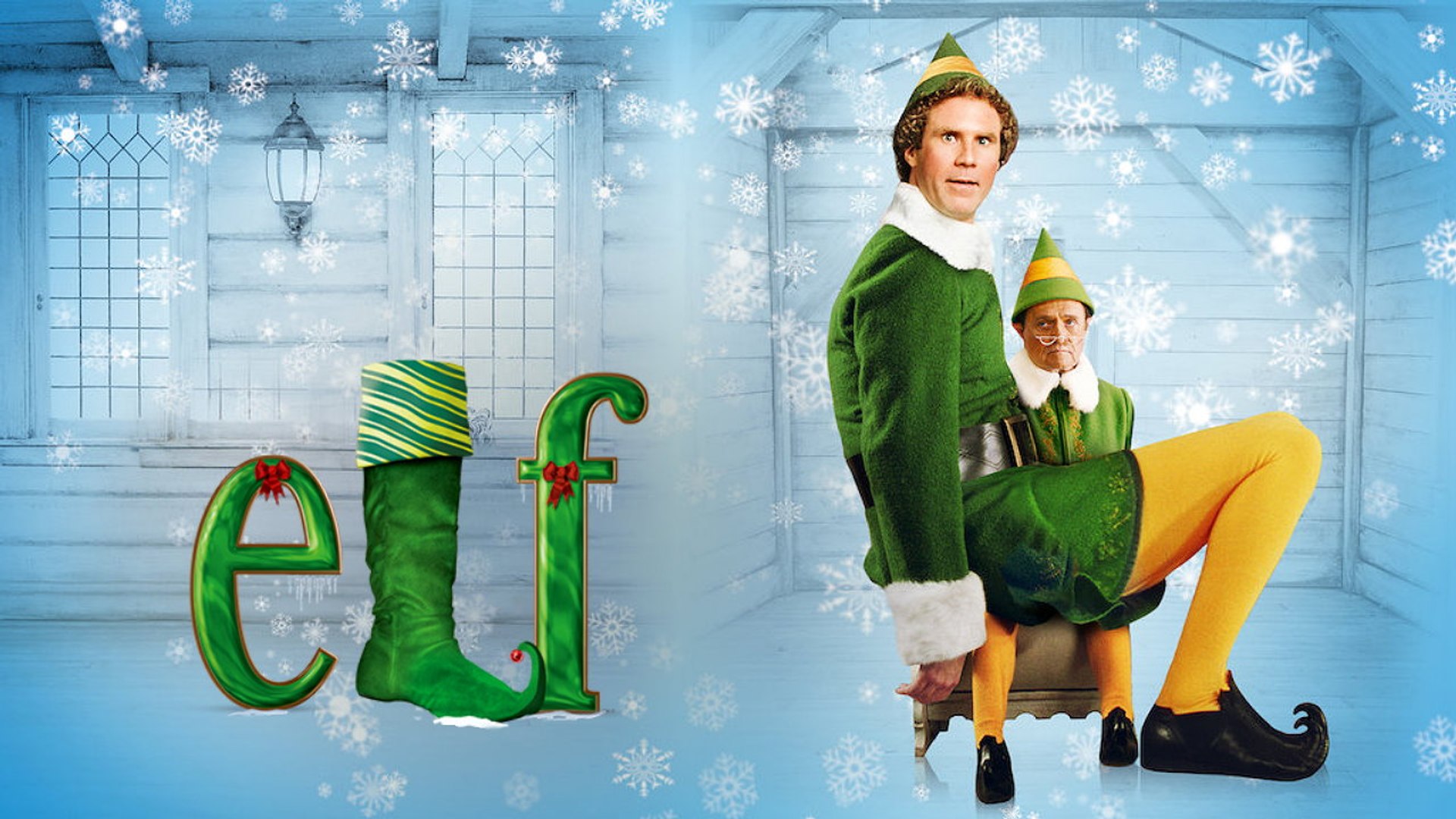
Forced perspective is an optical illusion used to make objects appear farther away, closer, larger, or smaller than they actually are. In the North Pole scenes, the sets were built on different levels. Will Ferrell would be placed much closer to the camera on a platform, while the actors playing the elves were positioned further back. When viewed through the lens, they appeared to be standing side-by-side, with Buddy towering over his peers.
This technique required meticulous planning and absolute precision in camera placement. Favreau chose this over CGI because he felt that digital effects would date the film quickly and strip away the "handmade" feel of the Rankin/Bass aesthetic he was trying to emulate. This dedication to craftsmanship is a hallmark of Favreau’s work, later seen in his "Virtual Production" techniques for The Lion King and The Mandalorian.
Production Design and Costume
The production design, led by Joe Hutshing and Rusty Smith, mirrored the 1960s stop-motion style. The bright primary colors of Buddy’s outfit—the forest green tunic and yellow tights—were designed to clash intentionally with the drab, grey, and brown palette of corporate New York. This visual contrast reinforced the central theme of the movie: the struggle to maintain innocence and "Christmas cheer" in a cynical world.
| Production Element | Detail |
|---|---|
| Director | Jon Favreau |
| Screenwriter | David Berenbaum |
| Primary Technique | Forced Perspective / Practical Effects |
| Filming Locations | Vancouver (Sets), New York City (Exterior) |
| Budget | Approximately $33 Million |
| Global Box Office | Over $220 Million |
| Release Date | November 7, 2003 |
The Script and Development History
The journey of Elf to the big screen began long before Jon Favreau was attached. The script was written by David Berenbaum in the early 1990s. At one point, the project was intended for Jim Carrey, but it languished in "development hell" for years. When Favreau finally took the helm, he worked closely with Berenbaum to refine the tone.
The original script was reportedly a bit darker and more cynical. Favreau’s influence pushed it toward a more whimsical, family-oriented direction. He wanted the film to be something that could be watched by multiple generations without feeling exclusionary. He also contributed to the world-building, such as the "Code of the Elves," which added a layer of mythology to the story.
Favreau even made a few uncredited cameos in the film. He appears as the doctor who performs the DNA test on Walter and Buddy, and he provided the voices for the narwhal and the baby walrus in the North Pole sequences. These small touches show how deeply involved he was in every facet of the production.
From North Pole to Iron Man: How Elf Changed Favreau’s Career
It is difficult to overstate how much Elf changed the trajectory of Hollywood history. Before 2003, Jon Favreau was a respected indie filmmaker. After Elf became a massive commercial and critical success, he was viewed as a director who could manage high-concept, effects-heavy blockbusters while keeping them grounded in human emotion.
This success directly led to him being hired by Marvel Studios to direct Iron Man (2008). Favreau applied many of the lessons he learned on Elf to the superhero genre, specifically the importance of casting (choosing Robert Downey Jr. was as risky as casting Will Ferrell for a lead role at the time) and the balance between spectacle and character development.
By 2026, Favreau is recognized as one of the most influential directors of the 21st century. His ability to blend cutting-edge technology with traditional storytelling began in earnest with his work on Elf. The film’s enduring popularity—streaming numbers for Elf consistently spike every December—is a testament to his directorial vision.
Frequently Asked Questions
Did Jon Favreau write Elf?
No, the screenplay for Elf was written by David Berenbaum. However, Jon Favreau performed significant uncredited rewrites and adjustments to the tone of the film during pre-production to ensure it aligned with his vision of a classic holiday special.
Was Elf filmed entirely in New York?
While many of the iconic exterior scenes were filmed on location in New York City (such as Rockefeller Center and Central Park), much of the film was shot in Vancouver, British Columbia. The North Pole sets and the interior of the Hobbs’ apartment were constructed in a converted mental health facility in Coquitlam, BC.
Who else was considered to direct Elf?
Before Jon Favreau was hired, several other directors were considered during the film's long development period. However, it was Favreau’s specific pitch to treat the film like a "live-action version of a Rankin/Bass special" that ultimately won over the producers at New Line Cinema.
Did Will Ferrell and Jon Favreau get along?
Yes, the two had a very productive professional relationship. Favreau gave Ferrell the freedom to improvise, which resulted in many of the film’s funniest moments. While there were rumors of tension on set—largely due to the grueling nature of filming in the cold and the technical demands of forced perspective—both have spoken fondly of the experience in subsequent years.
Why didn't Jon Favreau direct an Elf sequel?
Despite the film's massive success, a sequel was never made. Will Ferrell famously turned down a $29 million offer for a second film, stating that he didn't feel there was a story worth telling and didn't want to tarnish the original's legacy. Jon Favreau has generally supported this stance, preferring to move on to new creative challenges.
Final Recommendation for Fans
For those interested in the technical side of filmmaking, it is highly recommended to seek out the "Behind the Scenes" features of Elf, particularly those focusing on the forced perspective techniques. Understanding the mechanical ingenuity Jon Favreau used to bring the North Pole to life adds a layer of appreciation to every viewing. As we move further into the late 2020s, Elf remains a masterclass in how to use practical filmmaking to create a world that feels both magical and real. You can find more detailed production credits and technical data on the film's official IMDb page.
Image Gallery