The History and Evolution of the Affordable Care Act
The Affordable Care Act (ACA), signed into law in 2010, represents the most significant regulatory overhaul of the United States healthcare system since the passage of Medicare and Medicaid in 1965. Its history involves complex legisla...
The Affordable Care Act (ACA), signed into law in 2010, represents the most significant regulatory overhaul of the United States healthcare system since the passage of Medicare and Medicaid in 1965. Its history involves complex legislative maneuvering, landmark Supreme Court challenges, and an ongoing transformation of how Americans access and pay for medical insurance.
Contents
The Legislative Origins of the Affordable Care Act
The path to the Affordable Care Act, frequently referred to as "Obamacare," began in the context of a fractured healthcare landscape. By the late 2000s, millions of Americans were uninsured, and those with pre-existing conditions often faced denial of coverage or unaffordable premiums. President Barack Obama campaigned on a platform of healthcare reform, aiming to increase the number of insured Americans and reduce the overall growth of healthcare costs.
In early 2009, the 111th Congress began drafting the legislation. The process was not linear; it involved reconciling different versions of bills passed by the House of Representatives and the Senate. Because the Democrats held a supermajority in the Senate only briefly, the final version of the bill, the Patient Protection and Affordable Care Act (PPACA), had to be passed using a procedural tool known as budget reconciliation to avoid a filibuster.
On March 23, 2010, President Obama signed the PPACA into law. A secondary piece of legislation, the Health Care and Education Reconciliation Act of 2010, was passed shortly thereafter to refine the initial bill’s tax and subsidy provisions. These two laws combined constitute what is commonly known today as the Affordable Care Act.
Core Pillars of the Legislation
The ACA was designed around several key mechanisms intended to stabilize the insurance market and expand access. Understanding these pillars is essential to evaluating the act's historical impact:
- Individual Mandate: The requirement that most Americans maintain minimum essential coverage or pay a tax penalty. This was intended to ensure a balanced risk pool by encouraging healthy individuals to participate.
- Health Insurance Marketplaces: Often called "Exchanges," these platforms were established to allow individuals and small businesses to compare and purchase standardized insurance plans.
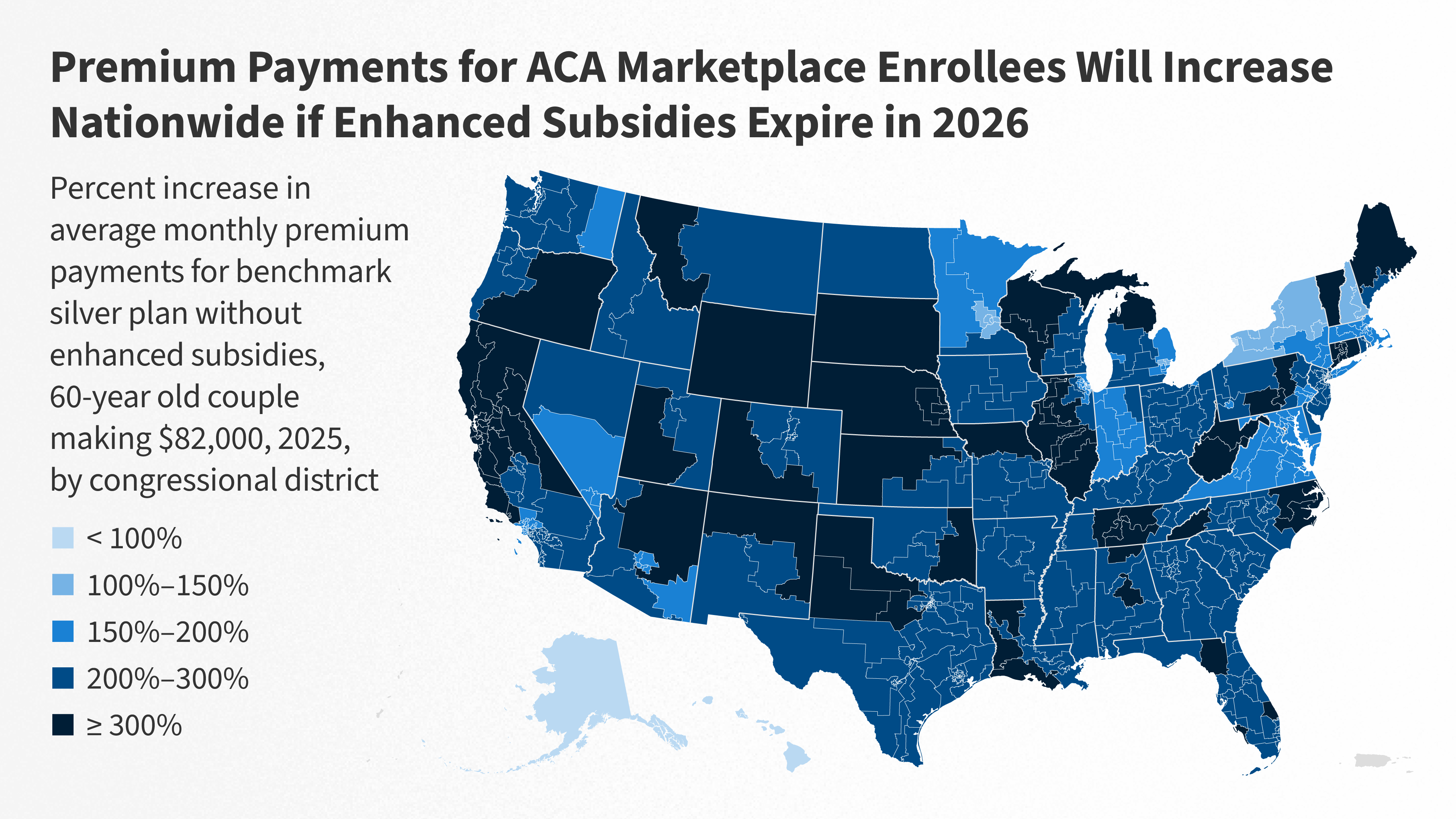
- Premium Tax Credits: Subsidies provided to households earning between 100% and 400% of the federal poverty level to lower the cost of monthly premiums.
- Medicaid Expansion: The act provided federal funding for states to expand Medicaid eligibility to nearly all adults with incomes up to 138% of the federal poverty level.
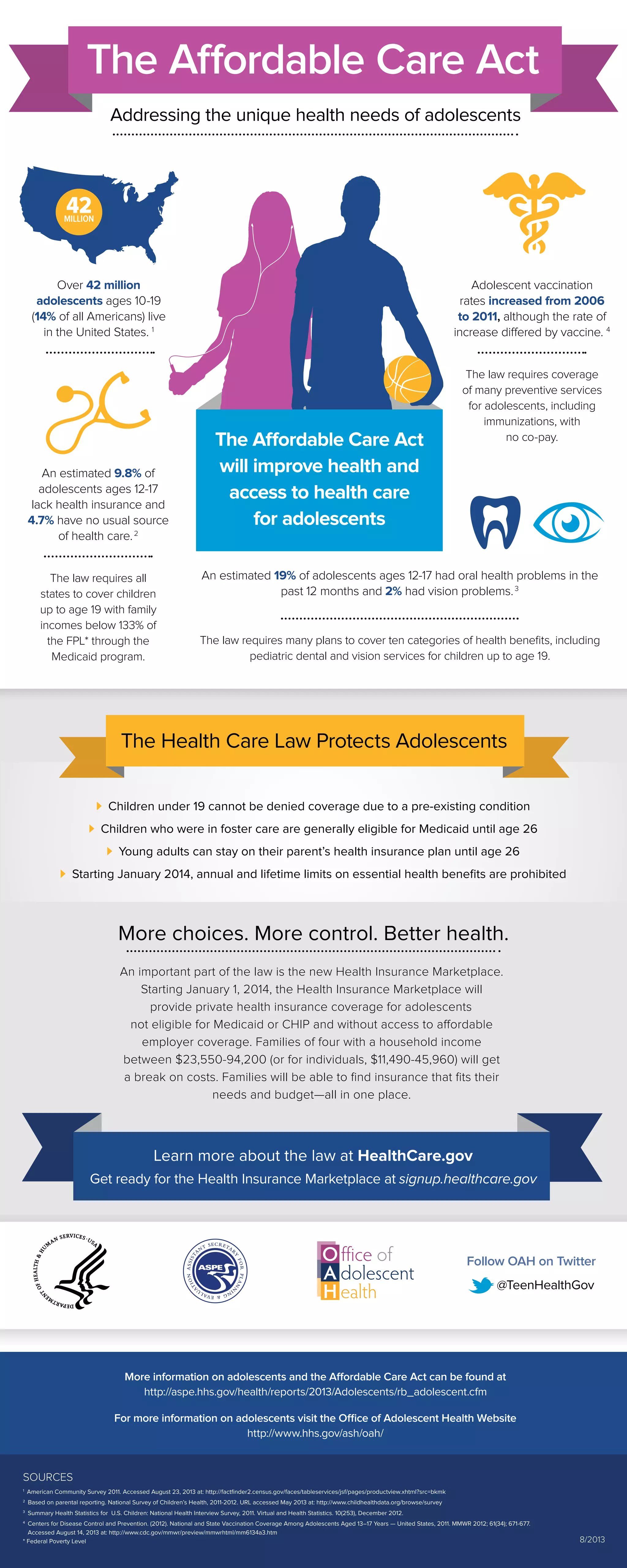
- Consumer Protections: Perhaps the most enduring legacy of the ACA, these include the prohibition of denying coverage based on pre-existing conditions, the removal of lifetime coverage limits, and the requirement that plans cover "essential health benefits."
Landmark Legal Challenges
The history of the ACA is inseparable from its presence in the federal courts. The law faced intense opposition from the moment of its inception, leading to several Supreme Court cases that determined its survival.
National Federation of Independent Business v. Sebelius (2012)
The first major challenge attacked the constitutionality of the individual mandate. The Supreme Court upheld the mandate, but under a surprising rationale: it was deemed a valid exercise of Congress's taxing power. Additionally, the Court ruled that the federal government could not coerce states into expanding Medicaid by threatening to withhold existing federal funds, effectively making Medicaid expansion optional for states.
King v. Burwell (2015)
This case challenged the legality of premium tax credits in states that used the federal exchange rather than a state-run one. The plaintiffs argued that the text of the law only authorized subsidies for plans purchased through exchanges "established by the State." The Supreme Court ruled in favor of the government, interpreting the law to allow subsidies regardless of whether the exchange was state or federally operated, thereby preserving coverage for millions of Americans.
California v. Texas (2021)
Following the 2017 Tax Cuts and Jobs Act, which reduced the individual mandate penalty to zero, opponents argued that the entire ACA was unconstitutional because the mandate was no longer a valid tax. The Supreme Court dismissed the case on procedural grounds, ruling that the plaintiffs lacked standing to sue, thereby leaving the ACA intact.
Comparison of Coverage Models and Market Impacts
The following table summarizes how the ACA shifted the insurance landscape compared to the pre-2010 era.
| Feature | Pre-ACA (Before 2010) | Post-ACA (2010–Present) |
|---|---|---|
| Pre-existing Conditions | Often excluded or subject to rate hikes | Guaranteed issue; no rating adjustments |
| Lifetime Limits | Common in many private plans | Prohibited for essential health benefits |
| Young Adults | Dropped from parents' plans at 18/22 | Allowed to stay on parents' plans until 26 |
| Eligibility | Highly variable; often employment-based | Expanded via subsidies and Medicaid |
| Essential Benefits | Optional; plans could exclude maternity/mental health | Required coverage for 10 essential categories |
The Role of Essential Health Benefits
A critical component of the ACA's history is the standardization of what an "insurance plan" must cover. Before the act, many individual market plans were "skinny" policies that offered catastrophic protection but excluded services like prescription drugs, mental health, or maternity care.
The ACA mandated that all non-grandfathered plans cover ten essential health benefit categories. This requirement ensures that consumers are not left with unexpected medical debt for common treatments. By shifting the focus to comprehensive coverage, the law fundamentally changed the actuarial math for insurers, who had to adjust their risk modeling to account for a more protected, and often more utilization-heavy, patient population.
Current Status and Ongoing Adjustments (2026)
As of 2026, the Affordable Care Act remains the primary framework for the U.S. individual health insurance market. The landscape continues to evolve through administrative updates and temporary policy enhancements.
While the "individual mandate" penalty remains at zero dollars, the requirement to have insurance persists in the legal text. Meanwhile, the expansion of premium tax credits—initially broadened by pandemic-era legislation and maintained through subsequent policy decisions—continues to keep marketplace premiums manageable for a vast segment of the population.
States remain in the driver's seat regarding Medicaid, with a clear divide between those that have expanded their programs and those that have not. This fragmented implementation has created a "coverage gap" in non-expansion states, where individuals earn too much for traditional Medicaid but too little to qualify for meaningful ACA subsidies.
Frequently Asked Questions
Does the Affordable Care Act still exist in 2026? Yes. Despite numerous legislative and judicial challenges, the Affordable Care Act remains the governing law for the individual health insurance market, providing subsidies and consumer protections for millions of Americans.
Can an insurance company deny me coverage due to a pre-existing condition? No. Under the ACA, insurance companies are prohibited from denying coverage, charging higher premiums, or excluding services based on your medical history or pre-existing conditions.
What are the "Essential Health Benefits" mandated by the ACA? These are ten categories of services that every qualified plan must cover, including outpatient care, emergency services, hospitalization, maternity and newborn care, mental health and addiction services, prescription drugs, rehabilitative services, laboratory services, preventative care, and pediatric services.
How do I qualify for financial assistance under the ACA? Financial assistance is primarily available through premium tax credits for individuals purchasing plans on the Marketplace who earn between 100% and 400% of the federal poverty level, with some exceptions for those with lower or higher incomes depending on current policy guidelines.
Is it still mandatory to have health insurance? While the federal tax penalty for not having insurance was reduced to zero in 2017, the federal requirement to maintain "minimum essential coverage" remains in the law, and some states have implemented their own individual mandates requiring residents to carry insurance.
Next Steps for Consumers
If you are navigating the current healthcare landscape, your primary action should be to visit the official federal portal at HealthCare.gov or your state's specific exchange website. Verify your eligibility for tax credits by inputting your household income and size.
For those in states that have not expanded Medicaid, consider researching local community health centers or "safety net" hospitals, which often provide care on a sliding fee scale based on ability to pay. Always review the Summary of Benefits and Coverage (SBC) document for any plan you are considering to ensure your specific medical needs—such as prescription drug tiers or provider networks—are met.
Professional insurance brokers can often assist with navigating these choices at no additional cost to you, as their commissions are typically paid by the insurance carriers. Start your enrollment search early, as specific deadlines apply outside of the standard Open Enrollment period, unless you qualify for a Special Enrollment Period due to a life event.
Image Gallery