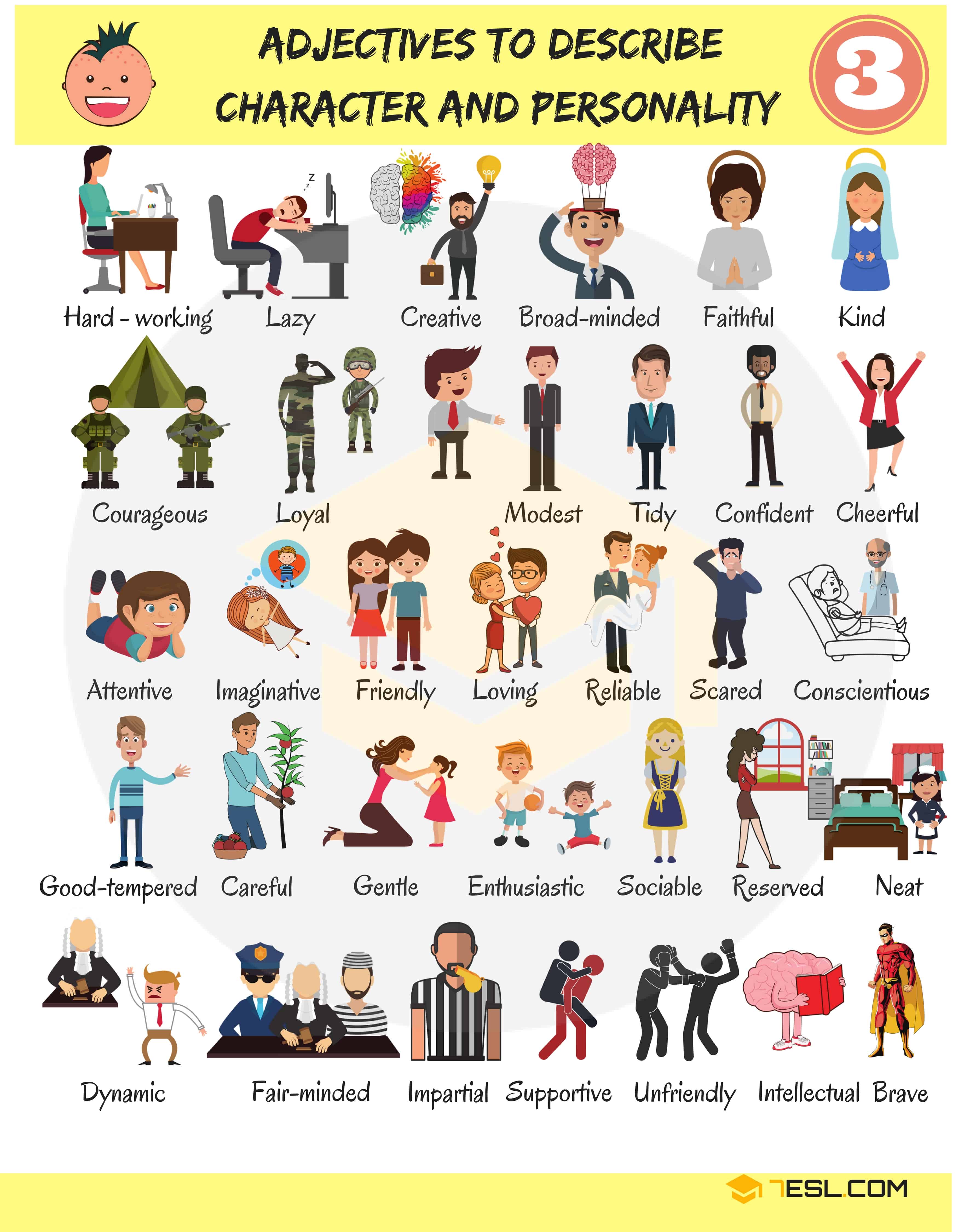
What Defines a Person Character in Fiction: The Essential Mechanics of Characterization
A fictional character is defined not by physical appearance or background lore, but by their core desires, agency, choices under pressure, and internal conflicts. True characterization emerges when a figure acts against meaningful obst...
A fictional character is defined not by physical appearance or background lore, but by their core desires, agency, choices under pressure, and internal conflicts. True characterization emerges when a figure acts against meaningful obstacles, revealing their underlying moral code, psychological flaws, distinct voice, and capacity for growth or tragedy across a narrative arc.
Contents
The Core Pillars of Fictional Characterization
In literary theory and dramatic writing, a character is far more than a name attached to descriptive adjectives. While physical traits, costumes, and backstory provide visual or context-based texture, they constitute only the outer surface of a character. The true identity of a fictional persona is constructed through psychological architecture and dramatic function.
Understanding how a character is defined requires distinguishing between characterization—the superficial traits, habits, and background details used to paint a portrait—and true character, which is revealed exclusively when a figure is forced to make difficult choices under pressure.
- Core Desire / Goal
- Obstacle & Pressure
- Choice & Agency (Reveals True Moral Character)
- Consequence & Transformation
Goal, Motivation, and Need: The Engine of Intent
Every compelling fictional character is driven by intentionality. Without clear intent, a character becomes a passive spectator rather than an active participant in the story. Narrative theory breaks this engine of intent into three distinct layers:
- The External Goal (What They Want): The tangible, specific objective the character actively pursues within the plot (e.g., solving a murder, escaping a dangerous environment, winning a political election).
- The Underlying Motivation (Why They Want It): The psychological, social, or emotional reason driving the goal (e.g., a desire for justice, a need for financial security, a pursuit of validation).
- The Internal Need (What They Must Discover): The subconscious emotional or spiritual growth required for the character to achieve true fulfillment or internal peace. The internal need frequently conflicts with the external goal.
In classical dramatic theory, such as the principles outlined in Lajos Egri’s The Art of Dramatic Writing, a character's dynamic force stems from this friction between external pursuit and internal psychological necessity. When what a character wants directly opposes what they need, narrative tension arises naturally.
Action Under Pressure: Why Choice Defines True Nature
Screenwriting theorist Robert McKee emphasizes that true character is revealed through choice under pressure. A character who claims to value honesty displays their real identity only when telling the truth carries a severe personal cost—such as losing a career, a relationship, or physical safety.
If a character faces a choice between a clear good and a clear evil, the decision is morally trivial and reveals little depth. True character definition occurs when a persona is forced to choose between:
- Two equally desirable outcomes (a dilemma of competing virtues).
- The lesser of two evils (a dilemma of moral sacrifice).
The decision made under these high-stakes conditions cuts through surface personality traits, exposing the character's genuine priorities, ethics, and values.
Flat vs. Round and Static vs. Dynamic Characters
Literary critic E.M. Forster introduced the formal framework for character complexity in his 1927 lectures published as Aspects of the Novel. Forster categorized characters along a spectrum of psychological depth, distinguishing between "flat" and "round" figures, a taxonomy that remains central to literary analysis today.
| Degree of Transformation / Complexity | Flat (Single-trait) | Round (Multi-faceted) |
|---|---|---|
| Static | Archetypes / Foils (e.g., Sherlock's Landlady) | Iconic Heroes (e.g., Sherlock Holmes) |
| Dynamic | Plot Catalyst (e.g., Static Antagonist) | Complex Protagonists (e.g., Gatsby, Hamlet, Emma) |
E.M. Forster’s Dimensionality Framework
- Flat Characters: Built around a single idea or quality. They can be summarized in a single sentence and remain predictable throughout the work. Flat characters are not inherently bad; they serve crucial structural roles in narratives by providing clarity, comic relief, or specific functional obstacles without distracting from the central arc.
- Round Characters: Possess multi-dimensional personalities, internal contradictions, and emotional complexity. They cannot be summed up in a simple phrase because their reactions depend on shifting circumstances. Forster noted that the test of a round character is their capability to surprise the reader in a convincing way.
The Dynamics of Transformation: Static vs. Dynamic
While flat versus round describes a character's depth, static versus dynamic describes a character's capacity for change:
- Dynamic Characters: Undergo a fundamental transformation in their worldview, moral perspective, or core beliefs over the course of the story. This shift can be positive (a redemption arc), negative (a corruption arc), or tragic (a downfall caused by an uncorrected flaw).
- Static Characters: Retain their foundational mindset, values, and traits from the beginning of the narrative to the end. Static characters are not necessarily flat; iconic figures such as Sherlock Holmes, Atticus Finch, or James Bond are psychologically complex (round), yet remain static across their respective stories. Instead of changing themselves, static characters often serve as catalysts who force transformation in the world or characters around them.
Structural Elements of Fictional Characterization
To systematically analyze or construct a character, writers and literary scholars evaluate several distinct structural elements. The table below illustrates how these components function, how they manifest in text, and their specific impact on narrative movement.
| Character Element | Dramatic Function | Textual Manifestation | Narrative Impact |
|---|---|---|---|
| Core Desire (Want) | Drives the forward movement of the plot. | Stated goals, deliberate actions, tactical decisions. | Establishes story stakes and main narrative trajectory. |
| Internal Wound (Ghost) | Explains psychological defense mechanisms and vulnerabilities. | Backstory reveals, triggers, defensive reactions. | Creates internal friction and emotional depth. |
| The Lie (False Belief) | Distorts the character's perception of reality or self-worth. | Misjudgments, stubborn behavior, misguided choices. | Generates interpersonal conflict and internal tension. |
| Agency | Ensures the character causes events rather than merely suffering them. | Active decision-making, proactive risk-taking. | Prevents passive plotting; anchors narrative causality. |
| Voice & Diction | Establishes unique worldview, culture, and intellect. | Vocabulary choices, sentence cadence, subtext. | Differentiates characters and conveys hidden motives. |
| Foil Contrast | Highlights specific traits by juxtaposition with another figure. | Dialogue clashes, contrasting choices in identical scenarios. | Clarifies moral and thematic boundaries. |
The Psychological Architecture: Wound, Lie, and Narrative Arc
A character's internal development is often organized around a psychological framework consisting of a past wound, a present lie, and an ultimate truth. This structure, detailed extensively by narrative theorists like K.M. Weiland, underpins most character-driven fiction.
The Lie They Believe vs. The Truth They Need
- The Origin Wound (The "Ghost"): A formative past event—often traumatic or disillusioning—that taught the character a harmful lesson about the world or themselves.
- The Lie: The flawed worldview or coping mechanism adopted to protect against experiencing that wound again. For example, a character who was abandoned in youth might internalize the Lie that "vulnerability always leads to betrayal," prompting them to push others away.
- The Truth: The objective reality the character must embrace to achieve emotional maturity, personal balance, or true fulfillment. In our example, the Truth might be that "authentic human connection requires risk and trust."
The Three Primary Character Arcs
The interaction between the Lie and the Truth determines the trajectory of the character's arc:
- Positive Change Arc: The protagonist starts believing the Lie, encounters escalating trials that expose the Lie's inadequacy, eventually rejects the Lie, and embraces the Truth to overcome the climax. Examples include Elizabeth Bennet in Jane Austen's Pride and Prejudice.
- Negative (Disillusionment or Corruption) Arc: The protagonist begins with a flawed belief and progressively degrades. They either reject the Truth when presented with it or embrace a worse Lie, leading to tragic destruction. Walter White's progression in Breaking Bad or Macbeth in Shakespeare's tragedy showcase this path.
- Flat Arc (Iconic Arc): The protagonist already understands the essential Truth at the start of the story. The narrative tests their adherence to this Truth against a corrupt or chaotic environment. The character resists external pressure to change, ultimately forcing the surrounding world to align with their moral clarity.
Expressing Character Without Heavy Exposition
A common failure in fiction occurs when an author tells the audience who a character is through narrative summaries, rather than showing character through dramatic interaction. Advanced characterization relies on indirect methods that allow readers to infer internal traits.
Dialogue as Subtext and Action
Real human beings rarely express their exact emotional state or motives directly. In dramatic writing, dialogue functions as a form of action—characters use words to manipulate, defend, persuade, hide, or probe.
- Surface Level (Text): "I don't care what you do with the money."
- Underlying Motive (Subtext): Desperate fear of looking financially vulnerable
- Dramatic Action: Rejection of assistance to protect pride
- Text: The literal words spoken on the page.
- Subtext: The unspoken thoughts, hidden desires, fears, and intentions lurking beneath the literal words.
- Cadence and Diction: A character's background, education, anxiety level, and social status are revealed naturally through their syntax, rhythm, and choice of imagery, avoiding the need for biographical infodumps.
Foil Characters and Relational Dynamics
Characters do not exist in a vacuum; they are defined in relation to one another. A foil is a character whose traits contrast directly with those of another figure—usually the protagonist—to highlight specific qualities.
For instance, in Arthur Conan Doyle's stories, Dr. John Watson's grounded, pragmatic, and emotionally empathetic nature acts as a deliberate foil to Sherlock Holmes's cold, hyper-analytical, and detached intellect. Without Watson's contrasting presence, Holmes's eccentricities would lack clear reference points for the reader.
Common Pitfalls in Character Construction
Creating realistic, compelling characters requires avoiding standard writing traps that undermine agency, believable motivation, and narrative resonance.
The Passive Protagonist
A passive protagonist allows the plot to happen to them without taking decisive action. They react to external events only when forced, making few choices that alter the narrative direction. To correct this, writers must grant the character clear goals and force them to make decisions that carry real consequences, driving the plot forward through their own agency.
Backstory Overload vs. Present Action
Writers often confuse extensive world-building biography (where a character went to school, their favorite food, their family tree) with narrative characterization. While background context can inform a character's choices, a twenty-page back-story does not compensate for a character who behaves uninterestingly in the present story. Backstory is only relevant when it directly dictates present behavior or emotional stakes.
The Infallible Character (The "Mary Sue" Trap)
Characters who lack meaningful flaws, never make significant errors in judgment, and effortlessly overcome obstacles fail to generate narrative tension. Audiences connect with struggle, vulnerability, and moral dilemmas. A character without internal friction or realistic limitations risks breaking the reader's immersion and weakening the story's overall theme.
Frequently Asked Questions
What is the primary difference between characterization and character?
Characterization refers to the outer presentation of a figure—their appearance, speech patterns, habits, and background details. True character is defined by the internal moral choices a persona makes when subjected to severe pressure or crisis.
Can a fictional character be compelling without changing?
Yes. Static characters—such as Sherlock Holmes, Atticus Finch, or Hercule Poirot—do not undergo major internal transformations, yet remain compelling due to their complex worldviews, sharp intellects, or the unwavering moral force they exert upon their environments.
How does indirect characterization work in literature?
Indirect characterization reveals a persona's identity through their actions, speech patterns, thoughts, physical reactions, and the ways other characters respond to them, rather than relying on direct narrative exposition.
Why are psychological flaws essential for believable characters?
Flaws create internal conflict, generate realistic mistakes, and provide space for narrative growth. A character without flaws lacks emotional vulnerability, reducing dramatic tension and making their ultimate triumphs feel unearned.
What role does a antagonist play in defining a protagonist?
An antagonist acts as the primary obstacle to the protagonist's goals, directly challenging the protagonist's beliefs, weaknesses, and moral code. By testing the protagonist's limits, the antagonist forces the hero to demonstrate their true character through decisive action.
Practical Application for Writers and Literary Analysis
Whether analyzing literature or crafting an original manuscript, evaluating a character requires systematically tracing their core elements across the narrative arc.
- Identify the Core Drive: Map the character's explicit external goal against their subconscious internal need. Determine where these two drives clash.
- Audit Character Agency: Examine pivotal plot turns to ensure the character's choices push the story forward, rather than relying on external coincidence or deus ex machina.
- Analyze Choice Points: Look at moments of maximum pressure in the narrative. Evaluate whether the character's choices reveal a consistent internal moral framework, a tragic flaw, or genuine personal transformation.
- Refine Voice and Subtext: Ensure dialogue reflects unique background traits, emotional defenses, and implicit motives rather than serving as plain narrative exposition.
Applying these analytical steps ensures that characters function not as artificial plot puppets, but as dynamic, organic representations of human nature operating within narrative art.
Image Gallery