Comprehensive Guide to Residential Foundation Repair Services in Plano, Texas
Residential foundation repair companies in Plano provide specialized structural stabilization services designed for the region’s expansive clay soils. These providers offer comprehensive structural inspections, slab-on-grade repair via...
Residential foundation repair companies in Plano provide specialized structural stabilization services designed for the region’s expansive clay soils. These providers offer comprehensive structural inspections, slab-on-grade repair via steel or concrete piers, crawl space stabilization, polyurethane foam injection, and preventative drainage solutions—such as French drains and root barriers—to maintain long-term residential integrity and property value.
Contents
The Geological Context of Plano Foundation Services
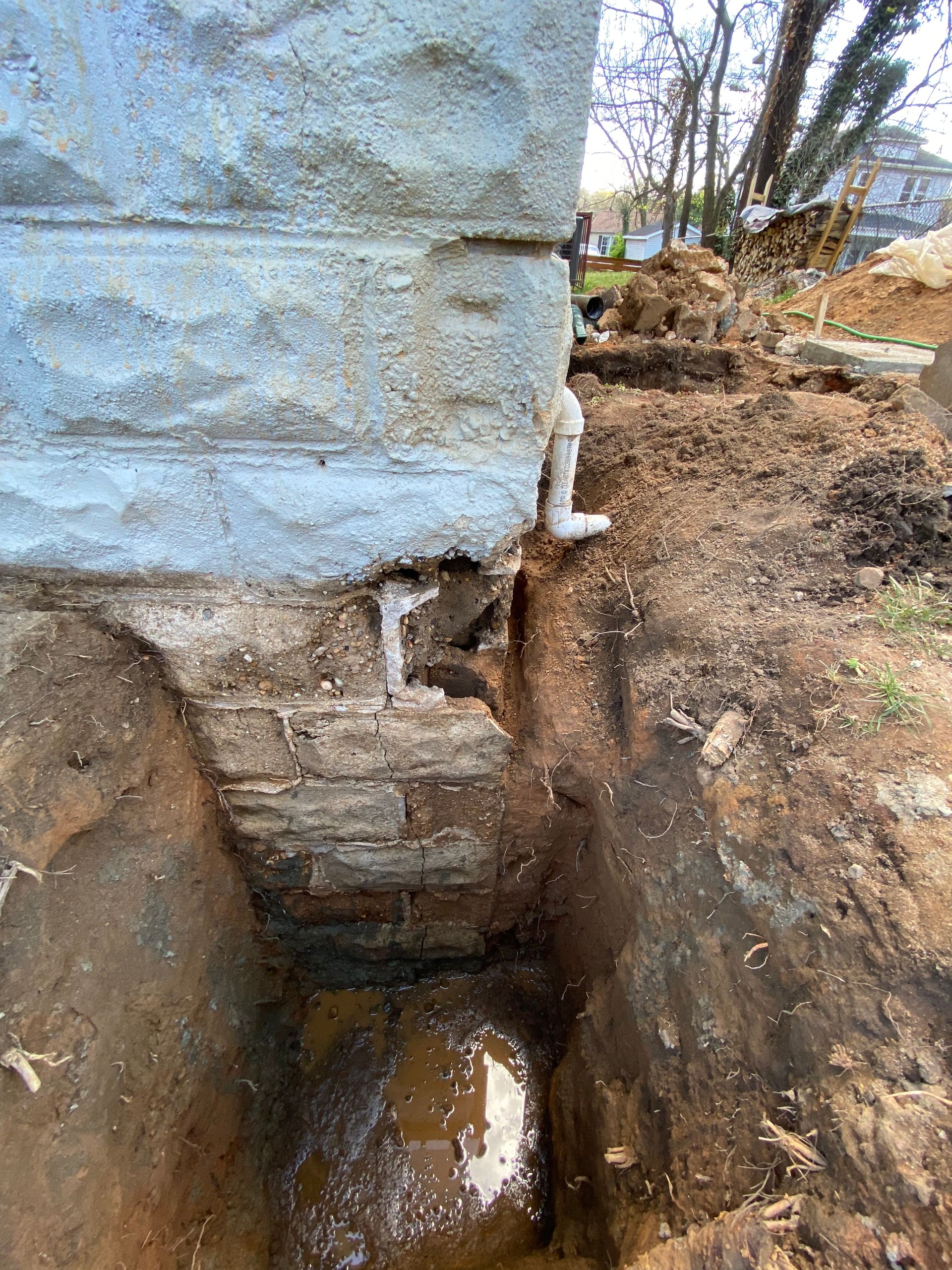
In 2026, foundation stability remains one of the most critical concerns for homeowners in Plano, Texas. The city sits atop the Eagle Ford and Taylor Marl geological formations, which are characterized by high-plasticity clay. This soil behaves like a sponge: it expands significantly when wet and shrinks drastically during North Texas’s intense summer heat. This cyclical movement, known as "shrink-swell," is the primary catalyst for the structural issues that Plano foundation repair companies are tasked with solving.
When a homeowner contacts a residential specialist, they are not just buying a construction service; they are seeking an engineered solution to mitigate the effects of Plano’s unique topography. Understanding the breadth of services provided by these companies is essential for protecting what is often a family's largest financial asset.
Professional Foundation Evaluation and Engineering Reports
The first and most critical service provided by Plano foundation companies is a professional evaluation. This process has evolved in 2026 to include high-precision digital levels and topographical mapping to determine exactly how far a slab has deviated from its original position.
Visual and Technical Assessments
Specialists look for "red flags" including stair-step cracks in exterior brickwork, doors that no longer latch, and interior drywall separations. However, a reputable Plano company goes beyond visual cues. They provide a "floor-level survey" using tools like the ZipLevel to create a contour map of the home’s current elevation.
Structural Engineer Involvement
While many companies employ in-house evaluators, the most reliable providers facilitate or require a report from a third-party Licensed Professional Engineer (P.E.). In the City of Plano, structural repairs often require a building permit, and an engineered plan ensures that the proposed repair method meets local building codes and safety standards. This separation of the "diagnosis" (the engineer) from the "treatment" (the repair company) protects the homeowner from unnecessary work.
Slab-on-Grade Stabilization Methods
Most residential properties in Plano are built on concrete slabs. When these slabs settle or "heave," companies provide several specific mechanical solutions to restore levels and provide permanent support.
Concrete Pressed Piers
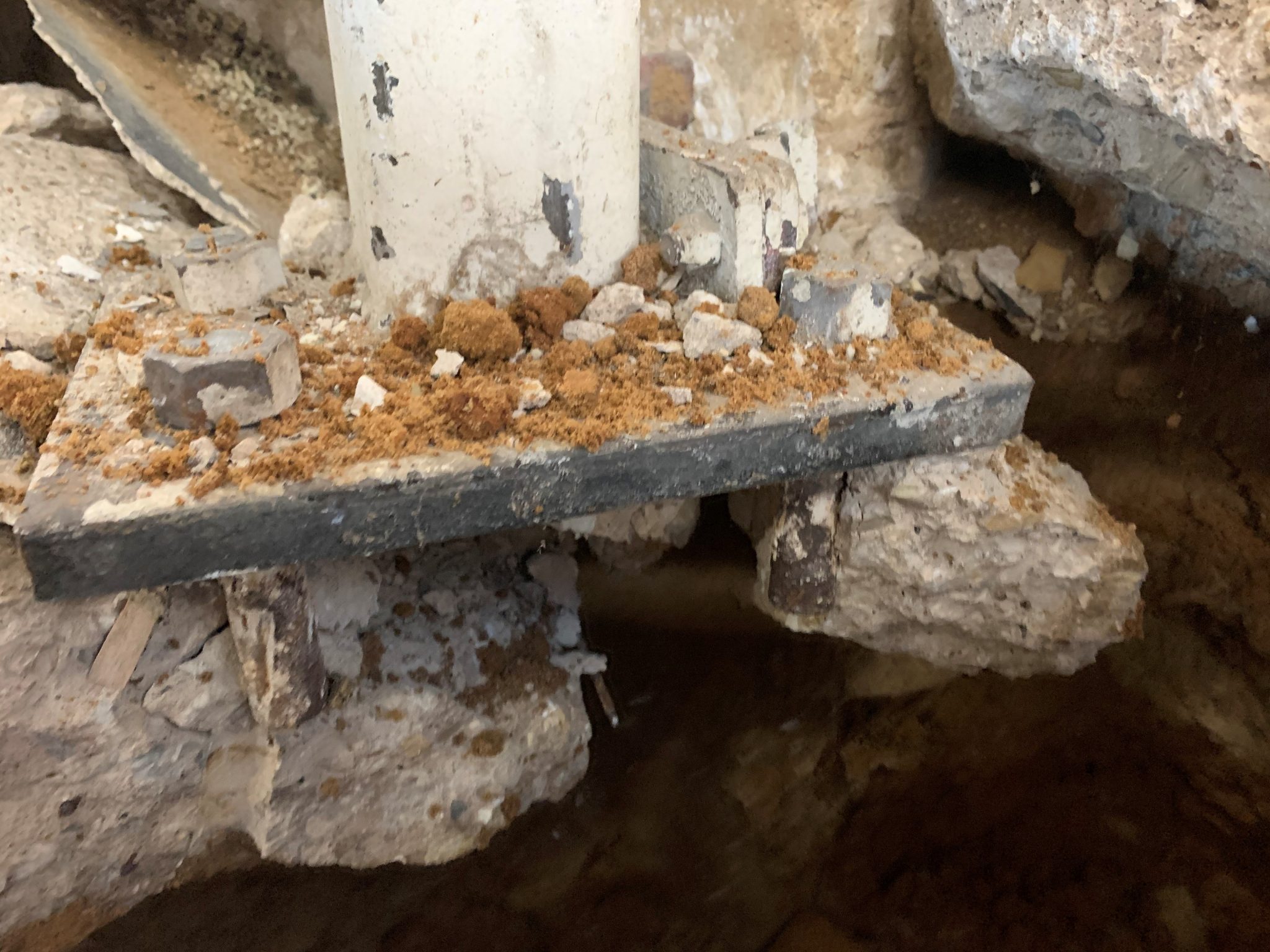
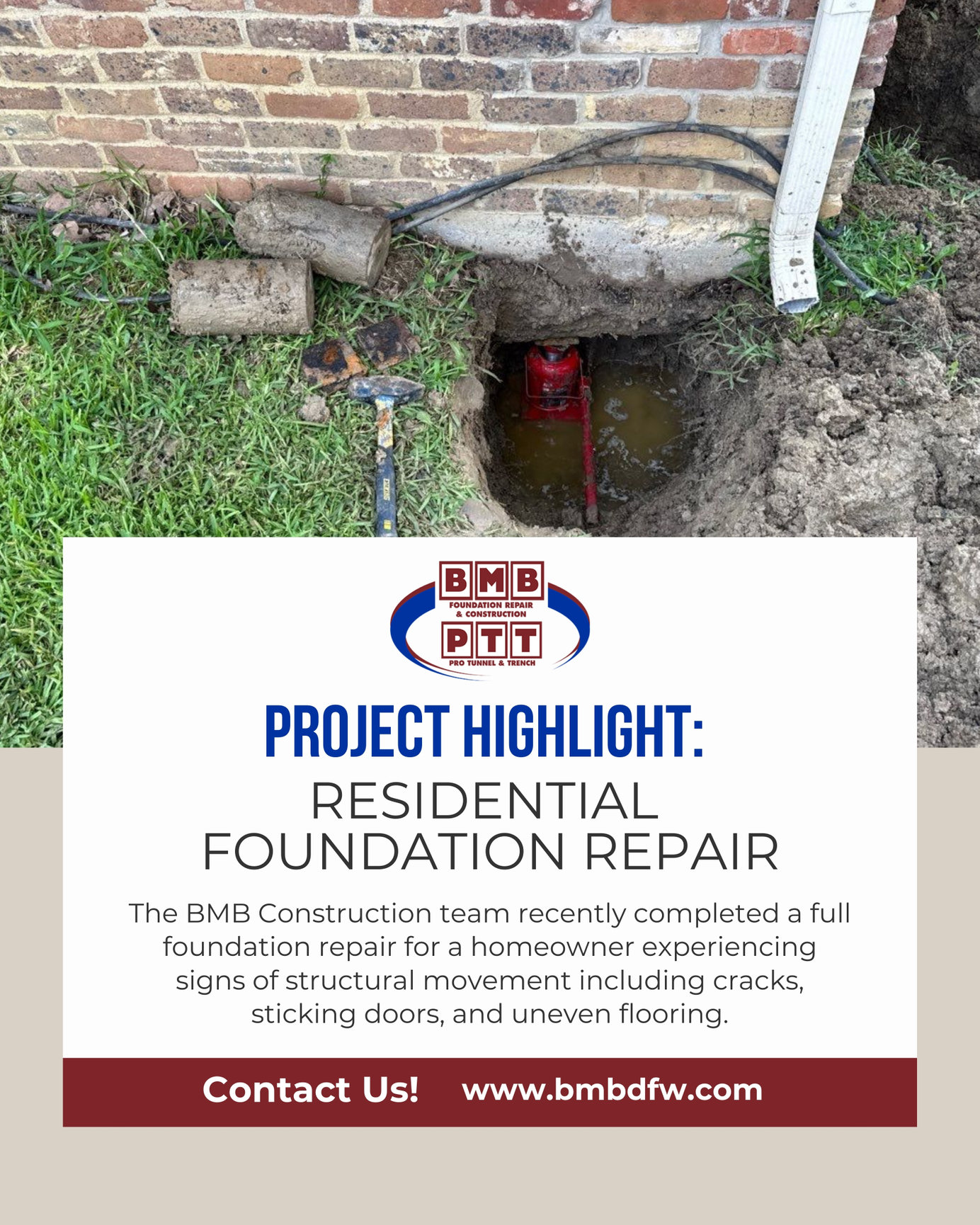
This is a common method in the North Texas region. Companies drive pre-cast concrete cylinders into the ground using the weight of the house as a hydraulic ram. These piers are driven until they reach a point of "refusal," meaning the soil resistance is greater than the force needed to lift the home.
Steel Pressed Piers
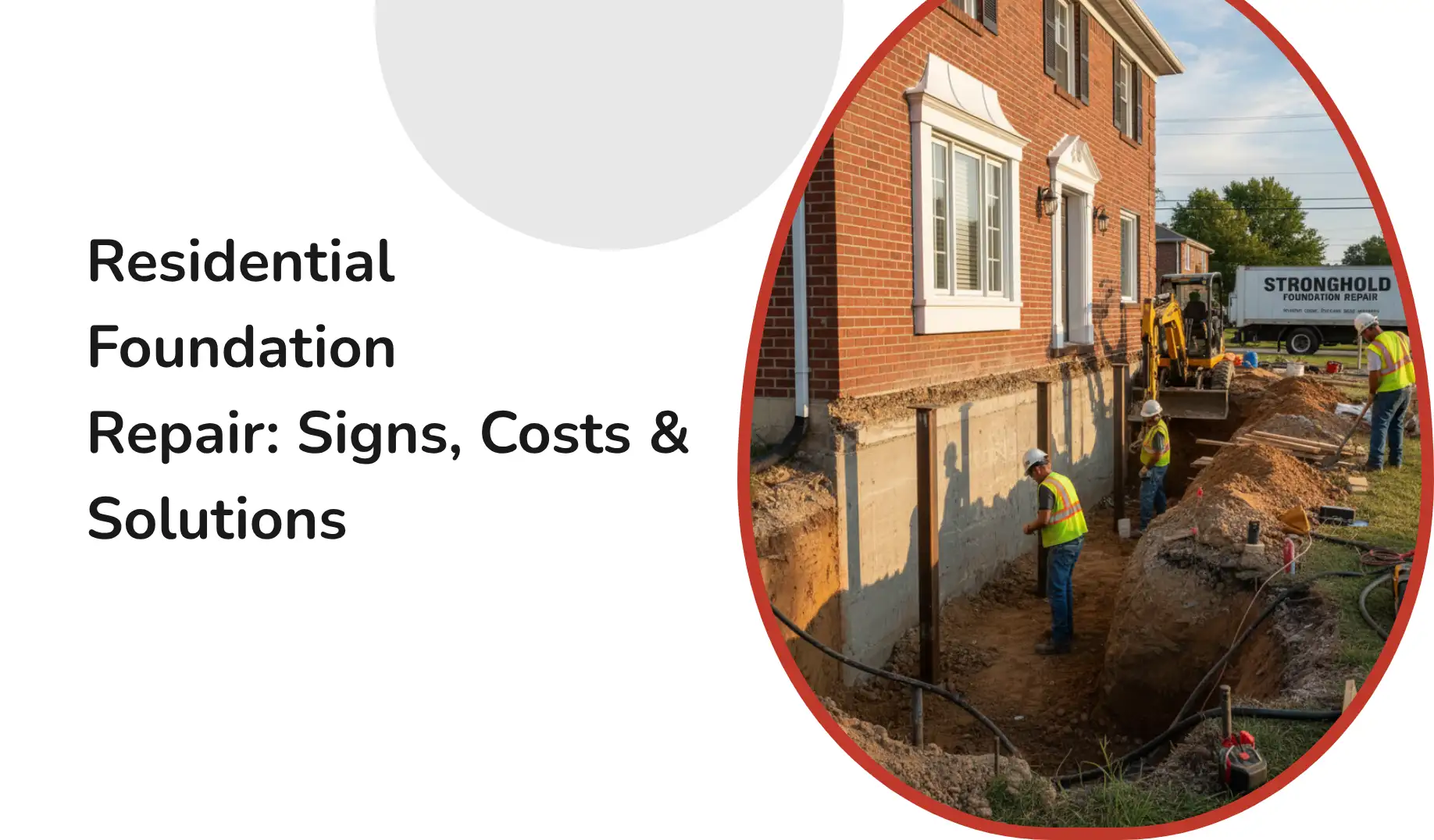
For more challenging soil profiles or heavier structures, Plano companies provide steel piering systems. Steel piers can penetrate much deeper than concrete—often reaching 30 to 70 feet to hit true load-bearing strata or bedrock. While more expensive, steel piers are frequently recommended in areas of Plano where the clay layers are particularly deep, as they offer a more permanent "end-bearing" solution rather than relying on skin friction.
Helical Piers
Helical piers, which resemble large screws, are often used for lighter structures or in areas where the soil is too unstable for traditional pressing. Companies "screw" these into the ground to a specific torque rating that correlates with the required load-bearing capacity.
Pier and Beam and Crawl Space Repairs
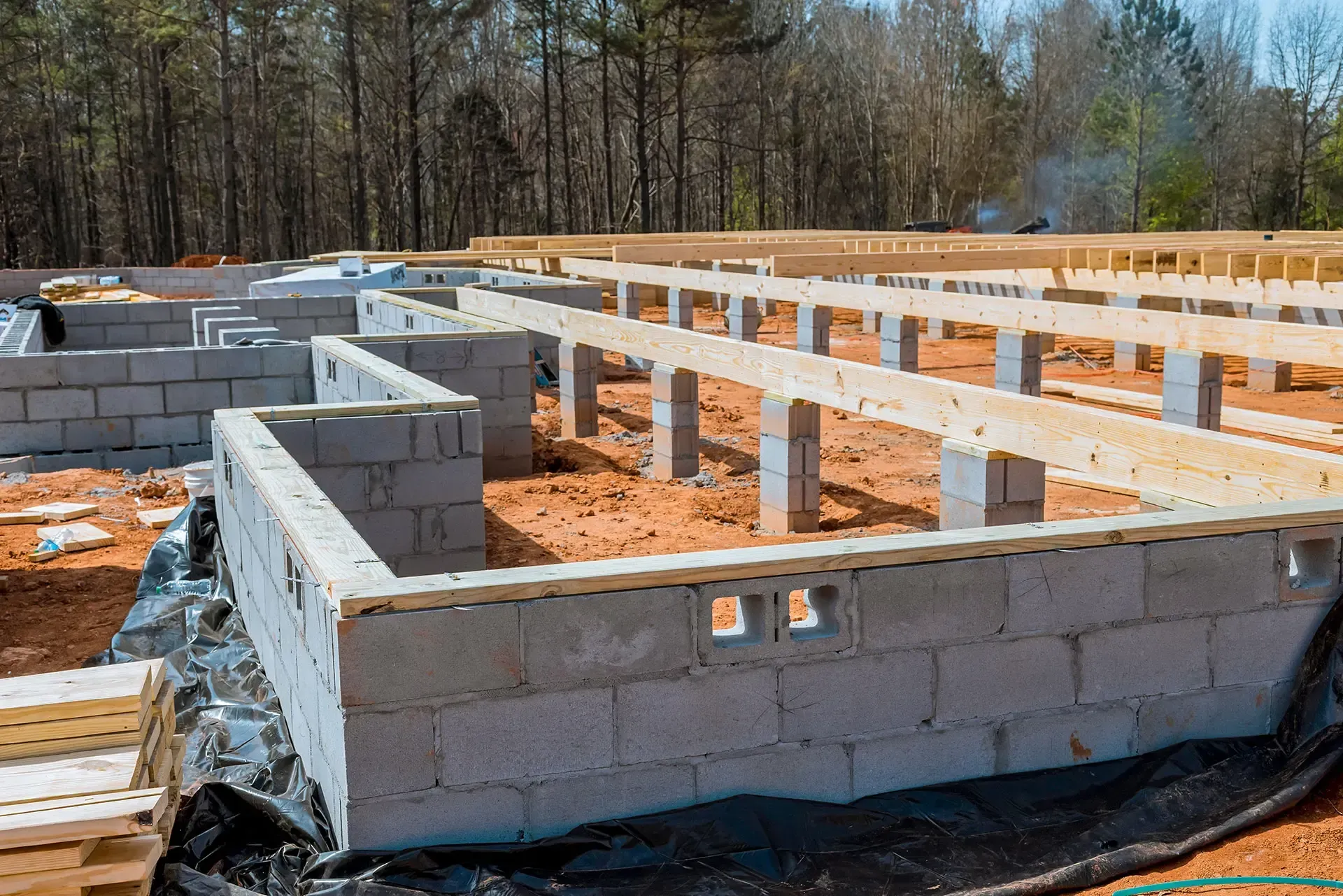
While newer Plano developments are slab-based, many older residential areas feature pier and beam foundations. Repair companies provide distinct services for these crawl space structures.
- Sill Plate Replacement: Replacing rotted or termite-damaged wood that connects the floor joists to the foundation.
- Shimming: Using small pieces of steel or hardwood to fine-tune the level of the floor joists.
- Sonotube Installation: Pouring new concrete base supports to replace old, shifting cedar posts or failing concrete blocks.
- Encapsulation: Installing moisture barriers and dehumidifiers to prevent the wood rot and mold growth common in Plano’s humid spring months.
Advanced Soil Stabilization and Lifting Techniques
Innovation in the industry has led to less invasive options for minor settlement or interior floor leveling.
Polyurethane Foam Injection (High-Density Polymer)
Often referred to as "polyjacking," this service involves drilling small holes (roughly the size of a dime) through the concrete slab. A high-density polymer is injected, which expands rapidly to fill voids and lift the concrete. Plano companies often use this for leveling garage floors, patios, and interior sections of the home where heavy mechanical piering is not feasible.
Mudjacking
A more traditional version of polyjacking, mudjacking uses a slurry of Portland cement, soil, and water to fill voids. While still provided by some Plano firms, it is increasingly being replaced by polyurethane due to the latter's lighter weight and longer-term stability in North Texas clay.
Comprehensive Drainage Management Systems
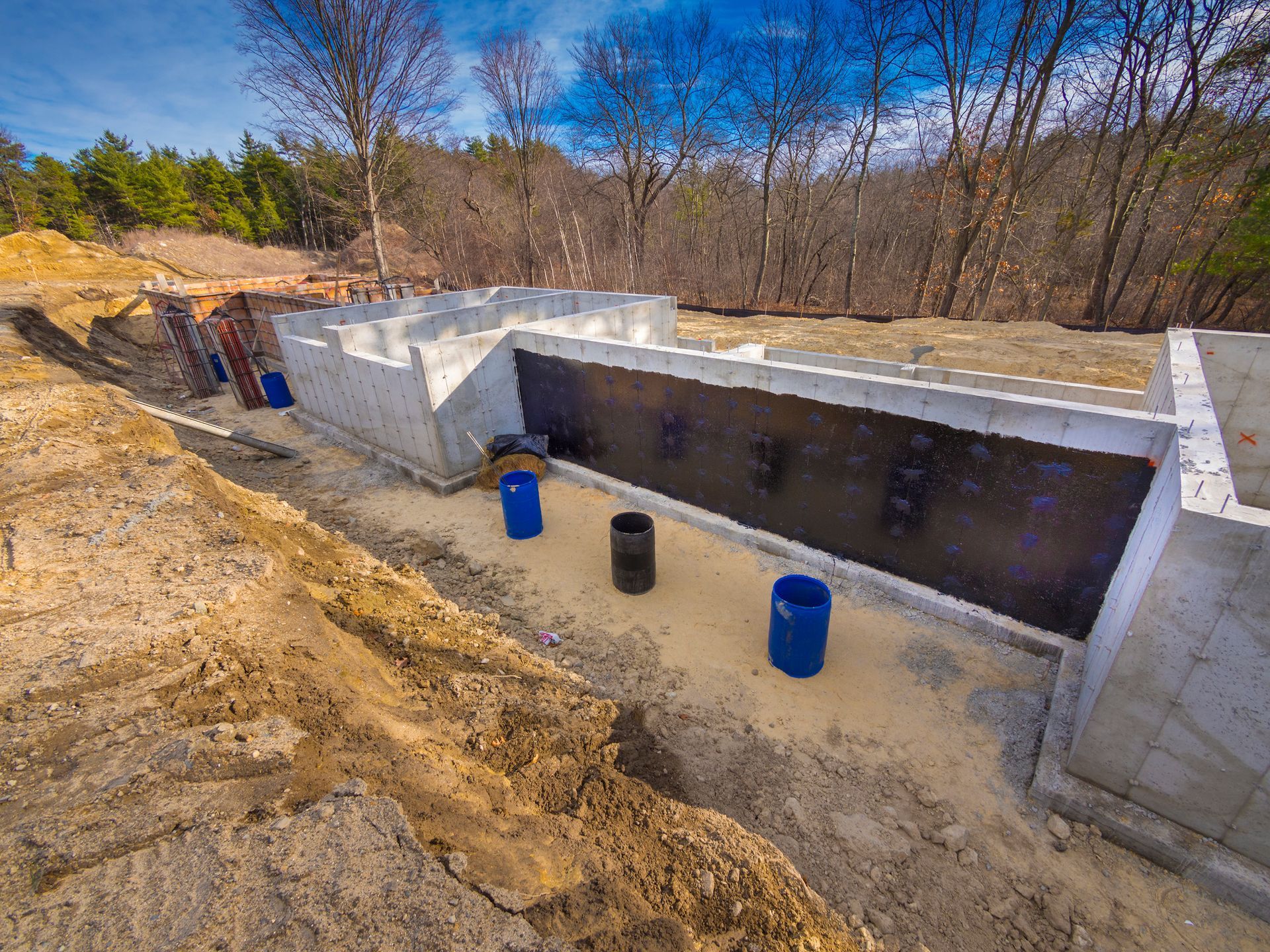
Perhaps the most overlooked service provided by Plano foundation specialists is drainage correction. Because water is the enemy of clay-based foundations, companies focus on moving water away from the perimeter of the home.
- French Drains: These involve a trench filled with gravel and a perforated pipe designed to intercept subsurface water and redirect it.
- Surface Drains and Catch Basins: These systems handle heavy rainfall, preventing water from pooling against the foundation during Texas thunderstorms.
- Root Barriers: Large trees common in Plano neighborhoods, such as Oaks and Pecans, can "drink" the water from beneath a foundation, causing localized shrinkage. Companies install physical barriers (usually plastic or metal sheets) deep into the ground to prevent roots from reaching the foundation area.
- Swales and Grading: Professionals often provide minor landscaping adjustments to ensure the soil slopes away from the home at a rate of at least 6 inches over the first 10 feet.
Comparison of Common Foundation Repair Methods in Plano
The following table compares the primary methods provided by residential companies to help homeowners understand the trade-offs in cost and durability.
| Method | Average Depth | Longevity | Best Suited For | Relative Cost |
|---|---|---|---|---|
| Concrete Pressed Piers | 12–20 Feet | High | Standard residential slabs | Moderate |
| Steel Pressed Piers | 30–75 Feet | Very High | Heavy homes / Deep clay | High |
| Polyurethane Injection | Surface/Sub-slab | Moderate | Voids, patios, interior lifting | Low to Moderate |
| Helical Piers | Variable | High | New additions, light structures | Moderate |
| French Drains | 2–4 Feet | High | Water management/Prevention | Low |
Cost Factors and Warranty Considerations
When reviewing what companies provide, the financial structure of the contract is as important as the physical work. In 2026, the average cost for foundation repair in Plano can range from $5,000 for minor stabilization to over $30,000 for full-perimeter steel piering.
Lifetime Transferable Warranties
The industry standard in Plano includes a "Lifetime Transferable Warranty." This means that if the foundation shifts again in the areas where piers were installed, the company will return to "adjust" the piers at little or no cost. It is vital to verify if the warranty is backed by a third-party trust or a warranty association, which provides protection even if the original company goes out of business.
Plumbing Tests
A unique service often bundled or required by Plano foundation firms is a post-repair hydrostatic plumbing test. Lifting a home can occasionally stress old PVC or cast-iron pipes. Companies provide or subcontract licensed plumbers to ensure that the lifting process did not cause leaks that could saturate the soil and lead to future "upheaval."
FAQs About Plano Foundation Repair Services
Does homeowners insurance cover foundation repair in Plano?
In most cases, standard homeowners insurance policies do not cover foundation repair caused by soil compaction or expansion. Coverage is typically only available if the damage was the direct result of a "covered peril," such as a major plumbing leak or a fire. Homeowners should review their specific policy for "Seepage and Slab Leak" endorsements.
How long does a typical residential foundation repair take?
For most Plano homes, the actual installation of piers takes between 2 to 5 days. Drainage projects or extensive interior piering may extend the timeline. Most companies can complete the work without the residents needing to move out, as the majority of the work is performed on the exterior of the structure.
What is the best time of year to repair a foundation in Plano?
While repairs can be done year-round, many specialists recommend performing work during a period of moderate soil moisture. Extremely dry summers or excessively wet springs can make the soil "unrepresentative" of its normal state. However, if structural damage is actively progressing (e.g., windows cracking), immediate intervention is usually recommended regardless of the season.
How can I tell if I need piers or just better drainage?
A professional evaluation is necessary to distinguish between "settlement" (needing piers) and "seasonal movement" (needing drainage and moisture maintenance). If the house returns to a level state during the rainy season but sinks during the summer, a drainage and watering strategy (using soaker hoses) may be the primary recommendation rather than expensive mechanical piers.
Is a building permit required for foundation repair in Plano?
Yes, the City of Plano requires a building permit for any structural foundation repair. Reputable companies provide the service of pulling these permits and ensuring the work is inspected by city officials or a third-party engineer to certify compliance with the International Residential Code (IRC).
Practical Recommendation for Homeowners
Before signing a contract with a foundation repair company in Plano, homeowners should obtain at least three independent evaluations. It is highly recommended to hire an independent Structural Engineer who does not sell repair services to provide an unbiased assessment. This initial investment (typically $500–$800) can save thousands by preventing the installation of unnecessary piers. Furthermore, ensure that any company chosen is a member of the Foundation Repair Association (FRA) and provides a clear, written explanation of their warranty transfer process, as this will be a critical document when it comes time to sell the property.
Image Gallery