Tracy Chevalier in 2026: Literary Legacy, Historical Fiction Impact, and Contemporary Adaptations
(Note: This article focuses exclusively on the acclaimed historical novelist Tracy Chevalier, best known for her international bestseller Girl with a Pearl Earring and her enduring influence on contemporary historical fiction.) The lan...
(Note: This article focuses exclusively on the acclaimed historical novelist Tracy Chevalier, best known for her international bestseller Girl with a Pearl Earring and her enduring influence on contemporary historical fiction.)
Contents
The landscape of historical fiction in 2026 continues to be profoundly shaped by the meticulous research, atmospheric prose, and character-driven narratives pioneered by Tracy Chevalier. Since her breakthrough in the late 1990s, Chevalier has carved out a distinct literary niche by illuminating the silent, overlooked corners of history, particularly the lives of women whose stories were obscured by the dominant historical record. As readers and scholars analyze contemporary literature, understanding Chevalier's structural frameworks, thematic consistency, and narrative techniques offers valuable insight into how historical fiction achieves both emotional resonance and rigorous verisimilitude.
The Literary Evolution of Tracy Chevalier
Tracy Chevalier's bibliography reflects a deliberate departure from traditional sweeping historical epics. Instead, she favors intimate, localized lenses—often narrowing her narrative focus onto a single room, a specific work of art, or a fragile ecosystem. This micro-historical approach allows readers to experience past eras through sensory details rather than dry chronological summaries.
Her breakout novel, published initially in 1999, established her signature methodology: pairing an intense, imagined personal conflict with the creation of a tangible piece of art or craftsmanship. Throughout her career, Chevalier has expanded this formula to encompass diverse historical periods, ranging from 15th-century tapestry weaving to 19th-century fossil hunting and 20th-century Midwestern suburban development.
Core Methodological Pillars in Chevalier's Work
- Primary Source Immersion: Exhaustive archival research into period-specific trades, domestic routines, and socio-economic constraints.
- Sensory World-Building: Heavy emphasis on textures, smells, lighting, and physical labor to ground the reader in the physical reality of the past.
- Marginalized Perspectives: Centering protagonists who lack institutional power—maids, daughters, fallen women, and amateur scientists.
- Moral Ambiguity: Avoiding clear-cut heroes and villains in favor of realistic human compromises dictated by historical pressures.
Major Works and Thematic Analysis
Examining Chevalier’s most influential novels reveals a consistent exploration of artistic creation, social restriction, and female agency. Her protagonists are frequently defined by what they are forbidden to do, transforming their limitations into sources of quiet resilience.
| Novel Title | Setting & Era | Central Subject / Art Form | Primary Conflict |
|---|---|---|---|
| Girl with a Pearl Earring | Delft, Netherlands (1665) | Painting / Johannes Vermeer | Class disparity, artistic exploitation, and suppressed desire. |
| Falling Angels | Edwardian London (1901–1910) | Death / Mourning Customs | Changing social mores, grief, and the suffragette movement. |
| The Lady and the Unicorn | Paris and Brussels (1490s) | Tapestry Weaving | Patronage, gender expectations, and creative ownership. |
| Remarkable Creatures | Lyme Regis, Dorset (19th Century) | Paleontology / Fossil Hunting | Scientific gatekeeping, class barriers, and female intellectual contribution. |
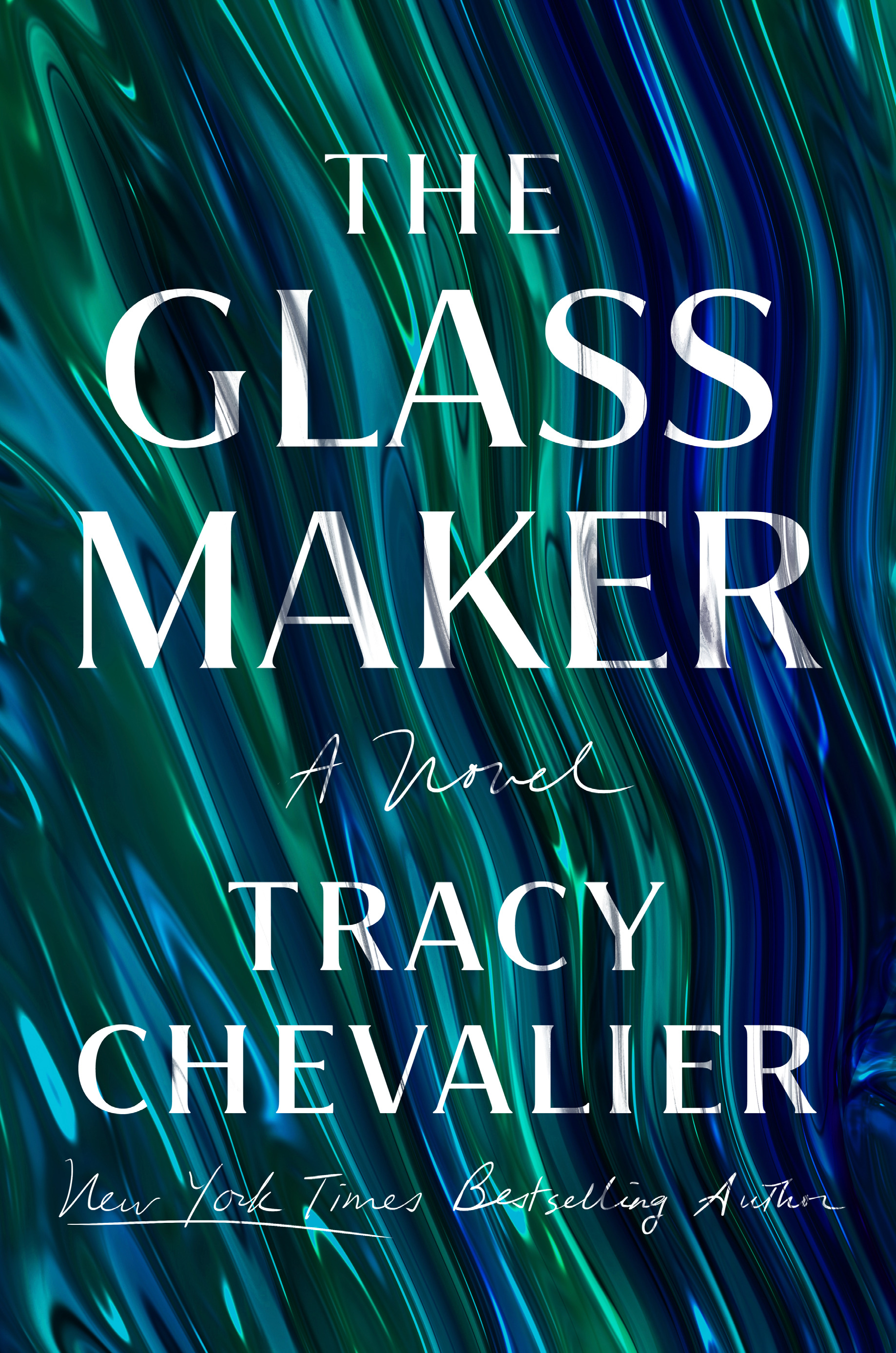
Beyond these selected titles, works such as At the Edge of the Orchard and The Glassmaker demonstrate her ongoing versatility. In The Glassmaker, set in Venice across centuries, Chevalier tracks the passage of time not through human lifespans alone, but through the enduring, fragile medium of glass—a brilliant metaphor for human history itself.
Comparative Analysis: Chevalier versus Traditional Historical Epics
To fully appreciate Tracy Chevalier's contribution to modern literature, it is instructive to compare her structural choices with those of traditional macro-historical fiction.
Structural Distinction in Historical Storytelling Traditional epic historical fiction relies heavily on major geopolitical events, famous military battles, and royal courts to drive narrative tension. In sharp contrast, Tracy Chevalier constructs her narratives from the bottom up, utilizing domestic spaces, artisanal workshops, and local communities as the primary theater for human drama. This approach honors the lived reality of the vast majority of historical populations who lived entirely outside the halls of power.
Pros and Cons of the Micro-Historical Approach
- Pros:
- High degree of emotional intimacy and character relatability.
- Deep, authentic engagement with period-specific crafts, trades, and daily domestic labor.
- Avoids historical clichés by focusing on unsung figures rather than historical caricatures.
- Cons:
- Narrower scope may feel insular to readers seeking grand political intrigue or sweeping battle scenes.
- Pacing can occasionally feel slow for audiences accustomed to high-octane plot progression.
- Heavy reliance on internal psychological processing over external action.
Reader's Guide: How to Approach the Chevalier Canon
For readers, students, and aspiring writers exploring Tracy Chevalier's bibliography in 2026, establishing a strategic reading order enhances the experience of watching her thematic and technical mastery evolve.
- Begin with the Breakthrough: Start with Girl with a Pearl Earring to understand her mastery of atmosphere, unspoken tension, and visual inspiration.
- Explore Craft and Artistry: Move to The Lady and the Unicorn or The Glassmaker to see how she handles historical craftsmanship and multi-generational storytelling.
- Investigate Social History: Read Remarkable Creatures to appreciate how she treats scientific discovery and the realities of institutional sexism in the 19th century.
- Examine Modern Historical Fiction: Conclude with her contemporary-adjacent or suburban-set historical works to witness her adaptability across different physical settings.
Frequently Asked Questions
What inspired Tracy Chevalier to write Girl with a Pearl Earring?
She was inspired by seeing a poster of Johannes Vermeer's famous painting on her wall during college and wondering about the intimate, unspoken dynamic between the painter and the young maid depicted in the masterpiece.
Are Tracy Chevalier's novels historically accurate?
While her historical settings, material cultures, and timelines are meticulously researched, her central characters and their specific interpersonal dramas are fictionalized to fill in the gaps left by the historical record.
What is Tracy Chevalier's most recent major work?
Her novel The Glassmaker explores the centuries-long tradition of glassmaking in Murano, Venice, following a family whose lives stretch across generations while the art form remains constant.
How does Chevalier handle historical research for her books?
She conducts extensive on-the-ground research, often learning the practical skills her characters possess—such as weaving, fossil hunting, or glass appreciation—to accurately describe the physical sensations of historical labor.
Is Chevalier's work considered literary fiction or genre fiction?
Her work sits comfortably at the intersection of literary fiction and historical fiction, praised for its stylistic elegance, psychological depth, and rigorous historical grounding.
Conclusion and Literary Legacy
As historical fiction continues to evolve, Tracy Chevalier's body of work stands as a benchmark for narrative restraint, meticulous research, and deep empathy for the historical underclass. By refusing to rely on easy tropes or grand historical spectacles, she demonstrates that the most compelling human dramas often unfold in silence, dedication, and the quiet creation of art. Engaging with her novels offers both a masterclass in historical world-building and a profound reminder of the individuals whose silent labors built the modern world.
Image Gallery