Body Glove in Stranger Things: The 1980s Surf Brand’s Nostalgic TV Comeback
Body Glove plays a pivotal role in establishing the authentic 1980s aesthetic of Stranger Things, particularly in Season 3’s summer 1985 setting. Led by costume designer Amy Parris, the show features vintage and period-accurate Body Gl...
Body Glove plays a pivotal role in establishing the authentic 1980s aesthetic of Stranger Things, particularly in Season 3’s summer 1985 setting. Led by costume designer Amy Parris, the show features vintage and period-accurate Body Glove apparel, from graphic neon swimsuits to neoprene accessories, capturing the California surf culture that swept suburban American teenagers during the mid-80s.
Contents
The Cultural Impact of Body Glove in 1980s Fashion
To understand why Body Glove holds such visual weight in Stranger Things, one must look at the brand’s meteoric rise during the 1980s. Founded in 1953 by twin brothers Bill and Bob Meistrell in Redondo Beach, California, Body Glove originally revolutionized water sports by developing the first practical neoprene wetsuit. For its first three decades, the company catered almost exclusively to serious divers, surfers, and ocean enthusiasts.
By the mid-1980s, however, coastal surf culture underwent a massive commercial explosion, penetrating landlocked suburban communities across the United States. Body Glove capitalized on this shift by expanding from utilitarian dive gear into mainstream fashion apparel. Key elements of the brand's mid-80s signature identity included:
- The Iconic Hand Logo: Designed to represent the snug fit of their original wetsuits, the distinctive yellow-and-black handprint became an omnipresent graphic on t-shirts, caps, and beach towels.
- Fluorescent Neoprene: Utilizing bright neon magenta, electric blue, and highlighter yellow neoprene, Body Glove created high-contrast swimwear, bodyboard bags, and zip-up jackets.
- Suburban Crossover: The brand represented an aspirational West Coast lifestyle. Even teens in inland Midwestern towns—like the fictional Hawkins, Indiana—embraced the brand to align themselves with skate, surf, and MTV youth culture.
When Stranger Things shifted its timeline to July 1985 for Season 3, the wardrobe department leaned heavily into this exact cultural phenomenon. Incorporating Body Glove was not merely a cosmetic choice; it served as historical shorthand for how fast coastal trends moved across the country during the mall-culture era.
Body Glove Wardrobe Choices in Stranger Things
Costume designer Amy Parris took over the wardrobe department for Stranger Things starting in Season 3, shifting the show's visual tone from the muted, earthy jackets of autumn 1983 and 1984 to the saturated hues of mid-summer 1985. The Hawkins Community Pool and the Starcourt Mall became the primary set pieces where 1980s activewear and surf attire dominated the screen.
The Hawkins Community Pool Setting
The pool episodes in Season 3 showcase the peak of the show's surf-brand wardrobe. Body Glove pieces appear frequently among background extras and secondary characters:
- Lifeguard Apparel & Swimwear: While Billy Hargrove (played by Dacre Montgomery) wears official Red Cross lifeguard trunks, surrounding pool guests and off-duty lifeguards wear vibrant neon high-cut swimsuits, color-blocked trunks, and graphic tank tops heavily inspired by or directly sourced from vintage Body Glove lines.
- Neoprene Accessories: Characters carry neoprene soda koozies, beach bags, and visor hats featuring high-contrast logos. Neoprene was the dominant synthetic rubber of the era, and showing it in sun-drenched pool scenes emphasized authentic mid-80s material culture.
Character-Specific Styling Connections
While main characters like Max Mayfield (Sadie Sink) embody a West Coast skateboard aesthetic through brands like Hang Ten and Vans, her California background makes the presence of brands like Body Glove, Ocean Pacific (OP), and Quiksilver natural within her household context. The visual contrast between Hawkins native teens wearing traditional denim and characters embracing neon surf wear highlights the generational and regional tensions of 1985 fashion.
Authentic Vintage vs. Custom Costuming: Sourcing the Gear
Creating a believable 1980s look for a high-profile production requires balancing authentic vintage garments with custom reproductions designed to withstand rigorous filming schedules.
- 1980s Sourcing Strategy
- Sourcing Genuine Vintage (eBay, Etsy, Specialty Dealers)
- Custom Screen Reproductions (Duplicating fragile vintage prints)
- Studio Brand Licensing (Direct historical collaborations)
The Sourcing Process
Amy Parris and her costume team scoured vintage shops across North America, deadstock warehouses, and online marketplaces to secure original 1980s garments. Finding original Body Glove items presents unique challenges for wardrobe departments:
- Neoprene Degradation: True 1980s neoprene often degrades over time, hardening, cracking, or losing its elasticity. Consequently, while vintage cotton tees and nylon trunks could be worn directly on screen, neoprene jackets and swimsuits often had to be rebuilt or replicated using modern fabrics dyed to match original period swatches.
- Color Fading: Fluorescent dyes used in mid-80s garments are prone to severe UV fading over forty years. Wardrobe teams often used vintage garments as design templates, re-printing the classic Body Glove hand logo onto newly constructed garments to ensure colors popped under modern digital cinematography cameras.
Comparing 1980s Surf Brands Featured in Stranger Things
Body Glove was not the only brand competing for beach dominance in 1985. The costume design of Stranger Things carefully balances several iconic labels to reflect the varied tastes of mid-1980s teenagers.
| Brand Name | Era Origin | Key Visual Signature | Stranger Things Aesthetic Context | Material Profile |
|---|---|---|---|---|
| Body Glove | 1953 (Surfed mainstream in mid-80s) | Black handprint logo, high-contrast neon accents, visible block lettering | Hawkins Pool extras, active summer wear, high-cut swimsuits | Neoprene blends, heavy cotton jerseys |
| Ocean Pacific (OP) | 1972 | Corduroy shorts, soft gradient stripes, chest-stripe polo shirts | Casual everyday wear for Hawkins teens, mall scenes | Ribbed cotton corduroy, soft knit blends |
| Quiksilver | 1969 | Mountain-and-wave logo, retro boardshorts, heavy graphic prints | Skate-influenced teens, West Coast casual styling | Quick-dry nylon, canvas cotton |
| Speedo | 1914 | Form-fitting competitive trunks, dark primary colors, solid stripes | Dedicated pool swimmers, athletic background extras | Nylon-Lycra synthetic blends |
| Catchit | 1970s | Abstract geometric graphics, webbing belts, aggressive block shapes | Alternative, edgy suburban youth fashion | Heavy nylon, reinforced cotton canvas |
How to Identify Authentic 1980s Vintage Body Glove Items
For collectors, costume enthusiasts, and fans seeking true period-accurate Body Glove apparel, recognizing genuine 1980s manufacturing details is critical. The market contains many 1990s and 2000s reissues that differ significantly in construction and materials.
1. Tag Identification and Labeling
1980s Body Glove tags differ markedly from modern iterations. Look for woven fabric labels rather than heat-printed neck labels. Authentic mid-80s tags generally feature:
- A crisp, woven black label with the classic yellow handprint graphic.
- Text stating "Made in U.S.A." (most mid-80s production occurred domestically before offshore manufacturing expanded in the 1990s).
- Care tags specifying synthetic neoprene care instructions (e.g., "Hand wash cold, line dry in shade").
2. Zipper and Hardware Construction
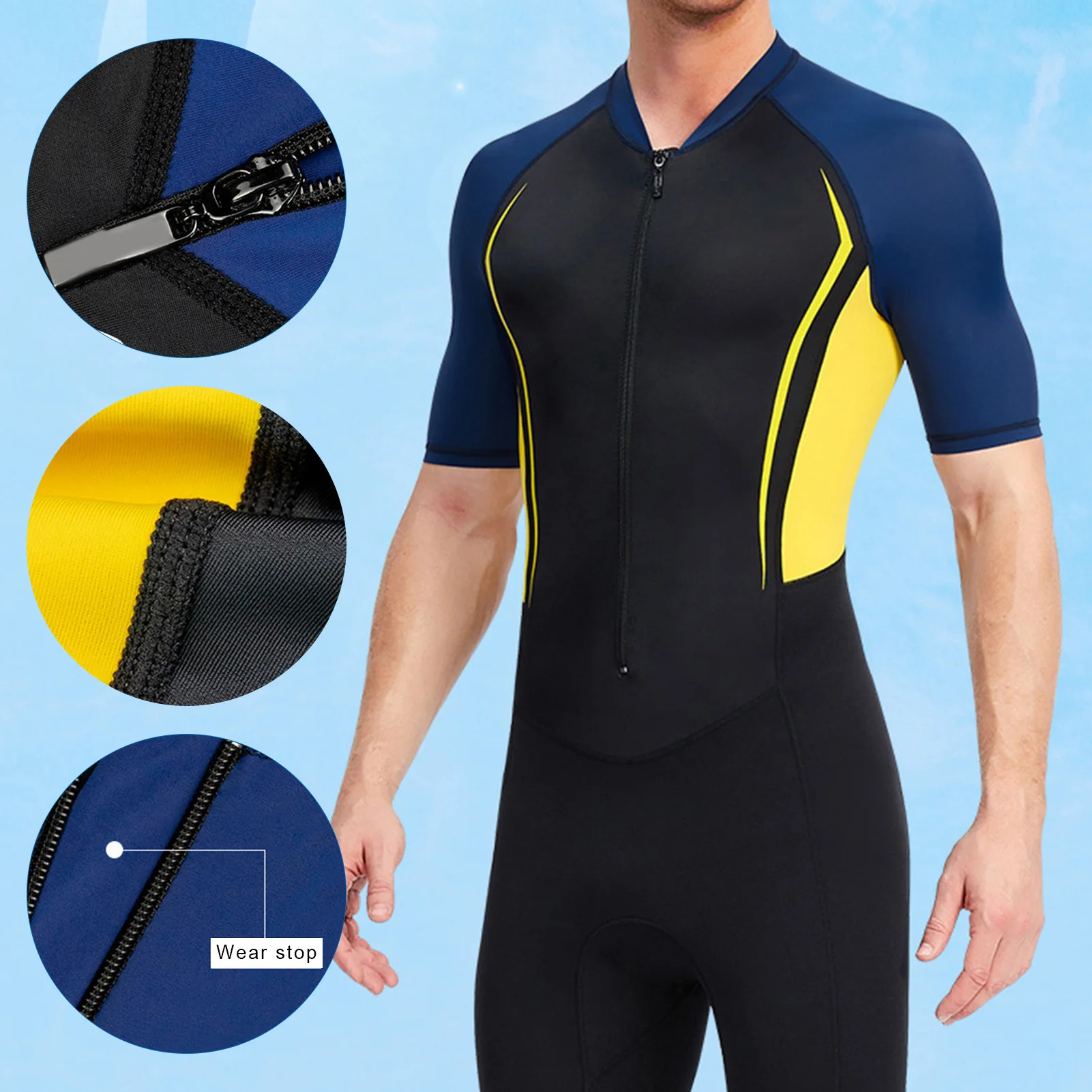
True 1980s Body Glove wetsuits and neon jackets utilized heavy-duty plastic zippers, primarily manufactured by YKK or Vislon. These zippers featured oversized pulls designed to be operated with cold, wet hands or while wearing dive gloves. Metals were rarely exposed to prevent saltwater corrosion.
3. Stitching Techniques
Mid-80s neoprene garments utilized specialized flatlock stitching or taped seams to prevent chafing and water entry. In contrast to modern liquid-taped seams, vintage garments show distinct, heavy parallel thread lines along every seam join, often highlighted in contrasting neon thread.
Common Mistakes When Recreating 1980s Surf Fashion
When attempting to build an authentic 1980s wardrobe or cosplay based on Stranger Things, fans often mix up distinct micro-eras of fashion.
- Confusing 1980s Neon with 1990s Grunge/Pastel: In 1985, neons were high-contrast, graphic, and rigid—often paired with solid black or white borders. The loose, pastel-heavy, abstract "splatter" designs popular in the early 1990s represent a distinct shift and are anachronistic for mid-80s settings like Season 3.
- Over-Relying on Modern Reproductions: Modern fast-fashion reproductions often use cheap elastane prints that lack the structural weight of 1980s heavy cotton or real neoprene. Authentic 80s swim trunks featured shorter inseams (typically 3 to 5 inches) compared to the longer boardshorts that emerged in the late 1990s.
- Ignoring Regional Trends: A teenager in Hawkins, Indiana in 1985 would likely own one or two prized surf brand items mixed into a standard wardrobe of denim jeans and plain tees. Decking a character out head-to-toe in head-turning neon surf gear was typically reserved for the pool or beach, not everyday school days.
Frequently Asked Questions
Did Body Glove officially collaborate with Stranger Things for costume production?
While major brands like Nike, Levi's, and Quiksilver launched official retail capsule collections with Netflix for Stranger Things, Body Glove's presence on screen primarily resulted from the costume department sourcing authentic vintage 1980s pieces and recreating period-correct gear to populate the Hawkins pool and mall sets accurately.
Which Stranger Things characters wear the most surf brand attire?
Billy Hargrove and Max Mayfield wear the highest proportion of West Coast surf and skate attire. As transplants from California, their wardrobes utilize brands like Body Glove, Hang Ten, and Vans to visually separate them from the native Indiana characters who wear traditional Midwestern styles.
Why was neoprene Body Glove apparel so popular in summer 1985?
By 1985, surf culture had transitioned from a niche coastal subculture into mainstream youth media via MTV, beach movies, and national mall retail chains. Body Glove's vibrant neoprene products allowed landlocked suburban teens to adopt an active, ocean-adjacent lifestyle aesthetic regardless of where they lived.
How can you tell if a vintage Body Glove item is from the 1980s versus the 1990s?
Look at the country of origin, garment cut, and tag style. 1980s items were frequently manufactured in the USA, features shorter inseams on shorts, utilized heavy-duty Vislon plastic zippers, and prominently showcased high-contrast fluorescent neon block panels. 1990s items tend to feature softer pastels, looser cuts, and overseas manufacturing tags.
Were neon colors already popular in the early 1980s seasons of the show?
No. Seasons 1 and 2 of Stranger Things are set in late 1983 and autumn 1984, respectively, where the color palette is dominated by earthy browns, muted greens, deep reds, and traditional denim. The explosion of neon surfwear, including Body Glove apparel, coincides with the summer 1985 setting of Season 3.
Strategic Recommendation for Vintage Collectors and Stylists
When sourcing or styling mid-1980s surf fashion inspired by Stranger Things, prioritize structural integrity over perfect cosmetic condition. True 1980s items—especially those made from synthetic materials like neoprene—require careful handling. If you are collecting vintage Body Glove pieces:
- Inspect Neoprene Closely: Check for dry rot or foam hardening by gently flexing the fabric. If it crunches or cracks, the material has oxidized and cannot be worn safely without damaging the item.
- Focus on Heavy Cotton Graphic Tees: Vintage 1980s Body Glove cotton t-shirts hold up significantly better over time than synthetic swimsuits and provide an instantly recognizable 1985 aesthetic when paired with classic high-waisted denim or corduroy shorts.
- Verify Period Inseams: Ensure swim trunks feature the authentic 3-to-5-inch inseam characteristic of the mid-80s to maintain historic accuracy in period costuming or cosplay.
Image Gallery