Understanding the Strategic Brand Positioning of Nike
Nike’s brand positioning centers on the intersection of high-performance athletic innovation and the inspirational pursuit of individual greatness. By anchoring its identity in the "Just Do It" ethos, Nike transcends the commodity of f...
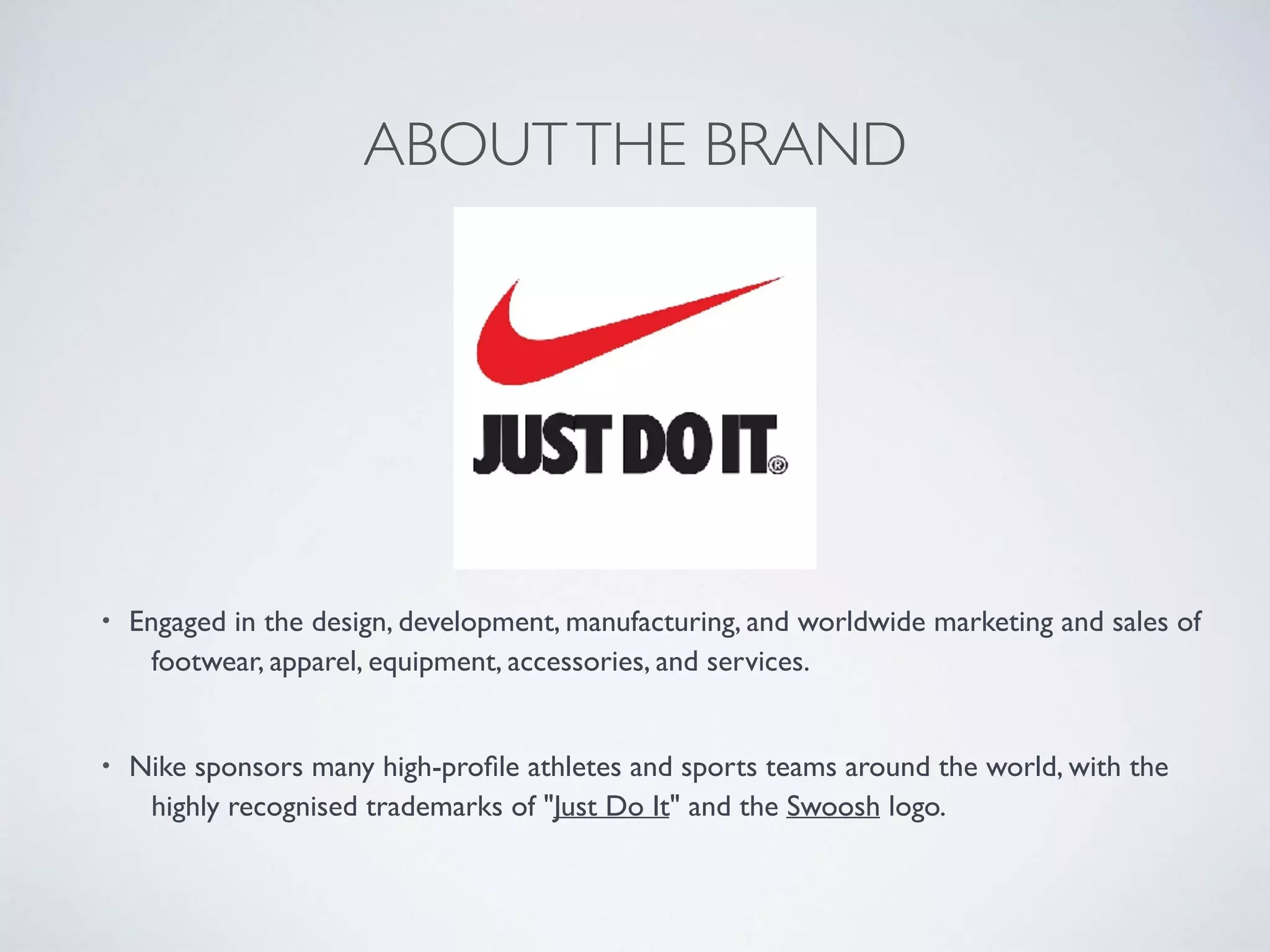
Nike’s brand positioning centers on the intersection of high-performance athletic innovation and the inspirational pursuit of individual greatness. By anchoring its identity in the "Just Do It" ethos, Nike transcends the commodity of footwear and apparel, positioning itself as a cultural catalyst that empowers both professional athletes and everyday consumers to push their physical limits.
Contents
The Foundation of Nike’s Market Identity
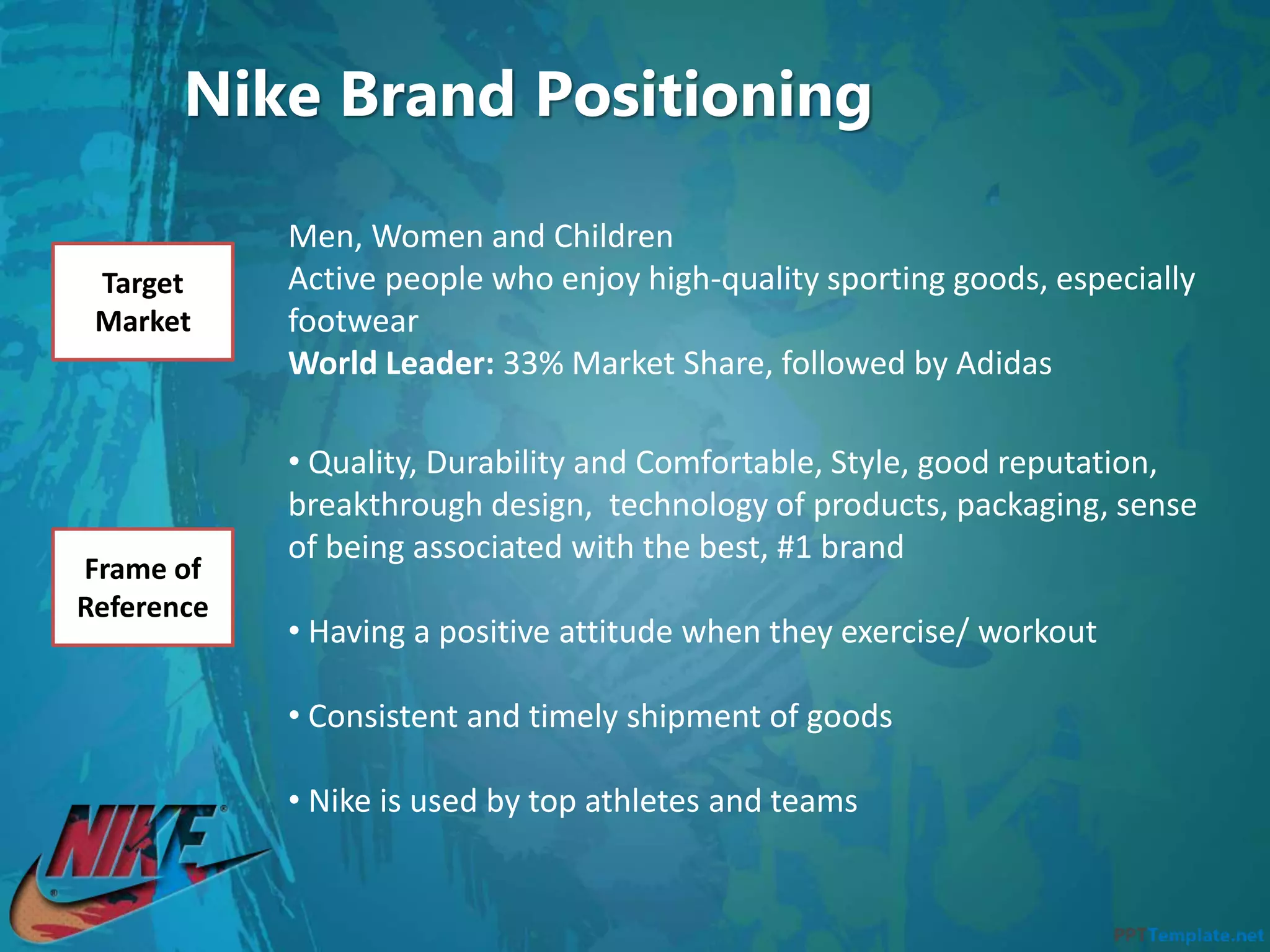
At its core, Nike’s brand positioning is built upon the promise of human potential. Unlike competitors that may focus exclusively on product utility or lifestyle fashion, Nike leverages the "hero’s journey" narrative. Since the inception of the "Just Do It" campaign in 1988, the brand has consistently moved away from merely detailing product specifications in its advertising. Instead, it elevates the athlete—defined by Nike’s co-founder Bill Bowerman as anyone with a body—to the center of the story.
This positioning strategy serves two primary functions. First, it creates an emotional barrier to entry for competitors. While a rival firm can replicate the cushioning technology or material composition of a running shoe, they cannot easily replicate the decades of emotional equity built through association with iconic figures like Michael Jordan, Serena Williams, and Cristiano Ronaldo. Second, this focus allows Nike to command a premium price point, as the consumer is purchasing entry into a aspirational community rather than a functional tool.
Strategic Pillars: Performance, Innovation, and Cultural Relevance
To maintain its market position in 2026, Nike utilizes a three-pronged approach to sustain its competitive advantage. Each pillar reinforces the others, ensuring that the brand remains relevant across disparate demographics.
1. Technical Innovation as Proof of Concept
Nike’s market position is grounded in the credibility of its R&D. The brand consistently uses its "Alpha" and "Elite" product lines to demonstrate technical superiority. By engineering products that solve specific biomechanical problems—such as energy return in marathons or stability in weightlifting—Nike reinforces the claim that it is the brand of choice for serious athletes. This technical depth justifies the brand's premium pricing and establishes a "trickle-down" effect where innovations in top-tier professional gear eventually inform mass-market consumer offerings.
2. Emotional Storytelling and "Just Do It"
The brand's messaging consistently prioritizes the psychological state of the user. By framing athletic performance as an act of personal defiance or self-improvement, Nike moves the conversation from the product to the user’s values. This positioning ensures that the brand remains "sticky," meaning that the consumer’s loyalty to the brand is tied to their own personal identity rather than the specific features of a current season’s footwear.
3. Cultural Integration and Community
Nike does not just sponsor athletes; it integrates into the cultural fabric of sports, fashion, and social movements. Through high-profile collaborations with designers and cultural influencers, Nike bridges the gap between high-performance gear and street-ready fashion. This allows the brand to occupy multiple spaces simultaneously—as a piece of essential training equipment and as a status symbol in urban culture.
Comparative Positioning Analysis
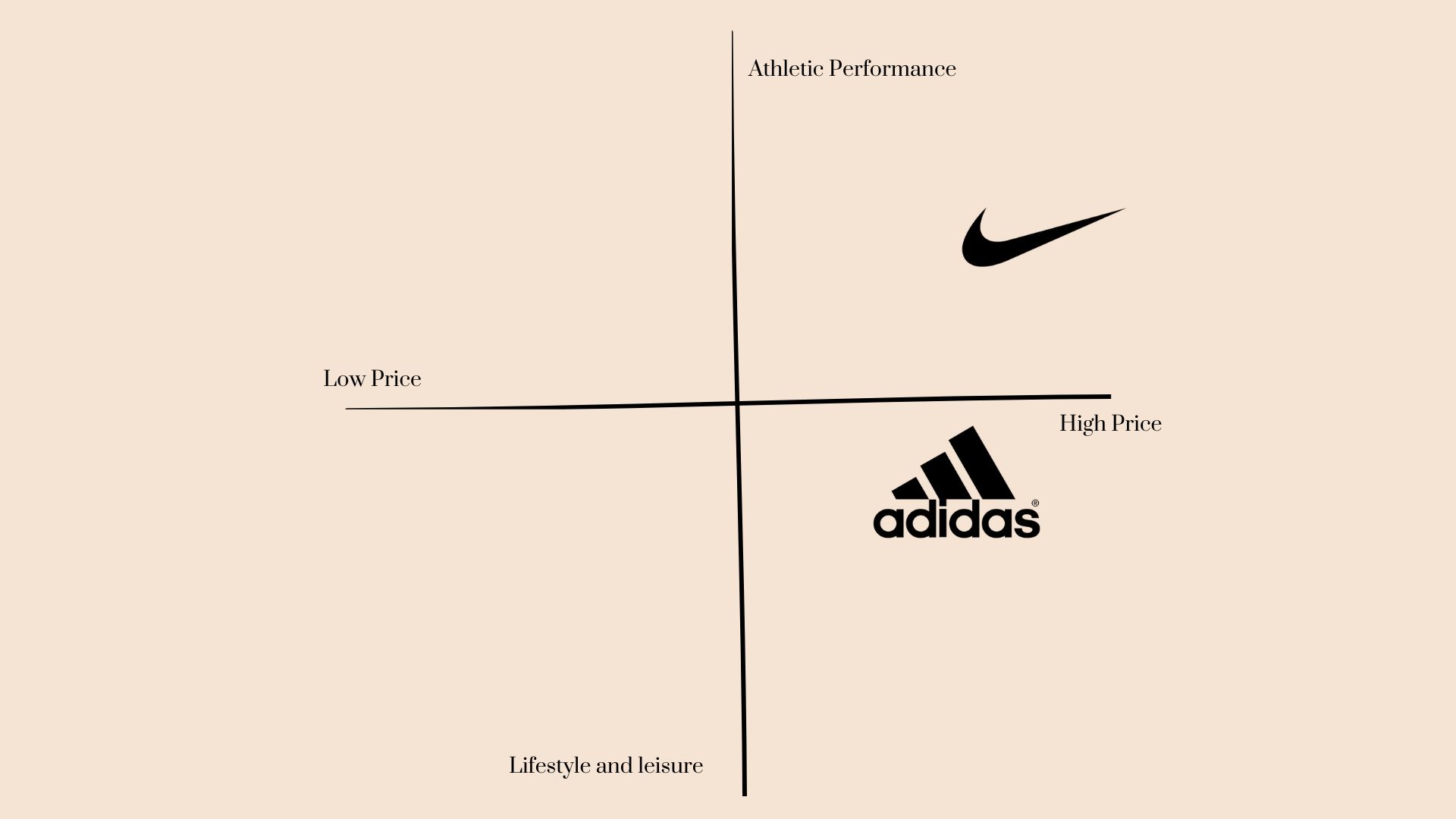
Nike’s competitive landscape requires a nuanced approach to differentiation. The table below illustrates how Nike’s strategic focus compares to other major industry participants.
| Brand Component | Nike | Primary Competitors (e.g., Adidas, Under Armour) |
|---|---|---|
| Core Philosophy | Inspirational/Motivational | Technical/Functional/Lifestyle |
| Primary Demographic | Global Athletes & Lifestyle Enthusiasts | Specialized Sport Segments |
| Marketing Angle | Personal Greatness ("Just Do It") | Team Unity / Professional Utility |
| Price Strategy | Premium / Accessible Tiered | Competitive / Mid-market |
| Channel Focus | Direct-to-Consumer (DTC) / Global Retail | Wholesale / Mass Distribution |
Operationalizing the Brand Promise
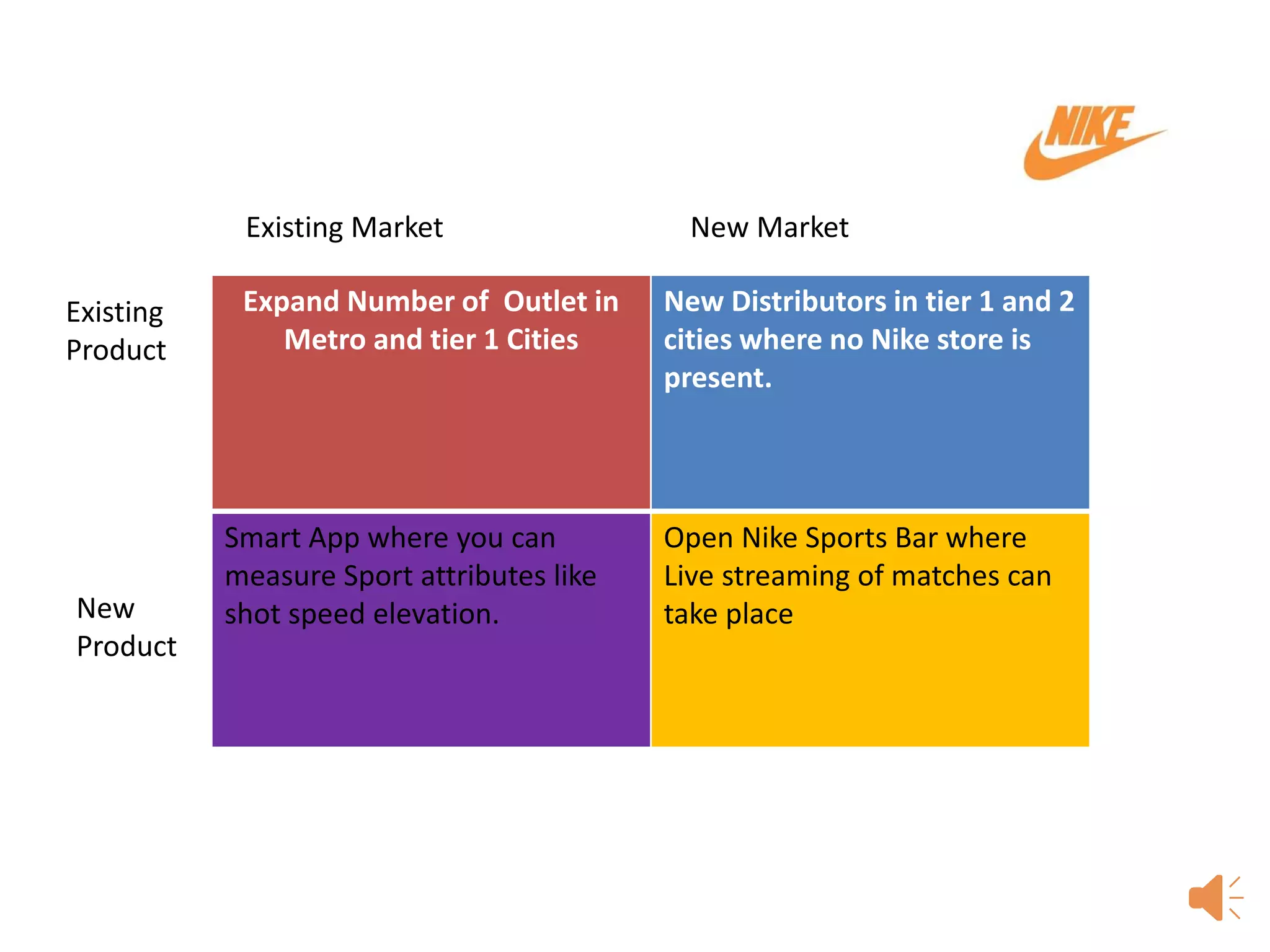
For a brand to maintain this level of positioning, it must translate abstract messaging into tangible customer experiences. In 2026, Nike achieves this through a tightly integrated omnichannel strategy. The Nike app, for instance, functions as more than a digital storefront; it serves as a personalized training hub, a source for exclusive product releases, and a loyalty program that rewards engagement rather than just transaction volume.
By focusing on direct-to-consumer relationships, Nike gathers proprietary data on how its products are actually used. This feedback loop allows the company to adjust its positioning in real-time. If a specific product line fails to resonate with a particular demographic, the brand can pivot its messaging or product design without diluting its overarching mission of "bringing inspiration and innovation to every athlete in the world."
Common Misconceptions in Brand Positioning
A frequent error in analyzing Nike’s position is assuming that its success is purely a result of advertising spend. While marketing budgets are significant, the brand's positioning is inherently tied to its vertical integration. Nike owns the design process from concept to retail. This ownership ensures that the brand story remains cohesive, whether the customer is visiting a flagship "House of Innovation" store in a major metropolis or interacting with the brand digitally.
Another misconception is that Nike only targets top-tier athletes. While the imagery often features professional stars, the brand’s actual product architecture covers a spectrum from entry-level utility to professional-grade performance gear. This ensures that the brand remains accessible to the amateur enthusiast while retaining the prestige associated with the professional elite.
Frequently Asked Questions
What does "Just Do It" signify for Nike’s brand positioning?
"Just Do It" serves as an aspirational anchor that shifts the brand focus from the shoes themselves to the consumer's potential. It effectively communicates that Nike is the enabler of the user's personal ambition, positioning the brand as a partner in the user's pursuit of goals.
How does Nike use its athlete sponsorships to reinforce its position?
Sponsorships act as external validation of the brand's performance claims. By aligning with high-performing athletes, Nike creates a "halo effect" where the performance capabilities of the athlete are associated with the brand’s technology, providing objective proof of the product's effectiveness.
Is Nike’s positioning strictly focused on professional sports?
No. While professional sports remain a core component, Nike has expanded its positioning to include wellness, fitness, and casual lifestyle. This diversification prevents the brand from being trapped solely in the cyclical nature of professional sports seasons.
How does Nike maintain its premium status?
Nike maintains its premium status through limited-edition drops, exclusive collaborations, and consistent investment in high-end R&D. By creating scarcity and perceived technical superiority, the brand justifies higher price points and maintains high demand.
What risks exist for Nike’s current brand position?
The primary risk is the dilution of its "athlete-first" identity through over-commercialization or a decline in technical differentiation. If consumers begin to view Nike as primarily a fashion brand rather than an innovation leader, the company could face increased pressure from competitors who specialize in pure performance or budget-friendly athletic gear.
Moving Forward: Sustainability and Digital Engagement
Looking ahead, the next evolution of Nike’s positioning is likely to be defined by its commitment to sustainability and advanced digital ecosystems. As consumers place higher importance on environmental impact, Nike is increasingly positioning its innovation engine toward sustainable materials and circular manufacturing processes. Integrating these values into the "Just Do It" narrative will be critical for maintaining relevance with younger generations who demand that their preferred brands reflect their own ethical standards. To sustain its dominance, the company must continue to balance its legacy as a performance leader with the demands of an increasingly digitized and environmentally conscious consumer market.
Image Gallery