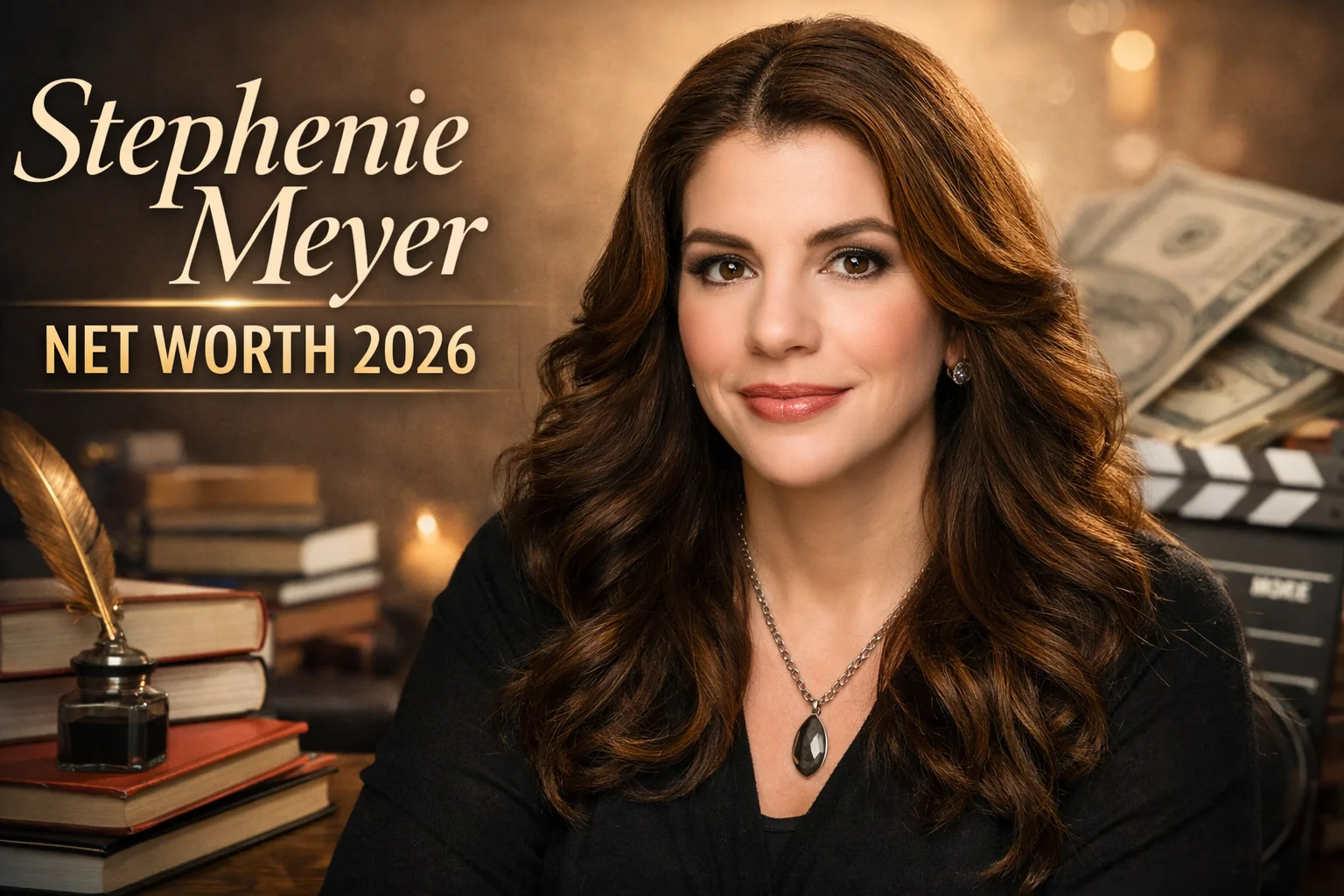
Stephenie Meyer Net Worth and Alex Pettyfer Finances: A Comparative Overview
As of 2026, the financial standing of Stephenie Meyer, best known as the author of the Twilight saga, remains significant due to the enduring commercial legacy of her literary works, while Alex Pettyfer’s finances are characterized by...
As of 2026, the financial standing of Stephenie Meyer, best known as the author of the Twilight saga, remains significant due to the enduring commercial legacy of her literary works, while Alex Pettyfer’s finances are characterized by a multifaceted career as an actor, director, and producer within the global entertainment industry. While Meyer’s wealth is primarily rooted in intellectual property and high-volume publishing success, Pettyfer’s economic profile reflects the varied income streams typical of a working performer in international film and television.
Contents
The Financial Foundation of Stephenie Meyer
Stephenie Meyer’s financial journey is a textbook case of literary success translating into massive commercial capital. Following the 2005 publication of Twilight, Meyer became one of the most commercially successful authors of the 21st century. The subsequent film franchise, which adapted her novels into five blockbuster movies, significantly expanded her income through royalty agreements, executive producing credits, and ancillary merchandising rights.
Her net worth is not solely dependent on book sales. As of 2026, Meyer continues to benefit from the "evergreen" status of the Twilight brand. Sales of the original series, along with the release of supplemental works like Midnight Sun—which retells the original story from Edward Cullen's perspective—demonstrate how intellectual property can yield recurring revenue long after the initial hype cycle concludes. Beyond the page, Meyer established Fickle Fish Films, a production company that has allowed her to retain a degree of creative control and financial upside in various media projects, moving beyond simple author royalties into the role of a media entrepreneur.
The Economic Profile of Alex Pettyfer
Alex Pettyfer, a British actor and director, occupies a different space in the entertainment economy. Unlike the author-as-brand model, Pettyfer’s income is primarily generated through acting contracts, directorial fees, and independent production ventures. His career, which spans several decades, includes high-profile roles in films such as Stormbreaker, I Am Number Four, and Magic Mike.
Financial stability in the acting profession is often cyclical. Pettyfer’s portfolio reflects the strategic transition many actors undergo: moving from "work-for-hire" acting roles toward self-produced content. By taking on roles as an executive producer and director, Pettyfer has diversified his earning potential. This shift is common for performers seeking to mitigate the volatility of Hollywood casting cycles. While he does not possess a singular "mega-franchise" comparable to Twilight, his ability to work across both American and European film markets provides a globalized stream of revenue.
Comparative Analysis of Income Streams
When analyzing the finances of individuals in the entertainment industry, it is essential to distinguish between passive assets—such as literary royalties—and active income, such as film acting wages.
| Income Category | Stephenie Meyer (Author/Producer) | Alex Pettyfer (Actor/Director) |
|---|---|---|
| Primary Source | Literary Royalties & IP Rights | Acting Fees & Production Contracts |
| Asset Type | Intellectual Property (Copyrights) | Professional Services (Labor) |
| Revenue Cycle | Recurring / Long-term | Project-based / Variable |
| Risk Exposure | Audience fatigue, market shifts | Casting availability, production cycles |
Understanding Intellectual Property (IP) Value
Stephenie Meyer’s wealth is largely protected by the permanence of copyright. In the publishing industry, authors of successful series often receive advances and royalty checks that persist for decades. As of 2026, the literary industry remains a high-margin field for authors who reach global name recognition. Meyer’s ability to leverage her fanbase into new projects allows her to sustain her financial position without necessarily requiring new "hits" to maintain a comfortable economic standing.
Managing Variable Income in Acting
Alex Pettyfer, like many professional actors, must navigate the inherent unpredictability of the film industry. Actors typically earn through performance contracts, which may include backend bonuses (points on the net or gross profit) for successful films. However, these are not guaranteed. For actors at Pettyfer’s level, financial management often involves the savvy investment of lump-sum payments into diverse asset classes to create personal wealth that persists during gaps in production.
Factors Influencing Long-Term Wealth in Entertainment
For figures like Meyer and Pettyfer, wealth management in 2026 is influenced by broader economic factors, including tax strategy, international distribution, and the digital transformation of media.
The Role of Production Companies
Both figures have utilized production companies to formalize their business activities. For an author, a production company serves as a vehicle to negotiate film rights and develop adaptations in-house. For an actor, it serves as a platform to secure "producer" credits, which often command a higher share of a film's budget or profits compared to an actor-only contract. This is a critical step in building independent wealth in an industry that traditionally favors the studio system.
Market Volatility and Changing Consumption
The rise of streaming platforms has changed how both authors and actors are compensated. Where once a "hit" was measured by box office receipts or physical book sales, modern compensation models often involve flat licensing fees or complex streaming royalty structures. Authors with established back-catalogs, such as Meyer, are often shielded from some of these shifts, as their historical contracts remain in place. Conversely, actors often have to navigate new union agreements and streaming residuals that continue to evolve in the mid-2020s.
FAQ: Financial Realities in Entertainment
1. Is Stephenie Meyer’s net worth primarily from book sales? While book sales were the initial catalyst, a significant portion of her wealth is derived from film rights, executive producing fees, and the long-term management of her intellectual property portfolio.
2. How do actors like Alex Pettyfer maintain consistent income? Actors typically maintain income through a combination of contract-based acting work, directing, and production. Financial stability for actors often requires successful tax planning and the reinvestment of high-earning years into passive income streams.
3. Are royalties considered passive income for authors? Yes, once a book is written and published, royalties function as passive income. However, maintaining that revenue stream requires ongoing marketing and the cultivation of an audience, which is an active professional endeavor.
4. How does the current economic climate of 2026 affect these figures? In 2026, the entertainment industry is heavily influenced by high production costs and global digital distribution. Individuals who own their underlying intellectual property, such as Meyer, often find themselves in a stronger bargaining position than those who are purely reliant on performance-based wages.
Conclusion and Strategic Next Steps
Understanding the net worth and finances of public figures requires looking beyond headlines and recognizing the underlying business models. Stephenie Meyer represents the "Creator" archetype, whose wealth is solidified by owning the rights to a globally recognized brand. Alex Pettyfer represents the "Service-Provider" archetype, whose financial success is built upon professional talent, versatility, and strategic career moves into production and directing.
For those interested in the financial mechanics of the entertainment industry, the primary takeaway is the importance of diversification. Whether you are an author or an actor, relying on a single revenue stream is rarely a long-term strategy for wealth preservation. Aspiring professionals should look to emulate the way these figures have transitioned from being "talent" to being "business owners" by establishing their own production entities. If you are seeking to manage your own finances, consider consulting with a financial advisor who specializes in the irregular income streams common to creative and freelance professionals to ensure that high-earning periods are appropriately leveraged for long-term security.
Image Gallery