How Texting TV Changed Live Broadcasts: The Architectural and Cultural Shift
Texting TV transformed live broadcasts by turning passive viewers into active participants through real-time Short Message Service (SMS) interaction. Popularized in the early 2000s by competition shows like American Idol, text voting,...
Texting TV transformed live broadcasts by turning passive viewers into active participants through real-time Short Message Service (SMS) interaction. Popularized in the early 2000s by competition shows like American Idol, text voting, on-screen message tickers, and premium SMS services established the blueprint for audience participation, secondary monetization, and modern multi-screen broadcasting.
Contents
The Infrastructure of Text-to-TV Broadcasting
Before mobile phones became ubiquitous, audience participation in live broadcasting was restricted to landline telephone calls, mail-in sweepstakes, or studio audiences. The introduction of text-to-TV technology altered this dynamic by introducing a low-friction channel for viewer participation directly from a mobile handset.
To understand how texting TV reshaped broadcasting, one must look at the underlying technical pipeline that connected cellular networks directly to television production control rooms:
Mobile Device
Carrier Network
SMS Aggregator
Production Database
Broadcast Graphics (Vizrt/Chyron)
Shortcode Allocation: Broadcasters acquired specialized 5-digit or 6-digit telephone numbers known as shortcodes (e.g., texting a keyword to 55555). Shortcodes offered significantly higher throughput than standard ten-digit long-code (10DLC) numbers, allowing networks to process thousands of inbound messages per second.
SMS Aggregators and Protocols: Wireless carriers did not route text messages directly to television studios. Instead, SMS aggregators—intermediary technology companies operating high-bandwidth Short Message Peer-to-Peer (SMPP) protocol gateways—received traffic from carrier networks, validated message headers, and translated data into standardized web APIs or database entries.
Control Room Integration: Received messages passed into specialized broadcast graphics software (such as platforms developed by Vizrt, Chyron, or Orad). Studio operators could filter out profanity, tally votes automatically, or curate viewer comments before sending them to the live air signal as dynamic lower-third graphics or ticker tapes.
This automated pipeline reduced processing latency from hours or days down to seconds, giving live producers the ability to react immediately to viewer input during live transmissions.
Key Content Innovations Driven by SMS Interactivity
The deployment of SMS integration across global media networks fundamentally altered live production formats, establishing three core mechanics that define modern interactive entertainment.
1. Mass Real-Time Audience Voting
Reality television competitions were the primary driver of text-to-TV adoption. Programs such as American Idol, Big Brother, and the Eurovision Song Contest transitioned from landline voting to SMS-based voting systems.
AT&T’s exclusive sponsorship of American Idol in the United States served as a major case study in carrier integration. During peak seasons, tens of millions of text votes were cast in short windows following live performances. This dynamic shifted viewers from passive observers to invested stakeholders in program outcomes, dramatically increasing viewer retention through commercial breaks and finale broadcasts.
2. On-Screen Tickers and User-Generated Content
Music channels (such as MTV, VIVA, and Channel [V]), sports networks, and live news channels pioneered on-screen text tickers. Viewers could send a message to a shortcode to see their commentary scroll across the bottom of the television screen in real time.
This introduced user-generated content (UGC) into linear television decades before social media widgets became standard broadcast elements. It turned broadcast television into an early digital chatroom, fostering a sense of virtual community among viewers watching the same broadcast across different geographic locations.
3. Premium SMS and Micro-Monetization
Texting TV introduced direct-to-consumer micro-monetization for linear networks. Through Premium SMS (PSMS) billing architectures, broadcasts charged viewers a fee per text—ranging from $0.99 to $2.99 per vote or submission—billed directly to the consumer’s mobile phone invoice.
Revenue was split among mobile network operators (MNOs), text aggregators, content rights holders, and production networks. For major entertainment franchises, Premium SMS generated tens of millions of dollars in supplemental revenue beyond traditional advertising spots.
Technical Bottlenecks, Fraud Mitigation, and Regulation
Integrating mobile communications with live television exposed significant operational vulnerabilities, requiring rapid technical and regulatory intervention.
Managing High-Volume Spikes and Network Congestion
Live television calls-to-action created unprecedented surges in mobile network traffic. When a show presenter announced, "Voting opens now," millions of devices attempted to connect to local cell towers simultaneously. Early implementations resulted in SMS queue delays, dropped messages, and network outages for emergency services in densely populated areas.
To address network strain, telecom operators implemented dedicated Short Message Service Center (SMSC) queues for broadcast shortcodes. Aggregators developed distributed rate-limiting infrastructure capable of queuing and timestamping inbound traffic to ensure messages delivered after voting windows closed were accurately discarded.
Voting Integrity and Fraud Prevention
The financial and commercial stakes of audience voting required strict auditability. Broadcasters implemented key security protocols to maintain integrity:
- De-duplication & Rate Limiting: Automated rules limited votes per mobile device number (MSISDN) to prevent script-driven spam or voting bots.
- Carrier Verification: Traffic was validated against home location registers (HLRs) to ensure votes originated from legitimate domestic SIM cards rather than spoofed internet gateways.
- Independent Auditing: Accounting firms (such as Telescope or Deloitte) were contracted to monitor API ingestion logs, verify timestamp validity, and certify official contest results.
Regulatory Oversight and Consumer Protection
The rapid expansion of paid text interactivity triggered regulatory scrutiny regarding hidden fees, misleading marketing, and voting delays. In the United States, the Federal Communications Commission (FCC) and the Federal Trade Commission (FTC) enforced strict disclosure guidelines for on-screen text prompts, requiring explicit mentions of message-and-data rates.
Simultaneously, telecommunications industry bodies like CTIA established strict Short Code Operating Guidelines. Broadcasters were legally required to implement double opt-in confirmations and standard keyword handlers (such as replying "STOP" to unsubscribe or "HELP" for customer support) to protect consumers from unauthorized recurring charges.
Legacy: The Bridge to Modern Second-Screen Broadcasting
Texting TV served as the transitional bridge between linear traditional media and today's interactive digital streaming platforms. The core production strategies pioneered through SMS established the direct audience engagement frameworks used across modern digital media.
- Linear 1.0 (Passive Viewing)
- Linear 2.0 (Texting TV / SMS Shortcodes)
- Multi-Screen (Dedicated Apps & Social Media Widgets)
- Streaming Native (Twitch / YouTube Live Chat & In-Stream SDKs)
As smartphones evolved, high-bandwidth IP networks replaced carrier-billed SMS channels. However, the operational concepts established during the SMS era remain active:
- Social Media Tickers: Modern broadcast graphics engines pull live data from platforms like X (formerly Twitter), Instagram, and Reddit using APIs that evolved directly from early SMPP text processing tools.
- Dedicated Second-Screen Applications: Custom network applications replaced SMS voting mechanisms to lower operational costs, eliminate carrier revenue cuts, and harvest first-party user data.
- Live Streaming Chat Systems: Interactive features on platforms like Twitch, YouTube Live, and TikTok Live—such as pinned messages, live polls, and viewer donation badges—are direct architectural descendants of SMS tickers and paid text contributions.
Comparison: SMS Text-to-TV vs. Modern Broadcast Interactivity
| Operational Feature | Legacy SMS Text-to-TV (2000s–2010s) | Modern Interactive Streaming (2020s–Present) |
|---|---|---|
| Primary Data Transport | Cellular Signaling (SMS / SMPP) | Internet Protocol WebSockets / HTTPS APIs |
| User Latency | 3 to 15 seconds (queue dependent) | Sub-second (real-time data synchronization) |
| Billing & Monetization | Carrier billing (PSMS) with high carrier fees | In-app purchases, credit cards, digital wallets |
| Data Richness | Text only (160 ASCII characters) | Rich media, custom emojis, video replies, app telemetry |
| Authentication | MSISDN (Phone Number) verification | Account single sign-on (SSO), OAuth, biometrics |
| Cost to Viewers | Often charged per message/vote | Generally free (funded via subscriptions/ads/bits) |
| Regulatory Body | FCC, FTC, CTIA Short Code Rules | Platform Terms of Service, FTC Privacy Rules, GDPR |
Practical Recommendations for Live Media Content Producers
For digital broadcasting teams, streaming engineers, and television producers designing live interactive formats, the structural lessons of text-to-TV provide a valuable blueprint for audience engagement:
- Design Interactivity Around Synchronous Windows: Build explicit call-to-action windows (e.g., a dedicated 90-second voting period) rather than passive continuous prompts. Concentrating viewer action creates real-time engagement spikes and drives live viewership retention.
- Implement Rate Limiting at the Data Ingestion Layer: Whether processing SMS packets or WebSocket messages, ensure your backend graphics pipeline decouples client data collection from broadcast engine rendering. Use message queues (such as Kafka or RabbitMQ) to filter and throttle traffic spikes without crashing live graphics engines.
- Maintain Strict Audit Trails for Competitions: If audience participation impacts game outcomes or cash prizes, implement independent logging, database timestamping, and rate-limiting safeguards to resist automated manipulation and maintain legal compliance.
- Prioritize Low-Barrier Engagement Channels: SMS succeeded because every mobile phone possessed built-in SMS capabilities without requiring an app download. When designing modern audience participation models, use frictionless channels—such as mobile web web-views accessible via on-screen QR codes—to minimize viewer drop-off.
Frequently Asked Questions
What was the first TV show to use text voting?
While European broadcasts like Eurovision Song Contest experimented with early SMS mechanics in the late 1990s, Pop Idol in the United Kingdom (2001) and American Idol in the United States (2002) popularized mass-scale live broadcast SMS voting globally.
Why did networks shift away from Premium SMS voting?
Broadcasters moved away from Premium SMS primarily due to carrier revenue splits (where mobile carriers retained up to 30–50% of text fees), strict telecommunications regulations, high transactional costs, and the rapid shift of audiences toward smartphones and free mobile applications.
How did television graphic systems display text messages so quickly?
Broadcasters integrated SMS aggregator APIs directly into graphics processing software like Vizrt or Chyron. These applications featured automated profanity filters and moderation queues, allowing studio operators to approve inbound text messages with a single click to trigger live lower-third graphics rendering.
Is text-to-TV interactive technology still used today?
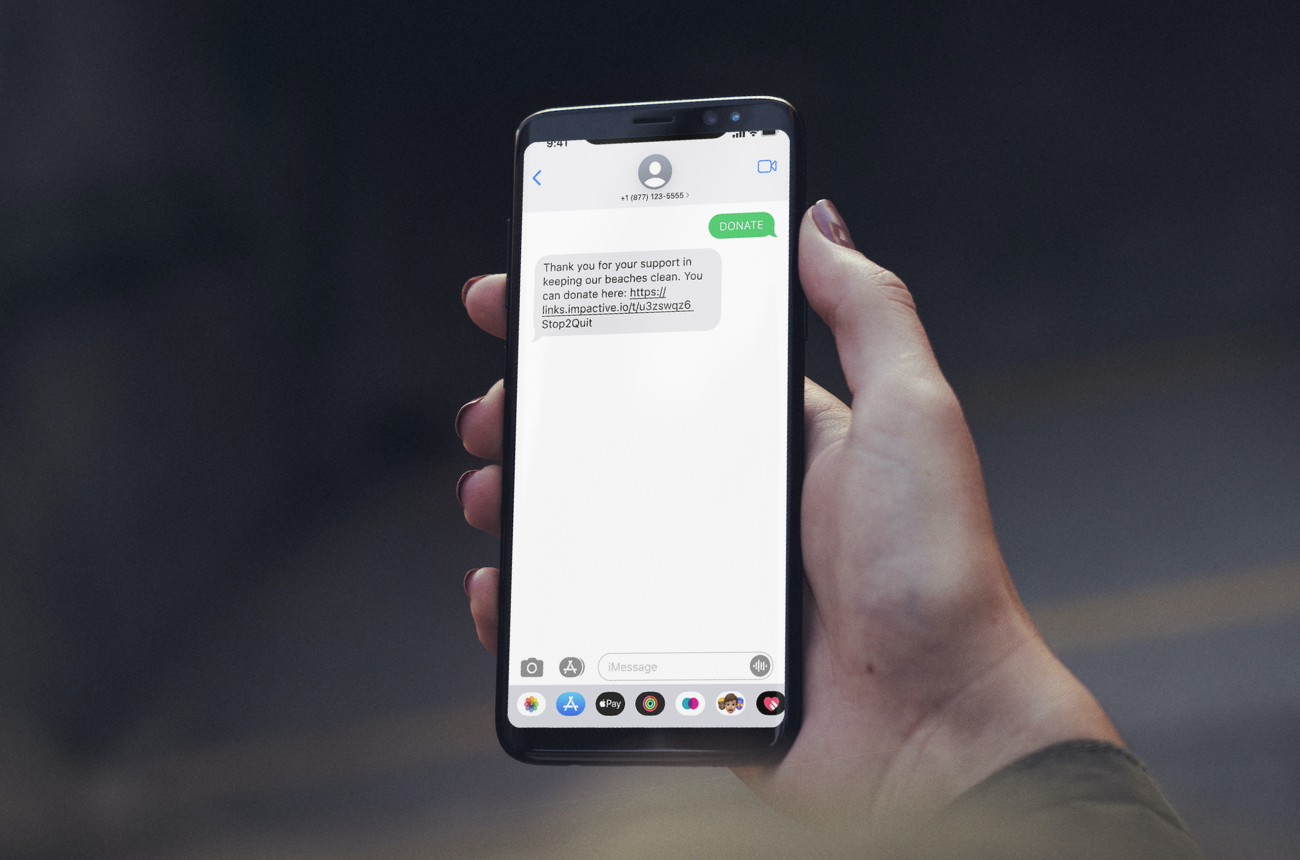
Yes. While dedicated mobile apps and social media integrations dominate major networks, SMS shortcodes remain widely used for charity telethons (text-to-donate), local news audience polls, emergency broadcast feedback, and live sports stadium displays due to their near-100% device compatibility.
Did text voting impact overall telecommunications infrastructure development?
Yes. The massive messaging spikes generated by televised live events forced cellular carriers to upgrade their core Short Message Service Centers (SMSCs) and pioneer high-capacity shortcode routing protocols. This infrastructure work laid the foundation for modern enterprise SMS messaging and two-factor authentication systems.
Image Gallery