Do You Need a Degree to Be a Life Insurance Agent?
Becoming a licensed life insurance agent does not require a college degree. In the United States, the primary requirement for entering the profession is obtaining a state-issued producer license, which focuses on passing a standardized...
Becoming a licensed life insurance agent does not require a college degree. In the United States, the primary requirement for entering the profession is obtaining a state-issued producer license, which focuses on passing a standardized insurance examination rather than completing formal higher education. While a degree is not a mandatory prerequisite, professional development and ongoing education are critical to long-term success.
Contents
Understanding the Licensing Requirement
The career of a life insurance agent is regulated at the state level. Each state’s Department of Insurance (DOI) dictates the specific criteria an individual must meet to solicit, negotiate, or sell insurance products. Across all 50 states, the baseline requirement is the acquisition of a resident producer license.
Unlike professions such as accounting, law, or medicine, there is no legislative mandate requiring a bachelor’s or associate degree to sit for the state licensing exam. The barrier to entry is centered on competency in insurance law, ethics, and specific policy types (such as term life, whole life, or universal life insurance). Your legal eligibility to work is contingent upon meeting the age requirement (usually 18), completing a pre-licensing education course, and passing the state-specific exam.
The Path to Licensure: A Step-by-Step Breakdown
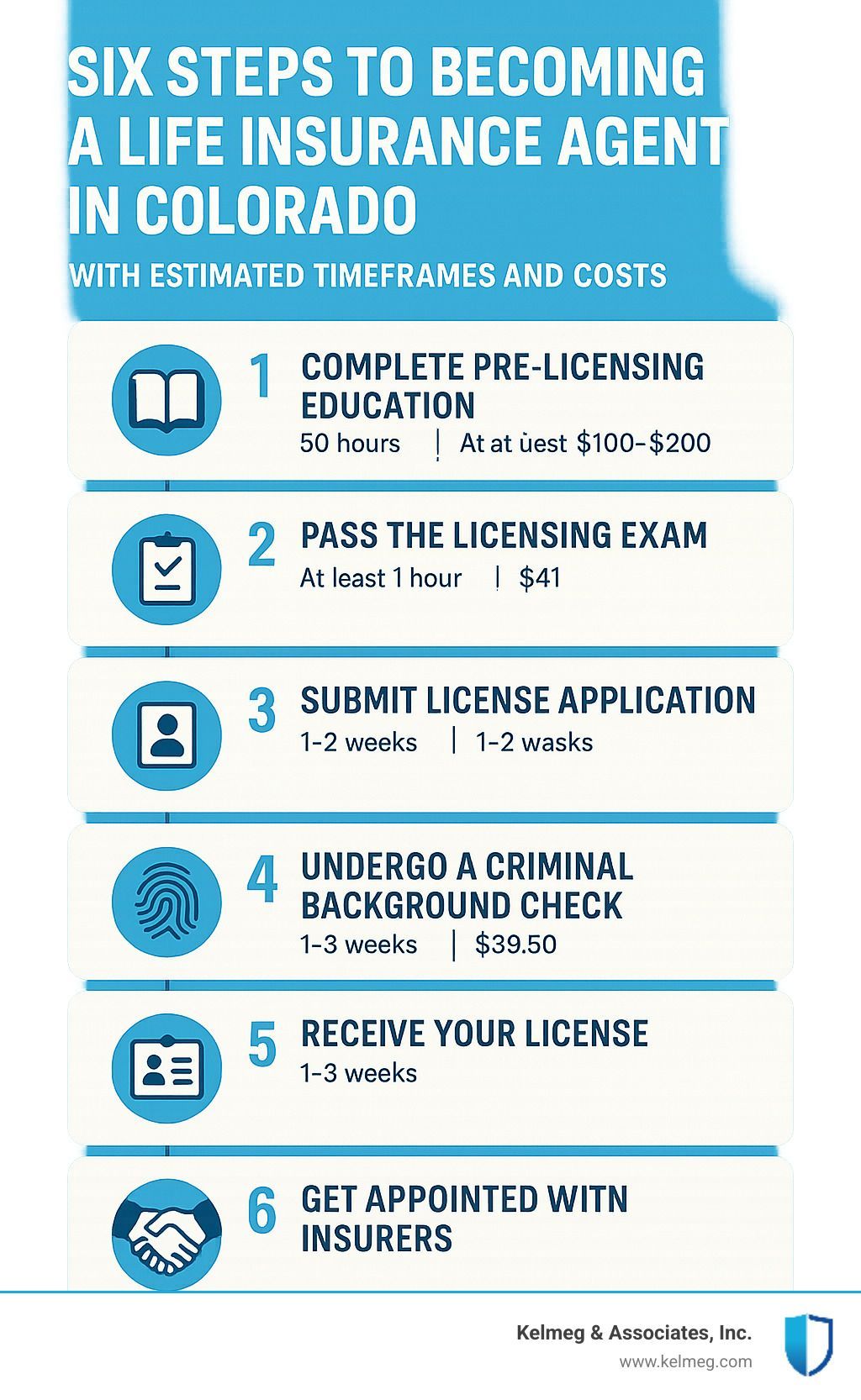
For those considering this career path, the process follows a standardized sequence. While state laws vary, the structural flow is consistent nationwide.
- Pre-Licensing Education: Most states require applicants to complete a specific number of credit hours in a state-approved pre-licensing course. These courses cover the fundamentals of insurance, risk management, and the specific laws governing the state where you intend to practice.
- Exam Registration: Once you have completed the mandatory hours, you must register for the state insurance examination through an authorized testing provider, such as Pearson VUE or Prometric.
- Passing the State Exam: The examination typically consists of two parts: a national section covering general life insurance principles and a state-specific section covering local regulations. Achieving a passing score is the official threshold for licensure.
- Background Check and Fingerprinting: As part of the application process, states conduct a criminal background check. You will be required to submit fingerprints and disclose any prior criminal history. Certain felonies may disqualify you from receiving a license.
- Application Submission: After passing the exam and completing the background check, you submit a formal license application and pay the associated fees through the National Insurance Producer Registry (NIPR).
Does Education Matter if It Is Not Required?
Even though a degree is not required to be a life insurance agent, you may wonder if a degree provides a competitive advantage. In a client-facing role, professional credibility is a significant asset.
- Networking and Skill Acquisition: A degree in finance, business, or economics can provide a strong foundation in understanding complex financial products, tax implications, and estate planning—topics often discussed with high-net-worth clients.
- Professional Designations: Many successful agents bypass a traditional degree in favor of professional designations. Obtaining credentials such as the Chartered Life Underwriter (CLU) or the Life Underwriter Training Council Fellow (LUTCF) can carry more weight in the industry than a general undergraduate degree.
- Corporate Opportunities: If your goal is to transition into corporate insurance roles, such as underwriting, claims management, or actuarial science, a degree often becomes a mandatory prerequisite for those specific career tracks.
Comparison of Entry Paths
| Requirement | Licensed Insurance Agent | Financial Planner (CFP) |
|---|---|---|
| College Degree | Not required | Bachelor’s degree required |
| Licensing | State-level insurance license | Board-certified exam |
| Ongoing Education | Mandatory (State-specific) | Mandatory (Continuing Ed) |
| Primary Focus | Risk protection products | Holistic financial management |
The Value of Ongoing Education
Once you are licensed, your education does not stop. Every state requires licensed agents to complete Continuing Education (CE) credits to renew their license, typically every two years. This ensures that agents stay informed about changes to state insurance codes, updates in federal tax laws, and new product offerings.
Failure to meet these CE requirements results in the expiration of your license, which prevents you from legally earning commissions on policies sold. This highlights that while formal higher education is optional, disciplined, continuous learning is a structural necessity of the job.
Common Misconceptions About Insurance Careers
A frequent error among new entrants is conflating a "life insurance license" with a "financial advisor certification." While an agent may eventually pursue additional licenses, such as the FINRA Series 6 or Series 7, these are distinct from the insurance producer license.
- The "Captive" vs. "Independent" Distinction: Many new agents assume they must start their own agency immediately. In reality, most enter the field as "captive" agents for a specific company or as "independent" agents working under a brokerage. These entities often provide the training and cover the costs of your licensing exams, which is a major benefit for those entering the industry without a degree or prior industry experience.
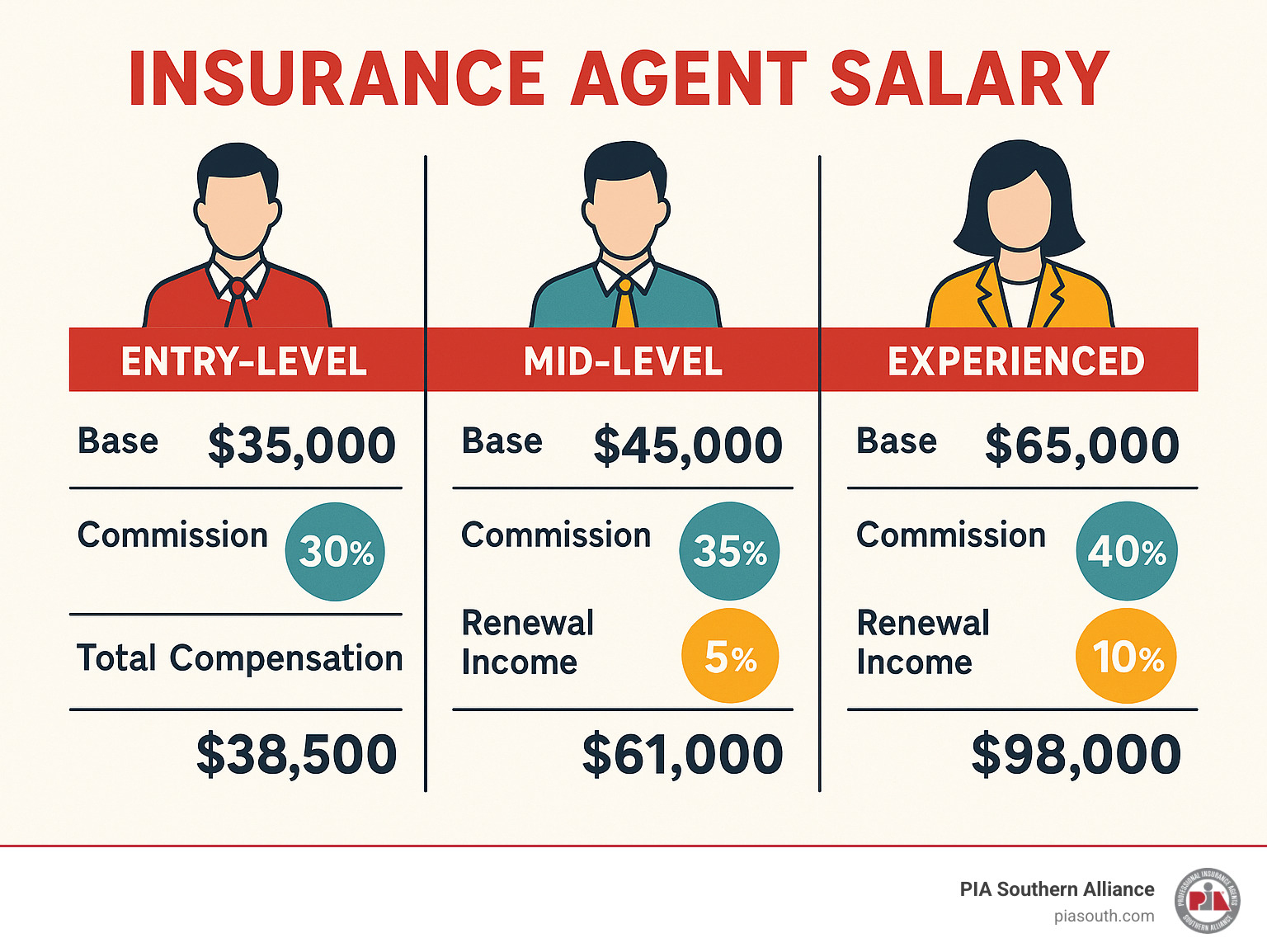
- Income Potential: There is a misconception that a degree is necessary to earn a high income in insurance. Income in this industry is almost exclusively performance-based. Success is tied to your ability to prospect, maintain relationships, and provide value to your clients, rather than your academic pedigree.
Frequently Asked Questions
1. Is it easier to get hired if I have a college degree? While not mandatory, having a degree can demonstrate a level of commitment and baseline knowledge that some agencies may prefer. However, your ability to pass the state exam and your initial performance metrics will ultimately matter more than your educational background.
2. What subjects should I study if I do not have a degree? If you want to prepare, focus on foundational finance concepts. Understanding the time value of money, basic tax law, and the principles of estate planning will serve you well. Many reputable insurance companies offer "pre-hire" training programs that cover these specific skills.
3. How much does it cost to get licensed without a degree? Costs vary by state but typically range from $200 to $500. This includes the cost of the pre-licensing course, the examination fee, and the state license application fee.
4. Can I work in multiple states? Yes. Once you have a "resident" license in your home state, you can apply for "non-resident" licenses in other states. This usually involves paying a fee and submitting an application, but you generally do not need to retake the exam for every state.
5. Does a criminal record automatically disqualify me? Not necessarily. Most states evaluate applications on a case-by-case basis. However, offenses involving fraud, dishonesty, or breach of trust are viewed with extreme scrutiny and are more likely to result in a denial of licensure.
Final Recommendation
If you are interested in becoming a life insurance agent, your immediate next step is to research the specific requirements on your state’s Department of Insurance website. Do not be deterred by a lack of a degree. Instead, focus your energy on finding a reputable sponsoring agency or brokerage that offers a structured training program. These organizations are incentivized to help you pass your licensing exam, providing you with the necessary curriculum and study materials to begin your career.
Image Gallery