Understanding Discretionary Money: A Comprehensive Guide to Financial Freedom in 2026
Discretionary money, or discretionary income, is the amount of an individual's income that remains for spending, investing, or saving after taxes and all necessary personal expenses—such as rent, food, and utilities—have been paid. It...
Discretionary money, or discretionary income, is the amount of an individual's income that remains for spending, investing, or saving after taxes and all necessary personal expenses—such as rent, food, and utilities—have been paid. It represents the financial flexibility a household has to improve their lifestyle or build long-term wealth.
Contents
As we navigate the economic landscape of 2026, the concept of discretionary money has become more critical than ever. With fluctuations in the cost of living and the evolving nature of the global workforce, understanding exactly how much "extra" money you have is the foundation of any robust financial plan. This guide provides an in-depth analysis of what discretionary money is, how it differs from other income types, and how you can optimize it to meet your financial goals.
Discretionary vs. Disposable Income: The Crucial Distinction
To manage your finances effectively, you must first distinguish between two terms that are frequently used interchangeably but have vastly different meanings in the world of economics and personal finance: disposable income and discretionary income.
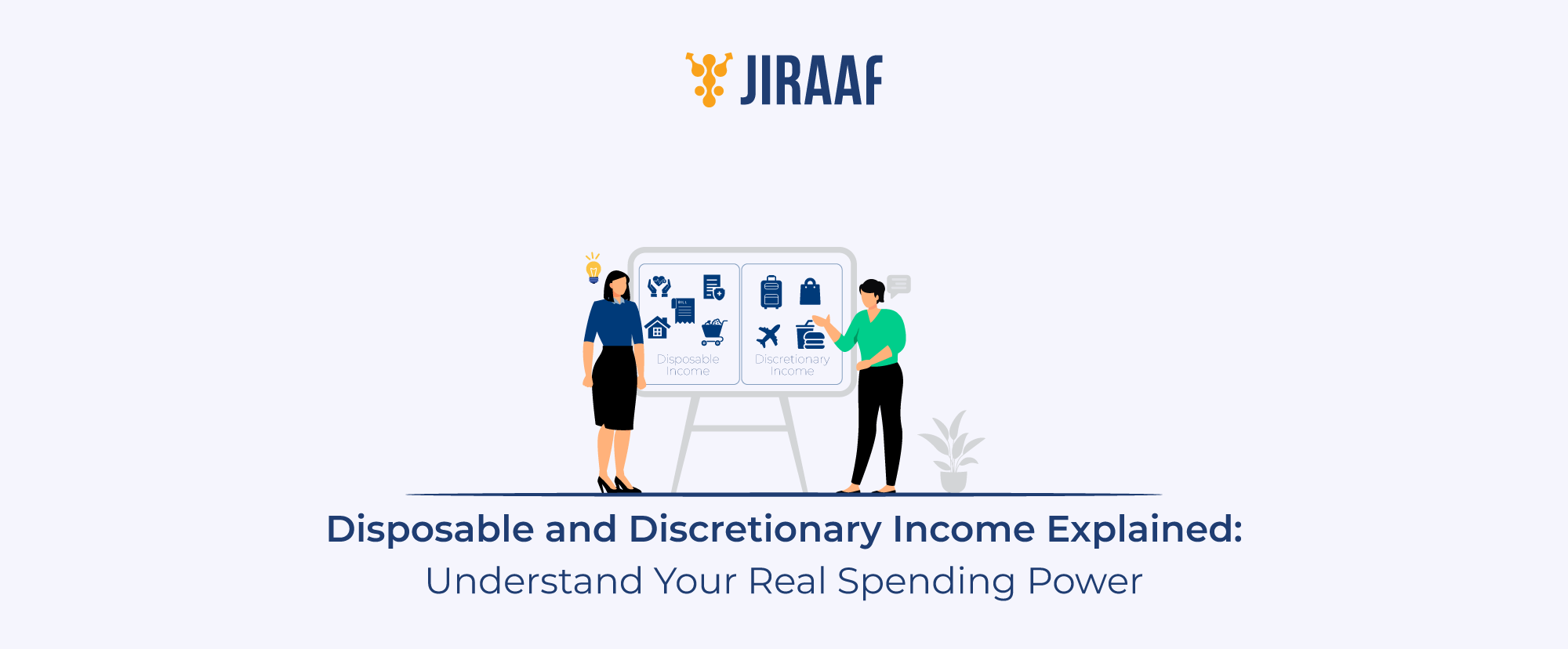
Disposable income is your "take-home pay." It is the total amount of money you have available after federal, state, and local taxes have been deducted from your gross salary. This is the pool of money used to pay for everything—from your mortgage and grocery bills to your Netflix subscription and annual vacation.
Discretionary money, on the other hand, is what is left over from your disposable income after you have met all your essential obligations. These obligations typically include:
- Housing (rent or mortgage payments)
- Utilities (electricity, water, heating)
- Necessary groceries (nutrition, not luxury dining)
- Healthcare and insurance premiums
- Transportation to work
- Minimum debt repayments
In 2026, the boundary between "essential" and "discretionary" has blurred for many. For example, high-speed internet is now considered a necessity for the remote workforce, whereas a decade ago it might have been classified as a luxury.
Comparative Breakdown of Income Types
| Feature | Gross Income | Disposable Income | Discretionary Money |
|---|---|---|---|
| Definition | Total earnings before any deductions. | Income remaining after all taxes are paid. | Income remaining after taxes AND all necessities. |
| Primary Use | Calculating tax brackets and loan eligibility. | Paying for both needs and wants. | Saving, investing, and non-essential spending. |
| Calculation | Salary + Bonuses + Interest. | Gross Income - Taxes. | Disposable Income - Essential Expenses. |
| Economic Role | Measures total earning power. | Measures aggregate consumer demand. | Measures "fun" spending and investment potential. |
Why Discretionary Money Matters in 2026
In the current economic climate, discretionary money serves as the primary engine for personal financial growth. While disposable income keeps you afloat, discretionary income is what allows you to move forward.
1. The Gateway to Investing
Wealth is rarely built through a salary alone; it is built through the appreciation of assets. Discretionary money is the capital used to purchase stocks, bonds, real estate, or retirement contributions. Without a clear understanding of your discretionary margin, you may find yourself "living for the moment" while neglecting the compound interest required for a comfortable retirement.
2. Buffering Against Economic Volatility
The mid-2020s have shown that economic stability can be fragile. Having a healthy margin of discretionary money provides a safety net. If an emergency occurs—such as an unexpected medical bill or a sudden job transition—the funds usually reserved for "wants" can be immediately redirected to "needs" without causing a total financial collapse.
3. Quality of Life and Mental Health
Financial stress is a leading cause of anxiety. Discretionary money represents the "freedom" portion of your budget. It allows for the hobbies, travel, and experiences that contribute to a high quality of life. For many in 2026, the goal is no longer just to "have more," but to have enough discretionary income to support a balanced lifestyle.
How to Calculate Your Discretionary Income
Calculating your discretionary money requires an honest assessment of your spending habits. Follow these steps to determine your current standing:
Step 1: Determine Your Net (Disposable) Income
Look at your pay stubs or bank deposits for a full month. Include all sources of income after taxes have been withheld. If you are self-employed, ensure you have set aside the appropriate amount for quarterly tax estimates before arriving at this number.
Step 2: Categorize Your Essential Expenses
List every expense that is mandatory for your survival and employment. This is where most people make mistakes by including "wants" in the "needs" column.
- True Needs: Rent/mortgage, basic groceries, utilities, insurance, minimum loan payments, essential clothing.
- The "Grey" Area: Is that $60 gym membership a need? Is the $150 cell phone plan essential, or would a $40 plan suffice? For a strict discretionary calculation, use the minimum cost required to meet the need.
Step 3: Subtract Expenses from Disposable Income
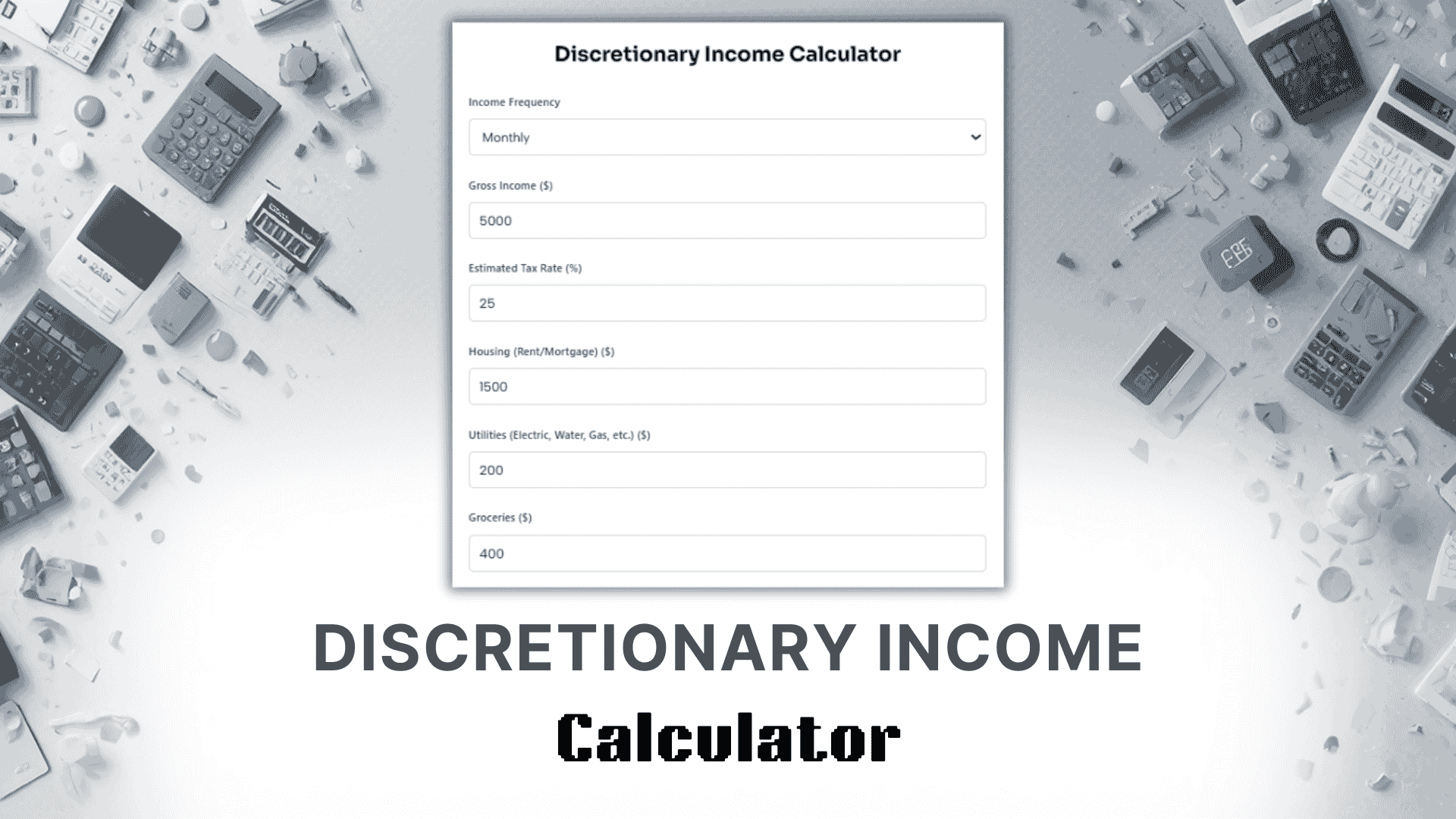
The formula is straightforward: Disposable Income - Total Essential Expenses = Discretionary Money.
For example, if your take-home pay is $5,000 and your rent, food, and bills total $3,500, you have $1,500 in discretionary money. This $1,500 is what you must decide how to save, invest, or spend on non-essentials.
Factors Impacting Discretionary Income in 2026
Several external factors in 2026 significantly influence how much discretionary money the average person holds.
Inflation and the "Cost of Living" Adjustment
Even if your salary increases, your discretionary income may shrink if the cost of essentials rises faster than your wages. This "lifestyle squeeze" is a common phenomenon. Monitoring the Consumer Price Index (CPI) through the U.S. Bureau of Labor Statistics can help you understand how your purchasing power is changing in real-time.
The Role of Student Loans and Income-Driven Repayment (IDR)
For millions of Americans, discretionary income is a legal term used by the Department of Education. Many student loan repayment plans, such as the SAVE plan, calculate monthly payments based on a percentage of "discretionary income." In this context, the government defines discretionary income as the difference between your adjusted gross income (AGI) and a specific percentage (e.g., 225%) of the Federal Poverty Guideline.
Debt Service Ratios
High levels of consumer debt—particularly credit card debt with high interest rates—can swallow discretionary money before it ever reaches your savings account. In 2026, managing the debt-to-income ratio is a prerequisite for increasing discretionary flexibility.
Strategies to Increase Your Discretionary Margin
Increasing your discretionary money can be achieved through two primary levers: increasing income or decreasing essential costs.
Optimization of Fixed Costs
Many "essential" costs are actually negotiable or optimizable.
- Housing: In 2026, the rise of remote work has allowed many to relocate to lower-cost-of-living areas while maintaining the same salary, immediately boosting discretionary income.
- Insurance: Regularly auditing your insurance policies (auto, home, life) to ensure you aren't over-insured or overpaying for premiums can free up hundreds of dollars annually.
- Subscription Audits: The "subscription creep" is a major drain on modern finances. Automated tools can now identify and cancel unused services that eat away at your discretionary funds.
Strategic Income Growth
Beyond the traditional 9-to-5, individuals are increasingly using "side hustles" or fractional work to specifically fund their discretionary goals. By earmarking all secondary income as discretionary, you ensure that any increase in earnings goes toward wealth building or lifestyle enhancement rather than being absorbed into a more expensive "lifestyle" (known as lifestyle creep).
Managing Discretionary Money: The 50/30/20 Rule
A popular framework for managing these funds is the 50/30/20 rule, which provides a balanced approach to budgeting:
- 50% to Needs: Your disposable income should be sufficient to cover all necessities within half of your take-home pay.
- 30% to Wants (Discretionary Spending): This is the portion of your discretionary money used for entertainment, dining out, and hobbies.
- 20% to Savings and Debt Repayment: This is the portion of your discretionary money used for your future self (emergency funds, 401(k)s, IRAs).
If your "needs" exceed 50%, your discretionary money is being squeezed, and you may need to adjust your living situation or find ways to increase your income to ensure your long-term financial health is not compromised.
Frequently Asked Questions
Is my 401(k) contribution considered an essential expense or discretionary?
Technically, 401(k) contributions are discretionary because they are a choice you make regarding how to use your income. However, from a financial planning perspective, many experts suggest treating them as a "mandatory" part of your financial health. Because these contributions are often taken out of your gross pay (pre-tax), they actually reduce your disposable income but increase your long-term net worth.
How does the government calculate discretionary income for student loans?
The U.S. Department of Education typically defines discretionary income as the amount by which your Adjusted Gross Income (AGI) exceeds a certain percentage (often 150% or 225% depending on the plan) of the Federal Poverty Guideline for your family size and state. You can find official calculators on the Federal Student Aid website.
Can I have zero discretionary income?
Yes. If your essential expenses (rent, food, minimum debt) equal or exceed your disposable income, you have zero discretionary income. This is often referred to as living "paycheck to paycheck." In this situation, any unexpected expense usually results in the accumulation of high-interest debt.
Should I use my discretionary money to pay off debt or to save?
The general rule of thumb in 2026 is to prioritize high-interest debt (anything over 7-8%) first. Using discretionary money to pay off a credit card with a 24% APR is equivalent to getting a guaranteed 24% return on your investment. Once high-interest debt is cleared, you should balance your discretionary funds between an emergency fund and long-term investments.
Is entertainment always discretionary?
In a strict economic sense, yes. However, for mental well-being, some level of leisure is necessary. The key is distinguishing between a "reasonable" amount for mental health and "excessive" spending that compromises your future financial security.
Summary and Next Steps
Discretionary money is more than just "spending cash"; it is the most accurate measure of your financial freedom. By clearly defining what constitutes a necessity versus a luxury, you can take control of your financial narrative.
Recommended Action Plan:
- Conduct a 30-day audit: Track every cent you spend to find your true "disposable" vs. "discretionary" numbers.
- Reduce one fixed cost: Negotiate a bill or switch to a more affordable service provider this month.
- Automate your discretionary split: Set up an automatic transfer so that a portion of your discretionary money goes straight into an investment account before you have the chance to spend it on "wants."
By mastering your discretionary money in 2026, you ensure that your income doesn't just support your life today, but builds the foundation for your life tomorrow.
Image Gallery